The Influence of Cultural Traditions on Contemporary Artistic Expression

The Role of Cultural Traditions in Contemporary Art
Art serves as a dynamic reflection of human society, acting both as a record of our history and an expression of our collective aspirations. In the realm of contemporary artistic expression, cultural traditions emerge as a fundamental element, profoundly influencing the themes, styles, and techniques that artists employ. This influence spans a myriad of mediums, allowing for the creation of vibrant, multifaceted narratives that speak to both individual and shared experiences.
Visual Arts: A Dialogue Between Past and Present
In the visual arts, the integration of traditional motifs and techniques has led to innovative creations that bridge the gap between different eras. For example, the mosaic technique, which dates back to ancient civilizations, is being revitalized by contemporary artists such as Shadia Nabi, who creates modern works using glass and natural materials to depict modern themes. Similarly, the use of indigenous symbols in painting and sculpture can be seen in the works of Native American artists like Georgia O’Keeffe, who infused her landscape paintings with emotive significance drawn from her cultural heritage.
Performing Arts: Embracing Heritage
The performing arts are another vibrant area where cultural traditions thrive, particularly through forms such as dance and theater. In the United States, companies like Mesh Performance Collective draw upon folk traditions and incorporate them into modern dance performances, creating dynamic spectacles that resonate with audiences. Similarly, theater productions such as Lin-Manuel Miranda’s “Hamilton” infuse hip-hop with historical narratives, marrying contemporary musical influences with the storytelling traditions of various American cultures.
Literature: Telling Stories of Identity
In literature, authors increasingly weave cultural themes into their narratives, providing vital insights into the human condition and the diverse experiences that define it. Writers like Chimamanda Ngozi Adichie and Junot Díaz present rich portrayals of identity by exploring themes of migration, diaspora, and cultural intersectionality. Their works enable readers to reflect on what it means to belong in a rapidly globalizing world, bridging gaps between different backgrounds and fostering empathy.
The infusion of cultural heritage into contemporary artistic practices invites audiences to explore not only the beauty of these traditions but also the conversations they ignite about identity, belonging, and community. This exploration is vital for deepening our understanding of both art and society. As we navigate the layers of meaning embedded in today’s artistic landscape, one can appreciate the remarkable depth and diversity that cultural traditions contribute to contemporary works.
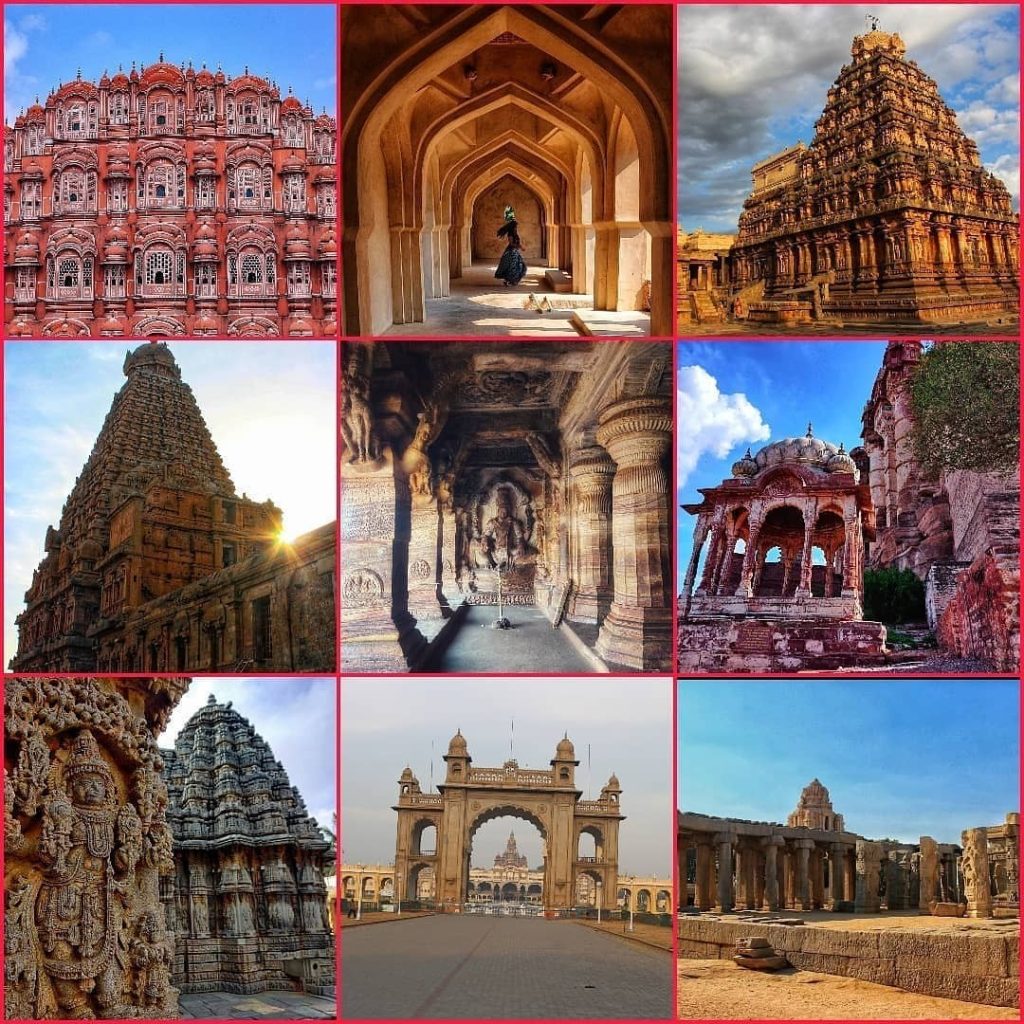
Understanding the intricate relationship between cultural traditions and contemporary artistic expression can unlock new levels of appreciation and dialogue within the art world. This intersection prompts a curiosity to delve deeper into the stories behind the art, revealing how they inform and shape our perceptions of identity and cultural heritage. Join us as we embark on this exploration, uncovering the profound connections that bind us through creativity.
Visual Storytelling: Cultural Motifs in Modern Art
Cultural traditions serve as a wellspring of inspiration for contemporary artists, enriching their creative toolbox with a plethora of motifs and narratives. This influence is particularly evident in the domain of visual arts, where artists harness traditional elements to craft distinct bodies of work. The resurgence of cultural symbols and methods is not merely a tribute to the past; it creates an ongoing dialogue that resonates with contemporary society.
The impact of cultural traditions on modern artistry can be encapsulated in various ways:
- Symbolism: Artists reinterpreting age-old symbols infuse new meanings into their works. For instance, African-American artists like Kerry James Marshall adopt traditional forms of representation while exploring themes of identity and historical significance.
- Techniques: The revival of traditional techniques, such as batik, a dyeing method with roots in Indonesia, has been adapted by contemporary artists in various parts of the world, including the United States. This practice highlights the intersection where heritage meets innovation.
- Materials: Artists are increasingly turning to culturally significant materials, from natural pigments to textiles, creating pieces that honor their roots while pushing the boundaries of contemporary artistic expression.
Take the stunning works of Yoko Ono, for example. Her piece Wish Tree invites individuals to write their wishes on paper and tie them to a tree, embodying a communal spirit reminiscent of Shinto practices in her native Japan. Such installations transcend geographical boundaries, drawing participants into a shared emotional experience that bridges cultural divides.
The Resurgence of Folk Art
The contemporary art scene is also experiencing a renaissance in folk art, where artists return to their cultural roots to find inspiration. Folk art’s inherent storytelling quality aligns perfectly with modern-day dialogues about cultural identity and heritage. Artists such as Elspeth Cohen and her use of traditional pottery techniques articulate personal and communal stories through their work. These artists serve as custodians of cultural narratives, merging the past with the present and offering fresh perspectives through their craft.
This resurgence is reflective of a broader movement within the arts, as communities strive to redefine their identities in a diverse and often fragmented world. The globalization of culture has necessitated a reevaluation of what it means to belong, often prompting artists to grapple with their cultural legacies. By incorporating traditional elements into contemporary practices, artists not only honor their backgrounds but also create bridges that connect diverse audiences.
As cultural traditions continue to shape artistic expression, the richness they provide offers a framework for dialogue and understanding. This intersection of past and present not only enhances the aesthetics of contemporary art but also deepens its significance, inviting viewers to engage with both the artwork and the complex narratives it conveys. By examining these cultural influences, we gain essential insights into our shared humanity and the collaborative spirit of creativity that transcends generations.
The Impact of Cultural Traditions on Modern Art
Cultural traditions serve as a foundation for contemporary artistic expression, influencing not only the thematic elements of artworks but also the methods and materials artists choose to employ. This blending of old and new can be observed in various art forms, such as painting, sculpture, and performance art, offering a dialogue between historical practices and modern interpretations.
Traditions such as indigenous storytelling, folklore, and ceremonial practices are often reimagined, leading to innovative expressions that resonate with today’s diverse audiences. For example, artists frequently adapt traditional motifs and styles from their cultural heritage, resulting in pieces that not only preserve history but also challenge it. This technique creates a visual narrative that reflects the artist’s identity and experiences, contributing to a rich tapestry of cultural commentary.
Furthermore, collaborations between artists from different backgrounds enhance this exchange, as they weave together various cultural traditions into cohesive works. Such collaborations showcase the universal nature of art while appreciating the distinctiveness of individual cultures. This merging not only broadens the artistic landscape but also fosters deeper understanding and respect among varied cultural viewpoints.
Moreover, in exploring globalization, contemporary artists utilize new mediums influenced by both traditional practices and cutting-edge technology. This fusion can be seen in digital art, where traditional techniques are digitized, creating a new frontier that respects cultural legacies while embracing innovation. As we delve deeper into this fascinating intersection, it’s essential to uncover the driving forces behind these creative decisions and the profound impact they have on both art and society.
| Cultural Influence | Artistic Interpretation |
|---|---|
| Traditional Folk Art | Integrates storytelling elements into modern practices, enhancing viewer engagement. |
| Indigenous Techniques | Revival in contemporary pieces, enriching the narrative and aesthetic appeal of artworks. |
Cultural Narratives: The Intersection of Art and Community
As contemporary artists draw from cultural traditions, they often find themselves in a position not just of personal expression but of communal representation. This connection between art and community can be seen in the works of artists engaged with their cultural narratives, crafting pieces that reflect a shared history or collective experience. By doing so, they elevate the importance of local stories and cultural practices, all while inviting a broader audience to appreciate these legacies.
One prominent example is the work of Mexican-American artist Carmen Lomas Garza, who utilizes traditional Mexican folk art techniques to tell stories that resonate with the Latino community in the United States. Her vibrant paintings often depict intimate family gatherings, cultural rituals, and traditional celebrations, making her work not only an artistic endeavor but also a cultural archive of Mexican-American heritage. These narratives continue to thrive in contemporary society, serving as a powerful reminder of the multifaceted identities that exist in a global context.
Furthermore, art has emerged as a vital medium through which marginalized communities voice their struggles and triumphs. Activist art, which often incorporates traditional cultural practices, provides a platform to address social and political issues. Artists like Hank Willis Thomas use visual representation to challenge stereotypes within African American culture, while simultaneously connecting to the rich history of African art. His work emphasizes how cultural traditions can be reinterpreted, giving voice to contemporary issues while maintaining ties to ancestral roots.
Collaborative Projects and Community Engagement
In addition to individual expression, collaborative projects are reshaping contemporary artistic practices. Initiatives like Public Art Projects in urban neighborhoods not only beautify spaces but also engage community members in the creative process. These projects often involve local artists and citizens working together to create art that is reflective of their collective experiences. For instance, the Detroit Wall Kings project has transformed once-neglected buildings into murals that showcase the narratives of the residents, illustrating the influence of cultural traditions on community identity.
This participatory approach highlights how the act of creation can strengthen community ties, allowing individuals to connect with their cultural histories while collaborating on contemporary interpretations. Such initiatives often evoke a sense of belonging and pride within communities, reinforcing the significance of cultural heritage in today’s artistic landscape.
Challenges and Evolving Conversations
Despite these positive impacts, the evolution of cultural traditions in art is not without challenges. The appropriation of cultural symbols by artists outside their originating cultures raises questions about authenticity and respect. Striking a balance between inspiration and appropriation is crucial, as artists navigate the fine line that can lead to both cultural exploration and misrepresentation. It calls for sensitivity and understanding of the traditions being incorporated, ensuring that artists honor their sources while also contributing to important cultural conversations.
As the dialogue surrounding cultural traditions and contemporary artistic expression continues to unfold, there remains an inherent potential for art to challenge social norms and inspire solidarity across diverse communities. The richness of cultural heritage intertwined with modern techniques and themes fosters a landscape ripe for exploration, inviting artists from all backgrounds to participate in a collective artistic evolution that resonates widely in today’s global society.
Conclusion: Bridging Past and Present Through Art
The exploration of cultural traditions within contemporary artistic expression reveals a rich tapestry of narratives that serve to connect individual experiences with collective histories. As artists tap into these deep-rooted traditions, they not only preserve cultural legacies but also challenge societal norms and foster dialogue across diverse communities. Figures like Carmen Lomas Garza and Hank Willis Thomas illustrate the dynamic interplay between heritage and modernity, showcasing how art can be a catalyst for understanding and empathy in a multicultural society.
Moreover, the rise of collaborative art projects highlights the importance of community engagement in shaping contemporary creative landscapes. These initiatives encourage a participatory approach that not only beautifies urban spaces but also amplifies the voices of marginalized groups, transforming art into a powerful vehicle for social change. However, as the boundary between artistic inspiration and appropriation becomes increasingly blurred, it is essential for artists to approach cultural symbols with respect and sensitivity, ensuring an authentic representation of the communities they draw from.
Ultimately, the conversation surrounding the influence of cultural traditions on contemporary art is far from over. It beckons artists and audiences alike to explore, engage, and appreciate the diverse perspectives that shape our world. As we continue to navigate this intricate dialogue, the potential for art to forge connections, foster solidarity, and enrich our understanding of humanity remains both an aspiration and a collective responsibility.