The Evolution of Painting Techniques: Exploring New Forms of Artistic Expression
The Evolution of Painting Techniques
Throughout the centuries, painting has acted as a reflection of humanity’s evolution, serving both as a medium for artistic expression and a window into the zeitgeist of various eras. As society has transformed, so too have the techniques and tools available for artists. These shifts have not only been influenced by cultural dynamics but also by advancements in technology and philosophy, leading to significant innovations in how art is created and perceived.
Among the pivotal techniques that have shaped the art world, oil painting stands out. Developed during the Renaissance period and popularized in the 15th century, this medium permitted artists to achieve a depth of color and detail previously unattainable with tempera or fresco. Masters like Leonardo da Vinci and Rembrandt utilized oil paint to create lifelike portraits and dramatic landscapes, showcasing light and shadow in intricate ways. For instance, Rembrandt’s “The Night Watch” exemplifies the mastery of chiaroscuro, a technique reliant on oil that enhances the three-dimensionality of figures.
The late 19th century heralded a new movement: Impressionism. Artists such as Claude Monet and Edgar Degas broke away from classical representations, focusing instead on the effects of light and atmosphere. Their technique of quickly applying strokes of color mirrored the fleeting nature of modern life—evoking emotions and movements. Monet’s “Impression, Sunrise,” which gave the movement its name, is a stunning illustration of how capturing a moment in time can evoke a deeper emotional response rather than simply portraying an image accurately.
As we progressed into the 20th century, abstract art emerged, upending traditional perspectives of visual representation. Pioneers like Wassily Kandinsky and Jackson Pollock sought to express the inexpressible, using color, line, and form to evoke feelings rather than depict recognizable subjects. This radical departure encouraged audiences to explore art’s subjective nature, challenging viewers to find meaning beyond physical representation.
In the contemporary landscape, digital art is revolutionizing the creative landscape, facilitating an intersection between technology and traditional artistry. Using software and digital tools, artists can manipulate shapes, colors, and textures in ways that were previously unimaginable. Digital platforms also allow for greater accessibility and collaboration, enabling artists from various backgrounds to explore their creativity and share it globally. The works of artists like Beeple have gained recognition, with their vibrant digital pieces drawing attention at major art auctions.
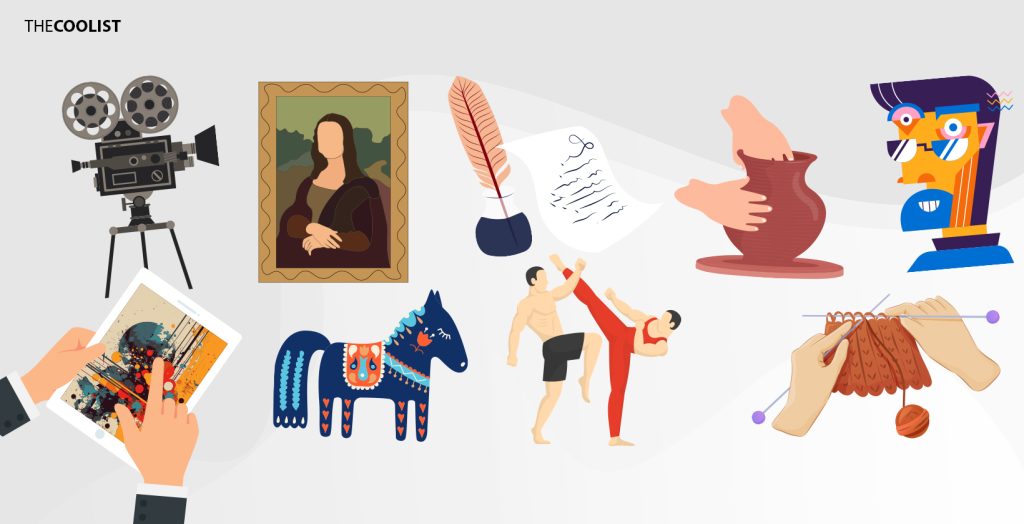
This constant evolution of painting techniques fosters vibrant discussions about the purpose and meaning of art. It invites art enthusiasts, scholars, and the general public to engage with the ever-changing narrative of creativity. Each technique reveals not only the artist’s inner world but also the broader cultural shifts that define humanity at any given moment. In doing so, painting maintains its role as an essential commentary on our society, making its study invaluable for understanding both the past and the present.
Historical Foundations of Painting Techniques
The history of painting techniques is rich and layered, reflecting mankind’s journey through different cultures, beliefs, and technological advancements. By examining these foundational techniques, one can appreciate how they have shaped contemporary art forms. From the ancient cave paintings of Lascaux, which date back over 17,000 years, to the sophisticated techniques of today, each era has contributed significantly to the evolution of artistic expression.
The ancient civilizations recognized the importance of natural pigments derived from minerals and organic sources. For instance, the Egyptians utilized ochre, charcoal, and various minerals to create their iconic wall paintings, which served as both decoration and religious narrative. These pigments were paramount in establishing a visual language that conveyed stories, beliefs, and cultural values, a trend that has persisted throughout history.
As we transitioned into the Middle Ages, art became heavily influenced by religion, catalyzing the development of tempera painting. Artists blended egg yolk with pigments to achieve a translucent finish that was ideal for frescos and panel paintings. Notable works from this time, such as the radiant illustrations found in illuminated manuscripts, showcase the skill and precision required in this technique. However, these paintings were limited in their ability to create depth and realism, a challenge that the Renaissance would soon address.
With the onset of the Renaissance, the development of linear perspective revolutionized the way artists approached composition. Pioneers like Filippo Brunelleschi established the principles of perspective, allowing artists to create an illusion of depth on a flat surface. This innovation, paired with the newfound mastery of oil paints, encouraged artists to move beyond two-dimensional representation. The resulting canvases, filled with lifelike figures and complex backgrounds, provided viewers with a sense of immersion and realism previously unseen. Works such as Raphael’s “School of Athens” exemplify the syntactical beauty of perspective and detail achieved through this era’s innovations.
The exploration of new techniques didn’t stop there; movements such as Fauvism in the early 20th century further disrupted conventions. Artists like Henri Matisse applied bold colors and simplified forms to express emotional resonance rather than an accurate representation of their subjects. This liberated approach hinted at the limitless potential of painting techniques and laid the groundwork for even more radical movements to come.
- Historical Significance: Each painting technique signifies a cultural shift or response.
- Tools of the Trade: The evolution of pigments and brushes directly influenced artistic possibilities.
- Breaking Boundaries: Movements like Impressionism and Abstract art challenged traditional aesthetics.
Each breakthrough in painting techniques not only expanded the artist’s palette but also invited audiences to engage with art in new ways. The techniques of the past serve as foundational stones for the artistry we witness today, providing a continuum that demonstrates how human expression constantly evolves. Understanding this trajectory allows for a richer appreciation of contemporary art as artists continue to innovate and redefine the boundaries of painting, making it a vital aspect of cultural discourse.
The Evolution of Painting Techniques: A Deep Dive into New Artistic Forms
As we explore the vast canvas of contemporary painting, it becomes imperative to understand the intricate evolution of painting techniques that have emerged over the years. Artists today are not merely bound by traditional methods; they constantly push boundaries, arriving at new forms of expression that challenge our perceptions of art.One fascinating aspect of this evolution is the integration of technology into painting. The advent of digital artistry has opened new avenues for creativity, allowing artists to manipulate colors and forms like never before. This digital medium has become a legitimate form of artistic expression, attracting a diverse audience.Furthermore, traditional techniques such as oil and watercolor painting are witnessing a resurgence as artists combine them with modern elements. This fusion results in the birth of what is now considered mixed media art, where artists utilize various materials beyond conventional paint, incorporating textiles, found objects, and even photography. The intention behind mixed media is to convey layered meanings and narratives, reflecting the complexities of contemporary life.Moreover, performance painting emerges as a dynamic new form of artistic expression. This technique involves the artist creating art live in front of an audience, making art not just a visual experience but an engaging performance. It revolutionizes the way we perceive the act of painting, transforming it into a participatory experience that invites viewers to connect with the emotions and stories behind the strokes.Notably, environmental themes are increasingly significant in modern painting, with artists drawing inspiration from nature and addressing ecological concerns. Techniques like eco-printing and the use of sustainable materials highlight a growing consciousness about the environment. These practices not only contribute to the visual appeal of the artwork but also encourage a dialogue concerning sustainability and our relationship with nature.As new generations of artists continue to emerge, they bring with them diverse perspectives and cultural influences, enriching the world of painting. They challenge traditional norms, interact with audiences, and redefine the boundaries of what painting can mean. This thrilling evolution invites both novice art lovers and seasoned connoisseurs to explore the dynamic landscape of modern artistic expression, encouraging each to ponder what lies beyond the canvas.
| Category | Advantages |
|---|---|
| Digital Artistry | Allows for greater manipulation of color and form, breaking traditional boundaries. |
| Mixed Media | Encourages narrative depth and exploration of different cultural perspectives. |
| Performance Painting | Transforms painting into an engaging participatory experience for viewers. |
| Eco-friendly Techniques | Highlights sustainability, encouraging artists to make environmentally conscious choices. |
Modern Innovations and the New Wave of Techniques
As we entered the 20th century, the evolution of painting techniques surged forward, propelled by technological innovations and a shifting cultural landscape. Artists were no longer confined to traditional methods; they began to embrace experimental materials and unconventional techniques that challenged the very definition of painting. This transformative period saw the rise of movements such as Abstract Expressionism and Postmodernism, which significantly broadened the scope of artistic expression.
The invention of acrylic paint in the mid-20th century marked a groundbreaking moment in the history of painting. This fast-drying medium provided artists with a versatile alternative to oil paints, allowing for vibrant colors and innovative layering techniques. Renowned artists like David Hockney utilized acrylics to produce works that defied conventional expectations, embracing spontaneity and a casual aesthetic. The adaptability of acrylics enabled artists to explore techniques such as pouring, spraying, and even collage, where they incorporated mixed media elements into their paintings, further blurring the lines between different art forms.
In parallel, the do-it-yourself ethos of the 1960s and 70s liberated artists from traditional gallery spaces. Street art emerged as a dominant force, demonstrating how painting could become a social and political statement. The iconic works of artists like Keith Haring and Jean-Michel Basquiat revolutionized the art scene by using urban landscapes as their canvas. These artists employed bold graphics and vivid colors, underscoring the potential for painting to reach broader audiences and serve as a vehicle for cultural commentary. This fusion of activism and artistry reflected a new wave of social consciousness that resonated with the zeitgeist of the time.
With the rise of digital technology in the late 20th century, the definition of painting continued to evolve. The emergence of digital painting software and tools opened a new frontier for artists, allowing them to explore virtual canvases and unlimited color palettes. Artists such as Cory Arcangel and Rafael Rozendaal harnessed the internet, creating interactive and dynamic art that challenged the static nature of traditional painting. The blend of computer-generated imagery and traditional skills paved the way for movements like New Media Art, where the boundaries between painting, technology, and viewer experience became entwined.
Notably, contemporary artists like Julie Mehretu and Gerhard Richter have embraced both traditional and modern techniques to create multi-layered works that speak to the complexities of identity and history. Mehretu’s expansive canvases feature intricate lines and layers, melding maps and architectural plans into a cohesive narrative. On the other hand, Richter’s innovative use of squeegeeing blurs the lines of form and abstraction, illustrating a profound exploration of perception.
- Diversity of Materials: The introduction of acrylics and mixed media reshaped traditional artistry.
- Social Commentary: Urban art and graffiti highlight painting’s role in public discourse.
- Digital Innovations: Virtual platforms and tools fostered a transformative approach to creating art.
This continuous evolution signals that painting is not merely an art form but a vital cultural dialogue. As new expressions and techniques emerge, they invite both artists and audiences to rethink the relationship between the canvas and the world around them. The ongoing exploration of painting techniques continues to foster creativity, allowing for a vibrant spectrum of artistic expression to flourish.
Conclusion: The Unending Journey of Artistic Innovation
The narrative of painting techniques is one of continuous transformation, reflecting broader societal changes and technological advancements. From the rich textures of oil paints used by the Old Masters to the bold strokes of acrylics embraced by contemporary artists, the evolution of painting methods highlights an ever-expanding landscape of artistic possibilities. The innovative practices adopted by artists over the years have not only redefined traditional norms but have also become a powerful medium for social commentary and personal expression.
As we examine the diverse materials and techniques that emerged throughout the 20th and into the 21st centuries, it is clear that the boundaries of painting have been pushed further than ever before. The rise of street art and digital platforms has democratized art, allowing voices from different backgrounds to participate and shape the dialogue. Artists like Banksy and digital pioneers exemplify this shift, demonstrating the potent ability of art to engage, provoke, and inspire.
The intersection of painting with technology presents new challenges and opportunities, enabling artists to create immersive experiences that challenge our perception of reality. This is particularly significant as we navigate a world increasingly mediated by digital interactions. As we move forward, the ongoing exploration of painting techniques will undoubtedly give rise to innovative forms of artistic expression, encouraging both creators and audiences to appreciate the infinite potential of color and form.
In summary, the evolution of painting techniques is not just a chronicle of artistic style but a dynamic reflection of human culture itself. It prompts us to continue questioning, exploring, and redefining what art can be, ensuring that the canvas remains a vital space for dialogue and imagination.