Cooking with Children: Creative Experiences to Foster Interest in Cooking
Inspire Young Chefs
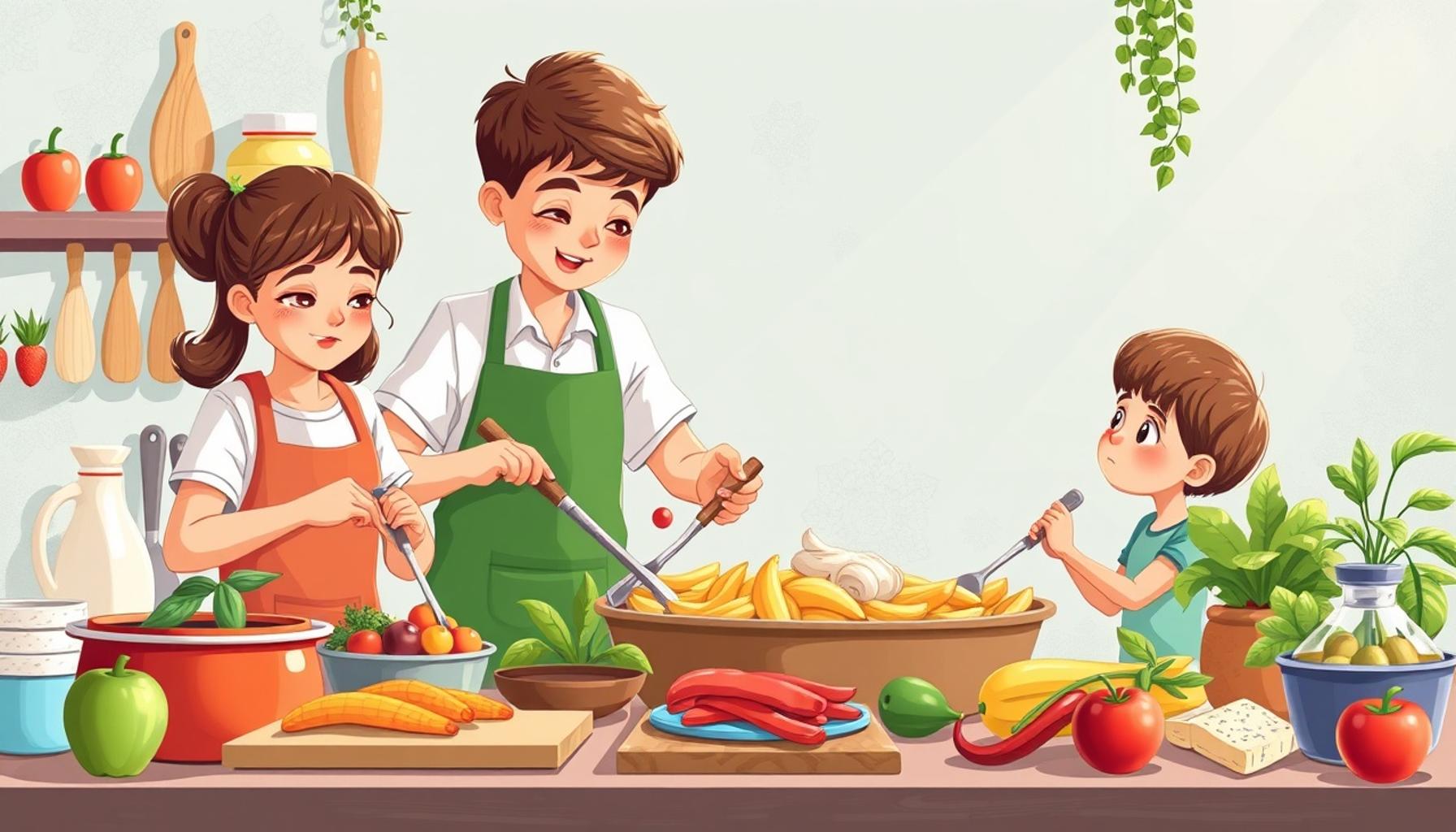
Inviting children into the kitchen can be more than just a cooking class; it is a doorway to creativity, teamwork, and valuable life skills. When children participate in cooking activities, they not only learn to prepare meals but also develop a sense of achievement and independence that builds their confidence in the kitchen and beyond.
Benefits of Cooking with Kids
Cooking with children comes with numerous benefits, such as:
- Enhancing creativity: Experimenting with flavors and presentations can ignite their imagination. For instance, allowing kids to create their own pizza with various toppings can lead to unique flavor combinations, empowering them to think outside the box.
- Improving math skills: Measuring ingredients introduces basic math concepts in a fun way. By using cups and spoons, children can learn about fractions and volume while feeling accomplished as they mix ingredients together.
- Encouraging teamwork: Collaborating on recipes fosters communication and cooperation. When working together on a project like baking cookies, children learn to share responsibilities and navigate challenges as a team.
Creative Cooking Experiences
To foster an interest in cooking, consider these engaging activities:
- Theme nights: Create meals based on various cultures, exploring global cuisines together. For example, an Italian night could include homemade pasta and classic marinara sauce, allowing kids to delve into Italian culture while honing their culinary skills.
- Ingredient exploration: Visit local farmers’ markets to choose fresh produce and discuss their uses. This not only teaches children about nutrition but also encourages them to support local agriculture, making food choices that are both healthy and sustainable.
- Science in the kitchen: Highlight the science behind cooking processes, like baking and emulsifying. Explaining the role of ingredients like yeast in bread-making or the importance of temperature in candy-making can captivate curious young minds.
These innovative approaches can inspire a love for cooking that lasts a lifetime. By introducing children to the joys of culinary adventures, we open doors to not just feeding themselves but also understanding nutrition and embracing creativity in their daily lives. Cooking together becomes not just a task but a memorable family bonding experience, instilling values and skills that children will carry forward as they grow. Engaging children in the kitchen fosters a sense of accomplishment and encourages their natural curiosity, helping them become lifelong learners and explorers in the world of food.
Engaging the Senses for a Culinary Journey
The kitchen is a treasure trove of experiences just waiting to be explored, especially for young minds eager to learn and discover. Cooking with children not only engages their senses but also creates memorable moments that spark curiosity and enthusiasm for the culinary arts. Ultimately, these experiences transform cooking into a fun-filled adventure rather than a mere chore.
Incorporating Fun Techniques
To keep children excited and involved in cooking, incorporating fun techniques can elevate their interest. Here are some creative strategies:
- Colorful Plate Building: Encourage children to create visually appealing dishes that are bursting with color. Using a variety of fruits and vegetables, they can construct rainbow salads or vibrant fruit skewers. This not only teaches them about nutrition but also allows them to express their creativity while learning to appreciate the aesthetic value of food.
- Hands-on Cooking Stations: Setting up various cooking stations can make preparation exciting. For example, a taco bar where kids can assemble their own tacos with diverse toppings invites them to take ownership of their meal. This promotes autonomy and decision-making skills while catering to their individual tastes.
- Themed Cooking Challenges: Organizing themed cooking challenges, such as “Iron Chef Junior,” fosters a playful competitive spirit. Kids can be tasked with creating dishes using a staple ingredient, like broccoli or chicken, and present their creations to the family. Not only does this empower them with culinary skills, but it also encourages problem-solving and innovative thinking.
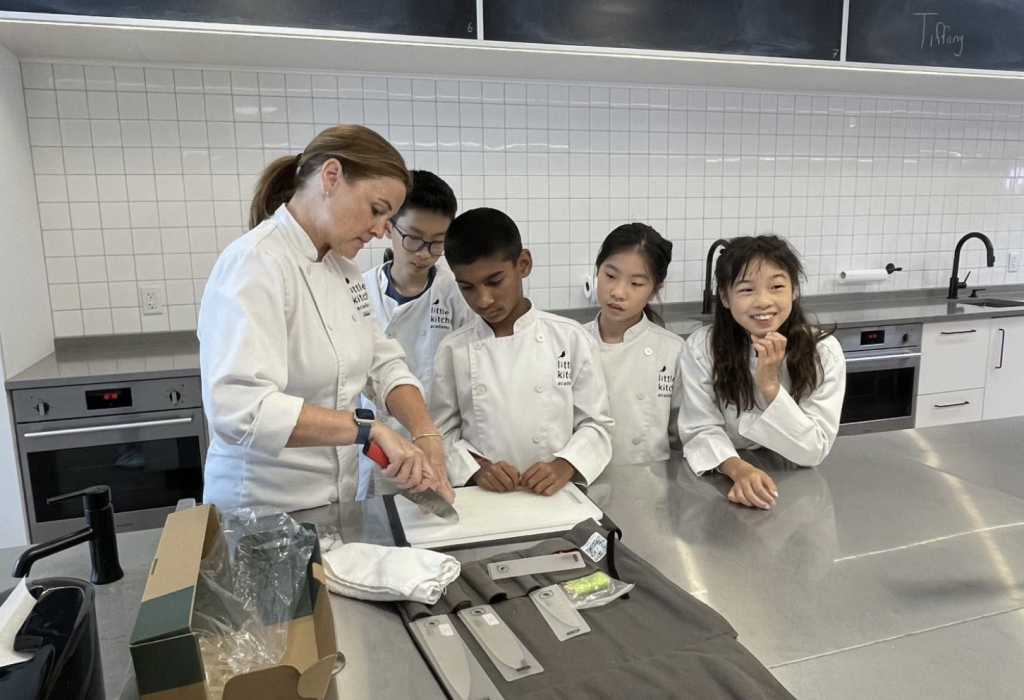
With each culinary task, children learn foundational cooking techniques, from chopping to measuring, in an engaging and interactive manner. They gain hands-on experience and a profound understanding of the importance of planning and organization in a kitchen setting, so when they work towards a common goal, the kitchen metamorphoses into a hub of creativity.
Culinary Exploration Beyond the Kitchen
Cooking experiences can also extend beyond the kitchen boundaries. Excursions can provide valuable insights that enrich a child’s culinary knowledge. Taking children to local farms to pick fresh produce not only connects them with their food sources but also stimulates discussions about where food comes from and the significance of sustainability. Leveraging such outings can open a world of learning opportunities that go hand-in-hand with cooking, enriching a child’s overall food experience.
Furthermore, introducing children to diverse cuisines cultivates an understanding and appreciation for different cultures. Experimenting with recipes from around the globe serves as an educational journey, allowing them to explore various ingredients, cooking techniques, and culinary traditions. This broadens their tastes and encourages openness and curiosity in trying new foods.
In encouraging children to cook and explore, we equip them with essential skills that extend far beyond the kitchen. The initiatives taken to engage them in culinary activities pave the way for healthier eating habits and curiosity about food and culture, reinforcing lifelong learning in a tasty, playful manner. As young chefs embark on this culinary journey, they discover that cooking is not merely about nourishment; it’s about creativity, expression, and embracing new experiences.
| Advantage | Description |
|---|---|
| Enhanced Motor Skills | Cooking tasks such as chopping, mixing, and measuring help children develop fine motor skills, improving their coordination and confidence. |
| Creativity and Expression | Cooking allows children to express their creativity through recipe modification and presentation, fostering a sense of accomplishment and ownership. |
| Healthy Eating Habits | Engaging children in cooking encourages them to try new foods, leading to a greater likelihood of developing healthier eating habits. |
| Teamwork and Communication | Cooking together promotes teamwork as children learn to collaborate and communicate effectively while working towards a common goal. |
Incorporating children into the cooking process is not just about making meals; it is also about enriching their lives with essential skills and healthy habits. The hands-on activities involved in cooking can significantly impact a child’s growth, both cognitively and socially. As they navigate different tasks, they learn to tackle challenges and appreciate the effort that goes into preparing meals, which can lead to lifelong appreciation for cooking. The experience of cooking together can also strengthen familial bonds, providing a platform for meaningful conversations and shared experiences.These creative cooking activities foster not just enthusiasm for food but also instill important life skills such as planning, preparing, and evaluating their culinary creations. Engaging in cooking with children primes them for the importance of nutrition awareness and can shape their approach to food choices throughout their lives. The overall benefits of this experience ripple outwards, influencing health and well-being, teamwork, and an understanding of cultures through cuisines. As readers discover these captivating advantages, they may feel inspired to enhance their cooking journey with children.
Building Life Skills through Cooking
Engaging children in the culinary arts goes beyond simply preparing meals; it equips them with essential life skills that will benefit them for years to come. From developing responsibility to enhancing their math and science knowledge, cooking offers myriad learning opportunities that seamlessly integrate into everyday life.
Fostering Numeracy Skills
Cooking is an effective and enjoyable way to introduce children to mathematics. Measuring ingredients, understanding ratios, and even calculating cooking times all require basic math skills. Parents can transform the kitchen into a math classroom by asking questions like, “If we double this recipe, how much flour will you need?” or “How do we divide this dish for our family?” Such interactions not only strengthen numeracy but also make learning feel relevant in real-world scenarios.
Encouraging Scientific Explorations
The kitchen is like a mini laboratory where children can explore scientific concepts through cooking. As they mix ingredients, they can learn about the chemical reactions that take place during baking or how heat transforms food. For instance, observing how yeast causes dough to rise can spark an interest in biology and the science of fermentation. By encouraging children to ask questions and conduct experiments—from testing different cooking methods to discovering the effects of temperature—they dive headfirst into scientific inquiry while having fun.
Promoting Healthy Eating Habits
Promoting a balanced diet is crucial, and cooking with children can effectively instill healthy eating habits from a young age. When kids are involved in the creation of meals, they are more likely to try and enjoy new foods. Involving them in meal planning helps them make informed choices about nutrition. For instance, introducing a “Meatless Monday” or a “Fruits and Veggies Challenge” encourages them to incorporate a variety of ingredients into their diets while learning about the nutritional value of each food. Parents can also explain the benefits of whole foods versus processed options, empowering kids to become conscious eaters.
Building Social Skills and Teamwork
Cooking together is a wonderful opportunity for children to practice social skills in a collaborative environment. Whether they are working with a sibling, a friend, or a parent, they learn the significance of teamwork and communication. Setting up shared responsibilities in the kitchen, such as one child chopping vegetables while another stirs the pot, fosters cooperation while encouraging them to listen and respect each other’s ideas. Creating a sense of shared accomplishment further strengthens bonds and builds confidence.
As they create and share delicious meals together, children not only build interpersonal skills but also gain vital problem-solving abilities. Experiencing setbacks—like a cake collapsing or a soup over-spicing—teaches resilience and adaptability. Finding creative solutions to culinary challenges not only enhances their cooking repertoire but also translates to everyday problem-solving situations.
The myriad lessons learned while cooking with children lay the foundation for lifelong skills. Whether they’re measuring ingredients, fostering creativity, or embracing teamwork, the skills they develop in the kitchen extend far beyond meal preparation, encouraging a future filled with confidence and curiosity. Each culinary experience becomes a steppingstone in their journey, preparing them to thrive in various aspects of life while igniting a passion for cooking that may last a lifetime.
Conclusion
In wrapping up our exploration of Cooking with Children, it is evident that the kitchen serves as a dynamic environment where creativity, learning, and bonding flourish. Through cooking, children not only engage in the delightful process of meal preparation but also develop a myriad of essential life skills that lay the groundwork for their future. Whether they are tackling fractions as they measure ingredients, delving into the science of heat and reactions, or fostering teamwork through shared responsibilities, each culinary experience is an opportunity for growth.
Involving children in the culinary arts also instills healthy eating habits that can last a lifetime. As they become active participants in crafting their meals, they are more likely to embrace diverse foods and comprehend nutritional choices. This knowledge empowers them to make healthier decisions, fostering a deep appreciation for the food they consume.
Moreover, cooking nurtures social skills and problem-solving abilities. The lessons learned from collaboration and overcoming kitchen challenges cultivate resilience, adaptability, and a sense of achievement—qualities that are invaluable in all aspects of life. The memories created during these shared cooking experiences not only nourish the body but also strengthen familial ties and impart a love for culinary arts.
Thus, as families explore the world of cooking together, they embark on an enriching journey that promises to enhance both individual growth and collective joy. Embrace this opportunity to inspire a lifelong passion for cooking in your children and witness the delightful transformation that emerges—not just in their palates but in their personalities as well. Cooking with children is not merely about the food; it is about cultivating a curious, creative, and confident future generation.