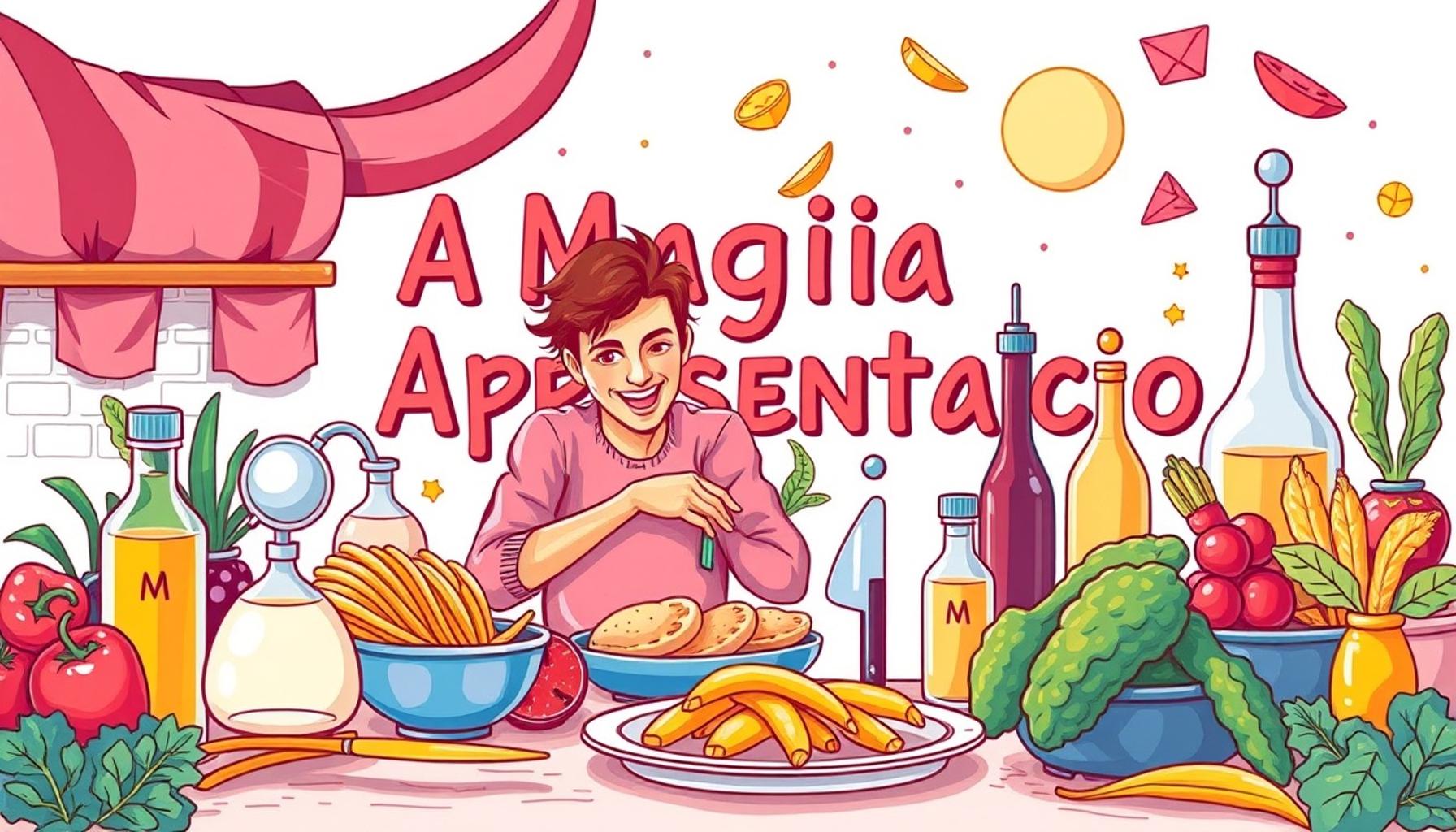
The Magic of Presentation: Transforming Dishes into Culinary Works of Art
The Art of Presentation in Cuisine
Ever wondered why certain dishes captivate your senses before you even take a bite? The art of presentation plays a crucial role in turning ordinary meals into extraordinary culinary experiences. Whether it’s a simple salad or a gourmet entrée, the way food is presented can elevate its appeal dramatically. A well-presented dish draws attention and creates anticipation, paving the way to a delightful dining occasion.
Key Elements of Food Presentation
Before diving deeper into the intricacies of food styling, consider these critical aspects:
- Color Contrast: Bright, vibrant colors can enhance the visual appeal and make dishes pop. For instance, a plate of roasted vegetables might be garnished with a sprinkle of fresh parsley or paired with a vibrant carrot puree to create visual depth. The contrast between the earthy tones of brown and green with an eye-catching orange not only makes the dish more enticing but also reflects the freshness of the ingredients used.
- Plate Choice: The color and design of the plate can affect the perception of the food. A deep blue plate can make the colors of a citrus-infused seafood dish appear more vibrant, while a stark white plate creates a clean canvas, allowing the food to shine. The shape of the plate can also play a role; a wide, shallow bowl for pasta invites a casual dining experience, whereas an elegant, high-sided dish suggests sophistication.
- Garnishes: Fresh herbs, edible flowers, or a drizzle of sauce can add a finishing touch that captures attention. A perfectly placed basil leaf atop a creamy risotto or a colorful microgreen arrangement can transform the dish from mundane to magical. These garnishes not only enhance the visual appeal but can also hint at the flavors waiting to be discovered.
The Science Behind Appeal
Research suggests that aesthetics can influence taste perception, evoking emotions and memories associated with different foods. For example, a beautifully plated dessert might remind someone of a cherished childhood memory, heightening their enjoyment of it. Engaging your guests’ senses not only fosters excitement but also creates memorable dining experiences. By focusing on the magic of presentation, chefs can showcase their creativity and transform simple dishes into captivating culinary masterpieces.
Join us as we explore the numerous techniques and theories behind this gastronomic art form. Discover how to master the balance of taste and aesthetics in your own kitchen! From utilizing the right plate to experimenting with complementary colors, the world of food presentation is a vast and intricate landscape waiting to be navigated by aspiring cooks and seasoned chefs alike.
In the end, whether you’re hosting a dinner party or preparing a family meal, remember that the way you present your food can be just as important as how it tastes. It’s about creating an experience that tantalizes the eyes and tantalizes the palate.
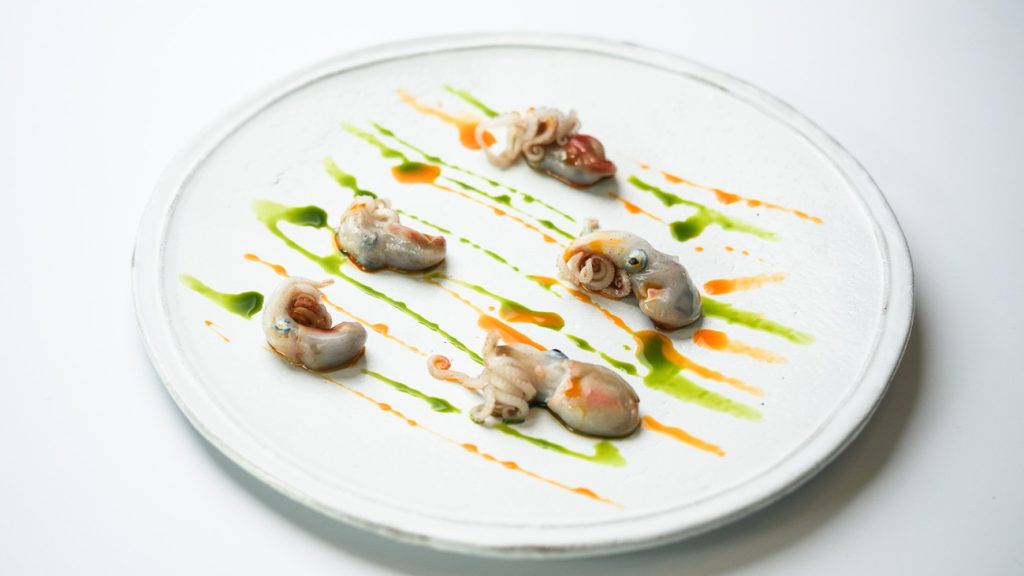
Techniques for Elevating Food Presentation
As we delve deeper into the realm of food presentation techniques, it becomes evident that creating a feast for the eyes requires creativity, practice, and an understanding of visual harmony. The process transforms everyday meals into artistic creations that not only tantalize the taste buds but also deliver an engaging visual experience. Below are several techniques that aspiring cooks and seasoned chefs can incorporate into their plating repertoire:
- Layering: Building height in a dish adds dimension and intrigue. By stacking ingredients, such as assembling a burger or layering vegetables in a terrine, chefs can create a visually stimulating presentation. Layering also offers guests a preview of what flavors to expect in each bite, enhancing the anticipation. For example, a classic lasagna might be served with deliberate layers of cheese, sauce, and pasta visible, showcasing the dish’s heartiness.
- Negative Space: The effect of leaving empty space on a plate cannot be overstated. This technique invites attention to the main components while ensuring the dish doesn’t feel overcrowded. A minimalist approach where a single seared steak is complemented by a few delicate garnishes allows the guest to focus on the star of the show. Additionally, negative space can create a sense of elegance and sophistication.
- Texture Variety: Incorporating various textures adds another level of interest to a dish. Consider pairing crunchy elements with creamy sauces or smooth purees. A dish of seared scallops atop a silky cauliflower puree, accented with crispy pancetta, exemplifies how contrast can spark excitement and keep diners engaged. Textural diversity not only enhances the presentation but also elevates the overall tasting experience.
- Seasonal and Local Influences: Utilizing seasonal ingredients not only promotes freshness but also enhances visual appeal. A salad made with vibrant spring greens, radishes, and edible flowers celebrates the colors of the season and can serve as a beautiful centerpiece. By focusing on local produce, chefs can craft dishes that honor regional flavors while creatively expressing the essence of the environment.
Understanding the nuances behind these techniques can significantly impact the presentation of any dish. The magic lies in how these elements are combined to resonate with diners, evoking curiosity and pleasure. Chefs who embrace these practices can craft presentations that not only showcase their culinary skills but also tell a story of flavor, culture, and artistry.
As we continue our exploration of food presentation, we will discuss the importance of plating styles and how they draw on cultural traditions, revealing the intricate relationship between art and food. Stay tuned to uncover tips on how anyone can become an artist in their kitchen, transforming everyday ingredients into culinary masterpieces that leave a lasting impression.
| Aspect | Benefits |
|---|---|
| Visual Appeal | Enhances the dining experience by creating an impressive aesthetic. |
| Culinary Innovation | Encourages chefs to experiment with textures and colors. |
| Brand Identity | Strengthens restaurant branding through unique presentation styles. |
| Shareability | Invites patrons to photograph and share dishes on social media. |
The art of transforming dishes into culinary masterpieces not only centers around flavor but equally emphasizes visual storytelling. Each plate serves as a canvas for creativity, providing an opportunity for chefs to exhibit their skills and passion. The strategic use of colors, shapes, and garnishes all contribute to a dish’s allure. Enthusiasts of fine dining can appreciate how these details elevate the overall experience, prompting them to savor every bite rather than just consuming a meal.Furthermore, the trend of food presentation is enhanced by the rise of social media, where shareability is a key driver for consumers. Patrons are increasingly drawn to visually appealing dishes that are not only delicious but also lend themselves to being the centerpiece of Instagram feeds. This phenomenon has encouraged chefs to embrace innovative presentation techniques, thus positioning their creations for wider exposure and establishing a stronger culinary identity in a competitive market. As culinary art continues to evolve, the importance of presentation will only grow, captivating audiences and setting new standards for excellence in the dining experience.
Plating Styles and Their Cultural Roots
The art of plating is not merely superficial; it is deeply rooted in cultural practices and culinary traditions worldwide. Understanding different plating styles can enhance an appreciation for the artistry of food presentation, as they transform simple meals into visually captivating experiences. While there is an array of plating styles, some notable ones stand out due to their historical significance and aesthetic appeal.
- Classical Plating: This style emphasizes a structured and traditional approach, often known for its elegance. Originating in French cuisine, classical plating typically features a clear focal point on the plate. Dishes like Coq au Vin or Beef Bourguignon are served with carefully arranged sides of vegetables and starches. Chefs utilize symmetry and balance, allowing each component to shine while maintaining harmony on the plate. This technique encourages diners to savor the meal visually and gastronomically.
- Restaurant-Style Plating: Often seen in fine dining establishments, this style is characterized by a more modern and artistic approach. Dishes are designed with a focus on aesthetics, using strategic placement, height, and color contrast to entice diners. Consider a deconstructed cheesecake served in an elegant manner with dollops of sauce and fresh fruit garnishes dispersed artfully on the plate. This style invites diners to explore their meal in a different manner while urging them to connect with each element.
- Rustic Plating: Embracing imperfection, rustic plating emphasizes natural beauty. This style is often adopted in traditional cuisines, featuring ingredients that highlight the authenticity and organic nature of the dish. A platter of charcuterie, adorned with assorted cheeses, olives, and artisanal bread, showcases vibrant colors and varied textures. The unrefined arrangement fosters a sense of warmth and homeliness, drawing diners into the experience as they enjoy hearty, comforting foods.
Examining these different plating styles reveals how cultural influences shape the way food is presented. For example, the Japanese aesthetic of Wabi-Sabi rests on the appreciation of imperfection and transience, often resulting in understated yet beautifully composed dishes. A simple bowl of sushi artfully arranged, with vibrant colors and careful attention to seasonal ingredients, exemplifies a respect for nature and the passage of time, turning a meal into an sophisticated encounter.
Furthermore, exploring various global cuisines can expand one’s culinary perspective. Thai cuisine, for instance, often employs bright and bold colors, showcasing ingredients like fresh herbs and chilies that not only taste fantastic but also serve as eye-catching garnishes. A Tom Yum soup filled with hues of red, yellow, and green beautifully illustrates how vibrant food can capture the essence of a culture’s flavors and traditions.
As we consider how these plating styles can inspire creativity in the kitchen, it becomes clear that there are no strict rules when it comes to food presentation. Chefs are encouraged to draw inspiration from the rich tapestry of cultural histories and artistic philosophies, cultivating their styles while encapsulating the spirit of their dishes. The ability to transform a simple meal into a culinary work of art speaks to the heart of gastronomy, revealing the profound connection between food, culture, and aesthetics. With this understanding, any home cook can create a dining experience that is as visually impressive as it is delicious, inviting everyone to explore the magic of presentation in their own culinary journey.
Conclusion: Embracing the Art of Food Presentation
In a world where first impressions hold significant value, the art of food presentation emerges as a crucial element in elevating culinary experiences. As we have explored, the magic of presentation goes beyond mere aesthetics; it serves as a gateway to understanding culture, tradition, and creativity within the culinary realm. From the elegance of classical plating to the modern flair of restaurant-style arrangements, each technique tells a story, inviting diners to engage with their meals on multiple sensory levels.
The interplay between food and visual appeal captivates not only the eyes but also enriches our taste buds, transforming each dish into a culinary masterpiece. As home cooks and professionals alike embrace these diverse plating styles, they are also encouraged to experiment and blend influences from various cultures, fostering a personal touch that showcases their unique culinary identity.
Moreover, as we expand our culinary journeys, let us remember that food art is not limited to high-end establishments. Every meal at home can be an opportunity to transform the ordinary into the extraordinary. By applying creativity and intention to presentation, we reveal the labor of love infused in cooking and set the stage for meaningful connections around the dining table.
Ultimately, the magic of presentation invites us all to explore and celebrate not just the flavors on our plates, but the visual narratives that accompany them. As you embark on your own culinary adventures, remember that every dish has the potential to become a stunning work of art, waiting to amaze and delight.