The Science Behind Cooking: Exploring Cooking Techniques and Their Effects
Understanding the Chemistry of Cooking
Cooking is more than just a way to prepare food; it is a complex science that combines art and chemistry. Each technique you apply alters not only the flavor but also the nutrition and texture of your ingredients. This fascinating intersection invites exploration into how different methods affect your meals. From the molecular transformations that happen during cooking to the subtle changes in flavors and textures, understanding the science of cooking can elevate any dish from mundane to extraordinary.
Key Techniques to Consider
- Boiling: The process of heating water to extract flavors, preserve nutrients, or soften ingredients. For example, when boiling vegetables, the temperature rises to 212°F, causing cell walls to break down, making them tender. However, prolonged boiling can lead to a notable loss of essential vitamins, particularly water-soluble ones like vitamin C.
- Roasting: Utilizing dry heat to caramelize natural sugars and deepen flavors. This technique is particularly effective for root vegetables such as carrots and beets, where the high temperatures cause the Maillard reaction, enhancing umami flavors and producing a delectable, golden-brown crust that adds texture and complexity.
- Sautéing: Quickly cooking ingredients in a small amount of fat to enhance taste and retain moisture. In this method, the choice of oil—be it olive oil, butter, or grapeseed oil—can significantly impact the dish. For instance, the flavor profile can vary dramatically when sautéing garlic or onions, due to the Maillard reaction, which can develop distinct, rich flavors that are crucial in many cuisines.
- Baking: Using dry heat to create texture, often yielding delightful results with breads and pastries. The chemistry behind baking is fascinating; the interaction between yeast, sugars, and gluten development results in a rise in dough, creating that airy structure we love. The precise measurements and timing can mean the difference between a perfect loaf of bread and a dense brick.
Each of these techniques brings something unique to the table, influencing flavor, texture, and even nutritional value. For instance, boiling can lead to nutrient loss, whereas roasting intensifies sweetness through caramelization. Understanding these implications can transform your approach to cooking and ultimately influence your eating habits and health.
As we delve deeper into the science behind these methods, you will uncover how manipulating time, temperature, and ingredients can lead to extraordinary culinary creations. For those looking to experiment, exploring sous vide cooking offers a cutting-edge approach, allowing precision in temperature control for perfectly cooked proteins and vegetables. Prepare to enhance your cooking repertoire while embracing the science that makes it all possible!
Exploring the Impact of Cooking Methods on Ingredients
The methods we choose to cook our food not only determine the final taste but also significantly affect nutritional content, texture, and food safety. Each cooking technique involves a unique interplay of heat, time, and ingredients, leading to a myriad of chemical reactions that can either enhance or diminish the food’s potential. By examining popular culinary techniques, we can better appreciate the science behind cooking and make informed choices in our kitchens.
Boiling: The Basics of Water Extraction
When boiling, water is heated to its boiling point, allowing it to act as a medium that extracts flavors while softening ingredients. This technique is particularly common for pasta or vegetables. However, it is important to be mindful of cooking times. For example, boiling broccoli for merely two to three minutes can soften its texture, while also allowing it to retain much of its vibrant color and nutrients. In contrast, prolonged boiling can result in diminished levels of water-soluble vitamins, such as vitamin C and B vitamins, which leach into the cooking water. To minimize nutrient loss, consider using minimal water or repurposing the water in soups or sauces.
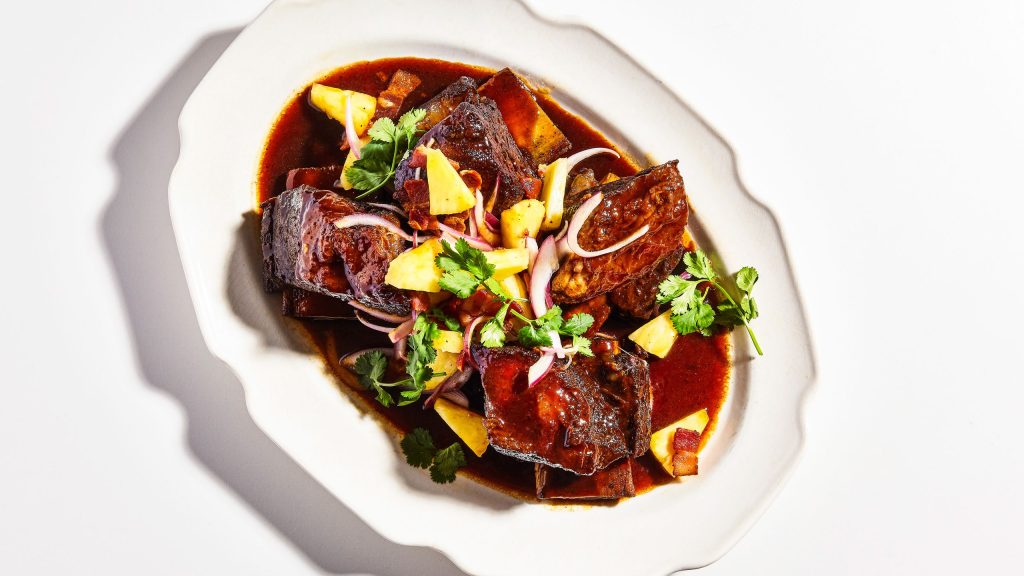
Roasting: A Dance of Caramelization
The act of roasting employs dry, hot air to induce caramelization and the Maillard reaction, deeply enhancing flavors and textures. This technique works exceptionally well for proteins and root vegetables. For instance, roasting carrots at high temperatures results in a sweet, complex flavor profile due to the natural sugars breaking down and caramelizing. This not only improves taste but also creates appealing visual attributes, evident in the golden-brown crust that forms on the surface.
Sautéing: Quick and Flavorful
Sautéing is another culinary technique that fosters unique flavor development through direct heat and a small amount of fat. Depending on the selected oil—such as olive oil for a fruity taste or butter for a rich note—the final dish’s flavor can shift dramatically. This method is often used to create the base of many dishes, where ingredients such as garlic, onions, and spices develop complex flavors through the Maillard reaction. An important aspect to consider is the heat level, as overheating can lead to burnt flavors, which can detract from the intended dish.
Baking: The Chemistry of Transformation
Baking encompasses a fascinating array of changes, transforming simple ingredients into luxurious treats. This technique hinges on precise measurements and the interactions between flour, sugar, yeast, and moisture. For instance, when yeast consumes sugars, it produces carbon dioxide, which causes dough to rise. The temperature and humidity during baking play crucial roles in developing texture and flavor; therefore, following recipes closely can significantly impact outcomes. A well-executed loaf of bread showcases a delicate balance of crust and crumb, achieved through a careful combination of heat and time.
As seen through these techniques, understanding the science behind cooking practices provides valuable insights that can enhance both flavor profiles and nutritional values. By experimenting with different methods and recognizing their impacts, home cooks can elevate their culinary creations while gaining a greater appreciation for the science behind their food.
| Cooking Techniques | Effects on Ingredients |
|---|---|
| Roasting | Enhances flavor through caramelization, leading to a rich taste. |
| Steaming | Preserves nutrients and maintains color, resulting in healthier meals. |
| Sautéing | Quick cooking method that locks in moisture, preserving tenderness. |
| Baking | Transforms texture and flavor; ideal for achieving even cooking. |
Understanding the relationship between the chosen cooking techniques and their effects on ingredients is pivotal in culinary science. Roasting, for instance, promotes caramelization, offering a depth of flavor that is hard to achieve through other methods. Meanwhile, steaming is renowned for its ability to retain nutrients while creating vibrant colors in vegetables—a critical consideration for anyone prioritizing health in their culinary choices.Sautéing, an efficient method, rapidly cooks food at a high temperature, ensuring that moisture is sealed within—this is vital for maintaining the delicacy and flavor of proteins. Baking, on the other hand, is an invaluable technique that not only uniformly cooks food but also plays an essential role in the chemistry of leavening agents, producing exquisite baked goods that are a sensory delight. Each method carries with it an intricate science that influences not just the flavor but also the nutritional profile of the final dish. As we delve deeper into these techniques, their myriad applications, and effects become apparent, revealing a treasure trove of culinary possibilities.
The Role of Cooking Techniques in Flavor Development and Texture
Cooking is not merely a method for making food palatable, but rather a complex interplay of science, technique, and transformation. This section delves into techniques that allow home cooks to achieve distinct flavors and textures, highlighting the impactful chemistry at work in everyday cooking.
Frying: The Crispy Science
Frying, whether deep or shallow, exposes food to high temperatures, resulting in immediate and dramatic changes in both flavor and texture. In deep frying, the food is submerged in hot oil, which can reach temperatures as high as 375°F. As moisture is expelled, the exterior of the food quickly becomes crispy through a process known as gelatinization, where starches in the batter or coating absorb oil and create a crunchy shell. At the same time, the Maillard reaction occurs, browning the food and intensifying its flavor.
However, the type of oil used plays a crucial role in health and flavor. For instance, oils with high smoke points, such as canola or peanut oil, are preferable for frying. On the other hand, using lower smoke point oils, like extra-virgin olive oil, can result in unwanted flavors and potential health issues due to the breakdown of compounds at high heat.
Grilling: The Fire’s Embrace
Grilling is an age-old cooking technique that employs direct heat from below, allowing for pronounced char and smoke flavors to permeate the food. The intense heat creates a caramelized crust and enhances taste through the Maillard reaction. Additionally, grilling can impart a complex flavor profile due to the interaction between the heat and the fats in the meat, as well as the wood or charcoal used for fuel.
Particularly popular in American cuisine, grilling can also be an opportunity to introduce spices and marinades that further enhance the profile of meats and vegetables. The act of marinating not only helps tenderize the food through the action of acidic ingredients like vinegar or citrus but also gives rise to chemical transformations that deepen flavors.
Steaming: The Gentle Approach
On the other end of the heat spectrum is steaming, a cooking method that employs moist heat. Steam cooking is renowned for its ability to preserve nutrients more effectively than many other methods, as it does not require direct contact with boiling water. This can lead to a retention of water-soluble vitamins and minerals, making it a healthier option for cooking vegetables and delicate proteins, such as fish.
Additionally, steaming allows for the natural flavors of the ingredients to shine through, as the cooking process does not add excess fat or oils. This can result in not only nutritious but also lightly textured dishes; for example, steamed asparagus retains its bright green color and crisp tenderness, complemented by its natural flavor without overwhelming seasonings.
Pressure Cooking: Accelerated Flavor Extraction
Pressure cooking embodies the fusion of speed and flavor, harnessing steam under pressure to cook food more quickly while intensifying flavors. By raising the boiling point of water, pressure cookers drastically reduce cooking times and encourage even cooking throughout the dish. This can be particularly beneficial in tough cuts of meat, breaking down connective tissues and yielding tender results in a fraction of the usual time.
The sealed environment of a pressure cooker also confines flavors and aromas, leading to a more concentrated taste and moist texture. Foods that typically require long braising or simmering times—such as stews or soups—can achieve remarkable depth of flavor in less time, appealing to busy home cooks.
Through understanding different cooking techniques and their scientific underpinnings, home cooks can unlock new dimensions of flavor and texture while maximizing nutritional value. Exploring these methods opens the door to a culinary journey ripe with possibilities and enhanced appreciation for the art of cooking.
Conclusion
In examining the science behind cooking, it becomes clear that the techniques employed in the kitchen can significantly affect the flavor, texture, and nutritional value of our food. From the crispy allure of frying to the tender perfection of pressure cooking, every method is grounded in scientific principles that affect the materials we use and the culinary results we achieve. Understanding how temperature, pressure, and other factors interact allows home cooks to elevate their skills and create dishes that not only satisfy the palate but also enrich the dining experience.
The diverse approaches to cooking—from the direct heat of grilling to the gentle embrace of steaming—offer opportunities to explore the flavor landscapes crafted by various cooking techniques. By embracing techniques like marinating or pressure cooking, cooks can discover how the right science can unlock the full potential of ingredients. Additionally, the emphasis on health-conscious methods, such as steaming, highlights the importance of both nutrition and flavor in our meals.
As we continue to explore the science of cooking, it opens up avenues for culinary experimentation, allowing cooks to tailor their techniques to personal preferences, dietary needs, and cultural influences. Each discovery leads to a deeper appreciation of the art of cooking, encouraging both novice and experienced chefs alike to delve into the fascinating world of culinary innovation. Ultimately, understanding the science behind cooking equips us to not only prepare meals but to craft experiences that bring people together around the table, celebrating the joys of food in all its flavorful forms.