
Collaborative Crafting: How Communities Are Uniting Creativity and Sustainability
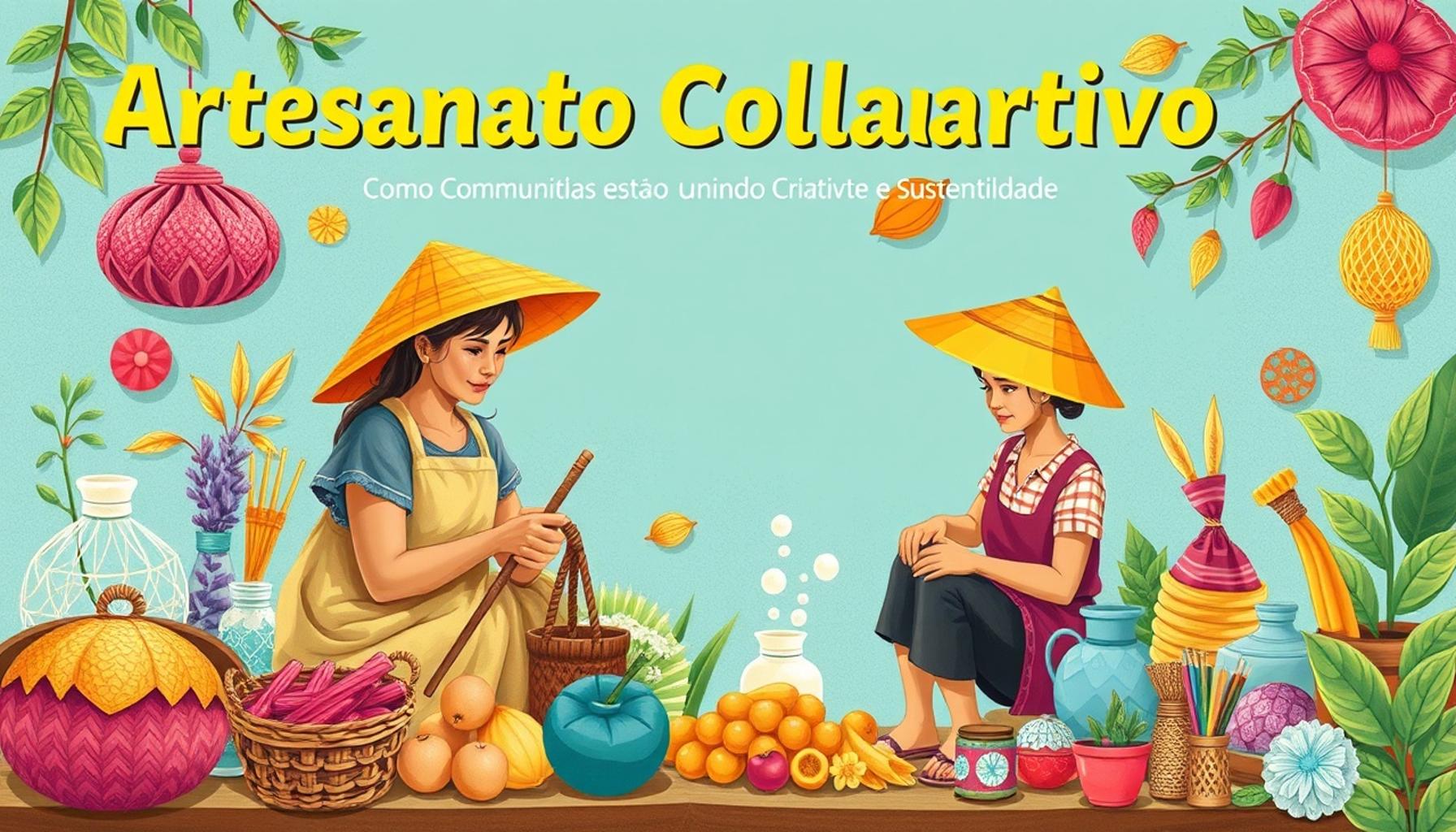
Embracing Collaborative Crafting
In an era where environmental sustainability is paramount, a new wave of creativity is emerging, igniting passionate movements in neighborhoods and cities across the United States. Collaborative crafting serves as a profound response to the pressing issues of our time, merging aesthetics with ecological responsibility. By bringing individuals together, these creative endeavors not only foster artistic expression but also provide a platform to foster community engagement and environmental awareness.
As this phenomenon gains traction, several key elements contribute to its growing popularity and impact:
- Community Engagement: Collaborative crafting events are designed to invite local participation, be it through workshops, artisan fairs, or pop-up markets. These gatherings create a space where people can meet neighbors, share stories, and build connections, often leading to new friendships and stronger community ties. Events like the Great American Craft Fair exemplify how artisans and crafters unite, promoting local creativity while establishing a sense of belonging.
- Resource Sharing: A fundamental aspect of this movement is the focus on sustainability through resource repurposing. Workshops often encourage participants to bring unused or discarded materials—old fabrics, broken furniture, or spare craft supplies—which can then be transformed into new, innovative designs. This practice not only minimizes waste but also educates participants about the importance of reusing materials.
- Skill Exchange: Workshops often emphasize the sharing of skills and knowledge. For instance, an expert in pottery may lead a class for beginners, while a seasoned quilter might share techniques with those interested in fabric arts. Such exchanges elevate creativity and inspire participants to explore new avenues of artistic expression.
This collaborative spirit fosters a unique blend of creativity and environmental stewardship, spurring innovative practices throughout diverse communities. Various initiatives have emerged nationwide, embodying this synergy:
- Upcycling Projects: In cities like San Francisco, local artists have taken to transforming discarded plastics and metals into stunning sculptures. These projects not only beautify public spaces but also serve as a testament to the potential of what was once considered trash.
- Community Gardens: Programs across places like New York City integrate crafting with sustainable agriculture. Participants can craft planters from repurposed materials while learning about the importance of local food systems and responsible gardening practices.
- Art Exhibitions: Galleries are beginning to showcase works that focus on sustainability themes. For example, exhibits like “Waste Not” feature artists who use reclaimed materials to create thought-provoking pieces that challenge societal norms regarding consumption.
As we venture into the world of collaborative crafting, we encounter not just creative projects but also a movement deeply rooted in community spirit and environmental consciousness. The stories behind these initiatives are rich and varied, illustrating how local action can lead to global change, inviting everyone to not only observe but participate in a transformative journey toward sustainability.
The Power of Collective Creativity
Collaborative crafting is not merely a trend; it is a transformative approach to creativity and sustainability that intertwines artistic expression with communal engagement. By pooling their talents and resources, individuals breathe new life into forgotten materials and abandoned ideas. As communities participate in these creative actions, they are also engaging in a larger dialogue about environmental consciousness.

One of the fascinating aspects of collaborative crafting is the genuine spirit of cooperation that underpins it. Participants from diverse backgrounds come together, bringing with them unique perspectives and skill sets. This melting pot of ideas fosters an environment ripe for innovation, resulting in unexpected creations that reflect the distinct character of the community. For example, workshops often feature local artisans who share their expertise, offering insights into various crafting techniques while promoting the ethos of sustainability.
Eager to champion this unique concept, several remarkable initiatives across the United States exemplify how collective creativity manifests in tangible projects:
- Neighborhood Art Collectives: In cities like Portland, Oregon, groups of local artists collaborate to create murals and public art installations using recycled materials. These artworks adorn streets and community spaces, enhancing local culture while sending a powerful message about the importance of sustainability.
- Crafting Circles: In Chicago, crafting circles have emerged, focusing on knitting and sewing projects that engage participants in meaningful conversations about textile waste. Often called “Knit for a Cause,” these gatherings not only produce cozy items but also encourage discussions about responsible consumption and the fashion industry’s environmental impact.
- Pop-up Workshops: Temporary craft workshops in places like Los Angeles invite community members to join in creating handmade goods from reused materials. Participants acquire new crafting skills while engaging in discussions about sustainability, resulting in a ripple effect that extends into their personal lives.
This phenomenon recognizes that creative forces can thrive under conditions of collaboration, merging personal expression with community improvement. Local events frequently include guest speakers who address key issues surrounding the environment—ranging from climate change to consumerism—profoundly enriching the crafting experience. Participants leave not only with a completed project but also with a renewed commitment to living sustainably.
Moreover, the impact of collaborative crafting extends beyond the immediate community. It contributes to a greater movement towards responsible practices that can lead to local and even global change. As these initiatives gain traction, they invite individuals to reflect on their crafting choices, urging them to think critically about the lifecycle of materials and the broader consequences of their creative pursuits. With such a compelling blend of artistry and activism at its core, collaborative crafting is indeed paving the way for greener futures, one creation at a time.
| Category | Details |
|---|---|
| Community Engagement | Communities collaborate to share resources, skills, and knowledge. |
| Sustainable Practices | Focus on upcycling materials and reducing waste through collective efforts. |
| Creativity Boost | Diverse perspectives enhance innovation in craft projects. |
| Local Economy Support | Collaborative crafting strengthens local businesses and artisans. |
Communities are increasingly recognizing the immense value of coming together, not just for creativity but also for sustainable practices. The synergy created through collaborative crafting initiatives allows members to share skills, tools, and materials, effectively lowering costs and minimizing waste. When individuals engage in projects that utilize repurposed and reused materials, it not only sparks innovation but also addresses pressing environmental issues.Moreover, collaborative crafting fosters a unique atmosphere of creativity. As various individuals contribute their unique perspectives, the fusion of ideas leads to projects that might never have emerged in isolation. This thriving environment enhances the creative landscape, pushing towards greater societal impact.Another and equally important aspect is the positive impact on the local economy. As communities engage in crafting together, they uplift local artisans and strengthen the market for handmade goods. By choosing to craft together, communities weave a fabric of support that encourages sustainable growth, creating a ripple effect that can inspire surrounding areas to adopt similar practices. The approach of collective creativity combined with sustainability not only transforms individual lives but also sets a precedent for future generations, emphasizing the importance of community in driving meaningful change.
Sparking Social Change Through Craft
The intersection of creativity and sustainability in collaborative crafting does not only celebrate artistic innovation; it also serves as a catalyst for social change. By driving home the importance of community involvement, these initiatives enlighten participants about the social implications of their crafting choices. Many groups are consciously taking steps to incorporate inclusive practices, ensuring that marginalized voices are represented in the crafting dialogue. This conscientious approach creates not just art, but a platform for social activism.
A prominent example stems from organizations like Craftivist Collective, a global movement with roots in the United States that melds crafting and activism into a powerful voice for change. Craftivists engage in thoughtful projects, such as creating hand-stitched banners to raise awareness about social justice issues. Such initiatives promote collective reflection on societal problems like inequality and climate change, empowering crafters to take ownership of their impact in a tangible way.
The role of technology in collaborative crafting cannot be overlooked. Online platforms have expanded the notion of community to a global scale, enabling crafters from all over the world to connect, collaborate, and share ideas. For instance, platforms like Etsy allow artisans to sell their handmade wares while embracing sustainable practices. Crafters can utilize these platforms to showcase their commitment to eco-friendly materials, from upcycled textiles to responsibly sourced wood, appealing to conscious consumers looking for ethical shopping alternatives.
In addition, virtual crafting workshops have emerged as a response to the pandemic, further broadening participation. These online spaces create an inclusive atmosphere where individuals, regardless of geographical location, can join forces to tackle creative crafting projects focused on sustainability. For example, the Global Crafting Circle organizes themed virtual events where participants engage in upcycling workshops, transforming disposable items into functional art. This shared experience cultivates interaction and knowledge exchange, effectively knitting together a global community around the principles of sustainability.
Educational institutions have also recognized the value of collaborative crafting as a means to teach sustainability. Several universities across the country now incorporate projects that involve students in hands-on crafting experiences using renewable or recycled materials. As students unite for joint initiatives—such as creating art installations from waste materials—they learn not just about sustainability but also about teamwork and cultural exchange, enriching their educational journey.
Furthermore, businesses are increasingly harnessing the positive impact of collaborative crafting as a part of their corporate social responsibility (CSR) strategies. Companies are sponsoring community craft events that blend employee engagement with sustainable practices. This not only nurtures team-building but also elevates the company’s brand image as an environmentally responsible entity. Thus, collaborative crafting becomes a dual-purpose vehicle that fuels innovation while giving back to the community.
In summary, collaborative crafting emerges as a multifaceted approach that transcends artistic cooperation. It harnesses the power of community not just to create sustainable works of art, but to ignite meaningful conversations that challenge societal norms and advocate for positive change. Whether through local workshops or online forums, the artistry of crafting continues to evolve into a vital force for sustainable social action, encouraging participants to think deeply about their roles in both the creative and ecological landscapes.
Conclusion: Uniting for a Sustainable Future
As this exploration into collaborative crafting illustrates, the convergence of creativity and sustainability is far more than a mere trend; it represents a transformative movement reshaping community interactions and artistic expression. By empowering individuals to engage not only in craft but in collective social responsibility, these initiatives foster a deep sense of connection and purpose. Through the lens of inclusivity and technology, a new era of crafting emerges—one that prioritizes sustainable practices while amplifying marginalized voices.
Furthermore, the innovation brought about by digital platforms allows diverse communities to unite meaningfully, regardless of geographic barriers. The expansive reach of tools like Etsy and virtual workshops demonstrates that sustainability and creativity know no bounds. Educational institutions and businesses alike are recognizing the potential of collaborative crafting to enrich learning and enhance corporate social responsibility, thus building a strong foundation for a more environmentally-conscious society.
In conclusion, the future of artistic creation lies in collaboration—an ethos that extends beyond crafting into broader societal dialogue. As communities come together around shared values of sustainability, they not only create beautiful works of art but also catalyze the changes needed for a better world. The spirit of collaborative crafting keeps art alive while propelling social change, inviting us all to explore how our creative pursuits can contribute to a sustainable future. Embrace this collective journey and rediscover the transformative power of creativity within your community.