The Integration of Technology in Crafts: 3D Printing and Traditional Craftsmanship

The Evolution of Craftsmanship in the Digital Age
The landscape of crafting has undergone a remarkable transformation in contemporary times. With the advent of 3D printing and other innovative technologies, artisans are finding their creative horizons expanding beyond what was previously imaginable. The merging of centuries-old techniques with modern advancements presents an exciting paradox, raising questions about authenticity, skill, and the future trajectory of handmade art forms.
The Advantages of Technological Integration
The incorporation of technology into traditional crafts holds a multitude of benefits that are reshaping the artistic landscape:
- Enhanced Creativity: The capabilities of 3D printing allow artisans to create intricate designs that would have been herculean to accomplish manually. For instance, a ceramicist can now print detailed sculptures with complex geometries that defy conventional mold-making techniques. This technology opens doors to innovative creations that blend aesthetics and functionality.
- Accessibility: As 3D printers become more affordable and user-friendly, the barrier to entry for both hobbyists and professional creators diminishes. Platforms like Thingiverse offer a plethora of free designs that anyone can download and print, fostering a community of creators. This democratization means that skilled artisans can now reach wider audiences, while newcomers can experiment without significant financial investment.
- Efficiency: The process of traditional crafting can be labor-intensive and time-consuming. 3D printing significantly streamlines production, enabling artisans to complete projects in a fraction of the time. For example, furniture designers can produce prototypes quickly, allowing for iterative testing and refinement without the lengthy wait associated with traditional methods.
Challenges and Considerations
Despite these advantages, the integration of technology into craftsmanship comes with its own set of challenges. The essence of artisanal work is often tied to personal expression and cultural heritage, which prompts a lively debate concerning the definition of authenticity. The question arises: Does the use of machines diminish the artistry that comes from skilled labor? Many traditionalists argue that the unique imperfections found in handmade goods are what imbue them with character and meaning, while others claim that technology simply serves as a new medium for artistic expression.
As artists in the United States navigate this complex landscape, they find themselves at a confluence of tradition and innovation. Workshops, makerspaces, and craft fairs are increasingly showcasing work that marries 3D printing with handmade techniques, leading to new hybrid forms of artistry. These explorations prompt an exciting inquiry into whether we are witnessing a renaissance of DIY culture or a fundamental shift in the identity of artisanship.
Looking Ahead
To truly understand the dynamic relationship between 3D printing and traditional craftsmanship, one must engage with the stories of creators pushing boundaries and reshaping what it means to be an artisan. For those intrigued by this evolving craft culture, exploring local makerspaces or attending craft fairs can reveal firsthand how tradition and technology are colliding with fascinating results. This engagement not only broadens one’s appreciation for craftsmanship but also encourages deeper conversations about the role of technology in artistic endeavors and cultural preservation.
Redefining Artistic Boundaries
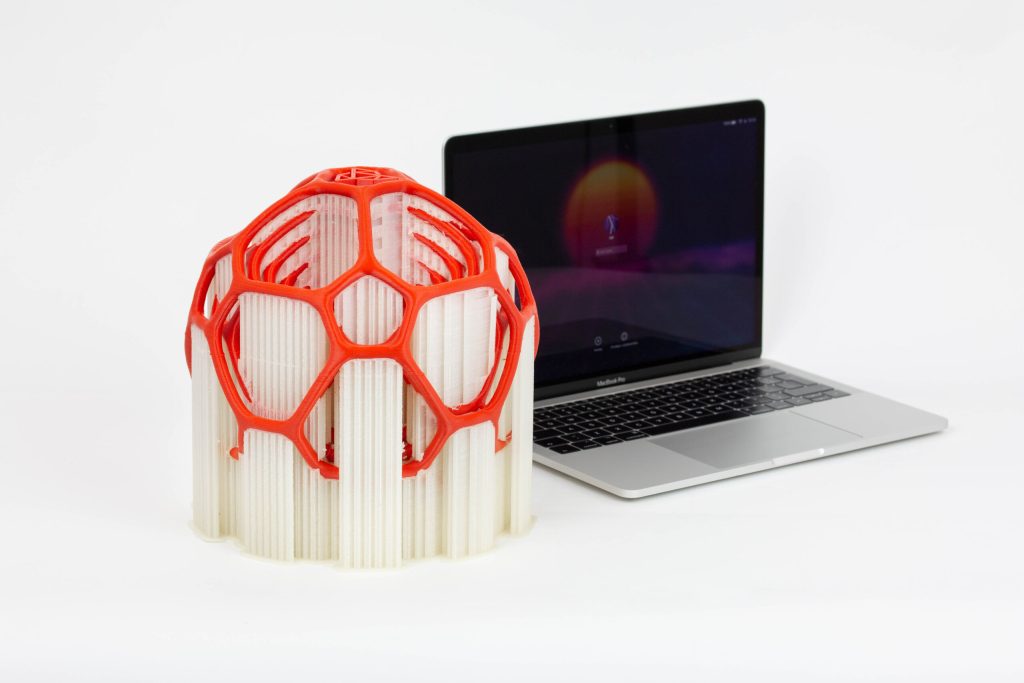
The fusion of 3D printing technology with traditional craftsmanship is not merely a trend; it represents a significant shift in the way artisans approach their work. With the capability to produce highly detailed and intricate designs, artists are empowered to stretch the boundaries of their creativity. For instance, a skilled woodworker can incorporate 3D-printed components into furniture designs, blending organic materials with exact geometrical forms, thus creating unique pieces that challenge the perceptions of both woodworking and industrial design.
Intersection of Art and Technology
In this new era of crafting, innovation goes hand in hand with tradition, producing an exciting melding of techniques. Here are several noteworthy intersections of art and technology:
- Customization: 3D printing allows for a new level of personalization in crafts. Artisans can create tailor-made items that cater to specific customer needs. Whether it’s jewelry with bespoke engravings or home decor designed to fit unique spaces, customers can now co-create products that resonate with their personal style.
- Hybrid Techniques: Artisans are combining 3D printing with traditional methods, leading to innovative hybrid forms of craftsmanship. For instance, potters might print intricate patterns that are later hand-painted, thus marrying old world techniques with cutting-edge technology. This cross-pollination enriches the creative process and brings forth innovative aesthetic outcomes.
- Material Experimentation: With 3D printing, creators have unprecedented access to a wide range of materials. From biodegradable plastics to more traditional substances like clay and resin, the possibilities for experimentation are vast. This encourages artisans to explore new textures, forms, and combinations, expanding the boundaries of their work.
As artisans navigate this landscape of possibilities, they find an exciting array of tools at their disposal, each presenting different opportunities for expression. The adaptability and versatility of 3D printing mean that creators can learn, experiment, and adapt rapidly, fostering an environment of innovation that is transforming local craft scenes across the United States. Makerspaces and technology hubs are becoming breeding grounds for collaboration and creativity, where traditionalists and tech aficionados come together to explore new crafting paradigms.
However, this bold innovation also prompts a thoughtful dialogue regarding the essence of craftsmanship. As the dialogue unfolds, the question remains: Will these advancements transform craftsmanship for the better, or will they dilute the intrinsic value that has been associated with handmade goods for generations? Understanding this remarkable shift requires attention to the voices of those who are at the forefront of this evolving landscape.
The Integration of Technology in Crafts: 3D Printing and Traditional Craftsmanship
The intersection of 3D printing and traditional craftsmanship is revolutionizing the way artisans approach their crafts. By harnessing cutting-edge technology, artisans can merge age-old techniques with modern methods, leading to innovative results that appeal to contemporary aesthetics and functional needs. This integration not only enhances creativity but also broadens the accessibility of traditional crafts, allowing a wider audience to appreciate and engage with handmade items.
Traditionally, craftsmanship has been a tactile experience, rooted in hands-on skills passed down through generations. However, with the advent of 3D printing, design iteration has become faster and more efficient. Craftspeople can now produce complex designs that would be nearly impossible to create with traditional methods alone. This technological synergy opens up new avenues for collaborative work, where artisans can share designs digitally and produce pieces that combine diverse styles and techniques.
Moreover, this integration allows for greater responsiveness to market demands. For example, a craftsperson can quickly adapt a design based on customer feedback or emerging trends. This agility contrasts sharply with the traditional crafting process, which often requires significant time and resources to alter a production line.
Furthermore, 3D printing can help reduce waste by optimizing material use. Traditional methods can result in a surplus of materials due to trial and error, while digital designs allow for precise control over dimensions and outputs. This efficiency not only benefits the environment but also significantly lowers production costs, enabling artisans to explore new markets without compromising on quality.
The fusion of technology in crafts exemplifies a balanced partnership where each method enhances the other. Traditional craftsmanship brings a human touch that retains the value of handmade artistry while 3D printing introduces scalability and innovation. As consumers increasingly seek unique, custom items, this hybrid approach is likely to dominate the future landscape of crafting.
| Category | Details |
|---|---|
| Design Flexibility | 3D printing allows for rapid prototyping and design adjustments, leading to unique creations. |
| Sustainability | Reduces material waste and promotes eco-friendly practices in crafting. |
The merging of modern technology with traditional skills offers endless possibilities for artisans and enthusiasts alike. The world of crafts is evolving, and those who embrace this change may find themselves at the forefront of a creative revolution.
Challenging Tradition with New Perspectives
The introduction of 3D printing into the realm of traditional craftsmanship is undeniably disruptive, sparking debate among artisans, collectors, and consumers alike. This convergence raises questions about authenticity, skill, and the future of handmade crafts. While traditional artisans may hold steadfastly to time-honored techniques, many are beginning to embrace the advantages technology brings to their craft. Not only does it streamline production processes, but it also injects a fresh perspective on what craftsmanship can entail.
Emerging Collaborations Between Artisans and Engineers
A unique intersection of creativity has emerged from collaborations between traditional artisans and engineers specializing in 3D printing technology. This teamwork has resulted in innovative products that wouldn’t be possible with traditional methods alone. For instance, artists are now designing intricate sculptures that incorporate complex geometrical shapes, challenging the previous limitations of their materials. This synergy encourages a re-evaluation of both physical and aesthetic boundaries, ultimately leading to groundbreaking art forms.
One notable example is the collaboration between furniture designers and engineering teams to create functional art. When designers leverage 3D printing, they discover new possibilities for weight distribution and material efficiency, allowing for the creation of chairs and tables that are not only visually striking but also sustainable. In various workshops and makerspaces across the United States, such collaborations have highlighted the importance of technical skills paired with artistic vision, leading to a surge in hybrid design workshops aimed at fostering these skill sets.
The Role of Education in Craftsmanship Evolution
Education also plays a vital role in this ongoing transformation. Schools devoted to both traditional arts and modern technology are increasingly integrating 3D printing into their curricula. Programs that teach traditional crafts intertwine lessons on computer-aided design (CAD) and additive manufacturing, equipping a new generation of creators with essential knowledge to navigate this hybrid landscape. Institutions across the country are adapting to this shift, offering courses that encourage exploring the fusion of old and new techniques, ensuring that emerging artisans can harness the potential of technology without losing sight of traditional craftsmanship.
Consumer Attitudes Toward Technology and Craft
As the public becomes increasingly aware of the blend of technology and craftsmanship, consumer attitudes are evolving. More buyers today seek not only uniqueness in handmade goods but also the narrative behind their creation. Products that feature 3D-printed elements alongside traditional craftsmanship often appeal to a demographic that values sustainability and innovation. According to recent surveys, up to 70% of consumers in the U.S. express a willingness to pay a premium for products that reflect both artisanal craftsmanship and technological innovation, underscoring a shift toward valuing the design process as much as the end product.
This interest has opened doors for local artisans to present their work in new contexts, enhancing their visibility in an increasingly crowded market. Online platforms dedicated to handmade goods now highlight the stories behind the products, showcasing the meld of techniques and materials, and connecting consumers directly with the creators. As a result, the space where technology meets traditional craft is thriving, continually adapting to consumer preferences and changing landscapes.
Ultimately, these discussions underscore the ongoing dialogue surrounding 3D printing and its impact on craftsmanship. As new materials, techniques, and ideas merge, the landscape of creative expression continues to flourish, raising the exciting prospect of what this evolution entails for the future of artisanal work.
Embracing the Future of Craftsmanship
In conclusion, the integration of 3D printing technology into traditional craftsmanship represents a pivotal moment in the evolution of handmade art forms. As artisans forge new pathways by merging innovative techniques with age-old practices, a rich tapestry of creativity arises that resonates with modern consumers. This convergence not only challenges established definitions of craftsmanship but also fosters new methodologies that value both tradition and innovation.
The collaborative efforts between artisans and engineers have introduced a plethora of possibilities, resulting in functional yet artistic items that leverage the strengths of both manual skill and technological prowess. As educational initiatives encompassing both traditional and modern techniques continue to grow, the next generation of creators is poised to redefine the craft landscape, ensuring that the skills of the past remain relevant and dynamically engage with the future.
Moreover, with increasing consumer appreciation for the stories behind their purchases, items that feature a blend of 3D printing and traditional methods are gaining traction. This evolving preference illuminates a path forward, revealing a promising future where artisans can thrive in an era that values both authenticity and technological advancement. As this dialogue continues to unfold, it invites enthusiasts, consumers, and creators alike to discover and appreciate the marvelous potential that lies at the intersection of craftsmanship and technology.