The Upcycling Revolution: Transforming Recycled Materials into Functional Art
The Transformative Power of Upcycling
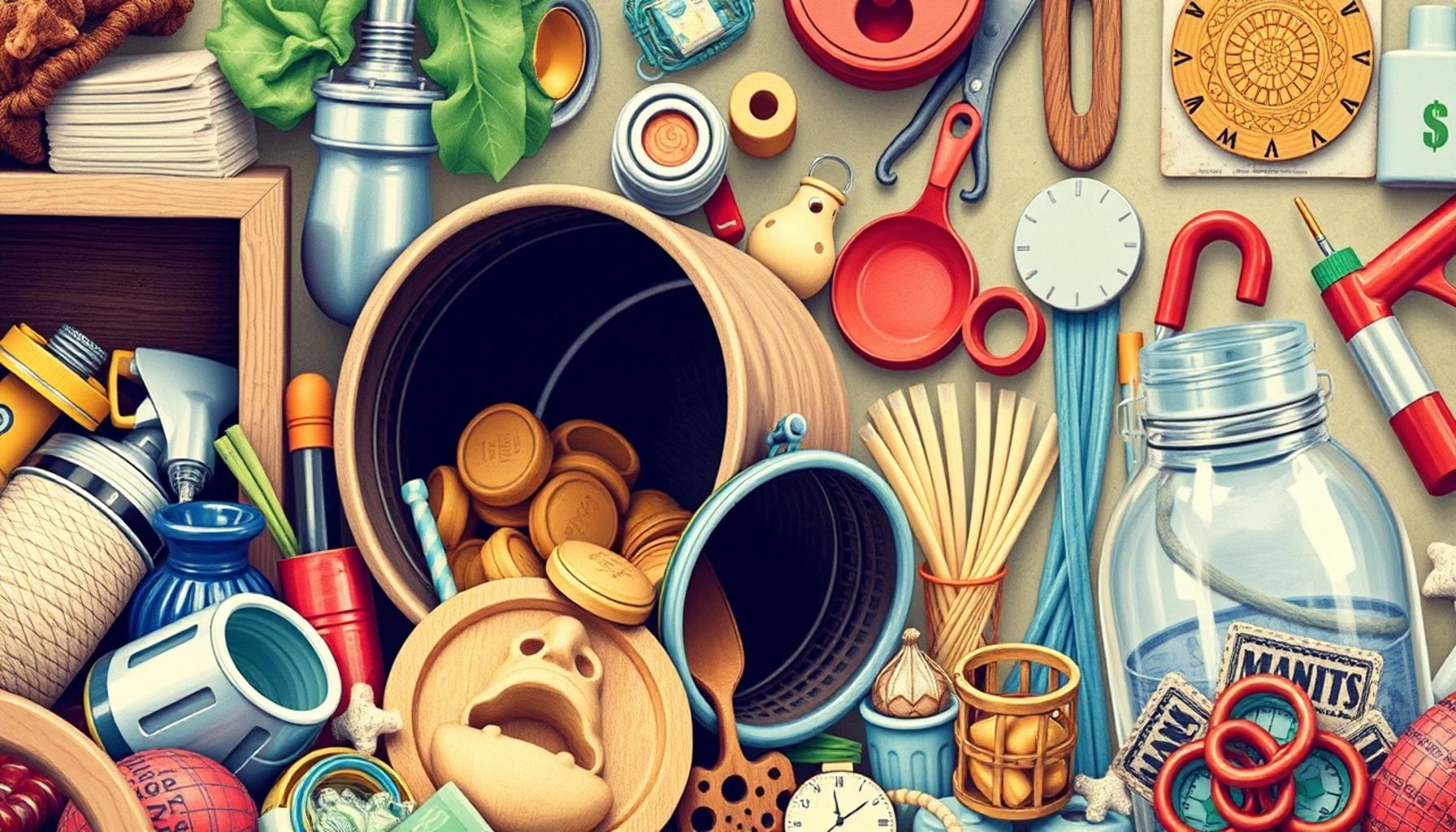
The modern landscape is evolving, with more individuals and businesses recognizing the potential embedded in waste materials. Rather than viewing discarded items as simply trash, a growing number of artists and designers are transforming these materials into distinct, practical pieces of art. This creative approach, termed upcycling, is not just a passing trend; it is a catalytic movement that is reshaping industries and influencing public consciousness around sustainability.
At its core, upcycling is the innovative process of repurposing items that may otherwise end up in a landfill. Instead of relegating these materials to waste, creators redefine their purpose and aesthetic appeal. Here are some pivotal elements defining this intriguing trend:
- Artistic Expression: The scope of artistic creativity is vast. Artists utilize materials ranging from reclaimed wood and metal to food packaging like plastic bottles and cardboard. For instance, New York-based artist Tom Deininger creates elaborate sculptures from discarded plastics, emphasizing not only the beauty in these materials but also their story.
- Sustainability: Upcycling plays a crucial role in alleviating environmental concerns by significantly reducing landfill contributions. By opting for upcycled products, consumers support a cycle of sustainability that extends far beyond individual purchases. Studies show that upcycling one ton of material can save over 10,000 pounds of carbon dioxide emissions, making a tangible difference.
- Community Engagement: The upcycling movement has sparked a wave of local workshops and initiatives across the United States. These gatherings promote skill-sharing and collaboration among community members. For example, many cities host upcycling events where participants create art from found objects, fostering a sense of community and shared responsibility towards the environment.
In the United States, upcycling extends beyond mere artistic endeavors—it’s a burgeoning movement that resonates profoundly with diverse audiences. People across the nation are devising innovative solutions for transforming waste into valuable products. Common applications include:
- Functional Home Decor: Individuals are crafting unique lighting fixtures from old glass jars or table décor from reclaimed wood, adding character to their spaces while making eco-conscious decisions.
- Wearable Art: Fashion enthusiasts are breathing new life into thrifted or outmoded clothing, custom-designing pieces that showcase personal style while promoting sustainable fashion.
- Furniture Development: There is a growing trend of upcycling pallets into stylish furniture. This not only reduces waste but also results in unique, customizable pieces that tell a story.
The advent of social media platforms has further amplified the upcycling movement, allowing artists to share their creations with a global audience. Platforms such as Instagram and Pinterest serve not just as sources of inspiration, but also foster a thriving community at the intersection of art, sustainability, and social responsibility. As audiences engage with this movement, they are led to rethink their own consumption habits and the role they play in a sustainable future.
In summary, upcycling extends beyond mere crafting; it embodies a fundamental shift in how we approach materials and waste. Through creative expression, environmental responsibility, and community involvement, this movement dares us to reconsider our relationship with the products we use and discard. By transforming recycled materials into functional art, we not only enhance our living spaces but also contribute to a more sustainable world.

The Creative Processes Behind Upcycling
As the upcycling movement gains momentum, the processes behind transforming everyday waste into compelling art forms are becoming more nuanced and sophisticated. Artists and designers are increasingly tapping into their creativity to innovate ways of redefining materials, resulting in functional pieces that inspire and educate. Each item selected for upcycling not only carries its own history but also has the potential to be reborn as something uniquely beautiful and useful.
To fully appreciate the artistry involved in upcycling, it’s crucial to understand the various methods employed in this creative transformation. From conceptualization to execution, several key approaches illustrate the diverse techniques that upcyclers utilize:
- Deconstruction: Many artists begin by dismantling items to extract their components. This process allows for the exploration of textures, colors, and forms that can be reassembled in new ways. For example, Chicago-based designer Abigail Johnson specializes in deconstructing vintage furniture to create one-of-a-kind, modern pieces, thereby preserving their historical essence while giving them a fresh lease on life.
- Repurposing: This approach involves reimagining the original function of an item. A common example is using old wine bottles as vases or candle holders. Such creations showcase both the artistic vision and practical utility that upcycled products can provide, appealing to consumers who wish to blend aesthetics with sustainable practices.
- Mixed Media Techniques: Artists often incorporate multiple materials into their designs. This can include combining textiles, wood, metal, and found objects, allowing for a rich tapestry of styles and finishes. The work of artist David Mach exemplifies this, as he constructs intricate sculptures using an eclectic mix of materials, creating vibrant focal points that provoke conversation about consumer culture and waste.
- Innovation and Technology: With advances in technology and tools, upcyclers now have more opportunities to experiment. 3D printing, for instance, allows artists to generate intricate designs from recycled plastics, blending modern techniques with sustainable practices. This intersection of technology and creativity expands the horizon of what is possible in the upcycling realm.
Moreover, the influence of local culture cannot be understated in this revolution. Upcycling often draws inspiration from the surrounding environment, leading to regionally inspired designs that resonate with local communities. For instance, coastal towns may see furniture crafted from driftwood and fishing nets, surfacing a deep connection between the artwork and the landscape that birthed it. Not only does this practice promote sustainability, but it also fosters a sense of pride and identity among local artisans.
As the upcycling revolution continues to flourish, it beckons audiences to challenge their preconceived notions of waste and design. More than just creating functional art, these artists are cultivating a new narrative around discarded materials—one that is rooted in innovation, community engagement, and environmental stewardship. By highlighting the stories behind each transformation, they invite consumers to be a part of a larger movement that prioritizes sustainability and creative expression.
| Category | Advantages |
|---|---|
| Environmental Impact | Reducing waste by giving new life to discarded materials decreases landfill use and conserves natural resources. |
| Economic Benefits | Supporting local artisans and creating jobs in the upcycling sector fosters community economies and promotes sustainability. |
The upcycling movement has gained momentum in recent years, emphasizing creativity while addressing pressing ecological issues. By reimagining what we consider waste, artists and craftsmen transform materials that would otherwise end up in landfills into stunning pieces of functional art. This revolution not only captivates the imagination with its innovative designs but also educates consumers on the importance of making environmentally conscious choices.As the demand for sustainable products rises, the upcycling movement presents a unique opportunity for individuals and businesses alike. Upcyclers face the exciting challenge of sourcing unexpected materials, such as old furniture, plastic waste, and textiles, to craft new, eye-catching creations. The result is not just art; it is a statement about consumption, waste, and the endless possibilities that lie within discarded objects.In an increasingly aware society, the fine line between functionality and artistry blurs as more people recognize the positive impact that adopting upcycling practices can have on the planet. By embracing this philosophy, we contribute to a circular economy where resource consumption is minimized, ultimately paving the way for a sustainable future. The time to engage with the upcycling revolution is now, and the potential for change has never been greater.
The Societal Impact of Upcycling
Beyond the aesthetic appeal of transformed materials, the upcycling revolution is also having profound effects on society, reshaping perceptions of consumption while promoting a sustainable future. As artists and designers actively engage with issues of waste, pollution, and the circular economy, their work serves not just as creative expressions, but also as catalysts for societal change.
The rise of upcycling has fostered a growing awareness of the environmental consequences of consumerism. The U.S. generates over 292.4 million tons of waste annually, a substantial portion of which is plastic and textile waste that ends up in landfills. By breathing new life into discarded materials, upcyclers are not only reducing waste but also encouraging consumers to consider the lifecycle of their purchases. This reflective mindset is prompting a shift in how we value products and their sustainability.
Educational initiatives are playing a key role in spreading the upcycling ethos. Workshops and community art projects are becoming increasingly common, designed to empower individuals to reimagine materials at their disposal. For instance, non-profit organizations such as Scrap in San Francisco offer programs that teach skills for repurposing materials, sparking creativity while imparting crucial lessons about responsible consumption. These community-focused endeavors engage diverse demographics, appealing to eco-conscious individuals eager to contribute to the upcycling movement.
Moreover, upcycling has entered mainstream consumer culture, with an increasing number of brands incorporating these principles into their business models. Retailers like Patagonia and Everlane are leading the charge, showcasing products made from recycled or upcycled materials. This trend not only caters to a growing base of environmentally aware consumers but also positions brands as leaders in the fight against unsustainable practices. The marketing narrative surrounding these products emphasizes a commitment to reducing waste while promoting artistry through their designs, thus changing the conversation around the fashion and home goods industries.
Social media has also catalyzed the rise of the upcycling movement, with platforms such as Instagram and Pinterest providing artists with a global stage to showcase their innovations. The hashtags #Upcycling and #CreativeRecycling attract millions of posts, each representing a unique approach to sustainable design. This visual culture is not only inspiring individuals to embark on their upcycling journey but also enabling makers to connect with like-minded communities worldwide. The digital landscape serves as an incubator for ideas, where trends in upcycling materials can quickly spread, challenging traditional notions of art and functionality.
The societal implications of upcycling extend to economic benefits as well. By fostering local artisans and independent businesses, upcycling can invigorate local economies, encouraging investment in craftsmanship and innovation. Pop-up markets, craft fairs, and galleries dedicated to upcycled art provide platforms for artists to reach new audiences, highlighting the importance of supporting local creators while celebrating sustainable practices. This economic shift reinforces the vital connection between consumer choices and community health, as purchasing upcycled art directly impacts local artisans’ livelihoods.
In essence, the upcycling revolution is not merely a design trend; it is a holistic movement that encourages individuals to rethink their relationship with materials, encourages sustainability, and nurtures community connections. Artists and consumers alike are learning to perceive waste as a rich canvas for creativity rather than a burden, collectively sowing the seeds for a more sustainable and conscious future.
Conclusion: Embracing a Sustainable Future through Upcycling
The upcycling revolution represents not only a transformative approach to art and design but also a powerful movement towards sustainable living. By reimagining discarded materials and infusing them with new life, artists and designers are challenging the norm and redefining our relationship with consumption. As we witness this cultural shift, the implications extend far beyond individual creations; they permeate our communities and ecological landscapes, urging us all to consider the impact of our choices.
The growing awareness of environmental issues tied to consumerism is a poignant reminder of the urgency needed to address waste. Engaging with upcycling practices ignites a dialogue about sustainability and encourages a conscious evaluation of the products we use daily. This movement is not simply a trend, but a recognition of our collective responsibility to innovate and preserve the planet.
As brands like Patagonia and Everlane integrate upcycling principles into their core strategies, it becomes evident that the drive for sustainability is gaining traction in mainstream society. This shift is reinforced by a thriving online community that continues to celebrate these creative endeavors, proving that art can play a vital role in instigating change.
Ultimately, the upcycling revolution invites us all to participate in a reimagined narrative surrounding waste and utility. It is not just about making functional art; it is about fostering an eco-conscious mindset, nurturing community connections, and inspiring future generations to view materials with creativity and potential. The journey to a sustainable future may start with individual choices, but its true strength lies in our unified efforts to embrace functional art as a powerful tool for positive change.