Dance as a Form of Communication: Exploring Body Expression and Emotional Connection
Dance and Its Unique Language
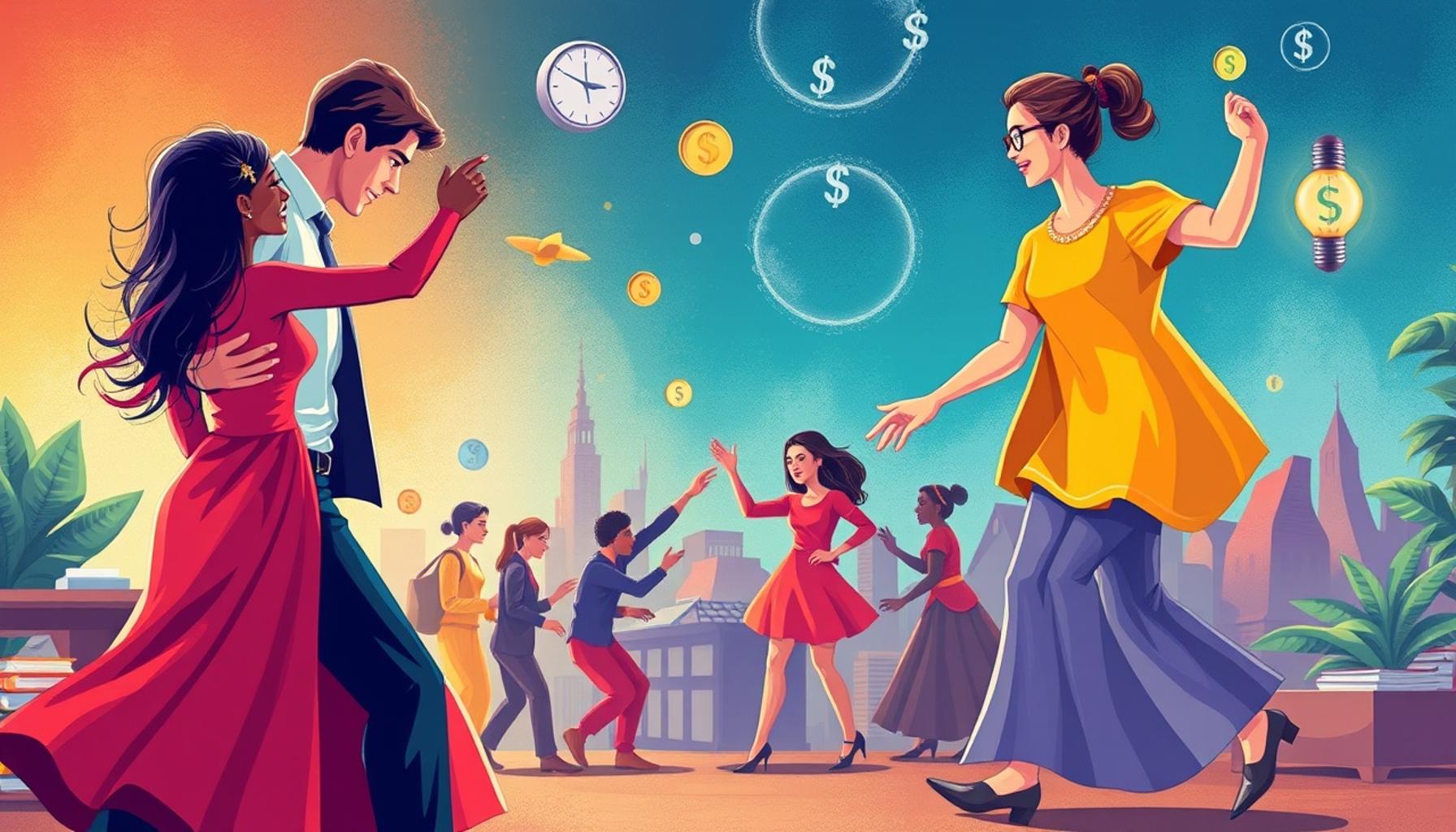
Across the world, dance transcends spoken language, conveying emotions and stories through the art of movement. This universal form of communication draws on physical expression, allowing individuals to articulate feelings and experiences that words often cannot capture. From the graceful waltzes of a ballroom to the lively rhythms of hip-hop, each dance style has its own narrative, rooted in distinctive cultural contexts.
Key Aspects of Dance Communication
- Body Movement: Each gesture and pose can signify different emotions — joy, sorrow, anger, and love. Take, for example, the fluid movements of ballet, which often embody grace and longing, in contrast to the sharp, explosive turns of contemporary dance that can express conflict or urgency.
- Cultural Expressions: Various dance styles reflect the history and traditions of communities, revealing shared values and collective identities. The traditional hula dance, indigenous to Hawaii, not only tells the stories of gods and nature but also preserves the rich heritage of the Hawaiian people through its meticulous hand movements and rhythmical foot patterns.
- Emotional Connection: Dance fosters connections between performers and audiences, creating an empathetic experience that transcends barriers. A powerful example is seen in social dance events like salsa nights, where participants share joy and passion, regardless of their backgrounds.
The significance of dance as communication can be seen in its diverse applications. Consider the following:
- Social Gatherings: From weddings to community festivals, dance often serves as a bonding experience. At events like the annual Pow Wow, Native American tribes come together to celebrate their culture through traditional dances, reinforcing community ties and identity.
- Therapeutic Practices: Dance therapy uses movement to help individuals express emotions and improve mental health. Research has shown that engaging in dance can reduce anxiety and depressive symptoms, allowing clients to reconnect with their bodies and feelings in a safe environment.
- Performance Art: Choreographed pieces convey intricate narratives, encouraging audiences to interpret emotions artistically. Companies like the Alvin Ailey American Dance Theater utilize dance to address social issues, create dialogue, and inspire change through their innovative storytelling.
As we delve into the depths of this expressive medium, we discover how dance influences emotional responses and fosters understanding. Each movement and rhythm not only tells a story but also bridges gaps across cultures and generations. Join us as we explore the profound connection between body expression and interpersonal communication through the vibrant world of dance, inviting you to witness firsthand how this timeless art form transforms lives and connects people worldwide.
Movement as a Universal Expression
Diving deeper into the language of dance, the nuances of body movement reveal the profound ways in which emotion and story intertwine. Each time a dancer performs, they convey messages not only through the choreography but also through their individual interpretation of movement. For instance, in genres like ballet, the precise lines and delicate expressions often communicate themes of beauty and longing. Conversely, styles such as breakdancing or street dance often express rebellion, showcasing the dancer’s connection to urban culture and personal struggle.
The multifaceted nature of dance means that it can speak to different emotions without uttering a single word. A dancer’s leap might evoke a sense of freedom, while a grounded stance can signify strength and stability. These movements, combined with facial expressions and the dynamics of energy, create a rich tapestry of communication that allows audiences to feel rather than just observe.
Cultural Narratives in Dance
Another essential aspect of dance as communication is its deep-rooted ties to cultural expressions. Each dance form carries with it stories and traditions specific to its origins, enriching the global tapestry of movement. For instance, the vibrant rhythms and intricate footwork of tap dancing are steeped in African American history, symbolizing resilience and creativity. Similarly, the traditional dances of Native American tribes reveal their connections to nature and spirituality, often performed during sacred ceremonies to honor ancestors and preserve cultural identity.
- Bhangra: This energetic dance hails from Punjab, India, celebrating agricultural harvests and communal joy. Its lively beats and vigorous movements reflect the exuberance of community life.
- Cumbia: A traditional Colombian dance that blends Indigenous, African, and Spanish influences, showcasing the cultural intersectionality found throughout Latin America.
- Step Dancing: Popularized by Irish immigrants in the United States, this form embodies a rich history of cultural pride and storytelling through rhythmic footwork and community gatherings.
In each of these examples, dance acts as a vessel for emotional connection and storytelling, helping performers and audiences alike to engage with cultural history on a personal level. Through movement, dancers breathe life into their heritage, imparting lessons, values, and a sense of belonging.
As we peel back the layers of this intricate art form, it becomes evident that dance functions not merely as entertainment but as a powerful conduit for communication. It can transform the way we perceive others, opening doors to empathy and understanding across diverse backgrounds. By engaging with dance, we embark on a journey that connects us to the heart and soul of humanity, fostering a shared experience that remains etched in memory long after the music fades.
| Category | Advantages |
|---|---|
| Emotional Expression | Dance allows individuals to express their feelings in a way that words often cannot. Through movement, dancers can share deep emotions, fostering a connection between the performer and the audience that is both profound and immediate. |
| Cultural Communication | Dance serves as a universal language that crosses cultural boundaries. Different forms of dance encapsulate unique narratives and traditions, promoting understanding and appreciation of diverse backgrounds while building a sense of community. |
The Psychological Impact of Dance on Connection
Understanding dance as a form of communication goes beyond cultural narratives; it delves into the psychological impact that movement can have on individuals and communities. Research has indicated that engaging in dance can facilitate emotional expression and improve mental health, demonstrating how powerful this art form can be in connecting individuals to their emotions and fostering interpersonal relationships. Dance therapy, for instance, is a recognized therapeutic practice that employs movement to help individuals process trauma, develop emotional awareness, and cultivate a deeper connection with themselves and others.
Dance encourages mind-body connection, allowing people to tune into their feelings in a way that is often more profound than verbal communication. When individuals express themselves through movement, they can explore complex emotions such as joy, sorrow, and rage without needing to articulate them verbally. This form of expression often leads to greater emotional release and understanding, creating a personal language that resonates with both the dancer and their audience.
The Role of Non-Verbal Communication
In addition to its emotional benefits, dance encompasses a rich realm of non-verbal communication. Body language and facial expressions are integral to conveying meaning and feeling. For instance, a sorrowful dance could incorporate downturned eyes, slow movements, and a closed body, whereas an upbeat performance might feature expansive gestures and bright expressions. Such contrasts highlight how subtle shifts in posture and energy can transform the audience’s emotional experience.
The significance of this non-verbal dialogue can also be seen in social dance forms such as ballroom dancing or even salsa. These styles rely heavily on partnered movement that requires understanding, trust, and connection between dancers. The dialogue created through a lead-follow dynamic exemplifies how bodies communicate, with each dancer responding to the cues of the other. Thus, the dance floor becomes a sanctuary for building connections, where the partnership solidifies through shared rhythms and synchronous movements.
Dance as Community Building
Moreover, dance plays a pivotal role in forming community bonds, acting as a catalyst for social connection. Community dance programs in urban neighborhoods or rural spaces often bring together individuals from diverse backgrounds, creating inclusive platforms that bridge divides. Festivals like National Dance Day, celebrated annually in the United States, highlight the unifying power of dance, encouraging people of all ages to connect through movement and shared experiences.
Engagement in dance fosters resilience and unity within communities, as seen in flash mobs or group performances that often spring up in public spaces. These spontaneous gatherings not only provide entertainment but also symbolize collective joy and shared identity. This sense of togetherness reinforces social ties and creates a fabric of emotional connection that vibrates through every participant and observer.
Ultimately, the exploration of dance as a profound form of communication showcases its dual role as both an intimate form of self-expression and a mode of collaborative connection. It is a rich, dynamic art form that invites ongoing discovery, resonating with universal experiences that transcend geographical and cultural boundaries.
Conclusion
In conclusion, dance as a form of communication stands as a testament to the profound ways in which the human experience can be articulated without spoken language. Through the intricate interplay of body expression and the nuanced emotional connections formed on the dance floor, we witness how this art form transcends barriers, fostering understanding and empathy among individuals and communities. The psychological benefits of dance not only aid in emotional healing but also foster an unspoken bond between dancers and their audiences, creating a shared experience that is deeply resonant.
As we explore the dimensions of non-verbal communication inherent in movement, we uncover a rich tapestry of emotions that articulate joy, pain, celebration, and connection. From social dances that invite collaboration to dance therapy that promotes personal growth, the spectrum of dance is expansive, providing myriad opportunities for connection on both individual and collective levels. Events like National Dance Day remind us of dance’s role in building community and bridging cultural divides, highlighting the unifying power of shared movement.
Ultimately, dance invites us all to engage in a dialogue of expression that enriches our social fabric. As we embrace this art form, we open ourselves to understanding the complexities of the human experience, making room for deeper connections and emotional resonance that can inspire change, foster healing, and cultivate joy. By continuing to explore the multifaceted nature of dance, we not only celebrate its beauty but also recognize its vital role in shaping our interactions and experiences in an increasingly interconnected world.