Art as a Tool for Protest: Exploring Artistic Expression in Social Movements
An Instrument of Advocacy and Change
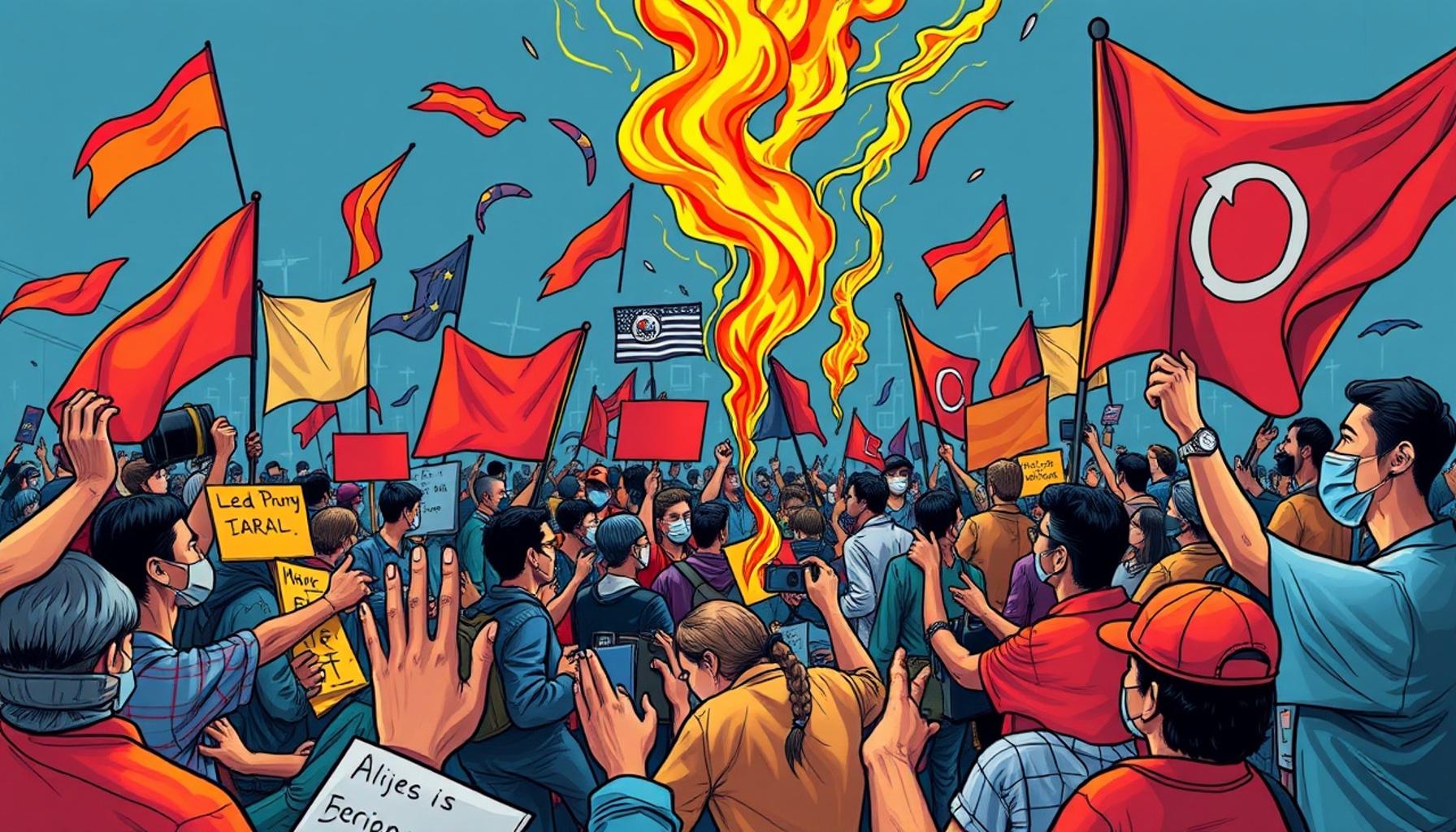
Art has long been recognized as a powerful vehicle for social and political commentary, pushing boundaries and igniting conversations that often lead to invaluable change. Historical contexts provide rich examples of how art has transcended mere aesthetics and transformed into a formidable instrument for activism. From the vibrant murals of Harlem, depicting the struggles and resilience of the African American community, to the thought-provoking installations in Los Angeles that address issues like immigration and identity, artistic expression has become an integral part of grassroots movements across the United States.
The core strength of art lies in its ability to raise awareness about pressing social issues. For instance, the global climate crisis has inspired a flurry of artistic responses, such as the powerful artwork displayed during the 2019 Climate Strike. Artists from various disciplines have joined forces to create pieces that not only reflect the urgency of climate action but also mobilize audiences to participate in the movement. Similarly, iconic pieces by artists like Kehinde Wiley and Kara Walker shine a light on racial injustice, creating a dialogue that compels viewers to confront uncomfortable truths.
Moreover, art reflects the emotions of those involved in these social movements, serving as a voice for the marginalized and voiceless. In many instances, artists draw from their personal experiences or the stories of their communities to create work that resonates on a profound emotional level. For example, the ‘We Are All America’ mural project, which emerged in the wake of anti-immigrant sentiment, showcases the personal narratives of immigrants, reminding audiences of the humanity behind the headlines.
Another critical aspect of artistic expression is its ability to connect communities. Art provides a platform for shared experiences, fostering a sense of unity among diverse groups. Community art projects, such as those found in cities like Chicago and Philadelphia, bring together individuals from various backgrounds to create public art that speaks to their collective narratives. These collaborative efforts not only beautify neighborhoods but also encourage dialogue and strengthen bonds within the community.
In the United States, the intersection of artistic expression and activism manifests in numerous forms, including:
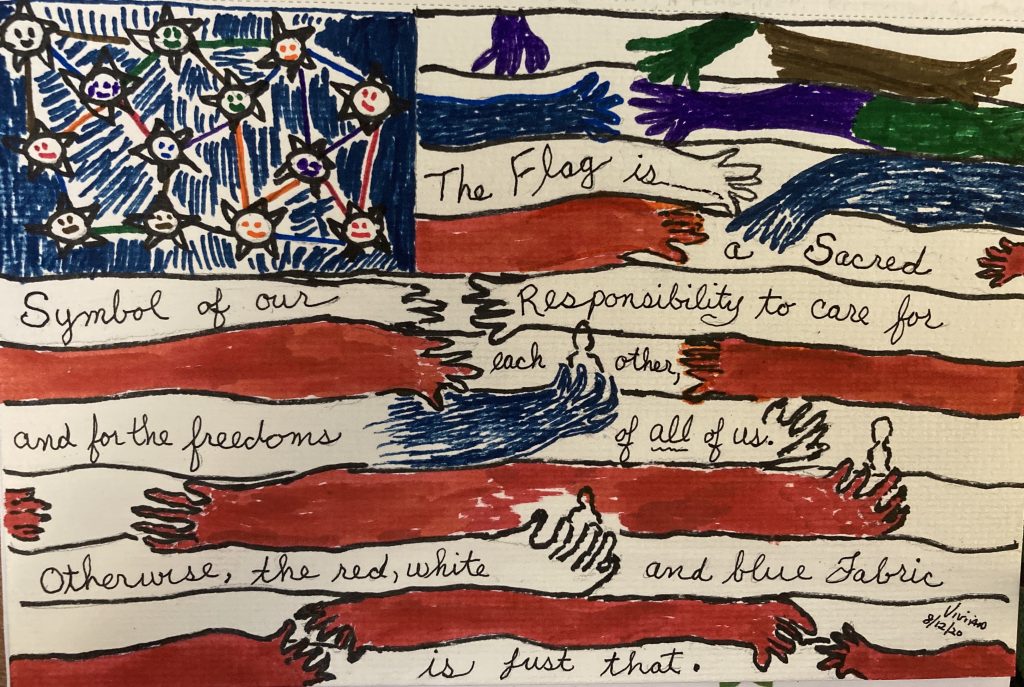
- Murals that transform urban landscapes into canvases of resistance and hope. For instance, the annual Mural Festival in Richmond, Virginia, showcases local and national artists who use their creativity to raise awareness about social issues.
- Performance art that challenges societal norms and provokes thought, such as the work of artists like Ana Mendieta, who used her performances to explore themes of identity and feminism.
- Digital campaigns that harness the power of social media to amplify critical messages. Hashtags like #BlackLivesMatter and #MeToo have not only raised awareness but also rallied support on a global scale, demonstrating the power of art in the digital age.
This examination of artistic expression as a tool for protest invites readers to explore the complexities of creativity in the fight for justice. Through various mediums, artists continue to challenge the status quo, inspire hope, and provoke critical thought in our ever-evolving societal landscape. By engaging with these artistic movements, individuals can discover their role in advocating for change, underscoring the notion that creativity can indeed fuel progress.
Artistic Interventions: Channels for Resistance
As society grapples with complex social issues, art emerges as a multifaceted tool that galvanizes communities and amplifies marginalized voices. The historical significance of artistic protest is evident through iconic movements, each marked by distinct forms of creative expression. The counterculture of the 1960s, for example, introduced vibrant music, poetry, and visual art that openly criticized the Vietnam War and championed civil rights. This trend continues today, proving that art remains a vital component in contemporary social movements.
One of the most compelling aspects of art in protest is its capacity to challenge narratives and reshape public discourse. For instance, the recent “Fearless Girl” statue, installed across from Wall Street’s iconic Charging Bull, visually challenged traditional gender roles in finance and business. The artwork served as a rallying point for gender equality, inviting conversations around women’s underrepresentation in leadership positions. Similarly, in 2020, street artists nationwide transformed vacant storefronts into powerful messages supporting the Black Lives Matter movement, using slogans and imagery that highlighted systemic racism and police brutality.
Art also offers a powerful means of storytelling that fosters empathy and understanding. The use of personal narratives in artistic practices has proven effective in breaking down barriers and humanizing social issues. Projects like “the AIDS Memorial Quilt,” which honors the lives lost to HIV/AIDS, allow participants to share their grief and stories in a way that resonates deeply with the public. This poignant visual language not only memorializes lives but also educates the masses, encouraging a more compassionate and informed society.
Moreover, the role of art in social movements is often intrinsically linked to elements of community engagement. Collective art initiatives, such as those seen in the “Art Builds Community” project in Chicago, invite localized participation and ownership in the creative process. These collaborative endeavors transform public spaces into vibrant hubs of expression, connecting individuals from varying backgrounds and experiences. When residents contribute their perspectives to art, it strengthens social cohesion and fosters pride in their neighborhoods, all while addressing critical local issues.
Artistic expression in social movements can manifest in various impactful ways, including:
- Street Art: Graffiti and murals that boldly convey political messages, like Banksy’s satirical artworks, which critique consumerism and authority.
- Photography: Capturing human experiences and injustices, exemplified by documentary photographers who illuminate the struggles of disenfranchised communities.
- Literature: Poems and essays that articulate the emotional weight of activism, such as the work of spoken word artists who bring personal stories to a wider audience.
As we continue to explore the intersection of artistic expression and activism, it becomes clear that artists serve not only as commentators but also as catalysts for change. Their work engages audiences, ignites passions, and encourages action—urging society to reflect on its values while envisioning a transformative future. Engaging with this creative landscape allows individuals to find resonance with their own experiences, motivating them to partake in the ongoing fight for justice and equity.
Art has long played a pivotal role in social movements, acting as a catalyst for change and a powerful mode of communication. The dynamic interactions between art and activism reveal how creative expression can resonate with collective sentiments, often serving as an urgent call to action. Across various platforms, artists utilize visual mediums, music, and performance to illuminate societal issues and inspire solidarity among diverse communities.One of the most striking examples of art as a tool for protest is the use of murals and street art in urban environments. These vibrant displays not only beautify neglected spaces but also convey profound messages about injustice and resilience. For instance, the muralist Keith Haring’s works in the 1980s brought attention to the HIV/AIDS crisis, transforming public spaces into sites of political dialogue. Such pieces challenge passersby to engage with critical contemporary issues, prompting reflection and igniting conversations about change.Furthermore, performance art has emerged as a potent medium of protest, often employing emotional narratives to connect deeply with audiences. The work of artists like Marina Abramović, who challenged social norms through her immersive performances, highlights the potential of the body as a canvas for political statements. These performances can evoke strong emotional responses that encourage viewers to reassess their perspectives and take action, making them invaluable to social movements seeking to mobilize support and provoke thought.Additionally, numerous social movements have adopted digital platforms to amplify their messages through art. The rise of social media has transformed how art is disseminated, allowing artists to reach a global audience instantaneously. Hashtags such as #ArtForChange or #ProtestArt encourage the sharing of artistic works that critique systems of power and advocate for human rights. The immediacy of digital art can galvanize movements in real-time, rallying support and spreading awareness on platforms like Instagram and Twitter.These forms of artistic activism demonstrate that art is not merely decorative; it is a language of resistance that can traverse linguistic and cultural barriers. By harnessing the emotive power of art, activists can create a shared sense of identity and purpose, drawing support for their causes while inspiring new generations to engage in the ongoing fight for justice. Ultimately, as social movements evolve, the partnership between art and activism will continue to flourish, proving that creativity remains at the heart of societal transformation.
Art in the Digital Age: A New Frontier for Activism
In an increasingly interconnected world, the role of digital art as a tool for protest has become profoundly significant. Social media platforms provide artists and activists with unprecedented access to a global audience, transforming the landscape of artistic expression in social movements. The digital realm allows for the rapid dissemination of visual content, facilitating the quick spread of messages that resonate with urgent social issues. Hashtags like #MeToo and #BlackLivesMatter have not only sparked conversations but have also birthed a new genre of digital activism that leverages art to mobilize support.
Digital art, ranging from graphic design to virtual reality experiences, empowers individuals to share diverse perspectives in accessible formats. For instance, artists like Shepard Fairey gained widespread recognition through his iconic “Hope” poster for Barack Obama, demonstrating how visual art can encapsulate a moment in history and encapsulate the aspirations of a movement. More recently, the viral success of the “Burning Man” art installations and digital renderings during the pandemic showcased how creativity could adapt and thrive, providing a virtual platform for community engagement amidst social distancing.
Another striking example of the power of digital art is the impact of meme culture. Memes have become a modern form of expression—simple yet effective in communicating complex ideas and emotions. They can turn serious social debates into relatable content, provoking thought and encouraging activism in a non-traditional yet potent manner. Artists are now crafting memes that relate to pressing issues, making them palatable and shareable while retaining a powerful political message. This phenomenon illustrates how art has adapted to contemporary modes of communication, further entrenching its role in social movements.
The use of performance art also continues to evolve, embracing new technologies to reach wider audiences. Artists such as Marina Abramović have pioneered interactive performances that invite audiences to engage physically and emotionally, challenging them to reflect on societal norms. Similarly, during significant protests or social movements, performers use public spaces as stages to enact pieces that can provoke conversations and inspire action. This blurring of boundaries between artist and audience highlights how performance art fosters a participatory approach, making protest a collective experience.
Moreover, collaborative art projects have emerged in response to current social struggles. Initiatives like “The People’s Climate March” have harnessed the creativity of various artists to create large-scale installations that convey a powerful message about climate justice and environmental responsibility. These projects often involve partnerships between artists, activists, and community members, thereby creating a shared sense of ownership and urgency around critical issues.
The contemporary landscape of artistic expression in social movements is also being shaped by various cultural influences. In the United States, movements led by Indigenous communities have redefined traditional protest art by integrating indigenous symbolism and storytelling into contemporary formats. The use of art by Native American activists illustrates an intersection of cultural heritage and modern activism, showcasing a commitment to honoring ancestral traditions while advocating for current rights and recognition.
Overall, the fusion of art and activism continues to adapt and evolve, spurred by technological advancements and the pressing need for social change. By exploring these new artistic mediums and collaborations, we gain a clearer understanding of how art functions as a vital tool for protest, bridging gaps between communities and amplifying critical conversations around justice and equality. As we witness these developments, it becomes evident that the canvas for protest is ever-expanding, embracing the diverse and complex narratives that shape our society.
Conclusion: The Enduring Power of Artistic Expression in Activism
As we have explored, art as a tool for protest has a profound capacity to galvanize communities and drive social change. This intersection of creativity and activism serves as a potent reminder of the transformative power of artistic expression across various mediums, from traditional forms to digital innovations. In today’s rapidly evolving landscape, artists harness new technologies to share their visions, reaching wider audiences and facilitating conversations around critical issues such as racial injustice, climate change, and gender equality.
By embracing the digital age, artists find unique ways to engage and mobilize movements, as seen in the viral impact of memes and social media campaigns. Furthermore, collaborative projects exemplify how art can foster a collective spirit, empowering individuals to become stewards of their communities while preserving cultural narratives that resonate with their struggles. The fluidity of performance art continues to break down barriers between creator and observer, transforming public spaces into forums for dialogue and reflection.
Ultimately, the ongoing evolution of protest art signals a dynamic discourse that is essential for fostering social justice and equity. As artists push boundaries and redefine norms, they not only amplify voices silenced by systemic inequalities but also invite us to engage critically with our shared humanity. Through the lens of artistic expression, we are reminded that the fight for justice is not solely a political endeavor but a deeply human one, taking shape in the myriad stories and experiences woven into the fabric of our society. Thus, the journey of art in protest continues, urging us all to reflect, engage, and act in the pursuit of a more equitable world.