Menu

Tales of Life: Biography as a Source of Inspiration for Literary Creation

This article explores how biographies inspire literary creation, highlighting how authors transform personal experiences into compelling narratives. By intertwining life stories with fiction, writers like Mark Twain and James Baldwin create authentic connections with readers, enriching literature with themes of identity, resilience, and social reflection.

Writing with Purpose: The Impact of Literature on Cultural and Social Understanding

Literature plays a crucial role in enhancing cultural and social understanding by exploring identity, addressing social justice, and facilitating cultural exchange. Through compelling narratives, it fosters empathy, provokes critical thought, and drives social change, making it an essential tool for meaningful discourse in our diverse society.

The Role of Imagination in Creating Literary Worlds: Techniques to Expand Creativity

Imagination is crucial for crafting captivating literary worlds, enabling writers to develop intricate plots, relatable characters, and vivid settings. By employing techniques like free writing, genre blending, and character interviews, authors can enhance their creativity and storytelling ability, leading to more engaging narratives that resonate with readers.

The importance of art as a form of resistance and social activism

Art plays a crucial role in resistance and social activism, empowering marginalized voices and inspiring change. Throughout history, artistic expression has challenged oppression, addressed contemporary issues, and mobilized communities. In the digital age, art's reach expands, fostering critical dialogue and collective action for justice and equality.

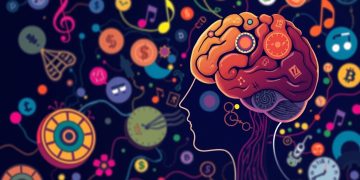
The Impact of Musical Exploration on Cognitive Function: Unlocking New Pathways for Creativity

Musical exploration enhances cognitive function by improving memory, creativity, and social skills. Engaging with music fosters neuroplasticity, emotional intelligence, and resilience, unlocking new pathways for creative thinking. Integrating music into education and community programs can lead to personal growth and stronger social connections, enriching individual and collective experiences.

Embracing Silence: The Importance of Pauses in Musical Exploration and Creativity

Silence plays a pivotal role in musical exploration and creativity, enhancing emotional depth and fostering reflection. Strategic pauses create tension, allowing deeper audience engagement and inspiring innovative artistic expression. Embracing silence not only enriches music but also encourages mindfulness, collaboration, and personal growth across various creative disciplines.

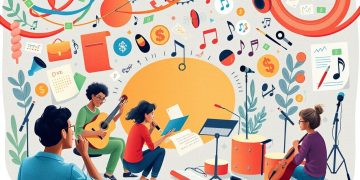
Collaborative Soundscapes: The Benefits of Group Music-Making in Community Building

Collaborative music-making fosters community building by enhancing social connections, improving mental health, and promoting inclusivity. These shared musical experiences empower individuals, nurture creativity, and bridge cultural gaps, ultimately creating resilient communities that thrive on collective expression and harmony. Engaging in group music activities enriches both individuals and society.

The Influence of Music Education on Creative Expression: Cultivating Skills Through Exploration

Music education significantly enhances creative expression and personal development by fostering cognitive skills, emotional intelligence, and social collaboration. Through diverse musical exploration, students develop critical thinking, resilience, and cultural awareness, preparing them to navigate life's challenges while promoting innovation and empathy in their interactions.

The influence of art on mental health: how artistic expression can promote well-being

Artistic expression significantly influences mental health, offering healing and self-discovery through various forms, including visual arts, music, and theater. These creative outlets foster emotional resilience, enhance social connections, and provide therapeutic benefits, making art an essential catalyst for well-being and personal growth in individuals and communities.

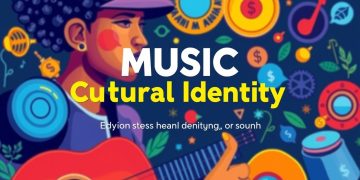
The Role of Music in Cultural Identity: Exploring Personal Heritage Through Sound

Music serves as a vital connector to cultural identity, enhancing personal heritage through shared narratives, rituals, and emotional experiences. By reflecting historical struggles and contemporary voices, music enriches our understanding of identity and fosters community bonds, making it an essential aspect of cultural expression and exploration.