Collaborative Soundscapes: The Benefits of Group Music-Making in Community Building
The Role of Collaborative Music-Making in Community Dynamics
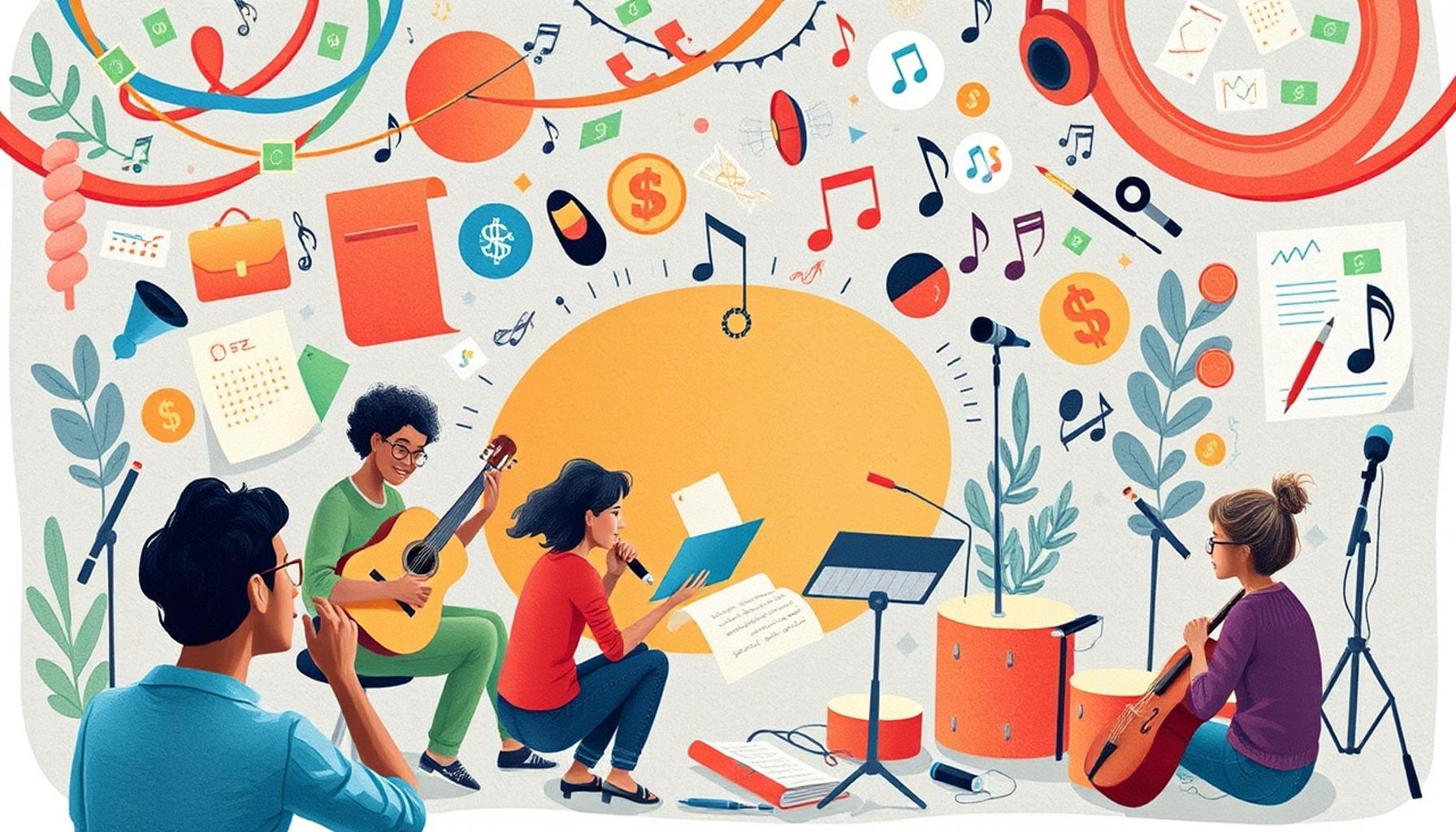
In today’s fast-paced world, the power of music has resurfaced as a catalyst for community engagement and cohesion. The emergence of collaborative music-making practices offers an enriching avenue through which individuals can connect on deeper levels. These shared musical experiences foster not just teamwork, but a sense of belonging and mutual respect. In light of this, it is crucial to explore the multifaceted benefits of engaging in group music activities.
Strengthened Relationships: One of the most profound impacts of collaborative music-making is the ability to forge and deepen relationships. Research has shown that when individuals participate in musical groups—whether through community choirs, drum circles, or local bands—they engage in a shared endeavor that requires trust and cooperation. Take, for example, the vibrant community orchestras that pop up in towns across the United States, where members from diverse backgrounds come together not just to create music but to build friendships that often extend beyond rehearsals. Such environments foster a sense of camaraderie that can be hard to cultivate in traditional social settings.
Enhanced Communication: Music acts as a universal language that transcends cultural and linguistic barriers. Participants in group music settings often find themselves expressing thoughts and emotions that might be difficult to articulate verbally. Programs like “Music & Memory,” which bring music-based initiatives into elder care facilities, illustrate how music can evoke memories and emotions, enhancing interactions between caregivers and patients. In many instances, a shared song can unite people in ways straightforward conversations cannot.
Boosted Creativity: Collaborative music-making is also a breeding ground for creativity. When musicians come together, they often inspire one another to explore new musical ideas and approaches. For instance, the growing trend of community songwriting workshops encourages individuals to contribute their unique stories and experiences to compose original pieces. This collaborative creative process not only leads to innovative works of art but also fosters a sense of ownership and pride among participants.
Improved Mental Health: Engaging in music-making can significantly enhance mental wellness. Numerous studies indicate that group music activities can alleviate symptoms of anxiety and depression. For instance, community drum circles often serve as therapeutic spaces, where individuals can express emotions and release stress rhythmically. These environments cultivate a feeling of acceptance and support, which is vital in promoting emotional well-being.
As communities across the United States increasingly embrace the practice of group music-making, it becomes essential to examine how these collaborative soundscapes foster inclusivity and resilience. By coming together with their distinct perspectives, individuals can work towards shared objectives and dreams. This communal creativity enriches both personal growth and the overall tapestry of the community.
As we delve deeper into the significance of music in community building, one cannot help but ponder: how might these collaborative initiatives reshape our societal landscapes? Exploring the transformative power of music reveals a multitude of possibilities for fostering connections and driving communal development. Join us in this exploration of how music not only resonates with the soul but also harmonizes communities.
Transformative Effects of Shared Musical Experiences
Collaborative music-making serves as a bridge connecting individuals with distinct backgrounds, experiences, and stories. This union gives rise to a communal environment that is both enriching and transformative. The beauty of engaging in group music activities – be it a community band, choir, or impromptu jam session – lies in the multitude of benefits it brings to both individuals and the community at large.
Fostering Inclusivity: Group music-making creates an inclusive atmosphere where people from all walks of life can participate, regardless of their musical ability. Many community initiatives prioritize accessibility, offering instruments and services that cater to diverse populations. For instance, in programs that target underserved neighborhoods, participants often find that music serves as a powerful equalizer, breaking down social barriers and allowing for connections that might otherwise remain elusive. The sense of camaraderie that emerges helps cultivate a broader understanding among residents while strengthening the overall fabric of the community.
Building Resilience: Participating in group music-making can also foster resilience. Individuals facing personal challenges may find strength in the supportive network of fellow musicians. Group practices encourage members to lean on each other for support during both the highs and lows of their creative journey. The process of overcoming hurdles as a team—be it learning new pieces or preparing for performances—helps develop not just musical skills but also life skills that bolster emotional resilience. Research has demonstrated that collective experiences, especially those involving creativity, contribute positively to the overall wellbeing of community members.
Creating a Sense of Purpose: Engaging in collaborative music activities imbues participants with a sense of purpose. Whether as part of a local choir preparing for a community event or a band rehearsing for a charity performance, these groups provide individuals with defined goals and shared objectives. This shared commitment fosters a strong sense of teamwork and belonging, as participants become invested in both the artistic product and their fellow musicians. When community members come together for a unified cause, such as fundraising or social activism, the impact extends beyond the initial musical creation; it galvanizes collective action and fosters a deeper sense of responsibility toward one another and the community.
- Enhanced social bonds: Increased togetherness with fellow participants helps forge lasting friendships.
- Greater cultural appreciation: Exposure to various musical genres enriches participants’ understanding of different cultures and traditions.
- Improved civic engagement: Collaborative music acts as a springboard for greater participation in other communal activities.
As organizations and communities across the United States harness the power of group music-making, they unlock potential that promotes not just artistic expression but also cohesive community dynamics. This burgeoning movement highlights the significance of music as more than mere entertainment; it serves as a vital instrument for promoting wellbeing, understanding, and unity among diverse groups.
Exploring the Impact of Group Music-Making
Group music-making serves as a powerful tool for enhancing community connections. When individuals gather to create, share, and enjoy music together, they inherently build bonds that go beyond mere collaboration. This form of collective artistry fosters an atmosphere of trust and shared purpose, essential elements for a thriving community. Furthermore, participatory music events break down barriers, allowing people from diverse backgrounds to unite over a common passion. This shared experience can lead to increased feelings of belonging, essential for mental and emotional well-being.
Strengthening Social Skills
Engaging in collaborative soundscapes nurtures vital social skills. Participants learn to communicate and listen effectively, which are fundamental components of interpersonal relationships. Group music activities often require individuals to negotiate and make decisions together, enhancing teamwork skills that can be valuable in various life situations. The act of creating something together—be it a song or a rhythmic pattern—demonstrates the power of collaboration and instills a sense of accomplishment that can be deeply rewarding.
Enhancing Cultural Exchange
Music is a universal language that transcends cultural boundaries. Group music-making creates opportunities for cultural exchange, where individuals can share their unique musical traditions. This exchange enriches the community’s cultural fabric, promoting diversity and understanding among members. Participating in a group setting can inspire creativity and innovation, as individuals blend different styles and influences, leading to fresh compositions and unique expressions.
Table of Advantages
| Category | Advantages |
|---|---|
| Connection | Strengthens community ties and fosters relationships. |
| Creativity | Encourages innovation through blending diverse musical styles. |
As communities engage in music-making together, the potential for growth and connection expands, paving the way for a stronger, more cohesive social environment.
Empowering Individual Voices within a Collective
In the realm of group music-making, the individual voice does not get drowned out; instead, it finds a harmonious space within the collective. Each participant brings their unique sound, which not only enriches the musical tapestry but also boosts self-esteem and self-expression. This aspect is especially essential for marginalized groups, where music becomes an avenue for articulating stories that may otherwise remain unheard.
Personal Growth: Engaging in collaborative music initiatives has been empirically linked to personal development. A study by the University of California, Berkeley, revealed that individuals who participate in musical ensembles report increases in confidence, as they navigate new roles and responsibilities within their groups. Each member has the opportunity to shine, contributing ideas and executing parts that showcase their strengths. This process nurtures a sense of accountability and a stronger belief in one’s abilities. Participants often leave rehearsals not just as better musicians but as more confident individuals ready to tackle challenges in their everyday lives.
Cultural Exchange: Music serves as a universal language, transcending cultural and societal divides. Community music groups frequently incorporate a variety of musical styles and genres – from folk to jazz to hip-hop – enabling participants to explore and appreciate different cultural heritages. Programs such as the “Music Bridge” initiative in San Francisco unite musicians from diverse backgrounds to collaborate on songs that reflect their unique experiences. This exposure fosters mutual respect and understanding, breaking down stereotypes and enriching the community with varied perspectives.
Access to Resources: Community music-making brings resources directly to participants, enhancing overall engagement. Organizations often provide access to instruments, rehearsal spaces, and professional instructors, democratizing opportunities for musical involvement. For example, programs initiated by institutions like the VH1 Save The Music Foundation equip schools and community centers across the United States with musical instruments and training so children and adults can participate without the barrier of cost. This inclusion helps create a thriving musical ecosystem where creativity flourishes, ultimately benefiting the entire community.
- Strengthening Interpersonal Skills: Collaborative music-making promotes communication and teamwork skills that translate into other areas of life.
- Encouraging Mental Wellbeing: Studies show that music participation can reduce stress, anxiety, and depressive symptoms in community members.
- Catalyzing Local Economies: Active music communities often spark related economic benefits, such as increased foot traffic in local businesses during community events.
The engagement of various stakeholders has seen a surge in the United States. As local arts organizations and community leaders acknowledge the transformative power of collaborative soundscapes, they increasingly prioritize funding for group music initiatives. This not only reaffirms the importance of music as a form of cultural expression but also solidifies its role in the intricate web of community building.
Bridging Communities Through the Power of Music
As we journey through the realm of collaborative soundscapes, it’s evident that group music-making serves as a profound catalyst for community building. Beyond the mere act of creating melodies, these musical gatherings forge deep connections among individuals, fostering an atmosphere of inclusivity. Through the lens of personal growth and cultural exchange, participants discover a newfound sense of belonging and appreciation for diversity.
Furthermore, by democratizing access to musical resources, communities empower their members, allowing budding musicians to explore their talents without financial or social barriers. The positive ripple effects of this empowerment are clear: enhanced mental wellbeing, strengthened interpersonal skills, and revitalized local economies emerge from the harmony. As data points suggest, regions that invest in community music-making initiatives witness not only artistic flourishing but also profound social cohesion.
The compelling evidence presented by organizations, studies, and individual testimonies underscores the essential role of collaboration in music. In today’s fragmented society, embracing the collective power of sound offers a way to bridge divides and create resilient communities. As we continue to invest in these creative platforms, let us amplify the voices of all, crafting a future where every note played resonates with unity and understanding. Engaging in collaborative music-making is not merely a pastime; it is a vital step toward cultivating a vibrant, harmonious society.