Culinary Arts: Exploring the Intersection of Gastronomy and Design
Exploration of Culinary Arts and Aesthetics
The world of culinary arts extends far beyond the realm of taste, embracing an intricate relationship with the aesthetic aspects of design. This fusion creates an immersive experience that captivates all the senses, inviting diners to journey through a masterpiece that tantalizes the palate and pleases the eye. As chefs increasingly adopt the role of artists, the presentation of food evolves into a form of expression, where every dish becomes a canvas showcasing creativity and innovation.
One of the most notable facets of this artistic evolution is the use of plating techniques. Methods such as the ‘splash’ technique—where sauces or purees are splattered artistically across the plate—ignite visual intrigue. Similarly, the deconstruction approach breaks down traditional elements into separate components, allowing diners to experience flavors in uniquely textured ways. For instance, a classic deconstructed cheesecake might present the cream cheese filling, graham cracker crumble, and fruit topping separately, inviting guests to mix and match their bites, enhancing both aesthetics and flavor engagement.
Moving deeper into the intersection of culinary arts and design, we encounter culinary architecture. This thrilling aspect involves creating edible structures that are as visually impressive as they are delicious. A striking example can be found in the realm of towering desserts like croquembouche—a French dessert comprising cream puffs piled into a cone and bound with caramel. These towering creations challenge conventional dining by not only engaging taste buds but also pushing the boundaries of what food can be in terms of visual impact.
Moreover, an understanding of color theory plays a pivotal role in how dishes are perceived. Well-composed color combinations can evoke emotions and enhance taste perception. For instance, vibrant dishes that incorporate complementary colors such as bright red tomatoes against a bed of vibrant green basil not only look appealing but also trigger positive emotional responses in diners. In contemporary dining experiences, especially in the United States, chefs are increasingly aware of how their creations appear on social media platforms like Instagram, where striking visual appeal can be as significant as flavor in attracting diners.
The growing trend of Instagrammable dishes emphasizes this importance. In America, restaurants are keenly aware that a visually stunning plate can lead to widespread sharing on social media, amplifying their visibility and prestige. Diners are now adventure-seekers, eager to capture and share their aesthetic cuisine encounters, driving the culinary landscape toward ever more innovative presentations.
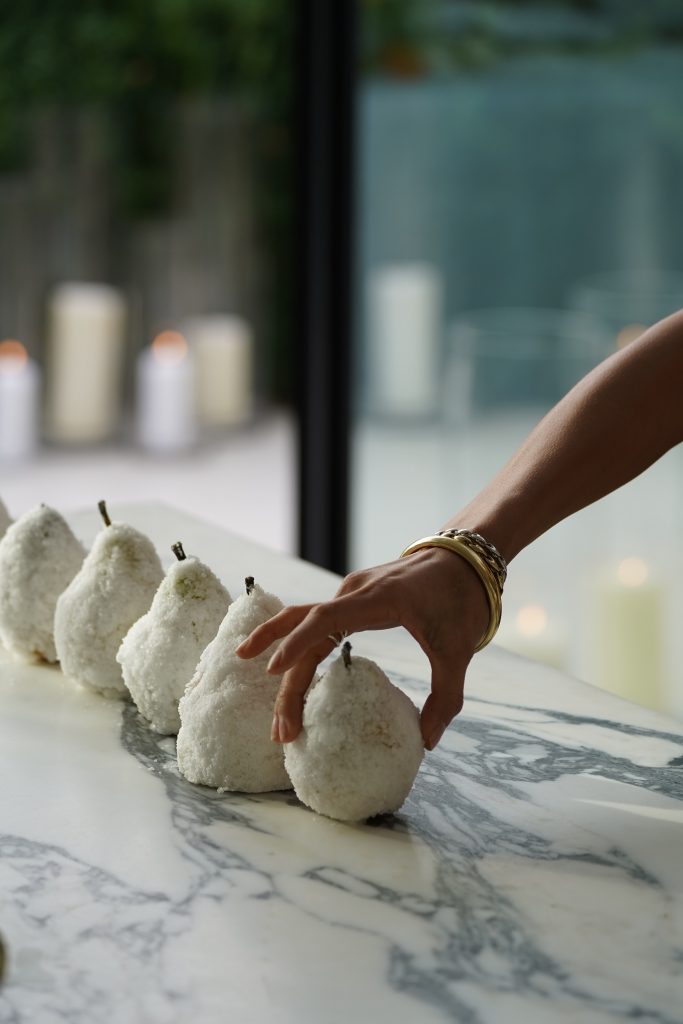
This article encourages readers to delve into the ways design influences food and the intricate artistic journey that unfolds in kitchens across the nation. As the culinary arts continue to evolve, one thing remains clear: the beauty of food is as vital as its flavor, setting the stage for an exciting future where gastronomy and artistry exist in perfect harmony.
The Art of Presentation: A Delicate Balance
In the realm of culinary arts, food presentation plays a critical role that stretches beyond mere aesthetics. The visual appeal of a dish can significantly influence diners’ perceptions and experiences. When food is presented with care and thought, it often leads to heightened anticipation and enjoyment. Several factors contribute to this enchanting aspect of gastronomy and design.
- Texture: The use of varied textures creates depth in a dish, inviting diners to engage with their foods on multiple levels. Crispy, creamy, and chewy elements can coexist, enhancing both the visual appeal and the overall tasting pleasure.
- Composition: Arranging components in a way that draws the eye can transform the dining experience. Chefs frequently apply principles of design theory, such as the rule of thirds, to create balance and harmony on the plate.
- Garnishing: This practice not only adds visual pizzazz but can also provide an added layer of flavor or aroma. Fresh herbs, edible flowers, or colorful sauces can elevate a dish from ordinary to extraordinary.
The impact of plating design can be seen across various American dining establishments. Upscale restaurants often take plate presentation to levels resembling fine art, where the dish is carefully orchestrated to evoke emotion and engage the viewer. For instance, a seasonal squash soup may be served in a minimalist white bowl, artfully swirled with a drizzle of truffle oil, garnished with microgreens for a pop of color. Such meticulous attention to detail transforms a simple soup into a delicately crafted experience.
But the intersection of gastronomy and design extends beyond just plating techniques. It encompasses the broader dining environment as well—everything from table settings to restaurant interiors—all contribute to how the culinary arts are perceived. The ambiance of a restaurant can encapsulate the essence of a chef’s vision, enhancing the flavors of the meal through ambiance, lighting, and decor. Establishments such as themed restaurants or those that focus on farm-to-table experiences often use decor elements that echo their culinary ethos, further knitting together the fabric of gastronomy and design.
Another emerging trend in the United States is the incorporation of experience-driven dining, where the overall sensory experience plays a central role. Diners are not just eating; they are being transported to another world. Conceptual restaurants offer multi-course meals that tell a story, where each dish is paired with a theme, soundscapes, or even culinary performances. In these settings, design elements are meticulously crafted to align with the gastronomical narrative, ensuring a cohesive, immersive experience.
As diners seek more than just a meal, the fusion of culinary artistry and design continues to redefine the dining landscape. This intricate relationship reminds us that each dish served goes beyond flavor; it is a thoughtful creation that embodies the passions and visions of its creator. Exploring the intersection of gastronomy and design not only enhances our appreciation for food but also opens up new avenues for creativity within the culinary arts.
Culinary Arts: Exploring the Intersection of Gastronomy and Design
As we delve deeper into the intriguing domain where gastronomy and design converge, it becomes evident that the visual aspect of food plays a pivotal role in enhancing our culinary experiences. A beautifully designed dish not only tantalizes the taste buds but also enhances the overall dining atmosphere. The incorporation of aesthetic principles in plating techniques, choice of materials, and even the arrangement of the restaurant space reflects the thoughtful dialogue between culinary expertise and artistic expression.
Culinary artists are increasingly embracing modern design concepts to communicate stories through their dishes. This is where themes like color, shapes, and textures come into play, elevating food from mere sustenance to a form of art. The sensory experience extends beyond flavor; it incorporates fragrance, temperature, and visual appeal, drawing diners into an immersive experience that captivates all senses. Notably, chefs are becoming designers as they orchestrate their menus and environments to forge a deeper connection with their audience. This innovative fusion invites a deeper appreciation of craftsmanship, where each plate reflects not just taste but also a narrative about culture and innovation.
| Category | Advantages |
|---|---|
| Visual Appeal | Aesthetic presentation draws attention, enhancing the dining experience. |
| Culinary Innovation | Encourages chefs to explore new techniques and ingredients, pushing culinary boundaries. |
This exploration of culinary arts demonstrates how design not only influences what we eat but also how we perceive and enjoy food. As we journey further into this inventive field, we uncover the endless possibilities in gastronomy and design intersections, where creativity knows no bounds. The fusion of these two disciplines is not merely about food; it’s about crafting unforgettable experiences that transcend the traditional dining world. Each dish serves as a reminder that culinary art is a dynamic expression of culture, creativity, and passion.
Innovative Culinary Techniques: Blending Old and New
The intersection of culinary arts and design not only influences the aesthetic aspects of dining but also drives innovation in cooking techniques and ingredient use. Modern chefs are continuously pushing the boundaries of what is possible in the kitchen, merging traditional methods with contemporary technology. This culinary revolution has given birth to a myriad of fascinating techniques that enchant diners and transform the dining experience.
- Molecular Gastronomy: This avant-garde culinary movement uses scientific principles to modify food at a molecular level. Chefs experiment with spherification, foaming, and gelification to create unexpected textures and flavors. For example, a classic drink might be reimagined into a cocktail sphere that bursts with flavor upon contact with the palate. Such innovations exemplify the creative possibilities that occur when science and artistry converge.
- Fermentation and Preservation: Drawing from ancient culinary traditions, many modern chefs emphasize the art of fermentation, not only for its health benefits but also for the depth of flavor it brings. This approach is often encapsulated in a restaurant’s design, where ornate jars filled with vibrantly colored kimchis or pickles might serve as both décor and a testament to the chef’s commitment to craft. This design element invites diners to explore a spectrum of taste that honors culinary history while offering a modern twist.
- Farm-to-Table Philosophy: As diners increasingly seek transparency and sustainability, the farm-to-table movement has reshaped restaurant design. Many establishments now feature open kitchens where chefs and diners can have a shared experience. This transparency fosters a connection between the food’s origin and the dining experience, reinforcing the notion that culinary arts and design should work harmoniously to celebrate local farmers and artisanal producers.
Another increasingly popular trend within the U.S. restaurant scene is the alignment of culinary themes with visual design narratives. Many restaurants curate a specific style that reflects cultural heritage or artistic movements. For instance, an Italian trattoria may adorn its walls with vintage Italian posters and include rustic wooden accents to evoke a sense of the countryside, while the menu features dishes that boast traditional recipes with a modern flair. This crucial alignment of culinary and design aesthetics creates an immersive experience that resonates deeply with patrons.
The role of technology is also revolutionizing the culinary landscape, leading to new forms of presentation and design. Augmented reality (AR) is making its way into dining, allowing restaurants to enhance the guest experience through visual storytelling. Imagine receiving a dessert that, when viewed through a smartphone or a tablet, animates and tells the story of its ingredients. These interactive elements not only engage diners but also create a memorable experience that sustains long after the last bite.
Moreover, social media’s growing influence cannot be overlooked. Platforms such as Instagram and TikTok have created a culture obsessed with visually striking dishes, prompting chefs to focus on creating “Instagrammable” meals. This trend further emphasizes the significance of design in the culinary arts, making the presentation of food as essential as the flavors themselves. As a result, chefs must now consider how each dish will not only taste but also appear through the lens of a camera, showcasing the blending of gastronomy with visual design at unprecedented levels.
As culinary arts continue to evolve, the fusion of innovative techniques and thoughtful design expands the boundaries of culinary expression. This ever-changing relationship captivates our senses and challenges our perceptions of what dining can be, inviting both chefs and diners to embark on a delightful journey through taste and aesthetics.
Conclusion: A Harmonious Blend of Flavor and Aesthetics
In summary, the world of culinary arts is undergoing a transformative journey where gastronomy and design intertwine to create extraordinary dining experiences. As chefs embrace innovative techniques fueled by scientific inquiry and a respect for tradition, they are redefining what it means to savor a meal. The rise of movements such as molecular gastronomy and farm-to-table philosophy exemplifies this shift, showcasing how cooking can become a multi-sensory adventure that delights taste buds while captivating the eyes.
The architectural elements of a restaurant, from décor to layout, play an equally vital role in this culinary narrative. Establishments that thoughtfully curate their environment invite diners to immerse themselves in cultural stories and experience the artistry of food presentation. The growing influence of technology, especially through platforms like Instagram and TikTok, challenges chefs to continually innovate, underscoring the importance of creating visually stunning dishes that are as appealing to the camera as they are to the palate.
As we move forward, it is clear that the convergence of gastronomy and design is not merely a trend but rather a cultural evolution that invites us to explore the rich tapestry of flavors, textures, and visual narratives. This intersection empowers both chefs and diners to engage in a creative dialogue that celebrates the beauty of food and its intricate presentation. To truly appreciate the culinary landscape, it is essential to understand that every meal is an opportunity for artistic expression—one that tells a story and evokes a connection that extends beyond the dinner plate.