Digital Craftsmanship: The New Frontier of Creativity with Graphic Design Tools and Laser Cutters

The Transformative Power of Digital Craftsmanship
In an age of innovation where technology shapes our creative pursuits, digital craftsmanship emerges as a revolutionary force. This new landscape invites artists and designers to blend their skills with advanced tools, transforming traditional methods into new and exciting possibilities. The combination of technology with artistry not only enhances what can be created but also expands access to various forms of expression.
The New Tools of Creation
Imagine a world where creativity knows no bounds. With the advent of graphic design tools and laser cutters, individuals can realize their artistic visions with unparalleled precision and efficiency. For instance, software like Adobe Illustrator and Canva allows users to create stunning visual content whether they are designing a logo for a start-up or crafting a social media marketing campaign. Simultaneously, laser cutters enable the fabrication of intricate patterns on materials ranging from wood to acrylic and even metal, combining both function and aesthetics in ways that were once reserved for professionals.
- Create intricate designs with unmatched precision, allowing hobbyists and professionals alike to work on projects that previously required skilled artisans.
- Bring concepts to life with minimal investment and time, as the cost of producing prototypes has plummeted, making it feasible for anyone to experiment with new ideas.
- Explore a plethora of materials, broadening the scope of artistic work where traditional methods may have been limited to a single medium.
The Democratization of Artistry
As these technologies become more accessible, they are democratizing artistry. Across the United States, enthusiasts are using digital craftsmanship tools to craft everything from personalized gifts to architectural models. Markets such as Etsy have seen significant growth driven by independent creators who leverage these tools, highlighting how digital craftsmanship fosters a culture of entrepreneurship. This surge in creativity has led to niche markets and local businesses flourishing, particularly in urban centers like New York City and Los Angeles where innovation is part of the culture.
The Role of Traditional Artists
This intersection of art and technology also raises important questions: How does this shift affect the role of traditional artists? Artists who relied solely on traditional techniques may need to adapt by learning how to integrate technology into their practices. For example, painters could enhance their artwork with digital illustrations or utilize digital printing techniques to reproduce their designs. What skills should aspiring designers develop to thrive in this evolving industry? Understanding software tools, 3D modeling, and digital fabrication techniques will be essential for anyone looking to succeed in this burgeoning field.
Embarking on Your Creative Journey
Dive deeper into the world of digital craftsmanship and discover how to harness these tools for your own creative journey. This frontier is not just about creating; it’s about redefining what it means to be a creator in our digital age. Whether you’re a seasoned artist or a curious beginner, the possibilities are boundless. By embracing these advancements, you can become part of a dynamic community that is continually pushing the limits of imagination and capability.
Unleashing Creativity through Modern Tools
The integration of graphic design tools and laser cutters is revolutionizing the creative process, allowing individuals to push the boundaries of traditional artistry. These modern tools empower users to explore endless design possibilities previously restricted by skill, materials, or access. Graphic design software, such as Adobe Creative Suite and Affinity Designer, provides an intuitive platform for artists to create graphics, illustrations, and layouts that convey their ideas with striking detail and clarity. With built-in features that streamline the design workflow, these tools enable creators to focus more on ingenuity while reducing the time spent on technical aspects.
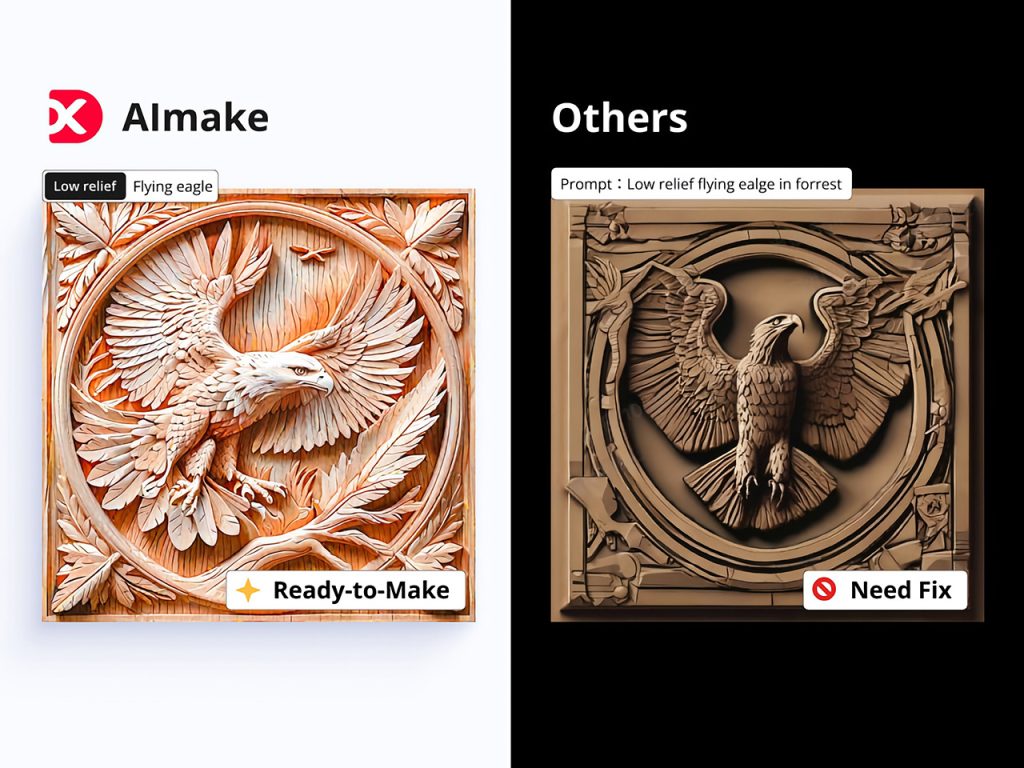
Simultaneously, laser cutting technology has made it possible for creators to transform digital designs into tangible products with extraordinary precision. These machines work by using focused laser beams to slice or engrave materials, resulting in intricate designs and custom pieces. The versatility of laser cutters means that artists can work with a multitude of materials—from wood and acrylic to fabric and metal—each lending a different aesthetic to their creations. This multiplicity encourages experimentation, allowing creators to quickly test and iterate on ideas, thereby enhancing their creative output.
The Expanding Toolkit for Creatives
The benefits of adopting these new technologies are profound. Here are a few key reasons why artists and entrepreneurs are embracing digital craftsmanship:
- Enhanced Creativity: Digital tools lessen the limitations typical of traditional mediums. Artists can manipulate their designs with ease, explore new techniques, and even animate their work without needing extensive drawing skills.
- Rapid Prototyping: The combination of graphic design and laser cutting allows for swift production of prototypes or small-batch products. This is particularly beneficial for entrepreneurs testing new product ideas in the market.
- Cost-Efficiency: With reduced overhead costs, affordable materials, and accessible design software, more creators can engage in professional-quality work without the financial barrier previously faced.
- Collaboration Opportunities: As artists share their digital designs online, collaborative projects can emerge, blending different styles and techniques to create unique works that reflect a diverse spectrum of ideas.
Additionally, the community surrounding digital craftsmanship is actively fostering a culture of learning and sharing. Makerspaces and workshops across the United States have sprung up, offering access to advanced tools and technology for those eager to learn. These community-centric spaces often provide educational resources, meetups, and collaborations, leading to an enriched understanding of both digital design and fabrication processes. The result is a fertile environment for aspiring digital craftsmen and craftswomen to hone their skills and realize their creative ambitions.
Defining A New Creative Economy
As digital craftsmanship becomes more mainstream, it is redefining the economic landscape for artists. The rise of e-commerce platforms allows creators to market their products globally, paving the way for a new creative economy. Independent creators can earn a sustainable income through sales of their digitally crafted goods, leading to a diversification of artistic careers. Notably, this shift generates opportunities for individuals from various backgrounds, enabling a broader representation in the creative fields that were previously dominated by a select few.
| Advantages | Impact on Creativity |
|---|---|
| Accessibility | With user-friendly graphic design tools, almost anyone can create stunning visuals. |
| Customization | Laser cutters enable precise, tailor-made designs that amplify the personal touch in creative projects. |
| Innovation | Emerging technologies foster unique design ideas that push creative boundaries. |
| Efficiency | Streamlined workflows allow designers to focus on creativity rather than logistics. |
The new age of digital craftsmanship marries graphic design tools with state-of-the-art laser cutting technology, transforming the creative landscape. Individuals and organizations alike are discovering newfound freedom in crafting personalized, intricate designs, employing tools that were once exclusive to professionals. Whether you’re an artist, an entrepreneur, or a hobbyist, the ease of access to these tools fosters an environment ripe for creativity. In particular, the integration of laser cutters into creative processes not only augments traditional design methods but also offers a layer of precision that craftspeople adore. The ambition behind every project scales greater heights as designers utilize powerful software alongside reliable cutting technology. This seamless combination opens pathways for innovation, allowing creators to manifest ideas that challenge the status quo.As we delve deeper into this digital frontier, it becomes clear that the ability to customize each project enhances the personal connection between the creator and their work while driving forward the potential for collaboration across diverse mediums. Craftsmanship elevated by technology is reshaping how we view creativity altogether, challenging traditional definitions and inspiring a new generation of creators. Such tools are not just enablers; they are powerful allies in the ever-evolving journey of creative expression.
The Evolution of Design Education
The democratization of graphic design tools and laser cutters has significantly transformed not just the processes involved in creating art but also the way individuals are educated in these fields. Traditional design education often required formal schooling and access to expensive resources; however, digital craftsmanship is empowering self-taught artists to flourish. Online courses, tutorials, and forums have made it easier for anyone to learn the fundamentals of graphic design and the intricacies of operating laser cutting machines. Platforms like Skillshare, Udemy, and YouTube have become go-to resources for aspiring creatives, further popularizing this form of digital craftsmanship.
As the tools become more user-friendly, educators are adapting their curricula to include digital craftsmanship elements, recognizing its relevance in today’s design landscape. Institutions across the United States are integrating hands-on experiences with laser cutting technologies, allowing students to translate their digital designs into physical prototypes effectively. This blend of theory and practical application equips students with the necessary skills to thrive in the competitive creative industry.
Customization and Personalization: A New Era for Products
The marriage of graphic design and laser cutting paves the way for a growing trend in customization. Unlike mass production, digital craftsmanship excels in creating personalized products, appealing to consumers’ desires for uniqueness and individuality. For instance, laser-cut jewelry and custom-designed home decor items are gaining popularity, thanks to the ability of artisans to offer bespoke solutions that reflect personal tastes and preferences. This shift not only enhances the consumer experience but also supports small businesses in differentiating themselves in an increasingly saturated market.
Moreover, this wave of personalization extends beyond individual products to cover broader applications, such as corporate branding and event planning. Businesses are harnessing the capabilities of graphic design and laser cutting to create personalized merchandise and promotional materials that align with their brand identities. Examples include intricate logos and custom signage that resonate with target audiences, ultimately enhancing brand recognition and loyalty.
The Impact of Sustainable Practices
An integral part of the discourse surrounding digital craftsmanship is sustainability. With growing concerns about the environmental impact of traditional manufacturing processes, artisans are utilizing laser cutters to minimize waste and promote eco-friendliness. By using materials like recycled wood, sustainable fabrics, and biodegradable plastics, creators can produce items that appeal to environmentally-conscious consumers while reducing their carbon footprint. The precision of laser cutting further contributes to sustainability by ensuring that materials are used efficiently, resulting in fewer scraps and off-cuts.
Local artisans and small enterprises are leading the charge in this sustainable movement, as they often prioritize quality and locality over mass production. This shift toward eco-friendly practices, supported by advanced technology, reinforces the idea that art can coexist harmoniously with nature, opening avenues for innovative designs that cater to a more responsible consumer base.
As a result, the embrace of digital craftsmanship signals a broader cultural change, where creativity is celebrated and accessible to more individuals than ever before, leading to enriched artistic communities and sustainable practices.
Conclusion
In conclusion, the rise of digital craftsmanship marks a significant evolution in the landscape of creativity, empowered by accessible graphic design tools and advanced laser cutters. This convergence not only democratizes design practices but also enables a new generation of artists and entrepreneurs to innovate boldly and sustainably. With the wealth of online resources and educational platforms, self-taught creators are no longer bound by traditional constraints, fostering an environment where creativity thrives at every level.
The potential for customization and personalization brought forth by digital craftsmanship caters to the increasing consumer desire for unique products. As artisans harness these technologies, they embark on a journey to create bespoke items that resonate with personal identities, redefining consumer experiences while promoting small businesses. Coupled with the push for sustainability, the integration of laser cutting techniques allows for less wasteful production, inviting a more environmentally-conscious approach to design.
As we move forward, the fusion of technology and creativity will continue to shape the future of artistry, leading to a vibrant community of makers committed to innovation and autonomy. Whether you’re an aspiring designer or a seasoned professional, embracing the tools of digital craftsmanship opens the door to limitless possibilities. The horizon of creativity is expanding, and it beckons individuals to explore, experiment, and express their unique visions in ways that resonate deeply with both themselves and the world around them.