Discovering New Sounds: The Importance of Musical Experimentation in Artistic Projects
The Transformative Power of Musical Experimentation
Music remains one of the most potent forms of artistic expression, capable of evoking profound emotions and creating lasting connections with listeners. Within this rich tapestry, musical experimentation plays a pivotal role, acting as a driving force that encourages artists to transcend traditional boundaries and delve into unexplored realms of sound. This dynamic endeavor breaks free from conventional practices, allowing for an expansive approach that encompasses several dimensions.
- Incorporating unconventional instruments: Artists are increasingly using instruments that stray from the norm. For example, the use of a theremin or even everyday objects like kitchen utensils can create unexpected auditory experiences. This approach not only diversifies the sonic palette but also sparks curiosity among audiences.
- Blending diverse genres: The fusion of varying musical styles has led to the birth of entirely new genres. Take the genre of “trap,” which amalgamates elements of hip-hop and electronic dance music. This genre showcases how contrasting styles can come together to produce a fresh sound that resonates with a wide array of listeners.
- Using technology in novel ways: Today’s advancements in technology have opened doors to a world of sounds that were previously unimaginable. Artists like Billie Eilish, who records her tracks in her home studio, exemplify how digital tools can transform the production process. She incorporates ambient sounds and vocal manipulation to create her signature eerie yet beautiful soundscapes.
Consider the groundbreaking work of Beck, known for his eclectic fusion of folk, rock, and electronic music. His ability to seamlessly merge these diverse genres exemplifies how experimentation can lead to innovative and timeless music that captivates audiences. Beck’s albums often incorporate a myriad of sounds, showcasing his adventurous spirit and creative prowess.
Moreover, sound artists who utilize field recordings provide a captivating way to connect listeners with their surroundings. By capturing the sounds of urban life, nature, or everyday activities, these artists create an immersive listening experience that challenges conventional notions of music and sound.
Importantly, the wave of musical experimentation isn’t limited to established names; emerging musicians are also finding their voices through innovation. Many young artists are exploring unique combinations of sounds and styles, defining their distinct identities in the expansive music landscape of today. This trend reflects a generation that embraces creativity and seeks to challenge the status quo.
As we delve deeper into the fascinating world of musical experimentation, it becomes evident that embracing new sounds is not merely an artistic choice, but a transformative act that can redefine an artist’s journey and impact the broader musical landscape. The significance of this exploration lies in its capacity to inspire other creatives and evoke new emotions in listeners, forever altering the way we experience sound.
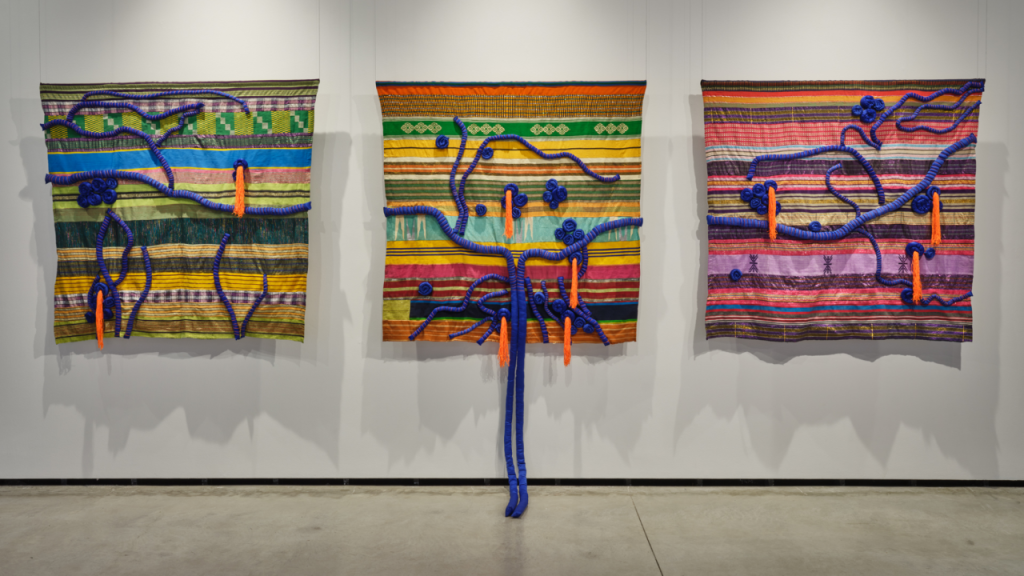
Exploring the Depths of Sound
At the core of musical experimentation lies a fearless quest for discovery. This pursuit significantly enriches artistic projects, allowing musicians to not only express their emotions but also to forge unique connections with their audience. As artists venture into uncharted territories of sound, they are offered a platform to redefine their creative identities and contribute fresh perspectives to the music industry.
One of the most profound ways artists are innovating is through collaboration with other musicians, often spanning continents and genres. When performing together, artists exchange ideas and introduce each other to atypical methods and styles, igniting creativity that may not have surfaced otherwise. For instance, the collaboration between David Byrne and St. Vincent in their album “Love This Giant” combined their distinct musical backgrounds, resulting in a vibrant fusion that captivated listeners and showcased the potential of artistic collaboration.
- Challenging traditional forms: Artists are progressively questioning the hierarchy of established music structures, experimenting with non-linear songwriting techniques that break the flow of traditional verse-chorus patterns. This approach often leads to a more immersive listening experience, as seen in the works of Radiohead, whose experimental albums redefine the conventions of popular music.
- Employing sound art: The integration of sound art into musical projects reflects the fluidity between auditory experiences and traditional music. Artists like Laurie Anderson and Philip Glass merge elements of performance art and audio composition, forcing audiences to engage with sound differently and sparking deeper thoughts about what constitutes music.
- Incorporating cultural influences: Emerging artists are fueled by the desire to bridge cultural divides. Through their music, they are showcasing stories and sounds from their heritages, creating a rich dialogue that resonates with diverse audiences. Musicians, such as Hozier and Nguyễn Hưng Cường, exemplify this trend by infusing their roots into contemporary sounds, crafting a narrative that honors their backgrounds while appealing to a global audience.
The immersion of null sound principles, like silence and noise, also showcases the innovative spirit of musical experimentation. One of the most notable figures in this area is John Cage, whose iconic piece “4’33″” challenges artists and audiences alike to reconsider the notion of sound in a performance. By presenting silence as music, Cage has paved the way for artists to challenge their own perceptions and encourage broader discussions about the boundaries of music.
In the United States, artists are increasingly embracing this culture of experimentation, resulting in a dynamic and ever-evolving musical landscape. The music scene is rife with talent that dares to explore the unconventional, creating a rich matrix of sounds that continues to captivate listeners. As audiences engage with these fresh perspectives, they are not merely passive observers but active participants in a transformative experience.
Ultimately, the importance of musical experimentation transcends the realm of creativity; it serves as a catalyst for cultural dialogue and personal reflection. By pushing the boundaries of sound, artists are opening pathways for deeper emotional connections and broadening our collective understanding of music.
| Advantage | Description |
|---|---|
| Creative Freedom | Musical experimentation allows artists to break free from conventional boundaries, enabling unique soundscapes. |
| Enhanced Innovation | Exploring new techniques and instruments fosters fresh ideas, resulting in innovative artistic projects that captivate audiences. |
The realm of music serves as a canvas where artists can paint their thoughts and emotions using sound. Creative freedom is one of the most significant advantages of musical experimentation. By stepping outside traditional genres and exploring unconventional sounds, artists can create original compositions that resonate on deeper levels. For instance, incorporating elements from different cultures or utilizing technology offers an expansive palette for expression.Moreover, this experimentation often leads to enhanced innovation. When artists challenge themselves by merging various styles or trying out new instruments, they can discover fresh ideas that push their projects beyond the ordinary. This exploration not only keeps their work engaging but also invites audiences to experience music in transformative ways, changing their perceptions of what constitutes artistic expression. Such experiences spark conversation and encourage listeners to delve further into the diverse world of music.
Expanding Musical Horizons Through Technology
As we dive deeper into the realm of musical experimentation, it becomes evident that technological advancements play a pivotal role in shaping how artists explore and create new sounds. The advent of digital audio workstations (DAWs) and sophisticated music software has democratized music production, making it accessible to a broader range of creators. Musicians can now manipulate sounds in ways that were once confined to professional studios, allowing for a new wave of innovation.
Moreover, technology empowers artists to experiment with synthesis and sound manipulation. The rise of synthesizers, samplers, and audio effects has led to a resurgence in genres like electronic, ambient, and experimental music. For example, artists like Grimes leverage these tools to create rich, multi-layered soundscapes that challenge traditional musical forms, promoting auditory exploration. By blending organic sounds with electronically-generated tones, creators are breaking away from the constraints of conventional instruments and broadening the auditory palette.
- Sonic layering: Artists utilize techniques such as looping and sampling to layer different sounds over one another. This method allows musicians to create intricate audio tapestries that captivate listeners. The works of artists like Brian Eno, who pioneered ambient music, illustrate how layering can transform a simple tune into an immersive auditory experience.
- Field recordings: Many contemporary artists are incorporating field recordings—capturing sounds from everyday environments—into their music. This experimentation offers a tangible connection to the world around us and enhances the emotional response of listeners. For instance, Bon Iver‘s use of nature sounds within their compositions invites listeners to engage with the music on a personal level, marrying the organic with the creative.
- Virtual reality and augmented reality: A new frontier in musical experimentation is emerging with the integration of virtual reality (VR) and augmented reality (AR). Artists can create immersive environments where listeners can experience music spatially and interactively. Projects like AR-based concerts allow fans to connect with music in innovative ways, making the listening experience more profound.
The incorporation of cross-genre experimentation is also reshaping the music landscape. Artists are discarding the notion of genre specificity and instead of adopting an eclectic approach that transcends traditional boundaries. Musicians such as Kendrick Lamar blend hip-hop with jazz and rock elements, showcasing the fluidity of modern music. This trend not only enriches the artists’ portfolios but also broadens the musical tastes of their audiences, encouraging them to explore unfamiliar genres.
In recent years, we have witnessed a burgeoning interest in DIY music production, which speaks to the necessity of personal expression in the digital age. Artists are crafting their own paths, often producing and releasing music outside of traditional industry frameworks. This shift not only promotes artistic independence but also fosters a culture where experimentation is not merely encouraged but celebrated. Platforms like Bandcamp and SoundCloud enable artists to share their experimental works with the world, breaking down barriers and creating a community that thrives on exploration and innovation.
Throughout the United States, artists are increasingly embracing the ethos of experimentation, resulting in a rich musical landscape full of diverse sounds and influences. From avant-garde jazz to experimental rock, these pioneering artists are reimagining what music can be, continually pushing the envelope and inviting listeners to embark on a sonic journey filled with discovery.
Conclusion: The Dawn of a New Sonic Era
As we reflect on the evolution of musical experimentation, it becomes clear that this dynamic approach serves as a cornerstone for artistic expression and innovation. The fusion of technology and creativity is propelling artists to explore uncharted territories of sound, enabling them to challenge conventional norms and engage audiences in ways previously unimaginable.
From the utilization of sophisticated software and instruments that allow for unique sound manipulation to the exciting intersection of genres, musicians are entering a new era that values creativity beyond boundaries. Artists like Grimes and Kendrick Lamar exemplify how pushing these artistic limits can not only transform their own work but also inspire listeners to embrace diverse sounds and ideas.
The rise of DIY production platforms is fostering a community where artistic independence thrives, encouraging more creators to share their voices with the world. This democratization of music offers countless opportunities for undiscovered talent and experimental projects to flourish, ultimately enriching the musical tapestry of diverse cultures, especially in a country as diverse as the United States.
As listeners, engaging with this wave of inventive sounds invites us to expand our listening habits and challenge our preconceptions about music. The beauty of musical experimentation lies in its ability to evoke emotion, provoke thought, and inspire change, making it vital for the continual evolution of artistic projects. For anyone eager to immerse themselves in the ever-changing world of sound, the call to explore is louder than ever—encouraging us all to discover and celebrate the limitless possibilities of music.