Exploring Upcycling Techniques in Innovative Crafting Art
The Art of Upcycling: Creative Transformation
The trend of upcycling is taking the crafting community by storm, as individuals seek innovative ways to repurpose items that would otherwise end up in landfills. With a sharp focus on sustainability, upcycling goes beyond recycling by encouraging a creative approach to waste materials, thereby fostering an environment where creativity knows no bounds.
Environmental Impact: Upcycling plays a pivotal role in waste reduction. By creatively repurposing materials, artists and crafters help mitigate the extensive problem of waste disposal, contributing to a circular economy. For instance, according to the Environmental Protection Agency, approximately 292.4 million tons of trash were generated in 2018 in the United States alone. By embracing upcycling, each individual can significantly decrease their carbon footprint, conserve valuable natural resources, and reduce pollution. Projects can range from restoring wooden pallets into unique furniture pieces to turning plastic bottles into eco-friendly plant pots.
Cost Efficiency: The financial benefits of upcycling cannot be overlooked. It enables artisans to craft beautiful items without incurring the expense associated with purchasing new materials. Thrift stores, garage sales, and even your own home can be treasure troves for upcyclable items. For example, an old picture frame can be refurbished with fresh paint and transformed into a stylish message board, while mismatched china can be arranged into a beautiful mosaic table surface. This budget-friendly crafting alternative not only saves money but also sparks ingenuity.
Unique Creations: One of the most enticing aspects of upcycling is the uniqueness of each creation. Every piece tells a story and reflects the personality of its creator. Consider artists who take discarded skateboards and fashion them into striking wall art or functional furniture. These items are not mass-produced, giving them an air of individuality that is hard to replicate with conventional materials.
In recent years, the upcycling movement has gained substantial momentum in the United States, evidenced by the proliferation of workshops and local markets. Many communities now host events that celebrate and educate residents about sustainable crafting practices. Artisans and weekend crafters are coming together to share their expertise, thereby fostering both creativity and a deeper connection to the environment. For instance, local art fairs might feature booths dedicated exclusively to upcycling, enabling artists to showcase their work and connect with like-minded individuals.
As you contemplate new ways to incorporate upcycling into your life, consider exploring resources like online tutorials or community workshops. Organizations dedicated to sustainability often provide ideas and detailed guides on transforming everyday objects into practical or artistic items. By engaging in upcycling, you not only unleash your creativity but also contribute to a broader movement of environmental responsibility.
Dive deeper into the vibrant world of upcycling techniques and discover a myriad of ways to express your artistic side while making a positive environmental impact. The possibilities are nearly limitless, and each project can inspire others to approach waste with a renewed perspective.
Creative Techniques for Upcycling: Turning Trash into Treasure
As the upcycling movement gains traction among artists and crafters across the United States, innovative techniques are emerging that allow creators to breathe new life into discarded materials. Upcycling is not merely about reusing what we have; it involves a vibrant transformation where creativity intersects with sustainability. Let’s explore some of the most popular and effective upcycling techniques that can inspire anyone to embark on their own crafting journey.
1. Fabric Upcycling
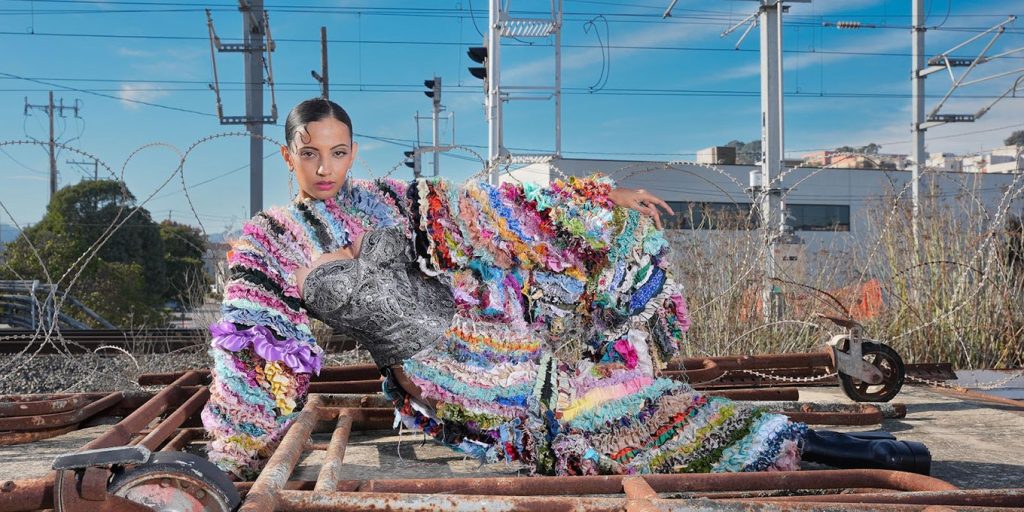
Fabric upcycling has become a favorite among sewing enthusiasts and fashion designers looking to reinvigorate old textiles. By turning outdated clothing, linens, or fabric remnants into new garments and accessories, artisans can create stunning pieces while minimizing textile waste. Here are some common methods:
- Patching: Combine pieces of fabric to create unique patchwork designs on bags or jackets.
- Reconstruction: Adjust existing garments, such as converting an old dress into a stylish top.
- Quilting: Utilize scraps to piece together inspiring quilts that showcase various fabric prints and textures.
This technique not only inspires creativity but also allows for customization that reflects personal style.
2. Furniture Makeovers
Old furniture can often be transformed into fabulous statement pieces with a little creativity and skill. Crafters across the country are revamping chairs, tables, and cabinets to rejuvenate their living spaces while making a sustainable choice. Common techniques in furniture upcycling include:
- Painting: A fresh coat of paint can instantly modernize outdated furniture, making it a focal point in any room.
- Decoupage: Using decorative paper or fabric to embellish surfaces adds personality and flair.
- Reupholstering: Snazzy new fabric can turn an old armchair into a showstopper.
The ability to personalize and customize furniture pieces contributes significantly to the appeal of this upcycling method.
3. Functional Art
Upcycling also opens the door to creating functional art, where everyday objects are transformed into vibrant, usable items. This technique is popular among crafters seeking to add a touch of whimsy or artistry to their homes. Some functional art ideas include:
- Wind chimes: Use metal scraps, shells, or bottles for imaginative wind instruments.
- Planters: Convert old teacups, containers, or shoes into quirky plant holders.
- Light fixtures: Repurpose items such as jars or bottle caps into unique lighting solutions.
This approach brings not only beauty but also practicality to the items crafted, marrying aesthetics with function seamlessly.
Through these creative techniques, upcycling elevates simple waste into cherished art forms that foster environmental consciousness. By juggling creativity with sustainability, crafters of all backgrounds contribute significantly to the movement. Whether you are a seasoned artist or a curious beginner, the world of upcycling presents endless possibilities waiting to be explored. With each project, you inspire others to reconsider the potential of items they might have once deemed worthless.
Exploring Upcycling Techniques in Innovative Crafting Art
As the world becomes more environmentally conscious, upcycling techniques in crafting are gaining immense popularity. Upcycling not only prevents waste but also gives a second life to discarded materials, transforming them into unique works of art. Artists and crafters employ innovative methods to convert everyday items into something functional and beautiful, showcasing the elegance of sustainability.
One intriguing aspect of upcycling is the variety of materials that can be repurposed. Common items such as glass bottles, old furniture, and fabric scraps can be transformed into stunning decor pieces, fashion items, or practical household goods. For instance, glass bottles can be turned into stylish lamps and old wooden pallets may become chic coffee tables. This flexibility encourages creativity and resourcefulness, allowing crafters to imagine endless possibilities.
Crafters who engage in upcycling not only express their creativity but actively contribute to sustainable practices. By utilizing materials that would otherwise end up in landfills, they help reduce waste and lessen the environmental impact of manufacturing new products. Furthermore, upcycled items often carry a story — a unique history that adds depth and character to the final piece.
| Advantages | Description |
|---|---|
| Cost-Effective | Upcycling often requires minimal investment as it utilizes readily available materials. |
| Creative Expression | Provides a platform for crafters to showcase their individuality and artistic flair. |
Ultimately, exploring upcycling techniques not only fosters creativity but also promotes a culture of sustainability in the arts. Learning these techniques can inspire more individuals to embrace responsible crafting and find joy in transforming the old into the extraordinary. By joining this movement, crafters of all skill levels can contribute to a more sustainable future while discovering their unique artistic voice.
The Art of Upcycling: Expanding the Creative Horizon
As we continue to delve into the world of upcycling, it’s essential to recognize that the possibilities extend well beyond textiles and furniture. Everyday objects possess a latent potential that many crafters are beginning to tap into, turning mundane items like plastic bottles, paper, and scrap metal into striking works of art. This broader exploration redefines our relationship with waste and compels us to reimagine the lifecycle of everyday products.
4. Upcycling with Paper Products
In the realm of crafting, paper upcycling is emerging as a versatile and accessible method. Recycling materials such as magazines, newspapers, and cardboard can yield beautiful creations while promoting sustainability. Here are several engaging techniques that utilize paper products:
- Paper Mâché: By soaking paper strips in a glue mixture, artisans can create sturdy sculptures or decorative bowls with a delightful, textured finish.
- Origami: This traditional Japanese art form can take on an upcycled twist when crafted from old wrapping paper or magazines, transforming them into intricate designs.
- Hand-Paper Making: Using shredded waste paper, enthusiasts can create custom sheets of paper for cards, journals, or art prints.
Embracing paper products in crafts not only showcases creativity but also reaffirms the value of conservation, encouraging crafters to think critically about the materials they use.
5. Upcycled Jewelry and Accessories
In recent years, upcycled jewelry has gained immense popularity, allowing artists to turn discarded elements into stunning wearable art. Crafted pieces often highlight an individual’s personality, as well as a commitment to environmental sustainability. Here are some creative ways to make jewelry with upcycled materials:
- Repurposed Electronics: Old circuit boards, buttons, and even broken jewelry can be combined to produce one-of-a-kind accessories that capture attention.
- Natural Elements: Incorporating stones, shells, or driftwood into jewelry not only highlights the beauty of nature but also emphasizes a connection to the environment.
- Fabric Scraps: Leftover fabric can be fashioned into beautiful fabric necklaces, earrings, or bracelets, adding texture and color to any outfit.
Through the use of these unconventional materials, jewelry makers can create meaningful pieces that often tell a story of their origins, all while diverting waste from landfills.
6. Community-Based Upcycling Projects
Beyond individual projects, the upcycling movement is fostering community engagement and collaboration. Local workshops and events provide platforms for sharing skills and techniques while promoting an ethos of sustainability. Community initiatives often focus on collective upcycling experiences where participants can:
- Participate in Swap Events: These events encourage people to trade unwanted items and spark creative ideas on how to repurpose them.
- Engage in Workshops: Community-led workshops provide a space for enthusiasts to learn from each other, making crafting enjoyable and educational.
- Collaborative Art Projects: Groups can work together to create massive installations, installation art, or sculptures from repurposed materials that inspire shared values.
These community-focused endeavors foster a sense of belonging and shared purpose, encouraging a collective shift towards sustainability through the art of upcycling.
As the exploration of upcycling techniques continues, artists and crafters across the United States embody a fusion of creativity and resourcefulness. The transformation of overlooked materials into striking art not only captivates the eye but also instills a greater appreciation for the potential each item holds, reinforcing the idea that one person’s trash can indeed become another’s treasure.
Conclusion: The Endless Potential of Upcycling
The exploration of upcycling techniques in innovative crafting art reveals a vibrant movement that combines creativity with environmental consciousness. From repurposing waste materials into extraordinary necklaces to transforming discarded paper into breathtaking sculptures, the breadth of possibilities is limitless. As we engage with materials once deemed useless, we foster a deeper connection to our surroundings and develop a more sustainable approach to consumption.
This artistic endeavor is not merely about the final product; it encompasses a mindset shift that challenges conventional notions of waste. By embracing materials with new life, crafters champion sustainability, encourage resourcefulness, and contribute to a thriving creative community. The rise of community-based upcycling projects further amplifies this movement, allowing individuals to come together, share their craft, and innovate collaboratively. Events that promote skill-sharing and local artistry create an environment that inspires and nurtures budding talents while reinforcing a sense of collective responsibility toward the planet.
As we continue to explore the potential of upcycling, it is essential to be informed and inspired by the stories behind each creation. By choosing to see value where others see waste, we can transform our communities, redefine our artistic endeavors, and celebrate a culture steeped in environmental respect. Now is the time to join the upcycling movement—your next masterpiece may just be waiting in the trash bin.