Music and Movement: The Intersection of Dance and Musical Exploration in Creative Hobbies
Exploring the Fusion of Sound and Motion
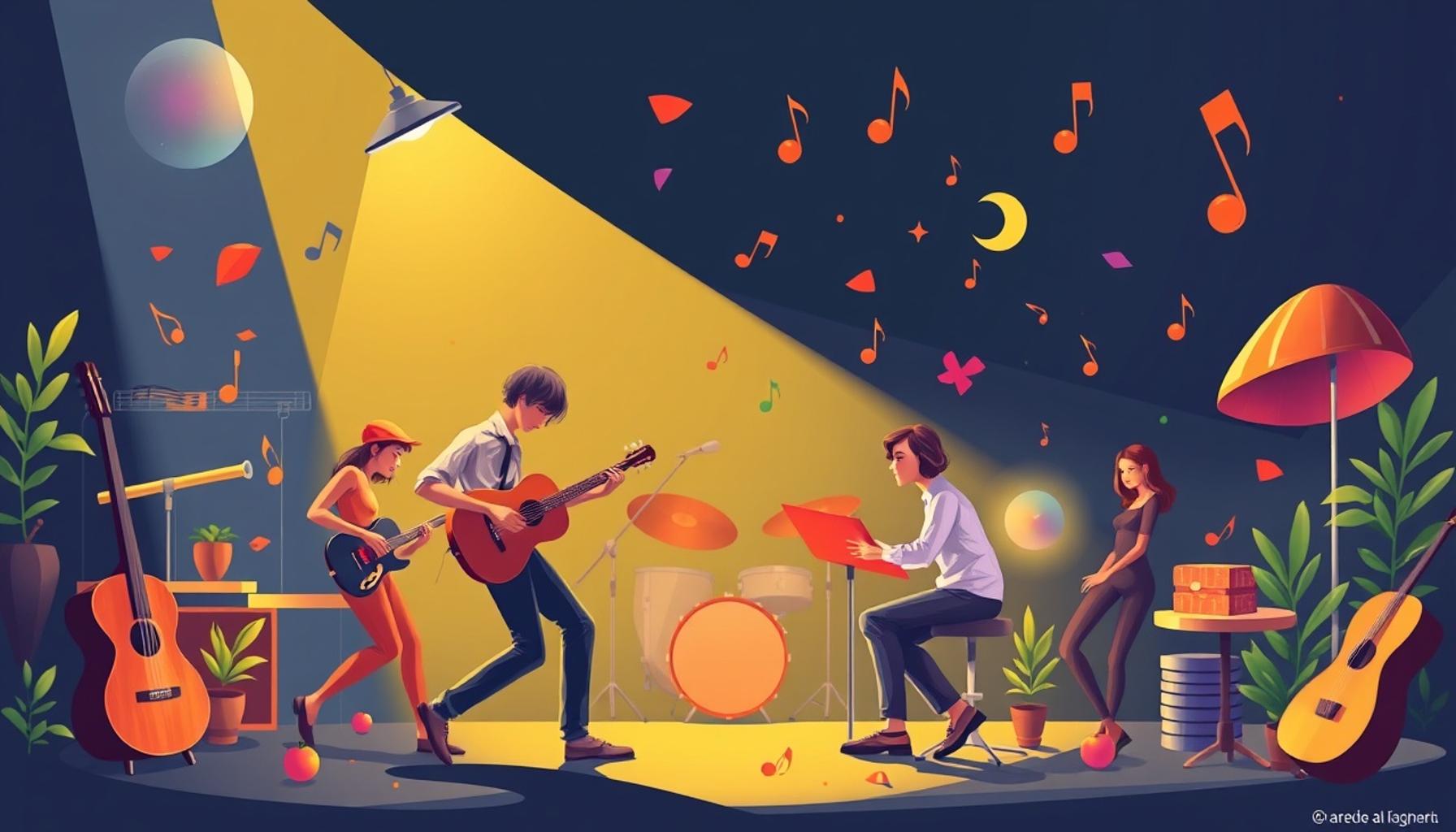
When we think of creative hobbies, few activities blend the energy of movement and the power of music as wonderfully as dance. This captivating intersection opens up a world rich in expression, rhythm, and culture, appealing to people of all ages. Engaging in dance not only serves as a medium for personal expression but also provides substantial physical benefits, influencing both mental and emotional well-being.
Consider the following elements that contribute to this dynamic connection:
- Emotional Expression: Dance offers an unparalleled opportunity for individuals to express their feelings non-verbally. Movements can communicate joy, sadness, anger, or love, all of which resonate deeply with the accompanying music. For instance, contemporary dance often mirrors emotions through fluid body movements, allowing for a profound connection with both the dancer’s inner self and the audience.
- Cultural Awareness: Different dance forms from around the world reflect diverse musical traditions, providing insight into the customs and stories of various cultures. Take, for example, the traditional Irish dance, which often features lively jigs rooted in rich folklore, or the graceful ballet, which embodies the elegance and history of European art forms, demonstrating how dance can foster cultural appreciation across communities.
- Physical Benefits: The amalgamation of music and dance serves as a full-body workout, improving physical health significantly. Engaging in dance enhances coordination, flexibility, strength, and endurance, while also promoting cardiovascular health. Many studies suggest that dance can improve cognitive function and reduce stress levels, making it both a physically and mentally nourishing activity.
Additionally, the relationship between musical exploration and dance transcends traditional boundaries, with many individuals experimenting with an array of genres that push the limits of creativity:
- Hip-Hop: A vibrant force in contemporary dance, hip-hop is characterized by its rhythmic beats and expressive movements. Street dance styles, such as breaking and locking, have become prevalent across urban settings in the U.S., making hip-hop a significant cultural expression for youth.
- Latin Styles: Latin dances like salsa and bachata fuse upbeat rhythms with intricate footwork, making them a popular choice in social dance scenes. Dance studios and community centers across the United States often host salsa nights, where enthusiasts can immerse themselves in both the music and the dance.
- Electronic Music: The rise of electronic dance music (EDM) has revolutionized the landscape of dance. Events like music festivals and raves, featuring pulsating beats and engaging light shows, encourage attendees to let loose and connect through movement.
By fully embracing this exhilarating combination of music and movement, individuals can discover new avenues for creativity. Whether you’re a seasoned dancer with years of experience or a curious beginner eager to take your first steps, the world of dance welcomes you to embark on a unique exploration that is both enriching and transformative. There is always something new to learn, share, and experience in this powerful blend of sound and motion.
The Transformative Power of Dance and Music
Diving deeper into the connection between music and movement, it is essential to recognize how this synergy creates a unique outlet for creativity and personal growth. Dance isn’t just a physical activity; it’s an experience that engages the mind, body, and spirit in a harmonious way. Numerous enthusiasts have found that incorporating dance into their routines not only enhances their appreciation of music but also opens avenues for self-discovery and social interaction.
One of the key aspects of this intersection lies in the therapeutic benefits of dance. Various studies have highlighted how moving to music can elevate mood, alleviate anxiety, and even reduce symptoms of depression. For individuals who suffer from mental health challenges, dance classes can act as a safe space for emotional release. Participating in group dance settings fosters community, where individuals can unite under a shared love for rhythm, bringing joy and support to their lives.
Moreover, the dynamic world of musical exploration continually inspires new dance forms and styles. In this exchange of creativity, learning about different genres not only influences movement but also enables dancers to push their artistic boundaries. Here are some notable trends that exemplify this interplay:
- Fusion Dance: As cultures converge, so do their dance traditions. Fusion dance combines elements from multiple styles, encouraging dancers to innovate and create unique performances that resonate with a broader audience. This trend reflects a growing acceptance of diversity within the dance community, opening doors for collaboration.
- Improvisational Dance: Many dancers are now embracing improvisation as a means to connect with the music spontaneously. This form allows participants to interpret sounds in real-time, creating an organic dance experience that is as fluid as the music itself. Events such as “jam sessions” amplify this concept, inviting dancers to explore their creativity amidst varying musical genres.
- Online Dance Challenges: The digital age has spurred a surge in viral dance challenges via social media platforms. This phenomenon allows dancers to showcase their skills, reinterpret popular songs, and engage with followers globally, all while developing their brand in the ever-evolving landscape of dance and music.
As individuals become more aware of the transformative power of these creative hobbies, it’s clear that the relationship between dance and music is a multifaceted journey that nurtures personal expression and cultural understanding. This growing appreciation for the art form encourages both seasoned dancers and newcomers to take part in this collaborative exploration, where every step taken is a rhythm shared.
| Category | Description |
|---|---|
| Physical Expression | Dance provides a dynamic way to express emotions and tell stories through movement. |
| Cognitive Development | Engaging with music and dance enhances memory, coordination, and spatial awareness. |
| Community Building | Participating in dance groups fosters social connections and shared experiences. |
| Creative Freedom | Music encourages improvisation and originality, allowing individual creativity to flourish. |
The Synergy of Dance and Music
The fusion of music and movement offers a rich landscape for creative hobbies. When individuals combine these two elements, they embark on a profound journey of self-expression. For example, improvisation in dance breaks traditional boundaries, allowing participants to explore new rhythms and adapt their movements accordingly. This interplay not only enhances their creative skills but also leads to a deeper understanding of musicality.Furthermore, diverse dance styles—from ballet to hip-hop—each bring unique musical influences, demonstrating how intertwined these art forms truly are. Those seeking to delve into their creative hobbies can benefit from workshops that focus specifically on this synergy, enabling them to appreciate music’s emotive power while harnessing the full range of their physical capabilities. The joy one experiences through this exploration can be incredibly fulfilling, contributing to personal growth and emotional well-being. By integrating music into dance practice, individuals not only enhance their physical abilities but also cultivate a richer creative life, fostering a community where exploration and shared passion thrive. This intersection is where true artistic innovation occurs, inviting enthusiasts to join in and discover the limitless possibilities that await them.
Exploring the Diverse Landscapes of Dance Forms
The intersection of music and dance has birthed a myriad of styles and forms, each reflecting cultural narratives and personal expression. Understanding these diverse dance landscapes not only enhances appreciation for the art but also provides a richer context for individuals looking to delve deeper into their creative hobbies. From classical ballet to hip-hop and beyond, the various genres serve as both a historical compass and a canvas for modern interpretations of movement.
One significant genre gaining attention is street dance, particularly in urban settings across America. Characterized by its improvisational nature and connection to self-expression, street dance encapsulates styles such as breaking, locking, and popping. Street dance is not just confined to the streets; it has permeated mainstream culture and music, showcased in popular music videos and live performances. The dynamic variations of street dance allow for creativity to flourish, encouraging enthusiasts to merge personal flair with the rhythms of hip-hop, R&B, and electronic music.
Another phenomenon is the rise of cultural dance forms, which celebrate the richness of various ethnic traditions through music and movement. These forms, such as Bollywood dance, African tribal dance, or Flamenco, have grown in popularity within the United States. Not only do they provide a form of artistic expression, but they also serve as a medium for storytelling that reflects the struggles, celebrations, and history of their cultures. Learning these dances can offer students valuable insights into the cultural contexts that shape the music, making the practice rich and meaningful.
The world of dance fitness adds yet another layer to the discussion of music and movement. Classes such as Zumba or Dance Cardio not only promote physical health but also emphasize the joy of dancing to upbeat music. These fitness trends have made dance accessible to people of all ages, demonstrating that one does not have to be a professionally trained dancer to experience the benefits of this art form. The infectious energy of these classes often fosters a sense of community and camaraderie among participants, further enhancing their collective love for movement and rhythm.
The digital age has also birthed a new realm of hybrid styles, blending both traditional and contemporary forms. Dance competitions and online platforms enable dancers to share their unique interpretations and collaborative pieces, often resulting in innovative performances. Virtual platforms have democratized access to dance, allowing enthusiasts from all backgrounds to connect and engage with music in unprecedented ways. For example, on platforms like YouTube and TikTok, dancers showcase everything from choreography linked to catchy songs to spontaneous dance challenges that captivate viewers worldwide.
As the exploration of musical genres continues to evolve, so too does the dance that accompanies it. For those looking to deepen their engagement with music and movement, taking classes in various styles, attending live performances, or even participating in online dance sessions provides a plethora of opportunities to connect with this transformative art. Each dance step or movement resonates with the rhythm and beats of the music, creating an intimate relationship that fosters creativity and inspires new avenues of expression. The journey through these diverse dance forms is not merely about movement; it is an exploration of identity, culture, and the shared human experience expressed through art.
Embracing the Symphony of Movement and Sound
In summary, the intersection of music and movement offers an immersive landscape for artistic exploration and personal growth. As seen through diverse dance forms, from street dance to cultural styles, each genre allows individuals to articulate their unique stories and cultural heritages. The evolution of dance, intertwined with music genres, highlights the continuous dialogue between tradition and innovation, empowering practitioners to experiment and express themselves in new ways.
The emergence of dance fitness trends and the influence of digital platforms has democratized access to dance, inviting a wider audience to partake in this vibrant art. It is inspiring to witness how social media creates space for creativity, visual storytelling, and community bonding, transforming casual enthusiasts into ambassadors of the art form. Therefore, no matter one’s skill level, whether you are a seasoned dancer or a curious beginner, there are myriad ways to engage with the music and movement world.
Ultimately, embarking on this journey of discovery can lead to immense joy and fulfillment. Exploring different styles and participating in various creative hobbies not only develops physical agility but also enriches emotional well-being and fosters a sense of belonging. As you step into the rhythm of life, remember that music and dance are not merely forms of entertainment; they are powerful vehicles for connection, expression, and understanding the intricate tapestry of our shared human experience.