Music as a Connection Tool: Exploring Musical Collaborations between Artists of Different Genres
The Role of Music in Fostering Cultural Connections
In a world filled with diverse cultures and experiences, music serves as a powerful connection tool. Its ability to transcend borders is unparalleled, allowing individuals from various backgrounds to share emotions, tell stories, and articulate feelings that might be difficult to express through words alone. Music acts as a universal language, uniting people across geographic and cultural divides while celebrating both similarities and differences.
The beauty of music lies in its inherent appeal to the senses. From the driving rhythms of hip-hop to the soothing melodies of classical, each genre offers a unique auditory experience that can resonate deeply with listeners. These distinct soundscapes create opportunities for innovative collaborations, where artists explore and fuse different styles to create something truly unique. Such partnerships not only enhance the richness of the musical landscape but also foster a greater understanding and appreciation among fans of diverse musical traditions.
Noteworthy Collaborations
Throughout history, several landmark collaborations have showcased how artists blend their distinct sounds, resulting in iconic tracks that resonate globally:
- Run-D.M.C. and Aerosmith – Their groundbreaking hit “Walk This Way” is often credited with merging hip-hop and rock, bridging generational gaps and introducing hip-hop to rock fans. The fusion not only revitalized Aerosmith’s career but also helped to elevate hip-hop culture in the mainstream music industry.
- David Bowie and Queen – With the iconic song “Under Pressure,” this collaboration brought together two luminaries of music, seamlessly blending rock and pop. The track remains a timeless anthem that speaks to themes of empathy and unity, making it relevant for both past and present listeners.
- Billie Eilish and Khalid – As representatives of contemporary music, their partnership in songs like “Lovely” exemplifies a fusion of pop and R&B, distinctly capturing the sound of a new generation. Their collaboration not only draws in younger audiences but also highlights the evolving nature of musical genre classification.
Benefits of Musical Collaborations
The benefits of these artistic collaborations are far-reaching, providing a multitude of advantages that enrich the music industry:
- Innovation: Artists who collaborate often experiment with new sounds and styles, pushing the boundaries of creativity. This innovative spirit leads to fresh musical trends that can transform the industry landscape.
- Diversity: By combining genres, collaborations showcase the cultural richness and variety inherent in music. They reflect the diverse societal fabric in the United States, allowing artists to celebrate their roots while engaging with a broader audience.
- Unity: Each collaboration serves as a bridge that promotes understanding and empathy among fans from different backgrounds. By embracing various influences, artists create music that reflects shared human experiences, thereby fostering a sense of community among listeners.
As we delve deeper into this topic, we will explore not only the impact of these collaborations but also how they redefine the musical landscape in the United States and beyond. We will examine the socio-political factors that facilitate such partnerships and their potential to drive change in society. Ultimately, the exploration of music as a universal language reveals a rich tapestry of human connection that continues to evolve, enriching our lives and experiences.
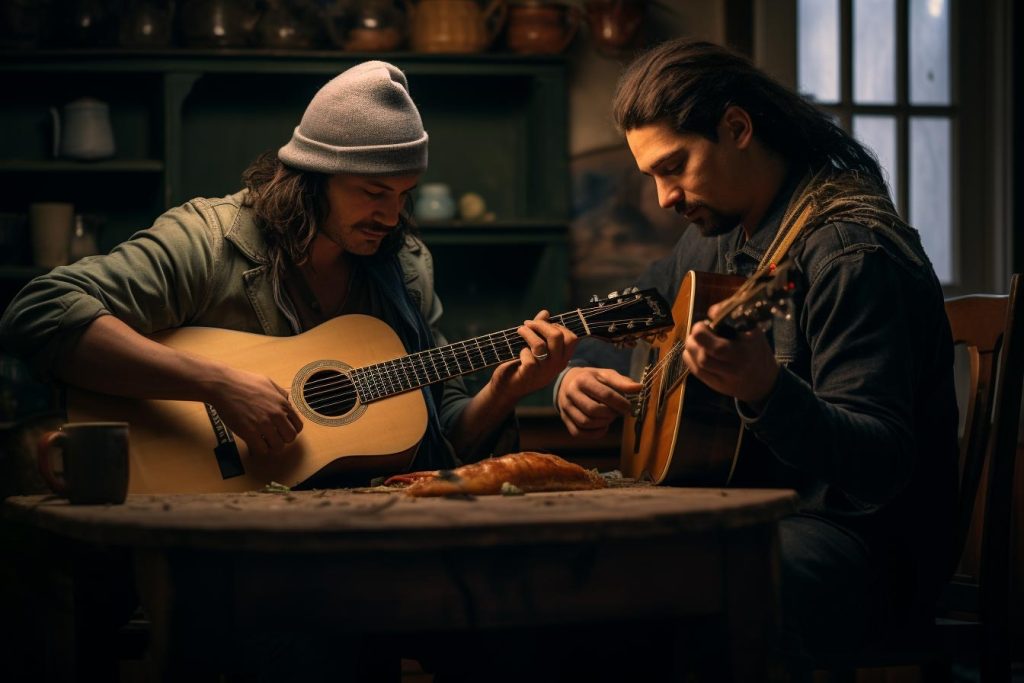
Exploring the Dynamics of Genre-Blending Collaborations
As the landscape of music continually evolves, collaborations between artists of different genres have become increasingly common, serving as a significant driver of innovation and connection within the industry. These partnerships not only highlight the versatility of individual artists but also invite fans into a richer, more diverse musical experience. With music consumption on platforms like Spotify and Apple Music rising exponentially, listeners are more exposed to varied styles and influences than ever before, creating a fertile ground for such collaborations to flourish.
In this age of digital connectivity, artists can collaborate across distances, breaking down traditional barriers that once made genre-blending a complicated endeavor. For example, hip-hop artists are now frequently teaming up with country musicians, and R&B singers collaborate with rock bands, showcasing a new wave of creativity that sees genres intersect in unexpected ways. This phenomenon raises important questions about the nature of genre itself and challenges artists and consumers alike to embrace a more fluid understanding of musical categories.
Cultural Exchange in Musical Collaborations
The potential of musical collaborations extends beyond mere entertainment; they often serve as a catalyst for cultural exchange. Artists from different backgrounds share not only their styles but also their individual cultural narratives, bridging gaps between communities. Some noteworthy modern collaborations that reflect this trend include:
- Shakira and Wyclef Jean – Their track “Hips Don’t Lie” introduces a seamless blend of reggaeton and hip-hop, illustrating how collaboration can bring together diverse cultural influences and make them accessible to a global audience.
- Lil Nas X and Billy Ray Cyrus – Their remix of “Old Town Road” has not only topped the charts but also sparked conversations about genre classification, racial dynamics in music, and the evolving nature of country music. This collaboration emphasizes how two seemingly disparate styles can harmonize, engaging a wider audience in the process.
- Coldplay and Beyoncé – The collaboration on “Hymn for the Weekend” showcases the meld of pop and alternative rock, further demonstrating that musical boundaries can be not only crossed but blurred in a way that resonates deeply with listeners.
These examples signify more than just chart-topping hits; they embody a greater cultural dialogue that reflects the realities of our interconnected world. With increasing accessibility to music from different cultures, audiences develop a deeper appreciation for, and understanding of, the unique narratives behind various musical traditions.
Furthermore, collaborations serve as a platform for artists to tackle pertinent social issues, allowing them to unify their audiences around shared messages. Given the current social climate in the United States, many artists are leveraging these opportunities to address topics like racial injustice, mental health, and environmental concerns through their music. As we move forward in this exploration, it’s essential to recognize how these dynamic partnerships influence not only the music itself but also the broader cultural discourse.
Music as a Connection Tool: Exploring Musical Collaborations between Artists of Different Genres
As the world becomes increasingly interconnected, the realm of music reflects this evolution through collaborations that transcend genres, cultures, and boundaries. Artists are realizing that by blending different styles, they can create something truly unique and impactful. This innovative approach to music not only enriches the artistic process but also fosters a deeper understanding among diverse audiences.
For instance, the cross-genre collaborations between hip-hop artists and traditional musicians often yield rich, textural soundscapes that resonate with listeners on multiple levels. Take the example of Anderson .Paak and his collaborations with various musical geniuses, seamlessly weaving jazz elements with hip-hop beats, showcasing how genres can merge and result in refreshing auditory experiences. These partnerships introduce fans to new styles, promoting cultural exchange and appreciation.
Furthermore, musical collaborations serve as a platform for social change, enabling artists to address pressing issues within the societal fabric. For example, the joint efforts of musicians from contrasting backgrounds can amplify voices advocating for social justice, thereby reducing barriers through shared creative expressions. Such collaborations not only enhance the musical product but also allow artists to connect with larger audiences, raising awareness about important issues through the universal language of music.
Through innovative collaborations, artists explore new thematic territories and experiment with sounds that push creative boundaries. This phenomenon exemplifies the transformative power of music as a connection tool, revealing how artists from different worlds can come together to create something that speaks to the human experience.
| Category | Advantages |
|---|---|
| Cultural Exchange | Promotes understanding and appreciation of diverse musical traditions. |
| Creative Innovation | Fosters new artistic expressions that challenge genre conventions. |
As we continue to explore the dynamic landscape of musical collaborations, it is essential to acknowledge the role of technology, which allows artists to connect virtually, breaking geographical barriers. Online platforms and social media further enable collaborations that may not have been possible in the past, forging new pathways for artistic growth and connection.
This era of collaboration emphasizes the importance of inclusivity and dialogue within the music community. By bridging gaps between genres, artists not only create new sounds but also enrich the cultural tapestry of music, further solidifying its role as a universal connective tool.
The Role of Technology in Musical Collaborations
The rise of technology has been pivotal in enhancing musical collaborations across genres, making it easier for artists to connect, regardless of geographic location. The advent of digital audio workstations (DAWs) such as Ableton Live and Pro Tools has streamlined the production process, allowing musicians to create professional-sounding tracks from home studios. This accessibility means that an artist in Nashville can send their tracks to a producer in London to incorporate elements of grime, for example, creating a soundscape that transcends continents.
Moreover, platforms like SoundCloud and YouTube have transformed how artists showcase their work, encouraging cross-genre experimentation. An artist can upload a remix of a classic rock song infused with hip-hop beats, sparking interest and collaboration requests from unexpected corners of the music industry. These platforms not only promote individual works; they foster communities where artists support one another in exploring new creative avenues. This mutual encouragement is crucial in a landscape where genre boundaries are constantly being redefined.
Collaborative Projects as Cultural Responses
Another significant aspect of these genre-blending collaborations is their role as cultural responses to contemporary issues. Artists often use their unique backgrounds to comment on societal challenges, showcasing how music serves as a voice for change. One notable example is the collaboration between Black Eyed Peas and J Balvin in their track “RITMO.” This song, which incorporates elements of hip-hop with reggaeton, accompanies the film “Bad Boys for Life” and touches upon themes of resilience and celebration of cultural diversity. The fusion is not merely a stylistic choice; it becomes a statement reflecting the global tapestry of identities in today’s society.
The merging of genres also opens up discussions around inclusivity and representation. Artists like Lizzo blend elements of pop, hip-hop, and soul, celebrating body positivity and self-love while inviting fans from different walks of life to find solace in their messages. Collaborations with artists such as Missy Elliott amplify these themes, showing how genre-blending can transcend mere musical fusion to become an essential tool for advocacy and empowerment.
Audience Engagement and Fanbase Expansion
Furthermore, these collaborations often bring together diverse fan bases, creating a more extensive and engaged audience. When an artist like Post Malone, known for his genre-blending style, teams up with country star Keith Urban, it provides an opportunity for fans of both genres to explore new territories. This cross-pollination not only expands individual artists’ reach but introduces audiences to unfamiliar sounds they might not have discovered otherwise.
The phenomenon of live collaborations, whether through joint performances at festivals or virtual concerts, allows fans to witness these musical intersections firsthand. For example, the Coachella Festival often features unexpected collaborations, bringing together artists from various genres for unforgettable performances that redefine the concert experience.
Ultimately, the ongoing exploration of these musical collaborations illustrates a broader societal shift toward recognizing and celebrating diversity. As genres blend and artists from different backgrounds unite, the music becomes a reflection of a shared humanity, encouraging listeners to embrace the richness of varied cultural narratives.
Final Thoughts on Musical Collaborations as a Connection Tool
As we delve into the world of musical collaborations, it becomes evident that these genre-defying partnerships are more than just creative experiments; they serve as vital connections that bridge cultural divides. The ability of artists to merge different sounds, styles, and narratives showcases the dynamic nature of music as a universal language that resonates across borders. The collaborations highlighted, from hip-hop and reggaeton fusions to genre-blending performances at festivals like Coachella, reflect society’s growing appreciation for diversity and inclusivity.
Furthermore, the impact of technology cannot be overlooked. With tools that facilitate remote teamwork and platforms that promote accessibility, artists today are empowered to collaborate in ways previously thought impossible. This evolution is akin to a global jam session where creativity knows no bounds, enabling musicians to transcend traditional genre limitations and reach wider audiences.
Ultimately, as artists continue to unite their unique perspectives and sounds, they foster a greater understanding of shared experiences, enriching the cultural tapestry of the music industry. This connective power not only enhances personal interactions between fans and artists but also nurtures a collective consciousness that encourages empathy and acceptance. As we listen to these innovative collaborations, we are reminded of music’s intrinsic ability to unite, inspire, and push boundaries, creating a more harmonious and understanding world.