Painting Techniques for Beginners: Exploring Creativity Without Fear
Unleashing Your Inner Artist
Embarking on a painting journey can be both exhilarating and intimidating. However, every artist begins somewhere, and the beauty of art lies in its ability to evolve through experimentation and practice. Finding your unique voice is essential, as it fosters creativity and encourages personal expression.
Whether you’re holding a brush for the first time or rediscovering your passion from childhood, mastering basic painting techniques can help you unlock your creativity. Here are some key aspects worth exploring:
- Acrylic Painting: Known for its fast-drying properties, acrylic paint is incredibly versatile and allows for vibrant colors that can be layered easily. Its quick drying time means fewer worries about smudging and the ability to apply multiple layers in one session, making it an ideal medium for both beginners and seasoned artists. Many artists sometimes take inspiration from street art, where the dynamic colors of acrylics can be seen in murals.
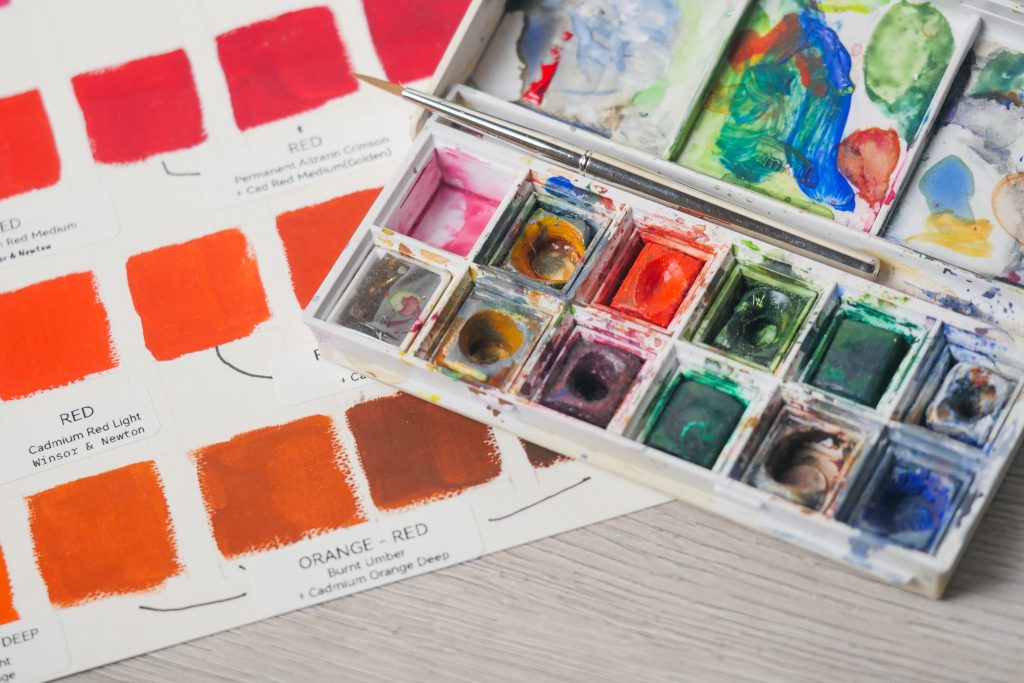
- Watercolor Techniques: This medium focuses on delicate washes, enabling you to create ethereal effects that can be both soft and striking. Watercolors encourage spontaneity, as the mixing of colors can produce unexpected results. For example, the techniques of wet-on-wet, where paint is applied to wet paper, can create beautiful blends mimicking natural landscapes, perfect for capturing the breathtaking beauty of America’s national parks.
- Oil Painting: Renowned for its rich textures and depth, oil paint allows flexibility with blending and layering that can enhance the visual complexity of your work. The slow drying time of oil paints gives artists the opportunity to rework and refine their creations over extended periods. Famous U.S. artists like Georgia O’Keeffe utilized oil paints to depict stunning interpretations of the Southwest landscape, showcasing the medium’s full potential.
- Mixed Media: This technique encourages creativity by allowing you to combine various materials like paper, fabric, or even found objects with traditional paints. Mixed media can result in unique textures and dimensions, often reflecting contemporary themes in art today. Artists can draw inspiration from the vibrant art scenes of cities like New York or San Francisco, known for their eclectic mixture of styles.
Throughout this article, we will delve deeper into these techniques, empowering you to paint with confidence and freedom. Embracing mistakes as part of the creative process is vital, allowing you to transform what initially feels like a setback into a stepping stone for growth. Each misstep may lead to an unexpected discovery that enhances your artistic voice.
Additionally, we will discuss essential tools and materials such as brushes, canvases, and palettes, which are tailored for beginners. Selecting the right tools is crucial, as each medium requires different types of brushes and surfaces to achieve the desired effects. Remember, each brush stroke is a step towards self-discovery and a reflection of your unique vision, encouraging you to explore your creativity in its many forms.
Are you ready to let go of your fears and express yourself on canvas? With the right mindset and guidance, you can embark on this vibrant journey and uncover your potential as an artist. Let’s take the first steps together and unleash the artist within!
Exploring Essential Techniques for Beginners
As you venture into the world of painting, understanding different techniques is paramount in nurturing your creative spirit and developing your artistic skills. Each technique offers unique opportunities to experiment with colors, textures, and styles, allowing you to express your vision on canvas. Let’s examine intricate details and provide insights on some popular painting methods, ensuring you are equipped to start your artistic adventure confidently.
Acrylic Painting: A Gateway to Colorful Expression
Acrylics are a fantastic choice for beginners, boasting versatility, vibrancy, and ease of use. This medium lends itself well to various styles, from bold abstracts to subtle landscapes. One of the most significant advantages of acrylic paint is its fast drying time, which allows for quick layer application and adjustments without long waits. You can create impressive textures using palette knives or brushes, and the opacity of the paint ensures that even the boldest colors remain vivid.
To get started with acrylic painting, consider investing in a basic set that includes essential colors such as titanium white, ultramarine blue, cadmium red, and yellow ochre. Mixing colors is part of the fun—experimenting with different ratios can lead to unique shades that enhance your artwork. Additionally, try out techniques like dry brushing for added texture or glazing to create depth. With acrylics, your artistic possibilities are virtually limitless.
Watercolor Techniques: Embracing the Fluidity of Art
Watercolors present a distinct challenge and beauty, inviting you to embrace spontaneity and flexibility. Often recognized for their ethereal quality, watercolors can achieve soft gradients that mimic nature’s organic aesthetic. The delightful surprise of discovering how colors blend on paper is an essential part of the watercolor experience.
To explore watercolor techniques effectively, begin with the fundamental methods such as:
- Wet-on-Wet: Applying wet paint onto wet paper creates soft, blurred edges and gentle color transitions, ideal for skies or floral backgrounds.
- Wet-on-Dry: This technique involves painting wet colors onto dry paper for sharper outlines and more defined shapes—wonderful for details in landscapes.
- Salt Technique: Sprinkling salt onto wet watercolor can create a fascinating crystalline effect as the salt absorbs water and pigment, perfect for adding texture and depth.
Armed with a set of quality watercolor paints, brushes, and watercolor paper, you’ll find yourself ready to create beautifully soft artworks. Don’t shy away from practicing control over water and paint; as you refine these skills, your confidence and ability will flourish.
Oil Painting: Classic Depth and Richness
Oil painting is well-respected for its enduring tradition and the depth it provides to artworks. It has long been favored by artists who appreciate the long drying time that allows for intricate blending and layering techniques. Because of the rich pigments and ability to create luminous works, oil painting can serve as an enriching journey for those willing to explore its complexities.
When diving into oil painting, start with a modest palette that includes primary colors and learn about the fat over lean rule—painting with more oil content as you layer to maintain a proper tackiness. Techniques like glazing and impasto can create stunning effects, showcasing a three-dimensional quality in pieces. Moreover, study the works of masters like Vincent van Gogh to draw inspiration from their lively brushwork and intense colors.
Each painting technique serves as a tool in your quest to express your creativity. By exploring these varied methods, you can overcome the fear of the blank canvas, allowing for joyful self-discovery through the art of painting.
Exploring creativity through painting can seem daunting for beginners. However, adopting various painting techniques can demystify the process and open up avenues for self-expression. Many novices fear making mistakes, yet it is through these ‘errors’ that creativity often flourishes. Understanding and embracing this concept is crucial for anyone looking to delve into the world of painting.
One of the foundational techniques is the use of watercolor washes. This method encourages flexibility and spontaneity on the canvas. Beginners can experiment with layering colors, creating gradients, and observing how different hues blend and interact. Watercolor is forgiving; if a mistake is made, simply adding more water and new color can yield stunning effects. Such freedom fosters an environment where exploration and experimentation become key components of the creative journey.
Another significant approach is acrylic pouring. This fun and trendy technique allows beginners to create mesmerizing abstract art without the need for fine-tuned skills. The process of mixing paints with mediums, pouring them onto a canvas, and letting them flow and blend creates exciting results. This technique emphasizes the joy of painting without the pressure of precise application, urging practitioners to explore their artistic instincts.
Additionally, techniques such as finger painting and palette knife painting encourage tactile engagement with the medium. These approaches challenge the traditional methods of applying paint and help build confidence. Embracing a hands-on method can liberate artists from the constraints of brushes and permits them to focus on the joy of creation itself.
Ultimately, diving into various painting techniques is about allowing oneself to create without fear. By tapping into these methods, beginners can overcome their anxieties, uncover their artistic abilities, and find fulfillment in the act of painting. The journey of art is ongoing and filled with discovery, allowing each stroke to reveal something new about the creative spirit.
| Techniques | Advantages |
|---|---|
| Watercolor Washes | Create gradients and blend colors easily. |
| Acrylic Pouring | Produces abstract art with minimal skill required. |
| Finger Painting | Encourages a tactile connection and expression. |
| Palette Knife Painting | Allows textured effects and spontaneous application. |
Diving Deeper into Painting Methods
While acrylics, watercolors, and oils are foundational techniques, numerous other styles and approaches can further expand your artistic palette. By experimenting with these methods, you’ll discover new facets of your creativity and the joy of painting, allowing your imagination to flourish without hesitation.
Pastel Painting: Blending Softness and Vibrancy
Pastel painting is an exciting medium that marries the vibrancy of pigment with the softness of a drawing tool. Made from pure powdered pigments and a binder, pastels create a unique pigment-rich texture that lends itself well to both detailed and impressionistic styles. Whether you choose soft pastels for smooth, blended effects or oil pastels for their creamy consistency, this technique offers both flexibility and depth.
For beginners, consider starting with a set of soft pastels and a textured paper that can hold the pigment well. The layering technique is critical in pastel work; by building up colors gradually, you can achieve stunning gradients and depth. Blending can be done with fingers, blending stumps, or soft cloths, allowing for various effects, from soft transitions to bold lines. Remember that pastels can be mixed with fixative sprays to prevent smudging, ensuring your finished artwork maintains its beauty.
Sketching and Ink Wash: Foundations of Expression
Before applying color, sketching serves as an essential part of the painting process that allows artists to establish composition and refine ideas. Using pencil, charcoal, or ink, sketching is instrumental in developing a strong foundation for your artwork. Ink wash, a related technique, involves using diluted ink to create tonal variations and textures, adding a captivating depth to your sketches.
Start by practicing your foundational skills with simple subjects, such as still life or landscapes, before challenging yourself with more complex scenes. The beauty of sketching lies in its ability to capture quick ideas without the pressure of permanence. This element of freedom encourages experimentation, a crucial aspect for fostering creativity. Pairing sketching with ink wash creates a unique blend of precision and fluidity, allowing you to explore how line and shadow interact.
Mixed Media: Combining Techniques for Unique Results
Mixed media art invites you to break conventional boundaries by combining various materials and techniques. This approach allows for incorporating acrylics, watercolors, pastels, and even found objects into a single composition, offering endless opportunities for innovation. Mixed media can convey powerful narratives and layered meanings, making it an exhilarating choice for artists of all levels.
To get started, gather an array of supplies such as collage materials, fabric, or textured paper, and select a base medium like acrylics or watercolors. Try layering different mediums to create rich textures and dimensions. For instance, layering a watercolor base with acrylic shapes can create a striking contrast between fluidity and structure. Experimentation is the key here, so let your creativity dictate the process, allowing happy accidents to guide your final outcome.
By immersing yourself in these diverse painting techniques, you’ll not only refine your skills but also cultivate a liberating artistic voice. There are no right or wrong methods in art; each stroke or layer can lead you to newfound inspiration and confidence, empowering you to express your creativity fully.
Embracing Your Artistic Journey
As we conclude our exploration of painting techniques for beginners, it becomes clear that the world of art is a vast and diverse landscape filled with opportunities for creativity and self-expression. Whether you choose to experiment with pastels that offer softness and vibrancy, perfect your sketching and ink wash skills to lay a foundation for your vision, or dive into the exciting realm of mixed media to combine various techniques, the key is to embrace the process without fear of failure.
Art is about personal interpretation and finding your unique voice. Remember that there is no single “correct” method when it comes to painting; instead, each technique presents a unique avenue for discovery. Approach your canvas with curiosity, allowing yourself to make mistakes and learn from them. These moments often lead to the greatest breakthroughs in creativity.
To further nurture your artistic expression, consider joining local art workshops or online communities where you can share your work, gather feedback, and draw inspiration from fellow artists. With every brush stroke and layer you add, you’re not just developing your skills but also cultivating a deeper connection to your creativity.
So let go of inhibitions, pick up those brushes, and start painting. The world eagerly awaits your artistic contributions. As you continue this journey, may you find joy in exploration, and may your creativity flourish without bounds.