
Street Art and Activism: Urban Art as a Voice for Social Change
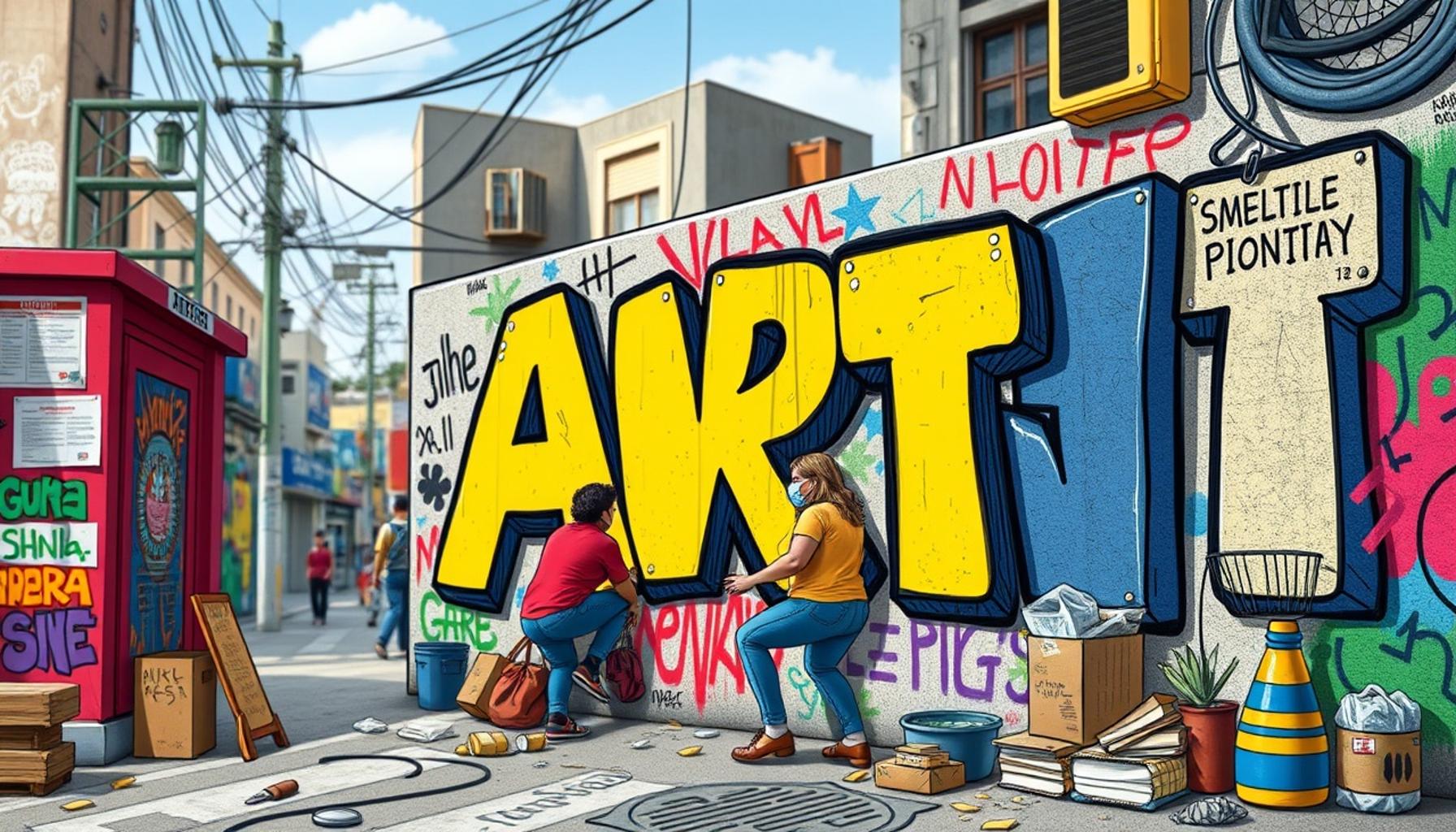
Impact of Street Art on Urban Culture
In contemporary society, street art has blossomed into a powerful form of visual expression, transforming ordinary urban landscapes into thought-provoking dialogues. This form of art is not merely about beautifying the environment; it serves as a canvas for community voices to emerge, addressing pressing social issues. Take, for instance, the vibrant murals of Brooklyn, New York, where local artists collaborate to depict the struggles and triumphs of the neighborhood’s diverse communities. These artworks resonate with passersby, inviting them to reflect on shared experiences and injustices.
Racial justice is a recurring theme in street art. Artists like Kara Walker and KAWS have used their platforms to illuminate systemic inequalities faced by marginalized groups. A notable example is the “Black Lives Matter” mural on 125th Street in Harlem, which not only serves as a tribute but also fosters conversations around race relations and police brutality in America. Such public displays invite individuals from various backgrounds to engage with the issue, creating a sense of unity and purpose. The art stimulates local activism, encouraging community members to participate in rallies and discussions.
Beyond racial themes, street art also addresses environmental awareness. As climate change becomes an ever-pressing concern, murals depicting polar bears, melting glaciers, and trees remind us of our impact on the planet. In California, for instance, the ocean-themed street art in San Francisco emphasizes the urgency for environmental protection and stewardship. These artistic expressions not only raise awareness but can also inspire eco-friendly initiatives among residents, motivating them to adopt sustainable practices and organize community clean-up events.
The fight for gender equality is another vital subject often explored through street art. Artists like Milagros Collective and Faith47 work to challenge sexism and advocate for women’s rights through their striking installations. Their pieces, often featuring empowering images of women, convey messages of solidarity and resilience. For example, the large-scale mural showcasing strong women role models in Los Angeles serves as a reminder of the ongoing struggle for equality and encourages young girls to dream big.
Artists such as Banksy and Shepard Fairey underline the notion that street art transcends mere aesthetics. Their work has been at the forefront of global conversations, illustrating how urban art can serve as a formidable tool for activism. Each mural prompts viewers to reflect on the multifaceted nature of social issues, deepening their understanding and potentially spurring them to action.
As we dive deeper into the relationship between street art and activism, it becomes clear that these urban canvases shape the ongoing narrative of inclusion and social responsibility. The dialogue opened by street art fosters a collective consciousness that encourages us all to examine our roles within society and to engage actively in the pursuit of justice, equality, and sustainability.
The Fusion of Art and Activism
At the intersection of creativity and social consciousness lies street art, a dynamic medium that challenges perceptions and ignites dialogues. This vibrant form of expression has become a significant driver of activism within urban settings, leveraging the public space to address issues that resonate deeply with the community. Artists are not just painting walls; they are crafting narratives that reflect societal struggles, aspirations, and the human condition. The power of street art lies in its accessibility; it reaches a diverse audience, transcending barriers of age, race, and socioeconomic status.
One striking aspect of street art as a channel for activism is its ability to catalyze community involvement. Those who encounter these visual messages are often moved to explore the underlying issues, whether they pertain to social justice, environmental advocacy, or human rights. Through vibrant imagery and poignant messages, artists effectively capture the attention of those who might otherwise remain detached from these critical conversations. Urban art has the capacity to transform everyday surroundings into places of reflection, prompting viewers to reconsider their roles within broader societal contexts.
Key Issues Addressed Through Street Art
Street art serves as an important lens through which various pressing issues are examined. Some primary themes that are often addressed include:
- Social Justice: Artworks that confront systemic oppression, discrimination, and inequality.
- Environmental Awareness: Murals that highlight climate change impacts, deforestation, and pollution.
- Gender Rights: Pieces that advocate for gender equality and represent women’s empowerment.
- Community Identity: Art that fosters a sense of belonging and pride in local culture and heritage.
For instance, cities like Philadelphia and Los Angeles have become canvases for powerful murals that reflect their vibrant histories and the ongoing struggles faced by their inhabitants. In Philadelphia’s Mural Arts Program, artists collaborate with community members to create large-scale pieces that capture the spirit of the city’s diverse neighborhoods. The resultant murals not only beautify the environment but also serve as platforms for community expression and activism.
Another noteworthy example can be found in Boston, where artists have created works highlighting the city’s involvement in social movements, particularly those advocating for immigrant rights. These murals present stories of resilience and determination, encouraging viewers to engage with the challenges faced by marginalized groups. By echoing these themes through public art, artists create a shared experience that embodies the struggles for which many fight.
As street art continues to evolve, its role as a catalyst for change becomes ever more evident. It is not merely an artistic endeavor, but a profound commentary on the state of society, encouraging change-makers to lead the charge toward a more just and sustainable world. With each spray of paint, urban art reinforces the urgent need for activism, compelling us to pause and consider the narratives woven into the fabric of our communities.
| Advantage | Description |
|---|---|
| Community Engagement | Street art encourages community interaction, allowing residents to participate in conversations about local issues. |
| Awareness Raising | Urban murals often highlight social injustices, educating the public on critical issues through visual storytelling. |
Street art has emerged not just as a form of aesthetic expression, but as a crucial platform for social activism. As artists use public spaces to convey powerful messages, they create awareness about pressing social issues such as racial inequality, environmental concerns, and political unrest. The visual impact of street art captivates the attention of passersby, often prompting critical dialogues in ways that traditional media cannot replicate.For instance, murals depicting historical figures or events can encourage reflection on a community’s heritage, fostering a sense of identity. This art form often acts as a vehicle for marginalized voices, giving them the opportunity to express their narratives. Through collaborative projects, local residents work alongside artists to develop pieces that resonate with their collective aspirations and struggles, further cementing street art as a catalyst for communal unity and resilience.Moreover, street art’s *democratic* nature allows it to breathe life into often-overlooked urban landscapes. Artists are not confined by conventional art institutions, enabling a genuine representation of the public’s sentiment. Consequently, this art form not only beautifies communities but also serves as an active participant in societal discourse, making it an irreplaceable component of modern activism.
The Impact of Street Art on Urban Communities
Street art’s unique ability to inspire change goes beyond the paint on the walls; it contributes to social transformation by fostering a sense of community and belonging. In cities across the United States, street art emerges as a powerful tool for dialogue, enabling citizens to convey their emotions and thoughts on pressing issues in a visually captivating manner. This relationship between art and social movements strengthens not only the fabric of urban life but also creates a sense of ownership among community members.
For example, in New York City, the “Art in the Streets” exhibition at the Museum of Contemporary Art in Los Angeles highlighted the transition of street art from the margins to mainstream acceptance. Street artists like Keith Haring and Jean-Michel Basquiat have left indelible marks on the art world while addressing prevalent social issues such as AIDS awareness and racial inequality. These historical contexts serve as a reminder that street art can encapsulate the essence of an era while simultaneously advocating for change.
Moreover, the role of street art in protests and movements cannot be overstated. During the upheaval surrounding the Black Lives Matter movement, cities like Portland transformed into canvases adorned with powerful messages expressing solidarity and demanding justice. In these instances, murals created in response to social strife act as visual testimonies that reflect collective anger, grief, and the demand for necessary reform. These works not only document history but also incite further discussions on race relations and justice in America.
Community Engagement through Art
Another remarkable aspect of street art as activism is its capacity to engage communities in various forms. Street art initiatives, such as the Street Art Walking Tour in Chicago, provide a platform for artists to connect with the public, sharing their stories and motivating dialogue around local issues. Participants can witness firsthand how art can provoke thought and inspire action while supporting local artists striving to address community concerns.
Nonprofit organizations also recognize the importance of integrating street art into community development. Initiatives like Detroit’s “Murals in the Market” foster collaboration between artists and local businesses to revitalize the city through impactful muralism. These projects not only beautify neglected spaces but also serve as a source of pride and nostalgia for local residents, helping to combat the area’s economic challenges while giving a voice to local narratives.
Additionally, street art often thrives on the power of social media, which amplifies its reach and relevance. Hashtags like #StreetArt and #PublicArt create virtual communities where artists and supporters share images and ideas that resonate with a broader audience. This digital dimension transforms street art into a substantial global movement that extends beyond geographical boundaries, enabling local expressions to gain international visibility.
As urban art continues to evolve, it stands as a testament to the enduring spirit of activism. Each stroke of paint invites viewers to engage with their surroundings, prompting them to consider their roles in enacting change. By harnessing the power of public spaces, street artists effectively curate conversations around the social issues that matter most, solidifying their place as vital advocates for social justice and community engagement.
Conclusion: The Enduring Legacy of Street Art in Activism
In summary, street art emerges as more than just an aesthetic expression; it embodies a powerful form of activism that resonates deeply within urban landscapes. From the poignant murals demanding racial justice during the Black Lives Matter movement to community-driven projects revitalizing neighborhoods, the role of street art in fostering social change cannot be overstated. The intersection of art and activism shapes dialogue, challenges norms, and pushes boundaries, paving the way for meaningful engagement among community members.
As this vibrant movement continues to gain momentum, it reflects the collective aspirations and struggles of diverse communities across the United States. The reclamation of public space through colorful displays of emotion and activism not only invites local participation but also creates a global dialogue that transcends geographic barriers. The impact of initiatives like Detroit’s “Murals in the Market” and the Street Art Walking Tour in Chicago illustrate how art can be harnessed as a tool for community empowerment and revitalization.
As we witness the evolution of urban art, it is essential to appreciate its role as a vital catalyst for change. Each piece of street art tells a story, challenges perceptions, and inspires action. By embracing the compelling narratives encapsulated in murals, we are prompted to reflect on our own roles in advocating for social justice. Ultimately, street art serves not just as a voice for change, but as a reminder of the power that resides within our urban communities to enact the changes we wish to see.