The Evolution of Digital Art: How Technology is Changing Artistic Expression
Emerging Trends in Digital Art
The rapid evolution of technology has reshaped not only how art is created but also how it is consumed and appreciated. Digital art has emerged as a leading form of expression in contemporary culture, allowing artists to break traditional molds and explore creative avenues that were once unimaginable. This transformation has been propelled by various factors that enhance accessibility, collaboration, and innovative techniques, presenting an enticing landscape for both artists and audiences.
Accessibility
One of the most significant benefits of digital art is its accessibility. Traditionally, artists often faced barriers such as expensive materials, studio space, or the ability to network within the art community. However, the proliferation of digital tools and platforms has leveled the playing field. For instance, applications like Procreate or Adobe Fresco allow talented individuals to create high-quality artwork using just a tablet and stylus, significantly lowering the entry barriers. Additionally, platforms like ArtStation and Instagram provide the opportunity for artists to showcase their work to a global audience without the need for a physical gallery. This democratization of art fosters a more inclusive environment where rising talents can flourish, regardless of their background.
Collaboration Across Distances
Digital art also breaks down geographical barriers, enabling collaboration in innovative ways. Artists can now co-create across vast distances through online platforms. For example, projects like Google’s Chrome Canvas encourage collective artistic efforts, allowing artists around the world to contribute to a single piece simultaneously. Platforms such as Discord facilitate communication among artists, allowing them to receive real-time feedback and brainstorm ideas collaboratively, regardless of their physical locations. This shift has cultivated a sense of community that transcends traditional boundaries, prompting more dynamic and multifaceted works of art.
Experimental Techniques
The emergence of new technology has ushered in an age of experimental techniques. Artists are actively exploring tools such as 3D modeling software like Blender and immersive environments created with virtual reality (VR). These technologies enable creators to sculpt in a virtual space or develop interactive installations that invite viewers to participate in the art-making process. For instance, VR platforms like Tilt Brush allow artists to paint in a three-dimensional space, creating immersive experiences that challenge the conventional notion of what constitutes a canvas. Such innovations encourage artists to redefine artistic boundaries and provoke thought through novel sensory experiences.
Expanded Audience Engagement
As digital art gains traction, so too does its ability to broaden audience engagement. The interactive nature of digital art allows audiences to become active participants rather than passive observers. Exhibitions in immersive formats, such as teamLab Borderless in Tokyo, engage visitors in a surrounding of digital projections and soundscapes, allowing them to influence the art through their movements. This interactive quality not only enhances viewer engagement but also elicits emotional responses that traditional art forms may not evoke to the same extent.
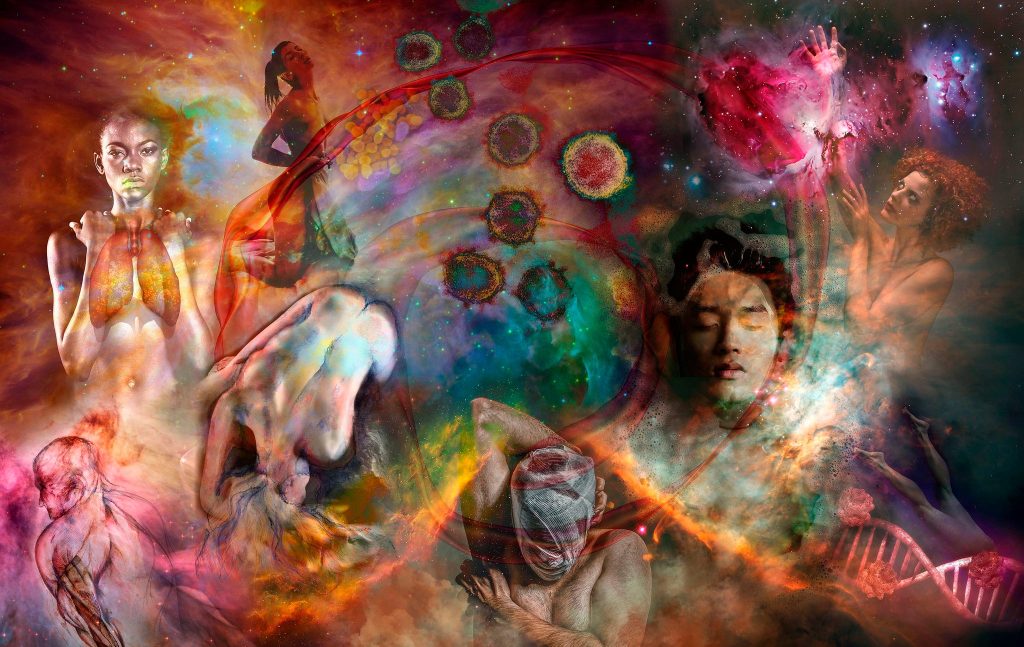
In conclusion, we stand at a fascinating crossroads in art history, where the integration of technology is shaping the future of creativity. As we witness these transformations, it becomes increasingly essential to embrace the evolving art landscape and explore the myriad ways it influences individual expression and community interaction. With the rise of digital platforms and innovative techniques, the art world is likely to see an explosion of new ideas, perspectives, and dialogues that will challenge and inspire generations to come.
Transforming the Artistic Landscape
The evolution of digital art reflects a broader shift in how technology influences artistic expression. As digital tools become more sophisticated, artists are finding new ways to express their creativity, engage with audiences, and redefine the concept of an artist. This revolution is also accompanied by a profound change in the medium, concept, and distribution of art, making it an exciting time for both creators and enthusiasts alike.
The Shift in Medium
One of the most striking transformations in the realm of digital art is the shift in medium. Unlike traditional art forms, which typically rely on paint, canvas, or sculpture, digital art utilizes technology to represent ideas and emotions. Artists are now exploring new mediums such as:
- Generative Art: Utilizes algorithms and code to create unique pieces, challenging the owner’s traditional perception of authorship.
- Animated Art: Brings still images to life, adding depth and movement that can alter the viewer’s experience and interpretation.
- Augmented Reality (AR): Integrates digital elements into the real world, allowing for an immersive experience that blurs the boundaries between the physical and digital.
These mediums allow for a more dynamic form of storytelling, prompting a departure from static representations. Artists are now engaging with audiences like never before, making their art more interactive and, subsequently, more impactful.
Redefining the Concept of an Artist
As digital tools gain prominence, the role of the artist is evolving. The traditional image of the solitary painter brings forth the idea that artists now must harness a combination of creativity and technical skills. Digital art invites practitioners not only to display their aesthetic sensibility but also to command a thorough understanding of the technology at their disposal. This blending of art and technology requires artists to take on multiple roles, including:
- Technician: Mastering software and hardware tools to bring visions to life.
- Collaborator: Working with other artists and technologists to push creative boundaries.
- Entrepreneur: Navigating platforms for distribution and engaging audiences directly through social media and online exhibitions.
This new definition of an artist not only fosters diversified skill sets but also encourages innovation. As a result, we are witnessing a generation of artists who approach their work with a unique perspective, drawing from both artistic heritage and contemporary technological advancement.
The Power of Distribution
Furthermore, technology has transformed how art is disseminated, breaking free from the confines imposed by galleries and traditional exhibitions. Digital art can be shared widely through social media channels, art-specific platforms, and online marketplaces, enabling artists to reach audiences that were previously inaccessible. This shift not only enhances the visibility of diverse artistic voices but also ignites conversations around the value and significance of digital art in the broader cultural landscape.
As the lines between the physical and digital continue to blur, it becomes increasingly clear that technology is not just a tool for artists but a comprehensive element that shapes the trajectory of artistic expression. The convergence of creativity and technology is paving the way for an innovative future, promising exciting possibilities for artists and audiences alike.
Digital art has indeed transformed the landscape of creativity, leading to the emergence of various new forms of artistic expression. Artists today have unprecedented access to tools and platforms that allow them to explore their ideas with ease. The influence of technology on artistic practices can be observed in multiple ways, including the rise of virtual reality (VR) and augmented reality (AR).Virtual reality redefines the artist’s canvas. Artists can immerse themselves in their work, creating three-dimensional sculptures that can be experienced from all angles. This innovative approach not only changes how art is created but also how it is experienced. Viewers are no longer passive observers but active participants in the art, making the experience much more engaging.Moreover, augmented reality has allowed artists to overlay digital enhancements onto the physical world. By using mobile devices, viewers can interact with artworks from their own perspective, thereby deepening their understanding and engagement with the piece. Such technology bridges gaps between traditional and modern practices, enhancing the overall artistic expression.Another significant advancement is the use of artificial intelligence (AI). AI algorithms can analyze data, generate images, and even assist in the creative process. Artists like Refik Anadol have harnessed AI to evolve their creative practices, producing works that respond to data inputs in real-time. This not only brings a new dimension to composition but also provokes discussions around the originality and authenticity of art created with machine assistance.Additionally, social media platforms have revolutionized the way art is shared and distributed. Artists can showcase their work globally, receiving immediate feedback and fostering connections with audiences far beyond their local community. This accessibility leads to greater visibility for various artistic movements and encourages collaboration across different disciplines, creating a melting pot of cultural dialogue that was previously difficult to achieve.All these factors contribute to a vibrant, continually evolving ecosystem of digital art. As technology continues to develop, artists are poised to explore even deeper, pushing boundaries of creativity and challenging perceptions of what art can be. As we delve further into this evolution, one can’t help but wonder what the next frontier of artistic expression will reveal.
Embracing New Technologies
As the digital art landscape continues to evolve, a crucial aspect of this transformation can be found in the rapid adoption of new technologies. With advancements in artificial intelligence (AI), virtual reality (VR), and blockchain, artists are not only reimagining their creative processes but are also expanding the possibilities of how art is created, experienced, and owned.
The Impact of Artificial Intelligence
One of the most significant technological strides influencing digital art is the integration of artificial intelligence. AI-driven programs can analyze vast datasets, learn from existing artworks, and even create original pieces autonomously. Artists are increasingly leveraging AI tools to enhance their creative workflows. For example, applications like DeepArt and DALL-E use neural networks to generate unique images based on users’ prompts, challenging the conventional creative process. This convergence of human imagination and machine learning raises fascinating questions about authorship, originality, and the future of creativity itself.
Innovating with Virtual and Augmented Reality
Furthermore, virtual reality (VR) and augmented reality (AR) technologies are revolutionizing how audiences experience art. VR allows artists to create fully immersive environments where viewers can step inside a three-dimensional space, surrounded by their creations. This not only encourages deeper engagement but also offers an entirely new form of storytelling. Within these virtual realms, the interactions and experiences can be tailored to evoke specific emotions or reactions, pushing the boundaries of traditional viewing.
Similarly, AR technology superimposes digital elements onto the physical world, allowing viewers to engage with art in spaces that were once unimaginable. Artists like Kara Walker and Felix & Paul Studios have embraced these technologies to create conceptual pieces that encourage interaction and provoke thought, bridging the gap between the digital and physical realms.
The Rise of Blockchain in Art Ownership
Another game-changer in the digital art landscape is the advent of blockchain technology. This decentralized system empowers artists to prove ownership and authenticity through non-fungible tokens (NFTs). NFTs have surged in popularity, allowing digital artists to monetize their work directly and maintain control over their creations. Platforms like OpenSea and Rarible have emerged to support the trading of these digital assets, encouraging artists to explore value beyond traditional pricing models.
This tech-driven transparency instills confidence in collectors and fosters a burgeoning art market that was previously resistant to digital works. According to a report by NonFungible.com, NFT sales reached a staggering $41 billion in 2021, reflecting the growing acceptance of digital art as a legitimate investment.
These dynamic advancements showcase how the wave of technology reshapes the very essence of artistic creation and appreciation. Whether through the utilization of AI, immersive environments afforded by VR and AR, or the ownership facilitated by blockchain, the ongoing evolution of digital art not only transforms artistic expression but also paves the way for a future where creativity knows no bounds.
Conclusion
In conclusion, the evolution of digital art represents a profound shift in how we perceive creativity and artistic expression. As technology continues to advance, the integration of artificial intelligence, virtual reality, and blockchain has not only transformed the mediums through which artists create but also significantly altered the ways in which audiences experience and engage with art. This tech-driven transformation poses intriguing questions about authorship, ownership, and the very nature of creativity.
The rise of AI has democratized art creation, allowing artists to collaborate with algorithms to explore new frontiers of originality. Meanwhile, the immersive experiences afforded by VR and AR are reshaping the relationship between creator and viewer, making art more interactive and engaging than ever before. Additionally, the implementation of blockchain technology has opened up new avenues for artists to control their intellectual property and monetize their work, enabling a flourishing market for non-fungible tokens (NFTs) that redefines value in the digital sphere.
As we move forward, the question arises: how will these technological advancements continue to influence the world of art? The potential for innovation is limitless, beckoning both established and emerging artists to experiment with new forms of expression. By embracing these changes, society stands to gain a richer understanding of art’s role in a digital age, ultimately paving the way for a future where creative boundaries are continually pushed and redefined. In a world where technology and art intertwine ever more deeply, the exploration of artistic expression promises to be an exhilarating journey.