The Influence of Art on Mental Health: How Artistic Expression Can Help Overcome Emotional Challenges
The Therapeutic Role of Art in Emotional Health
Art has long been revered not only for its aesthetic value but also for its capacity to heal and transform lives. Various forms of creative expression, ranging from painting and sculpture to music and theater, have emerged as powerful avenues for individuals to process complex emotions and experiences. In recent years, psychological studies have begun to quantify the effects that these artistic endeavors can have on mental health, revealing a crucial link between creativity and emotional well-being.
Engaging in artistic activities can benefit mental health in various ways, including:
- Reducing Stress: Creative activities such as painting or crafting can serve as a form of meditation, allowing individuals to focus their minds and escape from the stresses of daily life. Research has shown that spending even just 20 minutes immersed in a creative activity can significantly lower cortisol levels, the hormone associated with stress.
- Enhancing Self-Expression: For many, articulating their emotions can be challenging, especially when words fail. Art allows individuals to explore and express feelings they may struggle to verbalize. A simple drawing or a powerful song can convey a multitude of emotions, fostering deeper understanding and connection with oneself and others.
- Building Confidence: Completing a creative project—whether it’s a painting, a poem, or a piece of music—can instill a sense of achievement and pride. This newfound confidence can seep into other areas of life, encouraging individuals to tackle challenges with a more positive mindset.
- Fostering Community: Art has the unique ability to bring people together. Participating in community art classes or workshops can provide a sense of belonging and support. For example, local art therapy groups often create a safe space where participants can share their experiences while collaboratively exploring different artistic mediums.
During difficult moments, art can act as a powerful lifeline. Studies show that individuals facing anxiety or depression often find solace in their creative pursuits. For instance, veterans dealing with post-traumatic stress disorder (PTSD) have benefitted from art therapy programs that encourage self-reflection and storytelling through artistic expression. This therapeutic approach not only aids in coping mechanisms but can also pave the way for healing and resilience.
As society grows more aware of mental health issues, the integration of artistic expression into therapeutic practices becomes increasingly important. Understanding the significant role art plays in promoting emotional wellness could empower individuals to use creativity as a tool for self-care. By advocating for these practices, we not only enhance our understanding of mental health but also provide individuals with new pathways to navigate their emotional landscapes.
In conclusion, the exploration of art’s impact on emotional well-being underscores its potential to transform lives. Delving deeper into this connection may not only enrich individual experiences but also enhance the overall fabric of our communities, fostering healthier, more connected societies.
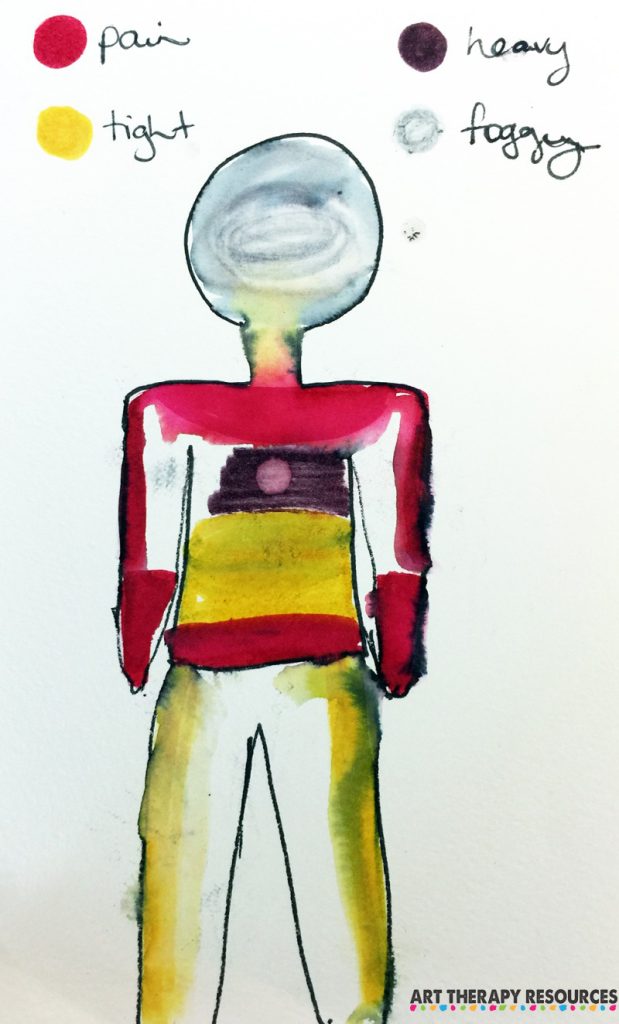
The Transformative Power of Creative Outlets
Artistic expression serves as a remarkable tool for individuals seeking solace and understanding in their emotional lives. Various studies underscore how engaging in creative activities can lead to significant psychological benefits. The transformative power of art comes from its ability to bridge the gap between thought and feeling, providing a conduit through which people can express the inexpressible.
One of the most compelling aspects of art is its capacity to evoke emotional responses. Whether through vibrant paint strokes or haunting melodies, artistic endeavors often resonate with individuals on a profound level. In fact, research indicates that engaging with art—whether as a creator or an observer—can stimulate the release of dopamine, a neurotransmitter associated with pleasure and reward. This biochemical reaction can serve as an immediate emotional lift, enhancing overall mental well-being.
Numerous empirical studies advocate for the role of art in therapy, suggesting a myriad of psychological payoffs:
- Coping with Trauma: Art therapy has gained traction as an effective method for individuals experiencing trauma. Through the lens of creativity, participants can externalize their feelings, helping to process and mitigate their experiences. For example, children who have faced abuse may benefit from drawing to articulate their fears, allowing them to narrate their stories without the need for verbal expression.
- Improving Focus and Cognitive Function: Engaging in creative acts fosters greater mental clarity and allows individuals to concentrate better. The discipline involved in creating art—be it writing a story or learning a musical instrument—cultivates patience and enhances cognitive processes, making it easier for individuals to manage daily tasks and responsibilities.
- Facilitating Emotional Release: Many people suppress their emotions, leading to increased tension and anxiety. Artistic expression provides a safe outlet for releasing pent-up feelings. The act of creating can be cathartic, enabling individuals to confront their emotions head-on.
- Encouraging Mindfulness: Similar to meditation, engaging in creative activities fosters presence in the moment. This focused state can lead to significant reductions in anxiety and depression levels. The intricate task of crafting or performing art encourages individuals to suppress negative thoughts, thus creating a sanctuary for emotional exploration.
As the understanding of mental health continues to evolve, integrating art into therapeutic practices proves more essential than ever. Recognizing the profound influence that artistic expression can have on emotional health may encourage individuals to explore their creative side. In this exploration lies the potential for healing and self-discovery, surfacing opportunities for growth in the shadows of emotional challenges.
As we continue to understand and embrace the connection between art and mental health, we open up new pathways for treatment and personal growth. By leveraging creativity, individuals not only engage in self-care but also create a foundation for richer and more fulfilling lives.
Artistic expression has been embraced in various therapeutic practices, revealing profound ways it impacts mental well-being. Engaging in creative activities not only serves as a form of self-expression but also fosters emotional resilience. Art therapy, for instance, is recognized for its effectiveness in helping individuals navigate emotional difficulties. By utilizing mediums such as painting, sculpture, or music, participants can explore feelings that are often difficult to articulate verbally. This process can lead to increased self-awareness and self-acceptance, critical components in overcoming mental health challenges.Moreover, studies have shown that creating art can significantly reduce anxiety and depression. The act of focusing on a creative task allows individuals to momentarily escape from their worries, providing a sense of relief and tranquility. In fact, researchers have found that even brief engagement with art can decrease cortisol levels, the hormone associated with stress. Various forms of artistic expression have been linked to improved cognitive function as well. Engaging in creative activities stimulates brain areas associated with decision-making and emotional regulation. Whether it’s through the structured patterns of music therapy or the free-form nature of abstract painting, these activities promote mental flexibility and problem-solving skills.Furthermore, the social aspects of art can also provide a vital source of support. Participating in art classes or community art projects fosters connections with others who share similar experiences. This sense of community can be especially beneficial for those battling feelings of isolation or loneliness, reinforcing the idea that they are not alone in their struggles. By connecting with others through creative expression, individuals can find camaraderie and understanding, essential for healing.As the world continues to embrace the positive effects of art on mental health, many organizations are integrating artistic practices into mental health treatments. The integration of art within therapeutic settings signifies a growing recognition of its potential to influence emotional challenges profoundly. The dialogue around art as a means of healing is an ongoing exploration, encouraging further research and awareness. Such insights are paving the way for more inclusive approaches to mental health, highlighting that creative expression is not just a luxury but a valuable tool for emotional wellness.
Art as a Therapeutic Companion
The journey towards mental wellness often requires multifaceted approaches, and artistic expression has emerged as a crucial companion in this process. Beyond individual creativity, art plays a pivotal role in community-based settings, fostering connections and providing support networks. These communal art experiences can significantly amplify the benefits of creative expression, as they encourage collaboration and shared emotional understanding.
Art institutions and community programs across the United States have recognized this potential. For example, organizations like the Healing Arts Program at the Mount Sinai Health System in New York City use the arts to facilitate healing among patients recovering from various illnesses. Participants engage in activities ranging from painting to expressive writing, promoting a collective healing experience that emphasizes social connection. This case illustrates how the simple act of creating together can bolster community ties and alleviate feelings of isolation commonly associated with mental health struggles.
A growing body of research supports the idea that group art therapy can lead to decreased symptoms of anxiety and depression. A meta-analysis published in the journal Art Therapy found that individuals participating in group art therapy reported lower levels of distress than those in control groups, showcasing its efficacy as a support system. Individuals often find solace in the shared experience of creative expression, knowing they are not alone in their emotional journeys.
Moreover, art in the form of storytelling and performance can also play a transformative role in addressing mental health challenges. Programs like StoryCorps highlight the power of personal narratives, providing individuals with a platform to share their stories while allowing listeners to connect on an emotional level. Storytelling fosters empathy, inviting us to engage with the nuances of mental health experiences faced by others. This acknowledgment can be particularly healing for those sharing their stories, enabling them to process complex emotions in a supportive environment.
Art Beyond Therapy: Everyday Expression as a Coping Mechanism
It is essential to recognize that the influence of art extends beyond formal therapeutic settings. Incorporating artistic practices into daily life can bolster mental resilience, allowing individuals to navigate emotional challenges with greater ease. Simple activities, such as doodling, journaling, or listening to music, provide therapeutic benefits without the structured format of traditional therapy. The act of creating, regardless of skill level, can function as a personal refuge that nurtures mental wellness.
Interestingly, studies show that the act of music-making can have profound effects on brain function and emotional well-being. For instance, research from the University of California, San Francisco, indicates that playing an instrument can lead to improvements in cognitive function and emotional regulation. Additionally, singing or participating in community choirs has been linked to enhanced mood and a decrease in stress levels, reinforcing the idea that even casual artistic engagement can enrich emotional health.
Furthermore, the accessibility of platforms such as social media allows for creative sharing and engagement with art on an unprecedented scale. Individuals can find community, validation, and inspiration through these channels, providing a support system that cuts across geographical boundaries. Artistic endeavors shared online can resonate widely, enabling creators to connect with others who may be experiencing similar challenges.
As the conversation around art and mental health continues to grow, it becomes increasingly important to underscore the myriad of ways artistic expression can serve as a powerful ally in the face of emotional adversity. By integrating art into both our personal and communal lives, we can cultivate resilience and discover new dimensions of healing that transcend traditional therapeutic boundaries.
Final Thoughts on the Role of Art in Mental Health
In summary, the profound relationship between artistic expression and mental health underscores the creativity’s power to facilitate emotional healing and resilience. As explored throughout this article, art transcends traditional therapeutic methods, serving not only as a tool for self-discovery but also as a crucial means of fostering community support. Whether through collaborative experiences in settings like the Healing Arts Program or through informal daily practices such as journaling or music-making, the act of creating can unveil new pathways for understanding and processing complex emotions.
The growing body of research further validates the benefits of integrating art into mental health strategies, revealing significant reductions in anxiety and depression among individuals engaged in creative activities. Moreover, the accessibility of the digital world has opened doors for shared artistic connections, turning social media into a powerful platform for emotional validation and community building.
As we continue to navigate the complexities of mental health challenges, it is crucial to promote awareness of the therapeutic potential that art offers. By embracing artistic expression not just as a hobby but as a vital element of well-being, we empower individuals to cope with their emotional struggles more effectively. The conversation surrounding art and mental health is ripe with opportunity, inviting both individuals and communities to explore creative outlets as essential components of healing.
In conclusion, art is much more than a creative escape; it is a gateway to resilience, connection, and profound emotional recovery. As we advocate for mental health, let us not underestimate the influence of art as a transformative ally in our journey towards emotional wellness.