The Intersection of Art and Technology: How Digital Tools Are Transforming Creativity
The Intersection of Art and Technology
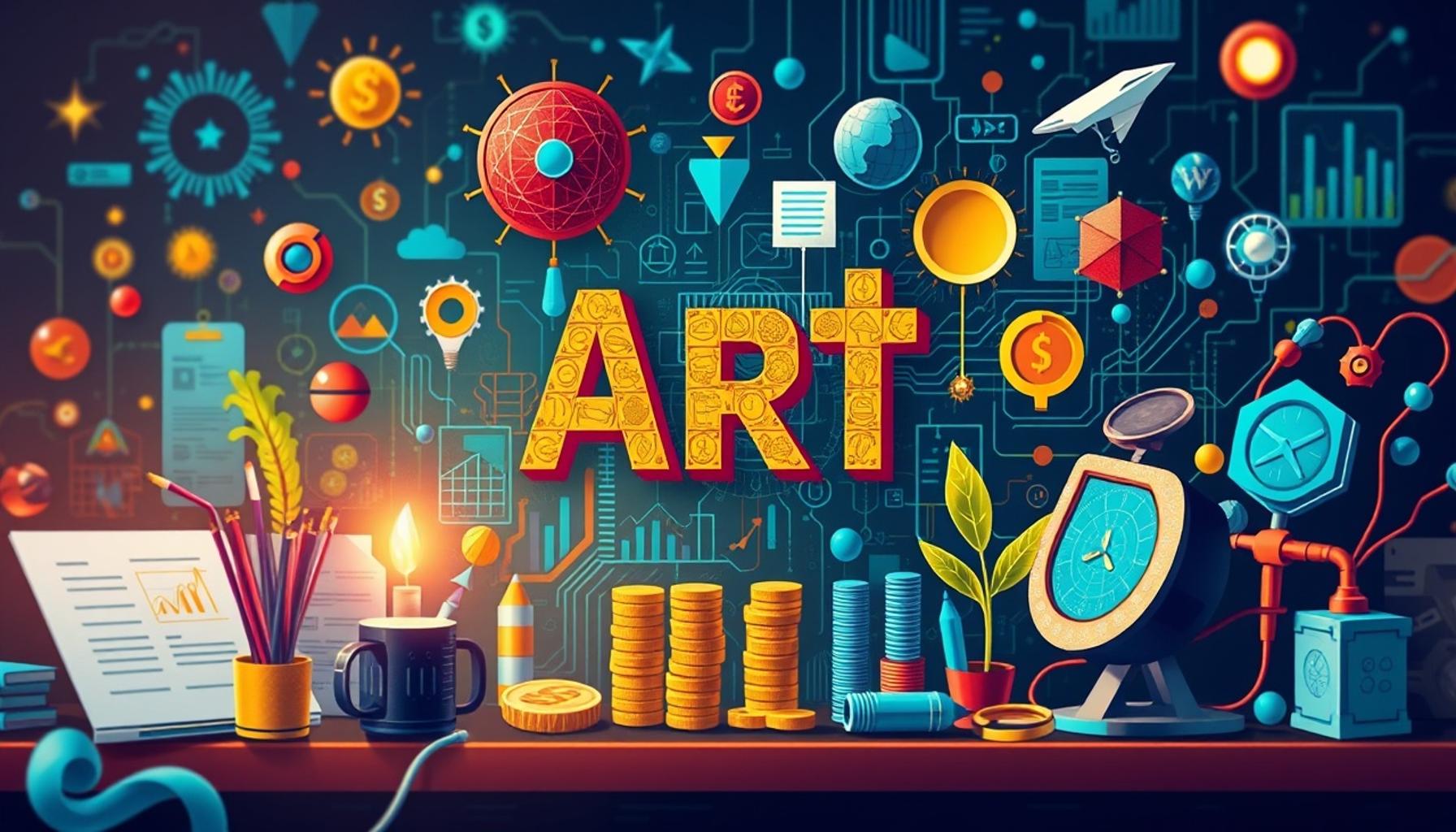
In recent years, the worlds of art and technology have become increasingly intertwined, leading to a remarkable transformation in how creativity is expressed. With the rise of digital tools, artists are reinventing their practices, breaking traditional boundaries and connecting with audiences in unprecedented ways. This convergence not only enhances the capabilities of artists but also democratizes art, making it more accessible to the public.
- Digital Platforms: Artists now have access to platforms like Instagram and TikTok, which provide them with greater visibility and engagement opportunities. For instance, many emerging artists have gained substantial followings by showcasing their work on these platforms, receiving instant feedback and support from a global audience. The viral nature of content on these platforms can elevate unknown talents into the spotlight overnight. Moreover, artists can engage with their audience through live streams, tutorials, and Q&A sessions, fostering a two-way communication channel that transcends traditional gallery settings.
- New Tools: Software such as Adobe Creative Suite and Procreate enables innovative techniques previously unavailable in traditional mediums. Artists can experiment with digital painting, 3D modeling, and animation, creating immersive experiences. Technologies like augmented reality (AR) and virtual reality (VR) are also pushing boundaries; for example, a VR art installation can transport viewers into an entirely different world, blurring the lines between observer and participant. Similarly, generative art, created using algorithms, challenges notions of authorship and originality.
- Collaboration: Creative partnerships between technologists and artists are yielding groundbreaking projects that challenge the norms of both fields. Take, for example, the collaboration between musicians and AI developers, where artificial intelligence analyzes vast amounts of music to create new compositions. These partnerships often yield results that push the envelope of what is possible, resulting in innovative performances that might have seemed unimaginable a few decades ago.
This convergence is not just limited to visual arts; it spans across music, literature, film, and performance. Artists are increasingly using technology to create immersive storytelling experiences, such as interactive theatre or multimedia installations that engage multiple senses. As technology evolves, so too do the possibilities for artistic expression, leading to intriguing questions about the future of creativity.
In this exploration, we will delve into how digital tools are shaping artistic practices and expanding the horizons of what creativity can achieve. The intersection of art and technology is not merely a trend; it is a profound shift that invites everyone to rethink the essence of creativity and innovation. With so many directions to explore, the future of art promises to remain as dynamic and exciting as the technological advancements that drive it forward.
The New Canvas: Digital Platforms and Their Impact
As the digital age continues to evolve, social media platforms have become indispensable tools for artists seeking to carve out their niche in a crowded creative landscape. Platforms like Instagram and TikTok are no longer just casual social networks; they have transformed into vibrant ecosystems where art can flourish. These platforms allow artists to share their work and connect with audiences across different demographics and geographies, creating a global art community that transcends physical boundaries.
The accessibility of these digital platforms has democratized the art world, providing opportunities for artists of all backgrounds. According to a 2021 report by Statista, Instagram holds over one billion active users, with 80% of accounts following at least one business or artist. This tremendous reach empowers artists to gain visibility and engage with potential buyers directly, making art more attainable and fostering a direct relationship between creator and consumer.
Examples of Success
One of the outstanding success stories is that of Gabriella Zuo, a contemporary artist who gained recognition after sharing her paintings on Instagram. Within months, her work went viral, leading to collaborations with major brands and galleries. Stories like Gabriella’s illustrate how digital tools can propel artists to prominence without the traditional gatekeeping found in galleries and art fairs.
- Instant Feedback: Artists can receive immediate reactions to their work, allowing for real-time adjustments and improvements based on audience engagement. This shift encourages continuous experimentation and fosters a sense of community among creators and their followers.
- Sales Opportunities: Social media is increasingly integrated with e-commerce, allowing artists to sell original works, prints, and merchandise directly through their profiles. This direct sales approach has redefined how artists monetize their talents.
- Engagement and Interaction: With features like live streaming, polls, and Q&A sessions, artists can build genuine relationships with their audience, sharing insights into their creative process and offering behind-the-scenes glimpses that deepen appreciation for their work.
However, this digital revolution is not without its challenges. The overwhelming nature of social media feeds can lead to burnout for artists trying to maintain a continuous online presence. Additionally, the pressure to conform to certain aesthetic norms or trends can stifle individual artistic expression. Yet, the creative community is finding ways to navigate these challenges by fostering authenticity and celebrating diverse voices.
The impact of digital platforms on the art world exemplifies a broader trend at the intersection of art and technology. This merging offers artists not only new methods of creation but also pathways to engage with audiences like never before. As we explore the variety of tools available and the innovative practices emerging from this intersection, one thing is clear: the digital age is reshaping how art is perceived and experienced, marking a new chapter in the evolution of creativity.
| Category | Overview |
|---|---|
| Digital Art Tools | Innovative software applications enabling artists to create and manipulate art digitally, enhancing creativity. |
| Collaboration Platforms | Tools that allow artists to work together across distances, merging diverse ideas and styles seamlessly. |
| Mixed Reality Experiences | Augmented and virtual reality tools that immerse audiences in interactive art, redefining the viewer’s role. |
| 3D Printing | Allows artists to bring digital designs into physical form, transforming concepts into tangible creations. |
The synergy between art and technology is not just enhancing creativity but also expanding its boundaries. With digital art tools, artists are able to explore new textures, colors, and depths that traditional materials cannot provide. This freedom has led to a wave of innovative artworks that challenge conventional perceptions of art. Collaboration platforms further enrich this landscape by enabling artists from different geographical locations to combine their talents, resulting in works that reflect a fusion of cultures.Additionally, the advent of mixed reality experiences is transforming how audiences interact with art. Instead of being passive viewers, they can now engage in a two-way dialogue, experiencing art in a way that evokes emotions and responses. This interactivity paves the way for immersive storytelling, where the line between creator and audience blurs.Moreover, the emergence of 3D printing technology offers artists a unique medium to redefine their practices. It allows the creation of sculptures and installations that push the limits of physical craftsmanship. Digital blueprints can morph into intricate objects, providing an exciting intersection where technology transforms artistic vision into reality.The ongoing conversation at the junction of creativity and technology suggests an endless horizon for both artists and audiences alike to explore innovative realms.
Creative Innovations: The Role of Digital Tools in Artistic Expression
In addition to social media’s pivotal role in expanding artist reach, digital tools have revolutionized the very techniques artists employ to create. Artists now have access to a plethora of software and hardware options that enhance creativity and efficiency. From graphic design applications like Adobe Creative Suite to 3D modeling tools such as Blender and virtual reality environments, the possibilities for artistic expression are limitless.
Among the most groundbreaking advancements are digital painting and illustration tools that mimic traditional art mediums while providing unique enhancements. For instance, programs like Procreate and Corel Painter allow artists to create stunning works that can rival oil paint or watercolor, but with the added benefits of undo functions and customizable brushes. This technology not only minimizes waste but allows for a more fluid exploration of ideas, encouraging artists to experiment without the fear of permanent mistakes.
The Rise of Generative Art
One of the most fascinating developments in the intersection of art and technology is the emergence of generative art. This form of art relies on algorithms, computer code, and data inputs to produce unique artwork, often in real-time. Artists such as Casey Reas, co-creator of Processing, have been at the forefront of this movement, using programming to explore new creative avenues. Generative art challenges traditional notions of authorship and creative ownership, sparking debates around the definition of art itself.
- AI-Generated Art: With machine learning algorithms, platforms like DALL-E and Artbreeder enable users to generate images based on simple prompts, showcasing the potential of artificial intelligence in the creative realm. This technology has captivated audiences, promoting discussions about the role of AI as a creative partner.
- Interactive Art Installations: Artists are increasingly utilizing augmented reality (AR) and virtual reality (VR) to create immersive experiences. Projects such as “Tilt Brush” allow viewers to step inside a 3D artwork, providing a transformative sensory experience that traditional mediums cannot replicate.
- Real-Time Collaboration: Technologies like Google Arts & Culture offer tools for live collaboration between artists regardless of location. This opens doors for cross-cultural exchanges and shared creative projects, further pushing the boundaries of what is considered art.
This integration of digital tools not only enhances creative capabilities but also makes art a more collaborative and inclusive endeavor. Workshops and online tutorials hosted on platforms like YouTube allow students and aspiring artists to learn directly from industry professionals. This accessibility fuels a culture of sharing knowledge, where traditional mentorship can be supplemented or even replaced by global lessons and perspectives.
Furthermore, the use of digital mediums is influencing art consumption habits. Virtual galleries are breaking geographical barriers, allowing art lovers to view exhibitions from the comfort of their homes. Leading institutions, such as the Metropolitan Museum of Art and the Louvre, have invested in digital exhibitions that offer interactive experiences, thereby reaching wider audiences and diversifying the demographic engaging with their collections.
As artists continue to embrace these emerging technologies, it is evident that they are not merely tools, but powerful allies in the pursuit of creative expression. The melding of art and technology is emblematic of a richer, more diverse creative landscape that challenges conventions and embraces innovation, ultimately transforming how we perceive and engage with art today.
Conclusion: Embracing the Future of Creativity
The intersection of art and technology marks a significant shift in the creative landscape, where digital tools are not merely supplementary but foundational to artistic expression. As we have explored, advances in software applications, generative art, and immersive experiences are enabling artists to break traditional boundaries and redefine what creativity means in this digital age. This transformation is fostering a vibrant community of creators who leverage AI, virtual reality, and online collaboration to continuously push the limits of human imagination.
Moreover, the democratization of art is becoming a powerful narrative. Platforms that provide accessibility to learning and showcasing artists’ work are not just changing the art community; they are expanding it exponentially, allowing for a wider array of voices and ideas to flourish. Institutions like the Metropolitan Museum of Art are leading the charge by embracing virtual galleries, changing how audiences engage with art beyond physical spaces.
As we look to the future, it is critical to recognize that the relationship between art and technology is an ongoing dialogue. The evolving dialogue between creativity and technological advancement invites us to rethink our perceptions and embrace the collaborative spirit of innovation. Ultimately, this intersection is not just transforming creativity; it’s broadening the accessibility and relevance of art in contemporary society, inspiring us all to explore new creative horizons.