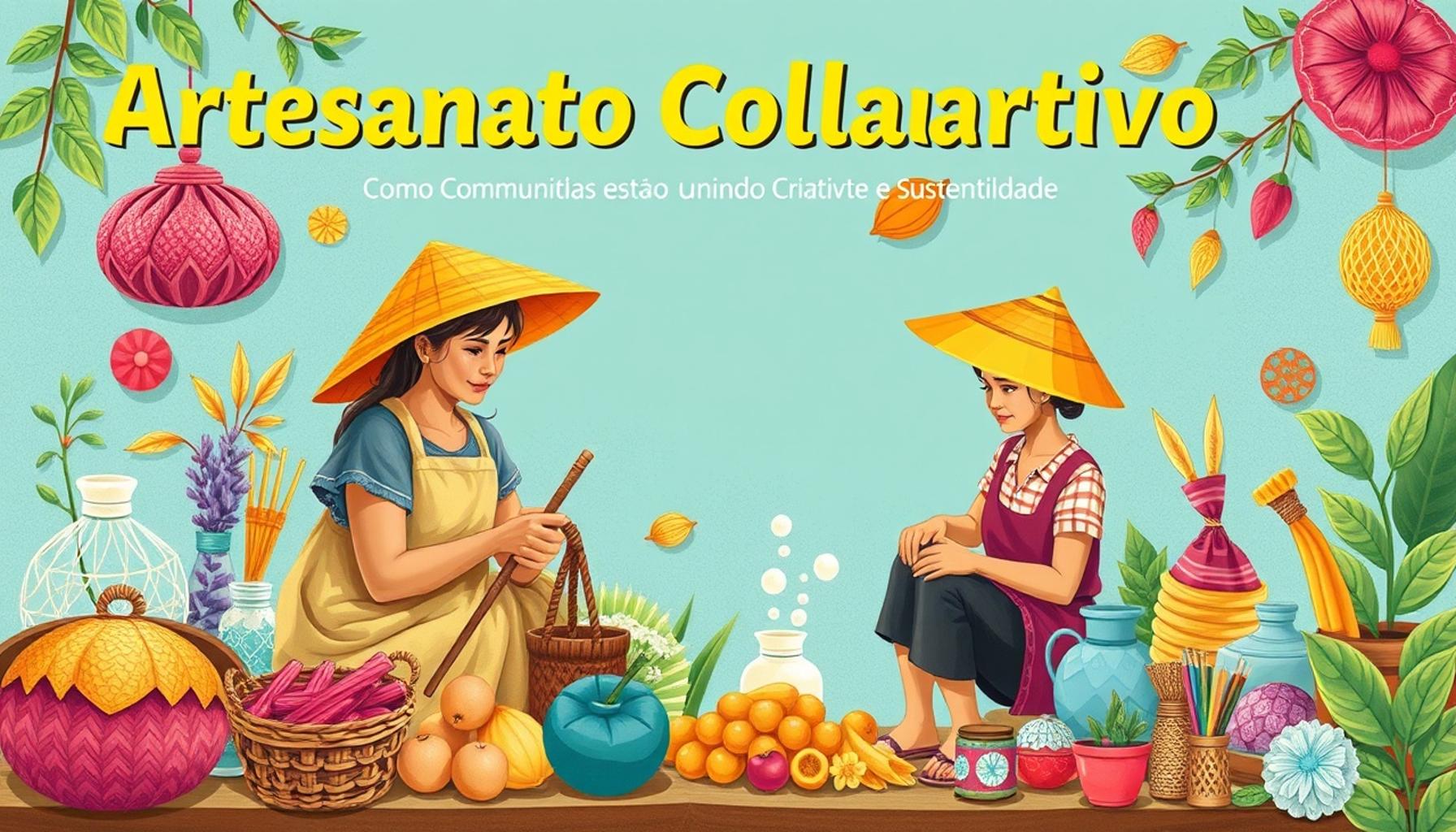
The Intersection of Crafting and Sustainability: Creating Unique Pieces with Eco-Friendly Materials

The Intersection of Craft and Sustainability
In today’s world, where environmental issues are at the forefront, the melding of crafting and sustainability has become increasingly vital. Artisans and hobbyists alike are embracing eco-friendly materials to create unique pieces that not only showcase their creativity but also promote sustainable practices. This intersection is fostering a movement that resonates with many, sparking interests in both craft and environmental preservation.
Crafting with sustainability in mind offers numerous benefits. One of the most crucial advantages is the reduction of waste. By utilizing recycled and upcycled materials, such as old newspapers, glass bottles, or fabric scraps, creators can minimize their environmental footprint. For instance, artists are transforming worn-out denim into beautiful quilts or accessories, breathing new life into materials that would otherwise contribute to landfills.
Another significant benefit is the support for local economies. Choosing eco-friendly products often means sourcing materials from local suppliers or small businesses. This practice not only fosters community spirit but also reduces the carbon emissions associated with transporting goods over long distances. Many artisans have started collaborating with local farmers or manufacturers to source organic fabrics or sustainably harvested wood, reinforcing the importance of regional craftsmanship.
Additionally, crafting with sustainable materials often leads to enhanced health benefits. Many eco-friendly materials are non-toxic, making them safer for both creators and consumers. For example, natural dyes derived from plants or minerals are a healthier alternative to synthetic dyes, which can contain harmful chemicals. This shift towards using non-toxic materials is crucial in reducing exposure to harmful substances, benefiting both artisans and the end-users of their creations.
As green consumerism rises, makers are finding innovative ways to incorporate these principles into their work. From handmade textiles to furniture crafted from reclaimed wood, the potential for unique designs is limitless. For example, furniture makers might use reclaimed barn wood, giving their pieces not only a rustic aesthetic but also a story that speaks to sustainability and history.

Techniques and Materials for Eco-Friendly Crafting
This article will delve into the techniques, tips, and materials that empower artists to create remarkable pieces while championing sustainability. Techniques such as sewing with zero waste patterns, using biodegradable glues, or integrating digital tools to minimize material waste are becoming popular among crafters.
As the crafting community becomes more aware of its role in promoting sustainability, the movement continues to grow, inspiring a new generation of artisans to think critically about the materials they use and the impact their work has on the planet. Embracing eco-friendly creativity not only enhances the artistic value of crafts but also contributes to a more sustainable future.
Unleashing Creativity with Eco-Conscious Techniques
The art of crafting is a dynamic realm, constantly evolving and integrating new ideas and materials. As sustainability becomes a focal point in our collective consciousness, crafters are redefining their creative processes to incorporate eco-friendly practices. This transformation is not merely about using sustainable materials; it’s about adopting a holistic approach to crafting that prioritizes the environment while celebrating creativity.
One of the fascinating aspects of this movement is the variety of eco-friendly materials available to artists today. Here are some of the most popular options that are capturing the imagination of makers across the United States:
- Recycled Paper: From handmade cards to intricate paper crafts, artists are using recycled paper to create stunning pieces, reducing the demand for virgin materials and encouraging forest conservation.
- Organic Fabrics: Materials like organic cotton, hemp, and linen are favored for textiles due to their low environmental impact and biodegradability, allowing makers to produce clothing and accessories that are as kind to the earth as they are stylish.
- Natural Dyes: Sourcing colors from plants, fruits, and minerals gives textiles unique hues while avoiding the toxic chemicals found in synthetic dyes, making them safer for both the maker and the consumer.
- Reclaimed Wood: Furniture makers and woodworkers are increasingly relying on wood salvaged from old structures, giving new life to beautiful timber while preserving forests.
- Biodegradable Plastics: Crafting with biodegradable alternatives made from corn starch or other organic materials helps to mitigate the environmental footprint of plastic use in crafts.
Moreover, the techniques employed by artisans are evolving to align with sustainability goals. Techniques such as zero-waste pattern making in sewing ensure that fabric scraps are minimized, resulting in less waste. Crafters are also experimenting with methods that highlight the beauty of imperfections, embracing the uniqueness of handmade items rather than adhering strictly to mass production standards.
Another intriguing development is the integration of digital tools in crafting, allowing creatives to plan and visualize their projects effectively. Using design software can enable crafters to optimize their use of materials, making informed decisions that minimize waste and maximize creativity.
Additionally, the crafting community is increasingly focused on transparency regarding their environmental impact. Many artisans are sharing their sourcing strategies and processes through social media platforms and local markets. This promotes a culture of accountability and encourages consumers to make informed choices about the products they buy.
As the crafting world embraces these innovative materials and techniques, it becomes a beacon of hope and inspiration. Artisans not only create functional and aesthetically pleasing items but also advocate for a more sustainable future. With each unique piece produced, they contribute to a growing narrative that celebrates the beauty of craftsmanship intertwined with ecological responsibility.
The Intersection of Crafting and Sustainability
As the world shifts towards greater environmental consciousness, the intersection of crafting and sustainability presents a unique opportunity for artisans and creators. By incorporating eco-friendly materials into their work, crafters not only produce distinctive pieces but also contribute to a more sustainable future. This dual focus on artistry and environmental responsibility is reshaping industries and empowering consumers to make informed choices.
Handmade items crafted from recycled, organic, or sustainably sourced materials resonate with eco-conscious consumers who value authenticity and artistry. This trend underscores the significance of transparency in the sourcing and creation processes. Products like organic cotton, bamboo, and reclaimed wood are increasingly popular, as they minimize waste and reduce the carbon footprint associated with production.
Moreover, the crafting community is thriving on platforms that celebrate sustainable practices. By creating awareness of the importance of reducing plastic waste and emphasizing local sourcing, artisans are leading by example. Collaborative projects such as community workshops and sustainability fairs not only promote eco-friendly crafting methods but also inspire others to rethink their consumer habits and support local economies.
Artisans are also embracing innovative techniques such as upcycling and natural dyeing, which reduce reliance on harsh chemicals and contribute to waste reduction. This movement not only empowers creators but also fosters a deeper connection between the maker and the consumer, as each piece tells a story of environmental stewardship and individual creativity.
| Advantages | Impact |
|---|---|
| Unique Creations | Every piece is crafted with individuality and care, showcasing the artisan’s touch. |
| Environmental Responsibility | Utilizing eco-friendly materials reduces waste and promotes sustainability. |
This synergy of craftsmanship and sustainability not only enhances the appeal of products but also invites the public into a dialogue about environmental responsibility. By choosing to support artisans who prioritize eco-friendly materials, consumers actively participate in a movement that values both creativity and sustainability. As interest in sustainable crafting continues to grow, so too will the demand for authentic pieces that contribute to a greener future.
Building a Community of Eco-Conscious Crafters
As the dialogue surrounding sustainability continues to grow, the crafting community is rallying together to share resources, techniques, and stories that emphasize the importance of environmentally friendly practices. This movement thrives on collaboration, with many artisans fostering networks that not only bolster their creative endeavors but also promote ecological awareness. Local workshops, online forums, and social media platforms serve as spaces for crafters to connect, strategize, and innovate while reinforcing their commitment to sustainability.
One such initiative gaining traction is the concept of craft exchanges. These events allow crafters to trade materials, tools, and finished products, reducing waste within the community while fostering camaraderie. For instance, a host of local crafters in cities across the United States have organized meet-ups where they can bring unused yarn, fabric, or other supplies, creating opportunities to inspire one another with fresh ideas and projects. This culture of sharing helps not only in reducing the carbon footprint associated with production and transportation but also in connecting like-minded individuals.
Furthermore, workshops centered on sustainable crafting are becoming increasingly popular nationwide. These workshops educate participants on eco-friendly techniques such as making natural dyes, sewing with reclaimed fabric, or constructing furniture from salvaged materials. By imparting this knowledge, instructors ensure that participants leave with valuable skills that combine creativity with ecological mindfulness. Craft schools and studios from New York to San Francisco are leading the rise of these classes, which often fill up quickly due to high demand.
This interconnectedness extends to the digital realm, where various platforms are dedicated to celebrating sustainable craftsmanship. Websites like Pinterest and Etsy are teeming with eco-friendly DIY project ideas and marketplaces for sustainable goods. Crafters utilize these tools not just to showcase their own work but also to gather inspiration from their peers. The community aspect of social media—especially targeted groups and hashtags such as #SustainableCrafting—creates a hub for discussion that encourages the exploration of new materials and techniques.
The influence of consumer demand can hardly be understated in this ecosystem. As eco-consciousness permeates the mainstream, more consumers are seeking out sustainable products, creating a lucrative market for crafters who align with these values. Recent data suggests that approximately 66% of U.S. consumers are willing to pay more for sustainable brands, indicating a shift in purchasing habits that emphasizes sustainability as a priority. This evolution pushes artisans not only to adopt eco-friendly materials but also to market their products authentically and transparently, which many buyers value deeply.
Interestingly, some major retail chains have also started to recognize this trend. Brands such as IKEA and Patagonia have embraced sustainable crafting practices within their arts and crafts sections, promoting eco-friendly products and materials. By integrating sustainability into their corporate ethic, these companies help to normalize environmentally responsible crafting among mainstream consumers.
As we continue navigating the intricate intersection of crafting and sustainability, the collective passion of individuals devoted to creating unique, eco-friendly pieces stands as a powerful force. Each innovative technique, community gathering, and market decision reflects a commitment to a healthier planet and a richer, more vibrant crafting culture.
Embracing a Sustainable Crafting Future
In conclusion, the intersection of crafting and sustainability presents a vibrant and transformative avenue for creativity that prioritizes environmental responsibility. As crafters increasingly turn to eco-friendly materials and innovative techniques, they not only produce unique, handmade treasures but also contribute to a burgeoning movement that emphasizes ecological mindfulness. This commitment is evident in the rise of local craft exchanges, workshops teaching sustainable practices, and an engaged online community sharing knowledge and inspiration.
Moreover, consumer demand for sustainable products continues to shape this landscape, as evidenced by the significant percentage of consumers willing to invest in eco-friendly brands. This financial motivation urges artisans to embrace not just ethical practices but also transparency, enriching the overall consumer experience. Leading retailers like IKEA and Patagonia are further reinforcing this shift by integrating sustainability into their offerings, which helps to establish a more widespread culture of responsible crafting.
As we move forward, the intersection of crafting and sustainability not only holds potential for individual artistic expression but also carries the promise of a more sustainable future for our planet. By engaging with these principles, crafters and consumers alike become stewards of change, harnessing the power of creativity to advocate for a healthier environment. It is a movement that invites everyone to explore their creativity while making conscientious choices—ultimately leading to a more resilient and vibrant crafting community.