Exploring Molecular Cuisine: The Fusion of Science and Art in Cooking
The Art and Science of Molecular Cuisine
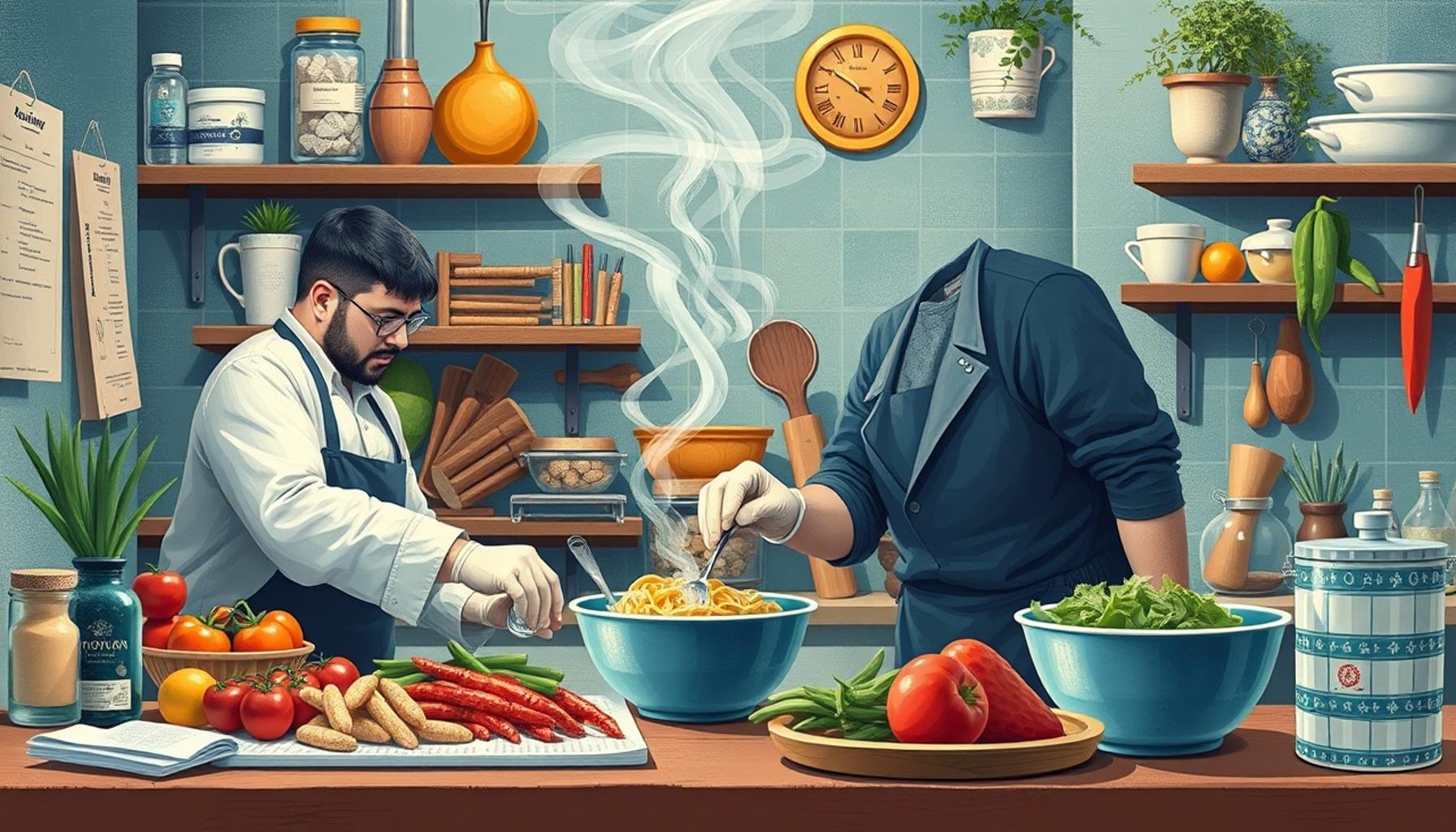
Imagine plating a dish that not only tantalizes the taste buds but also sparks curiosity in the mind. Welcome to the fascinating world of molecular cuisine, where science meets artistry in the realm of cooking. This innovative culinary movement transforms traditional ingredients using scientific techniques, presenting food in unexpected ways that delight and engage diners. As we explore this unique gastronomic landscape, we can better understand how it challenges conventional cooking methods, creating a sensory experience that goes beyond the mere act of eating.
Molecular cuisine incorporates a variety of methods and technologies to achieve stunning results, which can greatly enhance the culinary experience. Some key techniques include:
- Sous-vide cooking: This method involves sealing food in vacuum bags and cooking it in a water bath at precise temperatures for extended periods. This process allows for even cooking and retention of moisture, flavor, and nutrients. For instance, a steak cooked sous-vide can achieve a level of tenderness and juiciness that traditional grilling might not accomplish.
- Foaming: Creating airy textures using foams can enhance both the flavor and visual appeal of dishes. Chef Wylie Dufresne, a prominent figure in this field, uses foams to infuse unexpected flavors into classical dishes, providing a whimsical experience for diners.
- Spherification: This technique forms liquid spheres that burst with flavor upon consumption. A popular example in the United States is the creation of fruit caviar, which takes the essence of fruit juice and encapsulates it in a delicate, gelatinous membrane, allowing diners to experience an explosion of flavor.
- Gelification: Transforming liquids into gels can create unique textures that intrigue the palate. For example, chefs use agar-agar or gelatin to mold cocktails into delicate gel cubes, offering a modern twist on classic drinks.
The beauty of molecular cuisine lies not only in its innovative techniques but also in the way it elevates food presentation, turning each dish into a stunning work of art. Chefs like Ferran Adrià, renowned for his creative endeavors at El Bulli, have redefined the dining experience by using these methods to stimulate curiosity and conversation at the table. His philosophy revolves around deconstructing flavors and textures and reassembling them in an unexpected manner, prompting diners to engage with their food in new ways.
As we dive deeper into the techniques, inspirations, and results of this captivating culinary trend, it becomes clear that molecular cuisine represents an intriguing intersection of food science and artistic expression. It invites chefs and food enthusiasts alike to rethink the way we experience dining, encouraging ongoing exploration and innovation in the kitchen. As molecular cuisine continues to evolve, it is essential for both culinary professionals and home cooks to embrace its principles, paving the way for future culinary adventures.
DISCOVER MORE: Click here to dive deeper
Techniques That Transform the Culinary Experience
At the heart of molecular cuisine lies a rich tapestry of innovative techniques that turn the ordinary into the extraordinary. These methods not only enhance flavors but also create a multi-dimensional dining experience that appeals to all the senses. As chefs experiment with these tools, they unlock new possibilities, pushing the boundaries of what cooking can be.
One of the most celebrated techniques, sous-vide cooking, exemplifies molecular cuisine’s commitment to precision. By cooking food in a vacuum-sealed bag submerged in a precisely heated water bath, chefs can achieve results that are often unattainable through traditional cooking methods. The result? A perfectly tender steak, cooked uniformly from edge to edge, while retaining its juices and flavors. In Kentucky, a growing number of restaurants are opting for sous-vide methods, showcasing the technique by serving up succulent, sous-vide pork belly with roasted seasonal vegetables, creating delectable dishes that are both visually arresting and mouthwateringly tender.
Another hallmark of this modern culinary movement is foaming, which transforms liquids into airy, flavored textures. Imagine a spoonful of lavender foam artfully placed atop a plate of grilled scallops. Chefs leverage foams to introduce unexpected flavor profiles, enhancing traditional dishes while inviting diners to engage with each bite. This method not only pleases the palate but also creates a visual feast that captivates the audience. For example, renowned chef Heston Blumenthal has introduced “whispering” foam in his dining experiences, where the airy concoction creates an artistic cloud around the dish, leading diners into a sensory wonderland.
Spherification is another revolutionary technique that sparks delight at the dining table. As diners bite into small spheres resembling caviar, they are met with a burst of flavor, encapsulating the essence of various liquids. This method has gained popularity in molecular bars, where mixologists create alcohol-based pearls that explode with taste as they mingle with traditional cocktails. In many trendy San Francisco eateries, fruit caviar garnishes cocktails, enhancing both flavor and presentation, creating a drinking experience as visually enticing as it is delicious.
Furthermore, gelification opens doors to unique textures, allowing chefs to mold liquids into jellies or gels. This technique can revitalize classic cocktails by transforming them into elegant gel cubes that can be enjoyed with a fork. Restaurants are using this to creatively reinterpret traditional favorites, such as serving a classic whiskey sour as a gelée on a bed of crushed ice, adding a modern twist to a beloved drink.
Embracing these groundbreaking techniques, chefs like Grant Achatz at Alinea in Chicago have become pioneers of molecular cuisine. Achatz has famously turned dining into an interactive experience, where each dish tells a story, merging the realms of gastronomy and performance art. Each bite is intended not just to satisfy hunger but to evoke emotions and provoke thoughts, transforming the act of dining into a memorable journey.
As we continue to uncover the myriad techniques that define molecular cuisine, it is apparent that this culinary movement is reshaping the landscape of food. By fusing science with artistry, chefs invite us to explore new textures and flavors, encouraging a deeper connection with the food we consume. This extraordinary journey beckons both culinary professionals and adventurous home cooks to step into the world of molecular cuisine, sparking endless possibilities for innovation.
| Category | Details |
|---|---|
| Precision of Techniques | Molecular cuisine utilizes scientific methods to achieve optimal flavors and textures, ensuring a remarkable dining experience. |
| Creativity and Presentation | Culinary artists blend innovation with aesthetics, transforming dishes into edible art that captivates the senses. |
| Health and Nutrition | Enhanced techniques allow for healthier cooking methods, retaining vital nutrients while delivering bold flavors. |
| Experimental Dining | Molecular cuisine encourages experiential dining, where each meal becomes an exploration of taste and imagination. |
In the realm of molecular cuisine, the science behind cooking combines seamlessly with the artistry of chefs. Techniques such as spherification and foaming go beyond traditional methods, offering guests unique sensations and vibrant presentations. The alchemy of flavors and textures found in this modern culinary approach allows chefs to play with ingredients, finding harmony in what may seem like unexpected pairings.
DISCOVER MORE: Click here for DIY interior decoration tips
The Role of Ingredients in Molecular Gastronomy
In the realm of molecular cuisine, ingredients are not merely components of a dish; they are the foundation upon which culinary innovation thrives. Chefs meticulously select and manipulate ingredients, employing scientific principles to elevate flavors and textures to new heights. This approach not only expands the flavor spectrum but also introduces fresh narratives in the culinary arts.
A key ingredient in this scientific exploration is agar-agar, a gelatinous substance derived from seaweed. Agar-agar serves as a vegan alternative to traditional gelatin, allowing chefs to create unique textures while remaining accessible to a broader audience. In many avant-garde kitchens across the United States, agar-agar is used to craft delicate gels or foams that can encapsulate flavors for a sensory surprise. Imagine a dish where lemon gel filled with hints of basil is served alongside grilled fish, offering a delightful interplay of flavors that embodies the essence of both land and sea.
Another revolutionary ingredient, liquid nitrogen, has redefined the possibilities in the kitchen. This ultra-cold substance not only aids in freezing ingredients instantly but also creates visually striking presentations through dramatic vapor clouds. At establishments like The Fat Duck in England, liquid nitrogen is employed to create frozen foams and ice creams that evaporate upon contact with the tongue, creating a refreshing and ethereal sensation. The incorporation of such striking ingredients has become a signature for many leading chefs, allowing them to broaden their gastronomic palettes.
Flavor Pairing and the Science Behind It
The science of flavor pairing plays a central role in molecular cuisine, as chefs explore unprecedented combinations that awaken the taste buds. This method is rooted in the concept that certain ingredients share chemical compounds which, when combined, can enhance the overall flavor profile of a dish. This profound understanding not only stimulates creativity but also encourages chefs to experiment with unconventional pairings.
For instance, a modern reinterpretation of the classic pairing of chocolate and chili demonstrates this intriguing approach. The incorporation of chili-infused chocolate brings a warm, spicy kick that contrasts with the richness of the cacao, creating an exciting culinary experience. Renowned chefs like Thomas Keller advise aspiring culinarians to embrace the unexpected by experimenting with flavors akin to those found in nature. Such explorations have contributed to the rise of daring dishes like chocolate chili mousse or savory chocolate sauces that seamlessly marry science with creativity.
The Influence of Technology in Molecular Cuisine
The intersection of technology and cooking has shaped the landscape of molecular gastronomy in unprecedented ways. Advanced kitchen tools like digital refractometers or pH meters allow chefs to precisely measure sugar levels or acidity, leading to a more refined culinary product. This analytical approach ensures that flavors can be finely tuned to achieve the perfect balance.
Additionally, the rise of 3D food printing is set to revolutionize molecular cuisine even further. This innovative technology enables chefs to create meticulously designed plates of food with customized shapes and sizes, showcasing not only aesthetics but also the complexity of flavors and textures. As early adopters in the U.S. begin to integrate 3D printing into their offerings, diners are treated to visually stunning creations that are as delicious as they are artful.
Through these advancements, molecular cuisine invites a deeper appreciation for the artistry and science of cooking. By unlocking the full potential of ingredients, flavor pairing, and technology, chefs are forging a path for a culinary experience that transcends traditional norms, encouraging diners to embark on a gastronomic adventure like never before.
DISCOVER MORE: Click here to personalize your space
Conclusion: The Culinary Revolution of Molecular Cuisine
In the captivating world of molecular cuisine, the intersection of science and art invites both chefs and diners to redefine their understanding of food. This innovative culinary movement not only challenges traditional cooking methods but also embraces advanced techniques and unique ingredients to create extraordinary flavor experiences. Through careful manipulation of components like agar-agar and liquid nitrogen, chefs craft dishes that surprise and delight, adding layers of complexity to every bite.
As culinary artists dive deeper into the science of flavor pairing, they open the door to a realm of unexpected combinations that expand the palate. Coupled with cutting-edge technology such as 3D food printing, molecular gastronomy is unlocking uncharted territories of creativity, where the visual presentation of a plate is as critical as the taste. This evolving landscape encourages a fresh narrative around food, transforming the dining experience into an immersive journey of excitement and curiosity.
Looking towards the future, molecular cuisine will undoubtedly continue to challenge perceptions, encouraging exploration and experimentation in kitchens across the United States and beyond. For those eager to embark on their own culinary adventure, embracing the principles of this movement can lead to not just meals, but masterpieces that tantalize the senses. With each creation, chefs are not merely crafting dishes; they are forging a dialogue between science and artistry—an inspiring testament to the power and potential of food innovation.