Menu

The Art of Presentation: How to Transform Common Dishes into Culinary Masterpieces

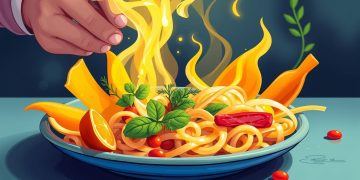
Discover how to elevate everyday meals into culinary masterpieces through the art of presentation. By focusing on color contrast, texture variety, and garnishing techniques, you can transform common dishes into visually stunning experiences that enhance taste and impress diners, making every meal a feast for the senses.

Molecular Cuisine: The Intersection of Science and Flavor in Creative Cooking

Molecular cuisine blends science and artistry, transforming traditional cooking into innovative culinary experiences. Techniques like spherification and sous-vide create unexpected textures and flavors, while ingredient innovations push the boundaries of taste. This dynamic approach invites diners to engage in a sensory journey, redefining modern dining through creativity and scientific exploration.

Exploring Flavors of the World: Learning to Cook Typical Dishes from Different Cultures

Discover the rich tapestry of global cuisines by learning to cook typical dishes from various cultures. Each recipe unveils unique flavors, techniques, and stories that connect you to diverse traditions. This culinary exploration enhances skills, fosters creativity, and cultivates a deeper appreciation for cultural heritage through food.

Sustainable Cuisine: Creating Gourmet Delights with Local and Organic Ingredients

Sustainable cuisine emphasizes the use of local and organic ingredients, enhancing flavor and nutrition while supporting community and environmental health. By embracing innovative cooking techniques and seasonal produce, home cooks and chefs can create gourmet dishes that celebrate responsible dining and foster a connection to the land and its resources.

The Art of Presentation: How to Beautify Dishes to Enhance the Dining Experience

In culinary arts, food presentation is crucial for enhancing the dining experience. Thoughtful arrangements, vibrant colors, and innovative techniques transform meals into visual masterpieces. Mastery of presentation techniques stimulates appetite, evokes emotions, and invites diners to savor not just flavors, but the artistry behind each beautifully plated dish.

Exploring Molecular Cuisine: The Fusion of Science and Art in Cooking

Molecular cuisine merges science and art in cooking, transforming traditional ingredients into extraordinary dishes. Techniques like sous-vide, foaming, and spherification enhance flavors and presentation, creating a sensory dining experience. This innovative culinary movement encourages creativity and exploration, redefining how we engage with food.

The Food Revolution: How Technology is Transforming Creative Cooking

Technology is revolutionizing creative cooking by transforming kitchens with smart appliances, innovative cooking apps, and online communities. These advancements enhance culinary skills, foster global connections, and promote sustainability, enabling chefs and home cooks to explore new techniques and flavors while reshaping their relationship with food in the modern culinary landscape.

Culinary and Sustainability: Creative Practices for an Ecological Kitchen

The article explores innovative culinary practices that promote sustainability in the kitchen. It emphasizes local sourcing, waste reduction, and plant-based diets, highlighting techniques like composting, circular cooking, and community-supported agriculture. By integrating these eco-friendly methods, individuals can revolutionize their cooking habits and contribute to a greener future.

The Art of Presentation: Transforming Dishes into Works of Art

Elevate your dining experience by mastering the art of presentation, which transforms meals into visual masterpieces. Through thoughtful techniques like color balance, texture variation, and cultural influences, every dish can tell a story, enhancing flavor perception and creating memorable culinary moments. Embrace creativity and sustainability in your culinary artistry.

Exploring Flavors: The Influence of Cultures on the Development of Creative Recipes

The article highlights how diverse cultures shape creative recipes, showcasing the rich interplay of ingredients, cooking techniques, and traditions. By exploring global culinary influences, it reveals how food fosters connections, encourages innovation, and enhances our appreciation of flavors, making every dish a vibrant narrative of its heritage.