
The Art of Cooking: How Cooking Becomes a Form of Personal Expression
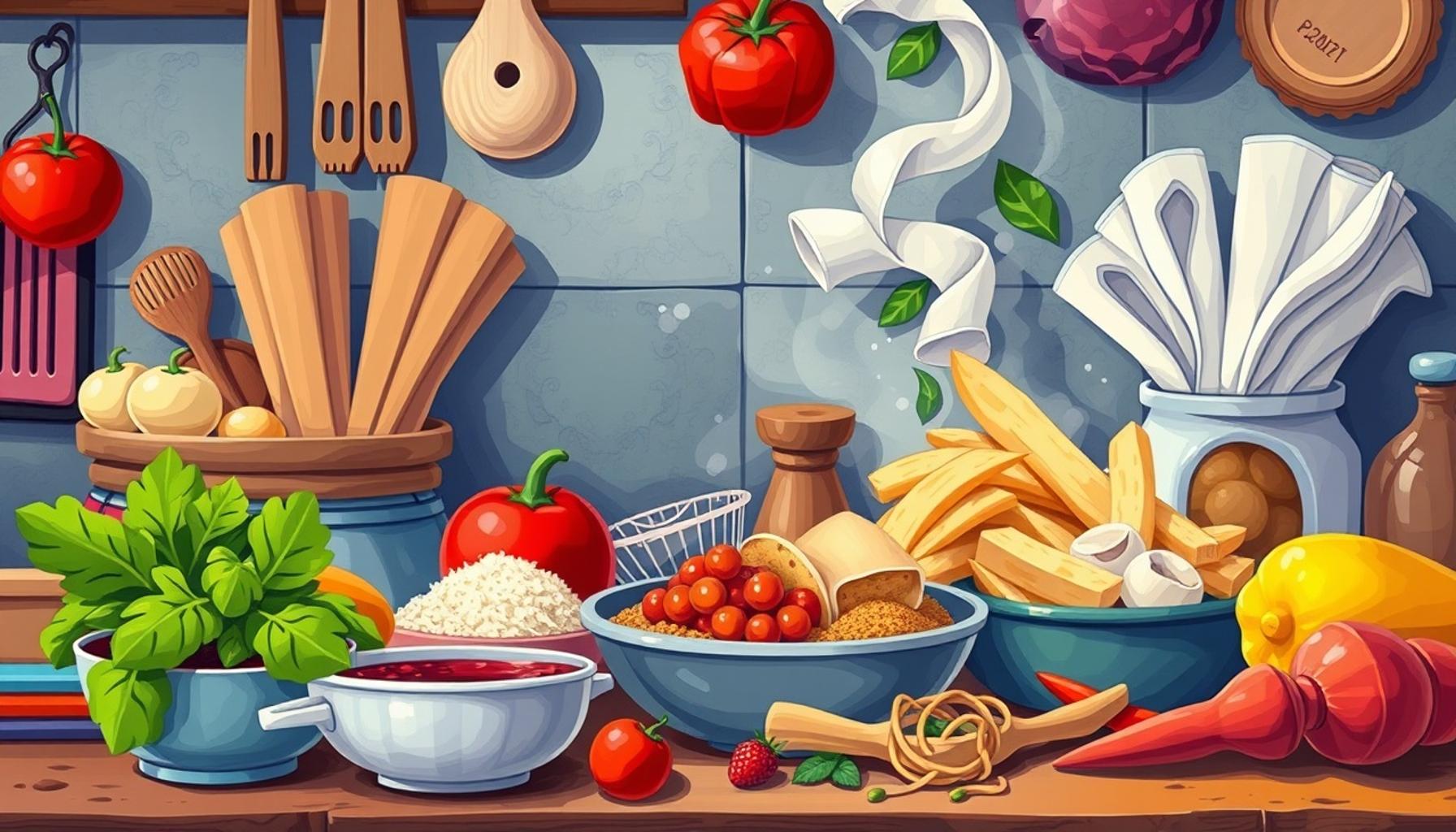
The Art of Culinary Expression
Food transcends the basic need to eat; it encapsulates our histories, cultural legacies, and personal journeys. Each dish crafted in a kitchen is not just a combination of ingredients; it is a revelation of the cook’s identity, emotions, and experiences. As they slice, sauté, and simmer, cooks communicate stories that connect us to our roots and to each other.
Family Traditions: Recipes that have been lovingly passed down through generations often act as a bridge to our past. A grandmother’s secret sauce for Sunday pasta or a father’s special spice rub for ribs can evoke memories rich in flavor and sentiment. For instance, a family gathering centered around tamales can reveal stories of hard work and celebration from ancestors, as each masa hand-rolled contains a lineage of tradition. This ritual transforms cooking into a cherished family activity, reinforcing bonds and making every meal an occasion for remembering where we came from.
Cultural Identity: Our culinary choices are deeply intertwined with our cultural backgrounds. In the diverse tapestry of the United States, one can discover how regional cuisines offer a glimpse into community identities. Mexican, Korean, Italian, and Southern cooking are not just meals but representations of heritage. For example, the use of corn in Native American cooking grounds that cuisine in the spiritual and historical significance it carries. Each dish serves as a narrative, telling tales that shape communities’ development and continuity.
Creativity: Cooking is a palette where flavors become colors, and chefs become artists. The modern culinary movement encourages everyone—from novice home cooks to seasoned professionals—to push boundaries and experiment. Fusion dishes, such as Korean tacos, represent the creative spirit of blending culinary techniques and traditions. This freedom leads to a landscape where nobody’s food journey is the same. The willingness to innovate allows individuals to express their unique perspectives through food, transcending traditional boundaries.
The United States’ culinary scene, often described as a melting pot, miraculous merges flavors from various cultural backgrounds, creating dynamic offerings across the nation. From the spicy barbecue of the South—infused with deep-rooted African American traditions—to the fresh seafood delicacies characteristic of New England, every morsel tells a story of place and people. This exploration through taste not only tantalizes the palate but invites a deeper understanding of the rich, interwoven tapestries that shape our society.
As we continue to immerse ourselves in the culinary world, we’ll discover the intersection of flavor, technique, and storytelling. By delving into the significance of cooking as a medium for personal and cultural expression, we invite a broader dialogue about food’s role in our lives—an analysis that goes far beyond mere ingredients. Join us in this flavorful journey, where each bite is both a personal expression and a universal story.
DIVE DEEPER: Click here to discover the transformative power of art
The Intersection of Food and Identity
Cooking serves as a profound means of personal expression, intricately tied to one’s identity. Each dish reflects the cook’s personality, preferences, and even their evolution. The emotion imbued in a meal often resonates with those shared around the table, creating a deeper connection beyond just nourishment. Through the act of cooking, individuals can explore and affirm their identities, as well as communicate them to others.
Modern Influences: The landscape of culinary expression continues to evolve with globalization and the influence of social media. Platforms like Instagram and TikTok have transformed food into not only sustenance but a visually stunning art form, encouraging cooks to showcase their creativity. Home cooks have discovered a community where sharing their personal recipes can garner appreciation, support, and inspiration from a broader audience. This democratization of cooking allows people to redefine traditional notions of culinary art while asserting their unique identities.
Food enthusiasts often utilize these platforms to highlight cultural backgrounds and narratives. Examples include:
- The emergence of food bloggers sharing their family recipes, which reveal rich cultural histories.
- Culinary challenges that encourage participants to incorporate heritage ingredients with a modern twist.
- Chefs and home cook collaborations that celebrate seasonal produce and local flavors, creating a sense of community.
Health and Wellness: Personal expression through cooking goes beyond flavor and presentation; it extends to the focus on health and wellness. As dietary preferences and restrictions become more prominent, many are finding ways to express their values and lifestyle through the meals they prepare. Whether adopting a vegan lifestyle, embracing whole foods, or experimenting with gluten-free recipes, these choices often reflect deeper personal beliefs. For instance, someone aiming for sustainability may focus on farm-to-table practices, showcasing local ingredients that not only align with their values but also articulate their commitment to environmental responsibility.
Celebratory Cooking: Cooking is also an act of celebration. Special occasions and holidays often prompt individuals to step into the kitchen and prepare meals that honor tradition and create new memories. For example, a Thanksgiving feast is not solely about the food but is deeply rooted in communal gathering, gratitude, and personal histories. Each recipe that graces the table may come with its own backstory, whether it is a mother’s prized pumpkin pie or a cousin’s unique twist on the stuffing. Such culinary celebrations create shared experiences that help solidify relationships, allowing traditional flavors to usher in a sense of belonging together.
As we progress in exploring the art of cooking, it’s essential to recognize the influence of personal experiences and cultural nuances in shaping individual culinary narratives. Each meal created is a canvas painted with stories, emotions, and expressions, highlighting cooking as a distinct yet universal form of communication. By unraveling these layers, one can appreciate how cooking serves not only as a craft but as a personal journey of self-discovery and connection.
| Advantage | Description |
|---|---|
| Culinary Creativity | Cooking empowers individuals to express their personality through unique recipes, flavors, and presentation styles. |
| Cultural Heritage | Cooking allows the sharing of one’s cultural background, as dishes often carry the rich history and tradition of one’s ancestry. |
| Emotional Connection | Food acts as a bridge to evoke memories, forge relationships, and create shared experiences among family and friends. |
| Personal Growth | Cooking fosters confidence in one’s abilities and encourages experimentation with new ingredients and techniques. |
The act of cooking transcends mere sustenance; it serves as a canvas for self-expression and creativity. Individuals can infuse their personality into each dish they create, making food not just a matter of taste but an extension of who they are. From choosing vibrant ingredients to employing techniques learned over years, cooking invites everyone to leave their unique mark in the kitchen. Additionally, cultural significance plays a vital role, as many dishes represent the culinary heritage of diverse backgrounds, telling stories through flavors and traditions.Moreover, cooking also has profound emotional connections, often linked to memories of family gatherings or significant friendships, enhancing relationships through shared meals. It provides an avenue for personal growth, encouraging budding chefs to broaden skills and embrace innovation within familiar culinary frameworks. Exploring The Art of Cooking is more than just preparing food; it’s about enriching lives through flavors, memories, and creativity.
DISCOVER MORE: Click here to dive deeper
Emotional Connections Through Cooking
The emotional nuances of cooking add another layer to the art of culinary expression. Each meal crafted in the kitchen often becomes an extension of personal sentiments, celebrating nostalgia, love, or even loss. This emotional connection to food creates a profound impact on both the cook and those who partake in the meal. For instance, making a family recipe can evoke memories of laughter-filled gatherings or quiet moments of reflection. As such, the kitchen transforms into a sacred space where individuals can not only express their creativity but also convey their emotional landscapes through the dishes they prepare.
Storytelling via Cuisine: Every recipe can be seen as a story waiting to be told, encapsulating not just ingredients but also experiences and relationships. In American culture, the tradition of cooking is often infused with personal narratives that intertwine with broader historical contexts. For example, learning to cook from a grandparent or parent can symbolize not just culinary mastery but also the transmission of cultural heritage and familial love. Many renowned chefs today emphasize the importance of storytelling in their cooking, using their culinary creations to share tales of identity, struggles, and triumphs. This phenomenon is evident in food documentaries and cooking shows that highlight how personal stories impact the way people relate to food, fostering connections with audiences on an emotional level.
Fusion and Innovation: As culinary borders blur, many home cooks and professional chefs are delving into fusion cuisine, combining elements from different culinary traditions to create entirely new flavors. This trend is a vivid reflection of modern society, where cultural exchange is frequent and liberty of experimentation is celebrated. Head chefs often encourage their kitchen teams to push boundaries, challenging them to reinvent classic dishes with innovative twists that mirror the evolving identity of today’s society. A classic example is the rise of Korean tacos, a dish that blends Korean and Mexican flavors, appealing not just to the palate but also representing a dialogue between distinct cultures.
The Role of Accessibility: In a time where cooking has transitioned into a form of self-expression, the accessibility to diverse culinary resources greatly enhances this experience. Various sites and social media platforms provide an endless wealth of recipes, cooking hacks, and inspirational stories, encouraging individuals to step out of their comfort zones. The availability of cooking classes and online tutorials allows aspiring cooks to experiment with international cuisines without the constraints of geographical boundaries. This approach breaks down barriers, encouraging enthusiasts from all walks of life to engage with their cultural roots or explore unfamiliar territories, enhancing their culinary artistry and storytelling capabilities.
Mindfulness in Cooking: Recently, the practice of mindful cooking—being present and intentional during the cooking process—has gained popularity as an extension of personal expression. This approach focuses on savoring the ingredients, embracing the rhythm of preparation, and cultivating a connection with food. Many turn to cooking as a therapeutic outlet, allowing them to express their feelings and clear their minds. As such, the kitchen becomes a space for not just nourishment, but self-discovery and emotional healing. Engaging all senses in the cooking process leads to a more profound appreciation for the work done, creating dishes that burst with intention and personal significance.
These multifaceted dimensions of cooking showcase how deeply intertwined it is with personal expression, evolving alongside the cook’s identity and experiences. The inherent stories and connections in every meal invite those who gather around the table to not only enjoy what is presented but also to embrace the rich narratives behind the food.
DISCOVER MORE: Click here to learn about the impact of international cuisine on your favorite homemade dishes
Embracing the Culinary Canvas
In conclusion, cooking serves as a powerful medium for personal expression, intertwining creativity, culture, and emotion. As we explore the intricate dance between flavors and memories, it becomes evident that each dish reflects not only the cook’s skills but also their unique experiences and sentiments. From the nostalgic aura surrounding family recipes to the innovative spirit of fusion cuisine, cooking invites individuals to leave their personal mark on the culinary landscape.
The accessibility of diverse cooking resources, paired with the rise of mindful practices, empowers both aspiring chefs and seasoned cooks to craft meals that resonate deeply with their identities. As the kitchen transforms into a sanctuary of self-discovery, the very act of cooking cultivates emotional connections that extend beyond the plate. It is in this shared experience—where stories are exchanged and contemporary culture is celebrated—that the true art of cooking flourishes.
As we continue to embrace the world of culinary exploration, let us recognize the stories woven into each recipe and appreciate the diverse narratives they represent. The art of cooking is not merely about sustenance; it is about nurturing relationships, celebrating individuality, and fostering a greater understanding between different cultures. Thus, every dish reflects a canvas waiting to be painted with the flavors of personal expression, inviting us to continue crafting and sharing our stories through food.