Collaborative Music Making: Building Community Through Shared Creativity
Understanding Collaborative Music Making
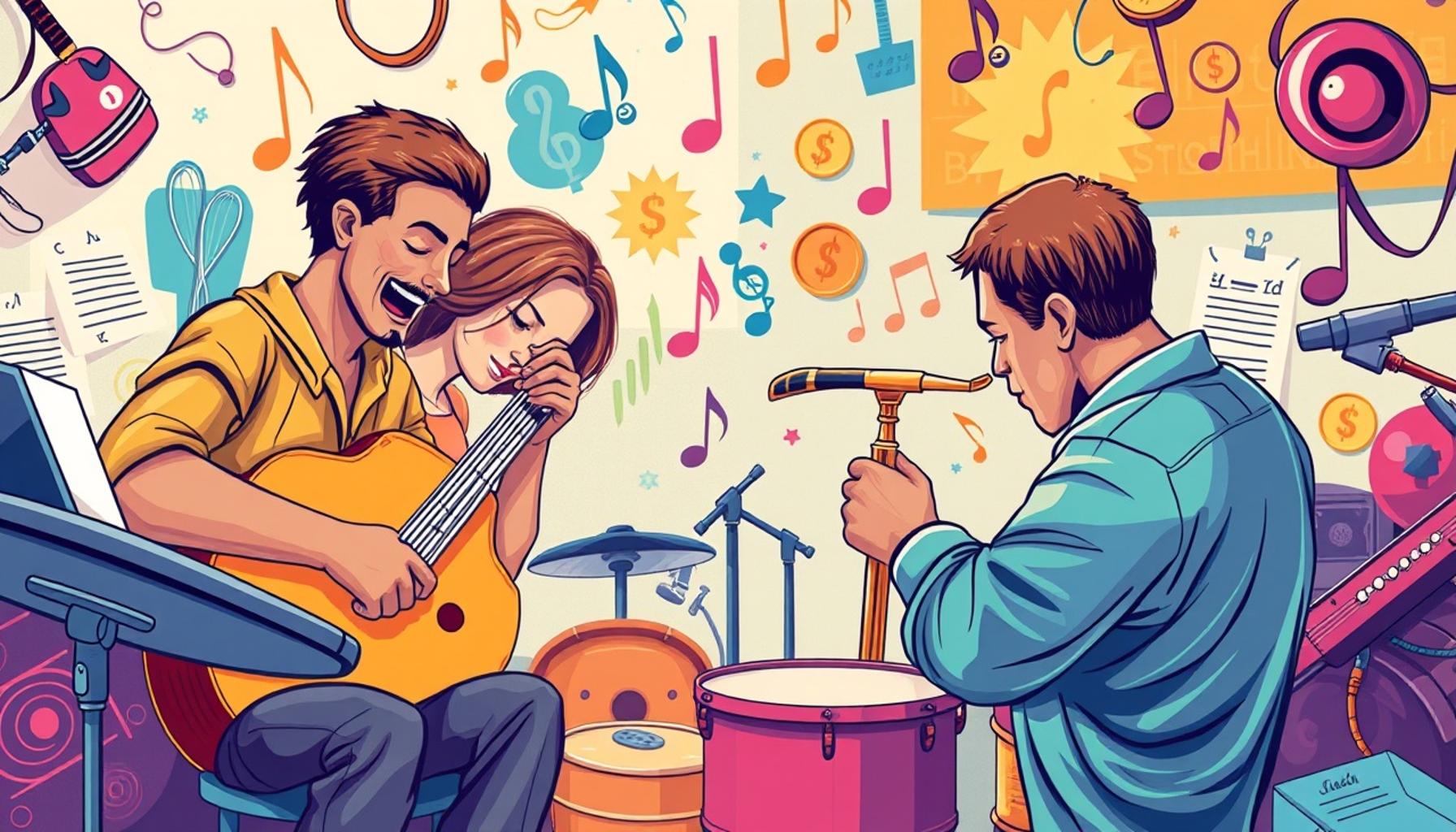
In today’s fast-paced digital world, collaborative music making offers a refreshing way to engage with others while expressing creativity. This unique practice unites diverse voices, creating a sense of community that resonates deeply. It’s not just about the music; it’s about the connections formed through shared experiences. Collaboration has increasingly become a cornerstone of musical development, and here, we explore its profound impact.
Enhanced Creativity
Collaborative music making fosters enhanced creativity by allowing artists to explore new ideas and push creative boundaries. When different individuals come together, they bring a variety of influences and skills, which can lead to innovative musical expressions. For instance, a jazz pianist might collaborate with a classical violinist, resulting in a piece that beautifully blends improvisation with structured melody. This fusion often surprises the artists themselves, revealing unexpected dimensions of their craft.
Strengthened Bonds
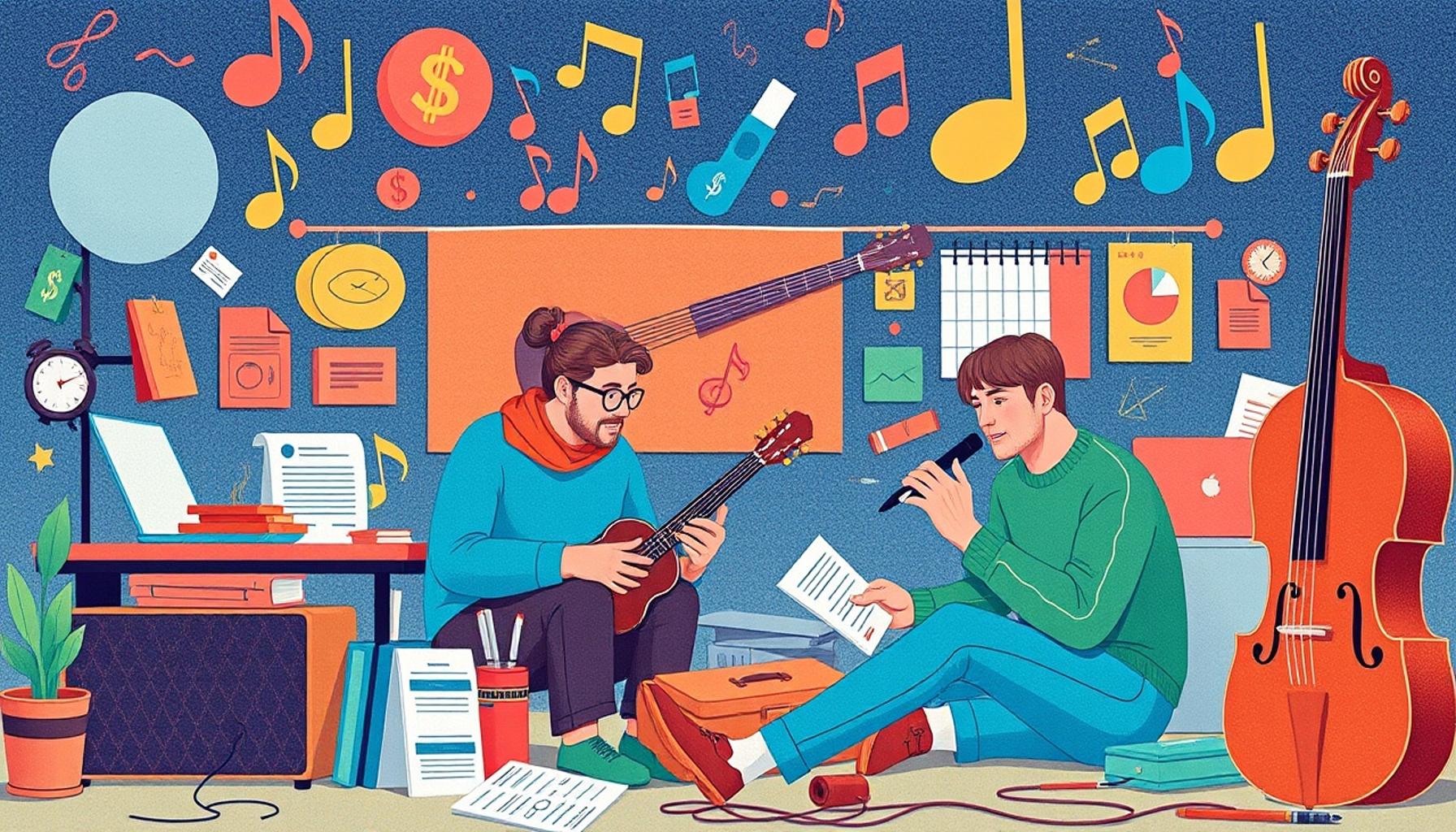
Additionally, working together in music fosters friendships and creates a supportive network among musicians. The act of creating together builds trust and understanding, leading to lasting relationships. Many successful bands, from The Beatles to Fleetwood Mac, often reflect on how their personal connections were essential to their musical output. In local music scenes, you will find that jam sessions are not just about playing; they’re about bonding, where artists share stories and experiences that deepen their connections beyond music.
Diverse Perspectives
Collaboration also brings a wealth of diverse perspectives. Artists from differing cultural backgrounds and genres can share their unique approaches to music, enriching the collaborative experience immensely. For example, many communities across the United States engage in cross-genre projects, where hip-hop artists might join forces with country singers, illustrating how embracing various musical styles can lead to groundbreaking work that reflects the richness of American culture.
Platforms for Collaboration
Various platforms support collaborative endeavors, such as local jam sessions, online music apps, and community workshops. Many musicians find inspiration from platforms like Soundtrap or BandLab, which allow users to collaborate on projects remotely, breaking down geographical barriers. Whether it’s forming a band or utilizing digital tools, the journey of building community through shared creativity is transformative and essential in today’s musical landscape.
As you delve into this article, you’ll uncover the myriad benefits of collaborative music making, inspiring stories of community building, and practical tips for getting involved. Engaging within these spaces allows not only for artistic growth but also for personal development, letting individuals explore the depths of their creativity together. Join the movement where creativity knows no bounds, and the only limit is your imagination!
DIVE DEEPER: Click here to uncover the flavors of culture
The Power of Collaboration in Music
At its core, collaborative music making represents a journey where artists, regardless of their background, gather to weave their unique stories into sound. Each collaboration is distinct, echoing the individuality of the artists involved. This art form plays a transformative role in how musicians create, showcasing the process not just as a product, but as a vibrant interaction that celebrates community.
Creating Sonic Synergy
The concept of sonic synergy is pivotal in collaborative efforts. When musicians from various genres join forces, the result is often a rich tapestry of sound characterized by spontaneity and unpredictability. An example of this phenomenon can be seen in festivals like the Newport Folk Festival, where artists cross genres and generations, creating performances that might seamlessly blend folk with rock or blues. This interplay not only allows for artistic growth but also invites audiences into shared musical experiences that are unforgettable.
Fostering Local Engagement
In addition to celebrating creativity, collaborative music making serves as a catalyst for local community engagement. Community workshops, open mic nights, and neighborhood jam sessions encourage participation from all skill levels. Here are some ways these activities bolster community ties:
- Accessibility: Open sessions invite beginners and seasoned musicians alike, breaking down barriers and promoting inclusivity.
- Cultural Exchange: Local artists share their traditions and sounds, fostering an environment of learning and diversity.
- Shared Ownership: Collaborative projects empower individuals to contribute ideas, leading to a sense of investment in the creative process.
Building Networks and Mentorships
As artists collaborate, they also build valuable networks that can extend beyond a single project. These relationships often evolve into mentorship opportunities, where seasoned musicians guide newcomers, sharing insights and experiences that enrich their artistic journeys. Such connections can be found in indie music circles, where established bands frequently mentor emerging talent through workshops, enhancing the local music scene and nurturing the next generation of artists.
Embracing Technology
The rise of technology plays a significant role in enhancing collaborative music making. Online platforms like SoundCloud and Splice enable musicians to collaborate regardless of physical proximity, connecting artists globally. The ability to share files, offer feedback in real-time, and experiment with new sounds has revolutionized how creative partnerships form and flourish. With these tools at their disposal, artists are more equipped than ever to explore their creativity while building communities that transcend geographical boundaries.
As we explore further into the realm of collaborative music making, we will uncover success stories from diverse communities, practical tips for fostering collaboration, and insights into how this dynamic art form is shaping the future of music. From local meetups to digital collaborations, the power of shared creativity continues to flourish, inviting everyone to participate in this harmonizing experience.
| Advantages | Description |
|---|---|
| Enhanced Communication | Collaborative music making fosters open lines of communication, allowing individuals to express their ideas and emotions through music. |
| Skill Development | Participants experience growth by sharing techniques and exchanging feedback, which enhances their musical repertoire. |
| Community Building | Creating music together establishes a sense of belonging, drawing individuals closer as they share their creative journeys. |
| Cultural Exchange | Collaborative efforts often lead to the fusion of diverse musical styles, enriching the cultural landscape. This encourages exploration and appreciation of various genres. |
The advantages outlined in this table demonstrate how collaborative music making embodies a transformative approach to creativity. By emphasizing enhanced communication and skill development, it becomes clear that individuals not only elevate their own abilities but also contribute to a collective experience that nurtures the community. Whether through local workshops or global online platforms, the act of making music together profoundly impacts participants’ bonds, creating lasting relationships among artists. Moreover, these collaborations often facilitate a vibrant cultural exchange, allowing for innovation to flourish as musicians explore new sounds and techniques. By embracing this shared creative process, we can build stronger, more inclusive communities that celebrate the power of music.
DIVE DEEPER: Click here to discover the art of personal narrative
Tapping Into the Collective Imagination
As collaborative music making continues to gain traction, it is crucial to recognize the role of the collective imagination in fostering innovation. When artists come together, they are not only merging their individual styles; they are also generating new ideas that push the boundaries of what music can be. This is vividly illustrated in genres like hip-hop and <strong electronic music, where producers and lyricists frequently collaborate to create tracks that resonate with audiences on multiple levels. The blending of diverse experiences and backgrounds into a single project sparks creativity that can lead to groundbreaking work.
Success Stories from Collaborative Efforts
Across the United States, numerous success stories showcase the power of collaboration in music. One prominent example is the South by Southwest (SXSW) festival, which not only serves as a platform for established artists but also highlights collaborations between up-and-coming musicians. From multi-artist showcases to spontaneous jam sessions, the festival cultivates an environment where innovative musical partnerships can flourish. Many artists credit such collaborations with igniting their careers, including bands that emerged from jam sessions at SXSW, only to become household names.
Practical Tips for Successful Collaborations
To foster successful collaborations, artists can implement several strategies that enhance their shared creative processes:
- Establish Clear Communication: Effective communication is key. By discussing goals, needs, and expectations upfront, collaborators can create a positive working environment.
- Embrace Vulnerability: Artists should feel encouraged to share their ideas openly, no matter how unconventional they may seem, as this can lead to innovative outcomes.
- Be Open to Feedback: Constructive criticism is essential for growth. Collaborators should remain open to receiving and providing feedback to elevate the final project.
The Role of Festivals and Gatherings
Festivals and music gatherings serve as vital platforms for collaborative music making. Events like Coachella and Lollapalooza not only showcase artists but also create spaces where impromptu collaborations can take place. Musicians often surprise their audiences by inviting other performers on stage, blending their styles in unexpected ways. This platform-enhanced interaction emphasizes the spontaneity and creativity fostered within the community, providing audiences with unique experiences that celebrate the art of collaboration.
Creating Lasting Change through Collaboration
The implications of collaborative music making extend beyond artistry; they have the potential to drive social change within communities. Artists who collaborate on projects often address important social issues, using their combined voices to advocate for change. For instance, groups like Playing for Change harness the power of music to promote peace and unity. They connect musicians from different backgrounds to create songs that speak to shared human experiences, demonstrating how collaborative efforts can create a ripple effect of positive change.
This intertwined landscape of creativity, connection, and community will continue to evolve as collaborative music making embraces new formats, technologies, and cultural exchanges. As we delve deeper into how collaborative efforts redefine musical creation, the industry’s dynamic landscape beckons artists and audiences alike to embrace shared creativity with open arms.
DIVE DEEPER: Click here to discover inspiring projects
Uniting Through Shared Melodies
In conclusion, collaborative music making serves as a vital thread weaving together diverse communities through the universal language of creativity. By tapping into individual talents and experiences, artists can transcend cultural boundaries, sparking innovative ideas that redefine musical artistry. The success stories from festivals like SXSW and Coachella illustrate how these collaborations not only bolster careers but also cultivate vibrant atmospheres where creativity thrives. As artists embrace practices such as open communication, vulnerability, and constructive feedback, they enhance their collaborative experiences, leading to music that is not only entertaining but also meaningful.
Moreover, the implications of collaborative efforts extend beyond the realm of music, advocating for social change and promoting unity. Initiatives like Playing for Change highlight the capacity of music to address pressing issues, effectively blending art with activism. As technology continues to evolve, the possibilities for collaboration will only multiply, inviting emerging artists and established names alike to explore new forms of artistic expression.
Ultimately, as we celebrate shared creativity, it becomes evident that collaborative music making is more than a method of artistic creation; it is a powerful movement that builds lasting connections, fosters inclusivity, and inspires change within communities. The future of music is bright, and in the spirit of collaboration, it will undoubtedly reflect the rich tapestry of voices it encompasses.