Art and Identity: How Creative Hobbies Reflect Our Cultural Roots
Understanding Identity Through Creative Expression
Creative hobbies transcend mere entertainment; they serve as profound expressions of our cultural identity. By engaging in various art forms, individuals gain not only a platform for self-expression but also an opportunity to delve into their own histories and those of their communities. Each creative endeavor carries echoes of the past, revealing our intrinsic connections to those who came before us.
Throughout the United States, diverse creative outlets illuminate the richness of our heritage and experiences. Through these mediums, we see reflections of our multicultural society. Here are several notable examples:
- Visual Arts: The tradition of painting and sculpture in America has been shaped by numerous cultural movements. For instance, the Harlem Renaissance introduced a wave of African American artists who captured the complexities of Black life in America through vibrant colors and powerful imagery. Similarly, Native American artists often utilize symbolism rooted in their histories, creating artworks that resonate with generations of tradition.
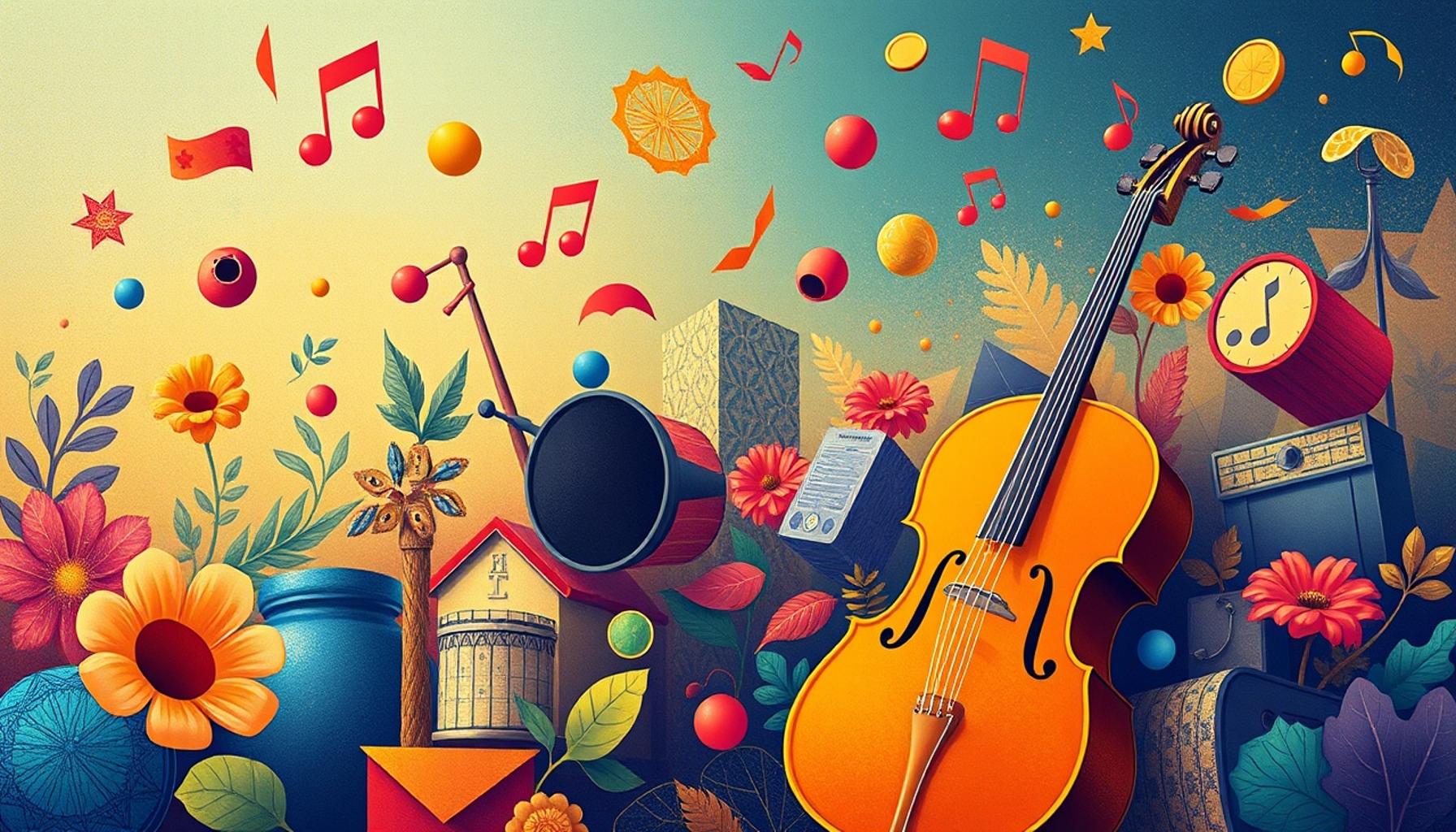
- Music: Consider genres like blues, jazz, and hip-hop. Blues music, which originated from the African American communities in the Deep South, conveys stories of hardship, migration, and resilience. Hip-hop, emerging in the Bronx in the 1970s, serves as a voice for marginalized communities, channeling experiences of struggle and empowerment into beats and lyrics. These genres do not merely entertain; they narrate the nuanced tales of cultural heritage.
- Crafts: Traditional crafts such as quilting and pottery are imbued with ancestral stories. Quilting, often seen in families across the South, serves as a communal activity where stories are stitched into patterns, preserving family legacies and cultural lore. Pottery making among Indigenous tribes often features designs that tell stories of the earth, spirituality, and community rituals, connecting modern artisans to their lineage.
These creative practices intricately weave together the threads of history, tradition, and personal narratives. They not only allow individuals to explore their cultural roots but also cultivate a sense of community. Participating in shared artistic experiences fosters connections among people, creating bonds that reinforce a sense of belonging.
As we explore the intersection of art and identity, it becomes increasingly evident that our creative endeavors mirror the values and legacies of our ancestors. This exploration not only celebrates past achievements but also influences contemporary culture. The revival of interest in local art forms, community festivals, and cultural workshops highlights how creativity serves as a vital link connecting generations, encouraging dialogue and understanding among diverse groups.
In conclusion, engaging in creative hobbies allows us to discover and honor our roots while simultaneously contributing to the rich tapestry of American culture. By exploring the depth of our artistic expressions, we can appreciate the stories that shape our identity and build a more inclusive community.
DISCOVER MORE: Click here to dive deeper into the world of music and writing</p
The Importance of Cultural Storytelling in Artistic Expression
Artistic expression serves as a robust medium for cultural storytelling, allowing individuals to convey their unique experiences and ancestral narratives. Each brushstroke, note, or crafted piece not only reflects personal talent but also embodies the cultural influences that shape our identities. By participating in creative hobbies, people connect deeply with their roots, revealing the layers of history that define them and their communities.
Social interactions around creative practices foster a sense of belonging. These hobbies often emerge from shared cultural experiences or familial traditions, making them integral to personal and collective identities. For instance, the act of storytelling in various art forms can keep cultural heritage alive, enabling younger generations to understand their history and values. This becomes particularly vital in a rapidly globalizing world, where maintaining one’s identity can be challenging.
To illustrate this concept, let’s delve into specific art forms that highlight the intersection of creativity and cultural identity:
- Dance: From the energetic beats of the salsa to the graceful movements of traditional Native American dance, different styles celebrate the cultural heritage of their communities. Each dance tells a story, often rooted in historical events or spiritual beliefs, and provides a dynamic way to preserve and transmit cultural values through generations.
- Literature: Many writers share their cultural identities through literature by exploring themes of migration, belonging, and adversity. Authors such as Sandra Cisneros, who portrays the Chicana experience, and Amy Tan, whose works reflect Chinese American heritage, use narrative as a means to connect with their respective cultures and offer insights into the multifaceted aspects of identity.
- Folklore and Craft: The revival of traditional crafts—such as weaving, basketry, and woodworking—reinforces cultural practices passed down through generations. These crafts are often intertwined with the community’s narratives, enabling artisans to express their identity while ensuring the continuity of their heritage.
Engaging in these art forms facilitates not only a personal exploration of one’s heritage but also a broader connection to community practices, weaving together the tapestry of shared experiences. As individuals create, they often reflect on their culture, making the act itself a testament to their roots and beliefs.
This synthesis of art and cultural identity leads to an appreciation of diversity within the American landscape. With the knowledge that each creative endeavor carries layers of meaning, individuals are encouraged to reflect on their own cultural narratives, ultimately fostering a deeper connection to their artistic expressions. This relationship between art and identity continues to evolve, as contemporary societal changes prompt new interpretations and adaptations of traditional themes, making the creative process both a personal and communal undertaking.
Creative hobbies serve as a rich tapestry through which cultural identity is expressed and understood. In a world increasingly interconnected by technology and globalization, these hobbies not only reflect individual preferences but also embody deep-rooted cultural narratives that have been passed down through generations. For instance, traditional crafts such as pottery, quilting, and weaving often carry significant cultural heritage. These practices are not merely hobbies; they serve as living histories that tell stories of community traditions, beliefs, and values. Engaging in such *traditional arts* allows individuals to connect with their ancestry and fosters a sense of belonging within their cultural group. This engagement is particularly poignant for younger generations who may feel distanced from their roots due to modernization’s rapid pace.Moreover, creative hobbies encourage the preservation and revitalization of dying art forms. As communities face the risk of losing unique cultural identities, creative pursuits become instrumental in keeping these traditions alive. Workshops, art fairs, and community exhibitions provide platforms where artisans can showcase ancestral techniques, sparking renewed interest among both locals and visitors. This cultural revival not only supports artisans’ livelihoods but also enriches the community’s social fabric.Additionally, the emotional aspect of creation fosters identity exploration. Through art, individuals can navigate complex feelings related to their cultural narratives, transforming personal experiences into public dialogues about identity. This therapeutic aspect of creativity stands as a testament to the enduring power of artistic expression in understanding one’s place in the world.In considering how *creative hobbies* intertwine with cultural identity, it is crucial to recognize the growing importance of cross-cultural interactions. Fusion art forms that blend techniques and aesthetics from various cultural backgrounds celebrate the beauty of diversity while sparking conversations about identity. This interplay not only champions inclusivity but also encourages mutual respect and appreciation for differing cultural narratives.As we continue to explore the subject of art and identity, it becomes increasingly evident that creative hobbies are not limited to personal satisfaction. They encompass the broader narrative of human experience, fostering understanding, empathy, and connection across various cultures. This rich exchange prompts individuals to not only reflect on who they are but also on the complex mosaic of cultural influences that shape our creative expressions.
DIVE DEEPER: Click here to discover more about artistic expression
The Role of Community in Artistic Traditions
Community plays an essential role in shaping artistic practices linked to cultural roots. Through collaborative creative endeavors, individuals not only reinforce their own identities but also contribute to a larger cultural narrative that celebrates diversity and fosters communal bonds. As people engage in artistic activities together, they experience the richness of their heritage, often unveiling stories and meanings that might be lost in personal exploration alone.
For instance, communal art projects—ranging from mural painting in urban neighborhoods to collaborative music festivals—serve as platforms where local history, struggles, and triumphs are expressed. In cities like Chicago, artists frequently gather to create street art that reflects the vibrant histories of their communities, making public art a powerful testament to cultural identity. These projects invite dialogue and interaction, ensuring that diverse voices are heard and valued. Moreover, they serve to educate both participants and observers about the shared experiences that shape their environment.
One concrete example of this can be found in the practice of traditional quilting among African American communities. Quilting bees, gatherings of individuals who come together to sew, are deeply intertwined with history and storytelling. Each quilt represents not only a piece of art but also a tapestry of shared experiences and family heritage, often handed down through generations. These gatherings reinforce community ties and become spaces for the collective memory of the group’s cultural journey—highlighting themes of resilience, struggle, and celebration.
Art Fostering Cross-Cultural Exchange
As artistic expressions rooted in cultural identities evolve, they also promote cross-cultural exchange. In the multicultural tapestry of the United States, various artistic forms—such as culinary arts, music, and visual arts—interact and influence each other. This interaction often leads to the emergence of new genres that reflect a hybrid identity, providing a rich ground for dialogue and understanding.
Consider the genre of Chicano music, which blends traditional Mexican sounds with contemporary American influences. Artists like Los Lobos infuse their heritage into their music, reflecting the complexities of life as Mexican Americans while also appealing to a broader audience. The fusion of cultural elements often attracts individuals who may not share the same background, fostering an appreciation of diverse cultures and histories.
This cross-pollination is even evident in culinary arts, where traditional recipes are reinterpreted or combined with other cultural influences, creating new and innovative dishes. Food festivals celebrating these culinary fusions serve as a vibrant homage to the power of cultural exchange, transforming the act of cooking into a communal celebration of identity.
Additionally, social media platforms have become vital in promoting and preserving cultural artistic expressions. Artists from diverse backgrounds use digital platforms to showcase their creative output, allowing their cultural narratives to reach a global audience. This digital connectivity has the potential to create a rich dialogue among cultures, enabling individuals to explore their own identities in relation to others.
Through these avenues of community engagement and cross-cultural exchange, individuals can navigate their own identities while celebrating the collective tapestry that art creates. By embracing the myriad ways in which cultural roots manifest in creative hobbies, we not only enrich our own lives but also invite others to take part in the shared journey of exploration and expression.
DIVE DEEPER: Click here to discover more
Conclusion: Celebrating Our Cultural Tapestry Through Art
In an increasingly interconnected world, the relationship between art and identity serves as a vivid reminder of our shared cultural heritage. From traditional quilting bees to dynamic street art projects, creative hobbies not only preserve our cultural roots but also transcend them, creating bridges across diverse communities. These expressions of artistry invite individuals to explore the complexities of their identities while actively participating in a dialogue that reshapes our understanding of cultural narratives.
Moreover, as the dialogue between various artistic forms continues to evolve, it becomes evident that the beauty of art lies not just in self-expression, but in its ability to foster cross-cultural exchange. The emergence of hybrid genres, such as Chicano music, underscores the significance of collaboration, allowing artists to reflect multifaceted experiences that resonate with wider audiences. Through culinary fusions and digital platforms, the potential for cultural exploration has never been greater, offering everyone an opportunity to engage with identities that differ from their own.
Ultimately, by embracing and celebrating the artistic contributions rooted in our cultural origins, we not only enrich our individual lives but also create a communal tapestry woven with the threads of shared stories, histories, and experiences. As we continue to nurture our creative pursuits, let us remember the power of art as a unifying force—a celebration of diversity that invites us to reflect on who we are, where we come from, and how we can forge connections in a multifaceted society. The journey of exploring art and identity is one that deserves our collective attention and commitment.