
How to Create Sustainable Decor with Recycled Materials
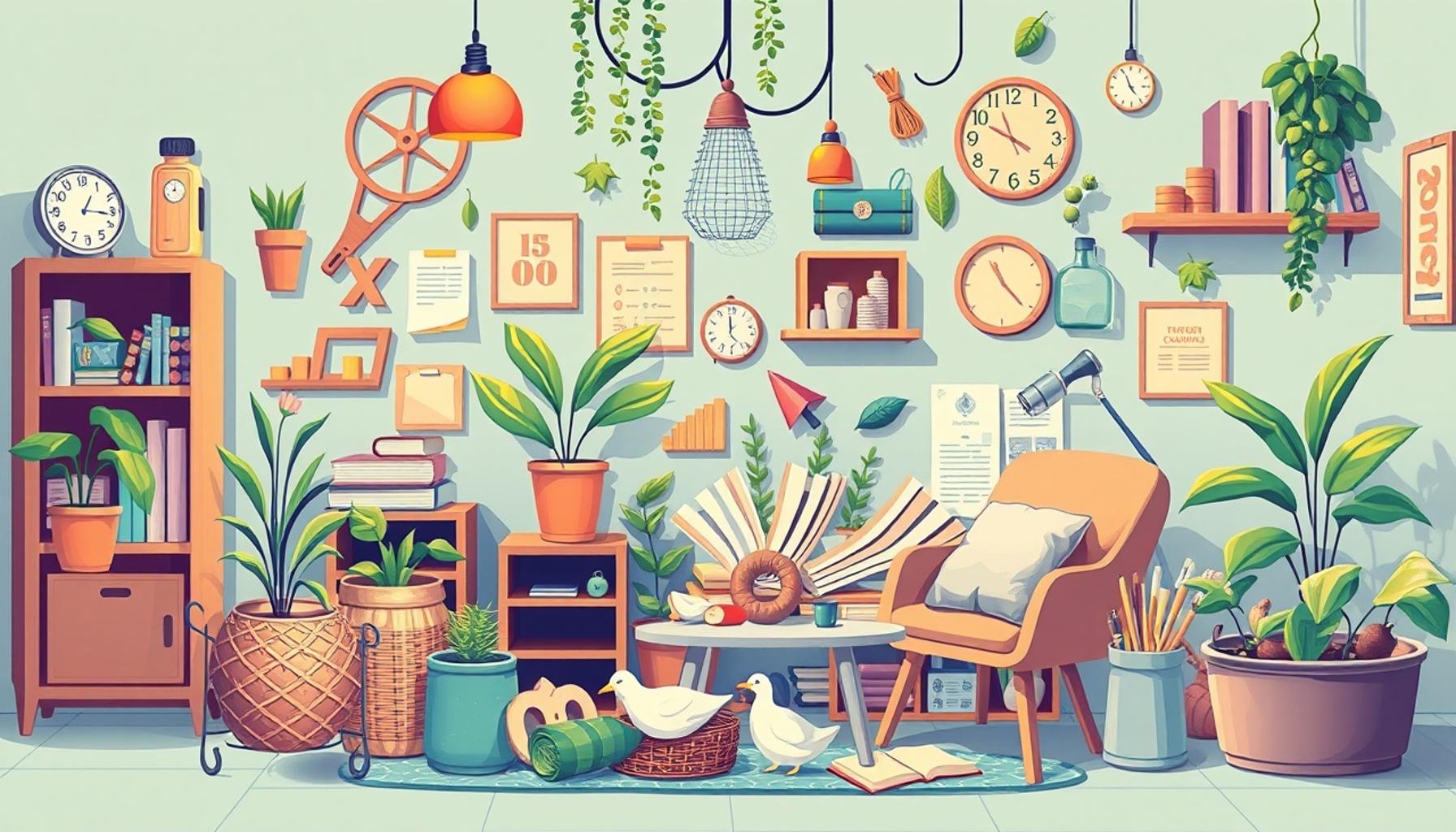
Transform Your Space Responsibly
With increasing awareness of environmental issues, many people are looking for ways to decorate their homes while minimizing their ecological footprint. Utilizing recycled materials for decor not only creates unique aesthetic options but also contributes to a more sustainable planet. This shift in mindset is inspiring a new wave of creativity in home design, where the mantra “reduce, reuse, recycle” is taking on exciting new meanings.
By incorporating items that would otherwise be discarded, you can create stunning designs that reflect your personal style while promoting sustainability. For instance, consider how discarded wooden pallets can be transformed into coffee tables or headboards. This process not only saves trees but also delivers a rustic charm that manufactured furniture often lacks. Here are some significant benefits of using recycled materials in your decor:
- Environmental Impact: Using recycled materials reduces waste and conserves resources, playing a key role in decreasing landfill contributions. For example, by choosing reclaimed materials like old bricks or timber, you contribute to a circular economy, where materials are reused rather than being disposed of.
- Cost-Effective: Recycled decor items often come at a lower price point than new furnishings. Local thrift stores, flea markets, and online marketplaces like Etsy feature a plethora of handmade items or refurbished pieces that carry character and history while being gentle on the wallet.
- Unique Creations: Each piece crafted from recycled materials carries a story, adding significant character to your space. A glass vase made from melted bottles or a chandelier built from old silverware can serve as conversation starters that reflect your commitment to sustainability.
From reclaimed wood used in furniture to intricate art pieces created using recycled glass, the possibilities are truly endless. In the United States, numerous initiatives promoting sustainability and upcycling have emerged, making it easier for individuals to come across materials that can be creatively repurposed into beautiful decor. Community workshops and online tutorials are prospering; they aim to teach individuals the skills needed for upcycling decorative pieces.
As you embark on this creative journey, remember that sustainable decor extends beyond appearances; it embodies a philosophy of responsibility and awareness. It encourages us to rethink our consumption habits and invest in the planet’s future. By embracing this movement, not only do you elevate your home’s aesthetic but also contribute positively to the world around you. Imagine the satisfaction of creating a beautiful home while knowing you are making a difference—one recycled piece at a time.
DISCOVER MORE: Click here to dive deeper
Innovative Ideas for Recycled Decor
As you consider ways to enhance your living spaces, thinking outside the box with recycled materials can lead to astonishing decor transformations. While it might be easy to assume that sustainable design is limited to mere aesthetics, the reality is that you can create functional and appealing spaces that promote environmental stewardship. Below are some creative approaches to integrating recycled materials into your interior design:
- Furniture Reconstruction: Search for old furniture pieces that require some TLC. Vintage chairs or tables often can be refreshed with a bit of paint, new upholstery, or merely by reconfiguring elements to give them a new life. Check local yard sales or thrift stores, where you can find unique pieces waiting for a renovation.
- Textile Upcycling: Old linens, curtains, or even clothing can become beautiful cushions, table runners, or wall art. By sewing or weaving fabric remnants together, you not only reduce waste but also create charming decor that tells a personal story. Look for local workshops that can teach you sewing skills, allowing you to dive deeper into creative textile projects.
- Art from Scrap: Use leftover materials such as wood scraps, metal pieces, or used cans to create captivating art. For instance, cut wooden pallets into geometric shapes for wall art or paint and repurpose tin cans as flower vases. These artistic endeavors not only enhance your space but also provide an original touch that mass-produced items can never replicate.
- Nature-Inspired Decor: Embrace the beauty of natural elements by incorporating items from the outdoors. Branches can be sculpted into chandeliers, while pebbles or driftwood can become stunning centerpieces. Using materials that are found in nature allows you to bring the outside in, fostering a sense of connection to the earth.
- Repurposing Glass: Bottles and jars often end up in landfills, but they have the potential to transform your decor. Use glass bottles as stylish candle holders, or create a modern light fixture out of old jars. Glass can easily be painted or delicately etched for an enchanting effect, making them versatile additions to any room.
These ideas are just a starting point for a journey into sustainable decor. Engaging with recycled materials encourages you to tap into your creative potential while also advocating for a greener future. As you explore these options, you may discover that sustainability not only reflects your commitment to the environment but it can also share your unique story and style. Remember, the art of design is not just about beauty; it is fundamentally about making choices that honor and respect our planet.
As you commence your decorating adventure, consider the multitude of resources available online that can further guide you in mastering the techniques of upcycling. Numerous tutorial videos and DIY blogs provide step-by-step instructions to inspire your efforts, allowing you to not only decorate sustainably but also gain valuable skills along the way. Transitioning to sustainable decor with recycled materials is more than a trend; it’s a lifestyle that showcases the beauty of innovation and creativity while caring for our environment.
Innovative Uses of Recycled Materials for Sustainable Decor
When considering sustainable decor, creativity knows no bounds. One of the most intriguing aspects of incorporating recycled materials is the ability to transform everyday items into stunning pieces. For instance, old wooden pallets can be repurposed into rustic coffee tables or decorative wall art, bringing a touch of charm to any living space. By utilizing recycled glass bottles, you can create unique vases or pendant lights, adding both an eclectic style and an environmentally conscious touch to your decor. Metal cans, which often end up in landfills, can be cleverly converted into planters or candle holders, providing a whimsical yet practical element to your indoor or outdoor settings.
Textile Recycling for Sustainable Elegance
Textiles also play a crucial role in sustainable decor. Upcycling worn-out clothes into cushion covers or quilts not only breathes new life into forgotten fabric but also showcases a personal touch in your home. This process significantly contributes to reducing textile waste, which is a major environmental concern. Additionally, the art of weaving discarded fabric strips into baskets or rugs exemplifies creativity while promoting sustainable practices.Incorporating these methods of recycling nurtures a connection to sustainable living and allows individuals to express their personal aesthetics. It’s an opportunity to craft a narrative within your home through the use of materials that would otherwise be discarded.
The Eco-Friendly Impact of Choosing Recycled Decor
By choosing recycled materials for your decor, you positively impact both the environment and your community. Not only do these choices reduce waste, but they also decrease the demand for new products, which often involve resource-intensive production processes. Engaging in sustainable decor isn’t just a trend; it’s a way to promote environmental responsibility and inspire others to follow suit. This ripple effect can lead to a significant shift in how society views consumption and production. Additionally, supporting local artisans who specialize in recycled materials fosters community engagement and provides a platform for innovative design solutions.
The Economic Benefits of Sustainable Decor
Finally, creating sustainable decor with recycled materials often proves to be more economical. Many recycled items are readily available at thrift stores or through community swaps, making them budget-friendly. The investment in these unique pieces not only enhances your home but also contributes to a movement towards more sustainable consumer behavior.Embracing this lifestyle challenges the notion of fast fashion and disposable decor, creating a richer, more fulfilling environment. As we delve deeper into how to create decor with recycled materials, the possibilities are endless, inviting you to explore this exciting journey toward sustainability.
| Advantage Category | Key Features/Benefits |
|---|---|
| Creativity and Uniqueness | Repurposing materials creates one-of-a-kind decor pieces that reflect personal style. |
| Environmental Impact | Using recycled materials helps reduce waste and resource consumption. |
DIVE DEEPER: Click here to discover DIY jewelry-making tips
Transformative Benefits of Recycled Decor
Embracing a decorating philosophy that prioritizes recycled materials not only serves as a creative outlet but also reinforces your commitment to a sustainable lifestyle. Choosing to incorporate these materials into your decor can yield numerous transformative benefits that reach far beyond aesthetics. Here are some key reasons to consider when crafting your sustainable decor journey:
- Environmental Impact: The environmental cost of production, packaging, and shipping new materials contributes significantly to pollution and resource depletion. By opting for recycled items, you are directly reducing your carbon footprint. A study by the EPA reveals that recycling helps save over 700 million tons of carbon dioxide emissions each year. Decorating sustainably demonstrates a conscientious effort to minimize waste and conserve natural resources.
- Cost Efficiency: One of the most attractive aspects of using recycled materials is their affordability. Second-hand items often come with a fraction of the price tag compared to new products. Websites like Freecycle and local Facebook Marketplace groups make it easier than ever to find free or low-cost materials. This not only stretches your decorating budget but also offers a chance to acquire unique pieces that add character to your home.
- Encouraging Creativity: Working with recycled materials fosters innovation and resourcefulness. It challenges homeowners to think critically about how to repurpose, refurbish, or redesign everyday items. Many people discover untapped artistic potential as they explore various methods of crafting and decorating with reclaimed materials. The process can lead to a rewarding sense of accomplishment and individuality in your interior design.
- Community Engagement: Supporting local artisans, craftspeople, and non-profits that focus on recycling and upcycling can strengthen community ties. Collaborating with local makers to design custom pieces showcases your commitment to sustainability while investing back into your community. Participating in workshops or community projects that encourage upcycling serves as a platform to learn and share innovative techniques with like-minded individuals.
- Health Benefits: Sustainable decor can also enhance the indoor air quality of your home. Many conventional paint and furniture finishes emit volatile organic compounds (VOCs) that can impact health. Utilizing natural materials, such as restored wood or non-toxic paints, ensures a healthier living environment. By minimizing reliance on synthetic materials, you can create a space that promotes well-being for both yourself and the planet.
As you explore these multifaceted benefits, remember that sustainable decor with recycled materials is not just about creating a pleasing aesthetic; it’s about making deliberate choices that reflect a mindful lifestyle. You have the power to lead by example, showcasing the potential embedded within items that might otherwise be discarded. The journey into sustainable decorating can be fulfilling, inspiring you to ponder the stories behind every piece, making your home not only a place of comfort but a monument to your values and passion for the environment.
DISCOVER MORE: Click here to uncover the power of music therapy
Embrace the Future of Sustainable Decor
As you embark on your journey toward sustainable decor with recycled materials, it’s vital to recognize that this approach transcends mere aesthetics. The integration of these materials into your home not only champions environmental stewardship but also celebrates creativity, affordability, and community connection. By prioritizing the repurposing of items that might otherwise end up in landfills, you’re making a statement about your values while contributing to a larger movement advocating for a healthier planet.
Moreover, the process of creating your sustainable decor allows for personal expression; each piece can tell its own story, reflecting a harmony between style and substance. As you delve into local resources like thrift stores, craft markets, and online platforms, you’ll discover unique finds that enrich your living space without compromising the environment. Your home can transform into a more than just a shelter, but a real testament to your commitment to sustainable living.
In conclusion, the shift toward using recycled materials in decor is not merely a trend; it’s an innovative response to the pressing need for sustainability. By choosing to embrace this decorating philosophy, you’re not only enhancing your space but also inspiring others in your community to consider their impact on the environment. As we collectively redefine the meaning of home, let us do so with intention, creativity, and a commitment to preserving our planet for future generations.