The Art of Presentation: How to Beautify Dishes to Enhance the Dining Experience
Transforming Dining into an Experience
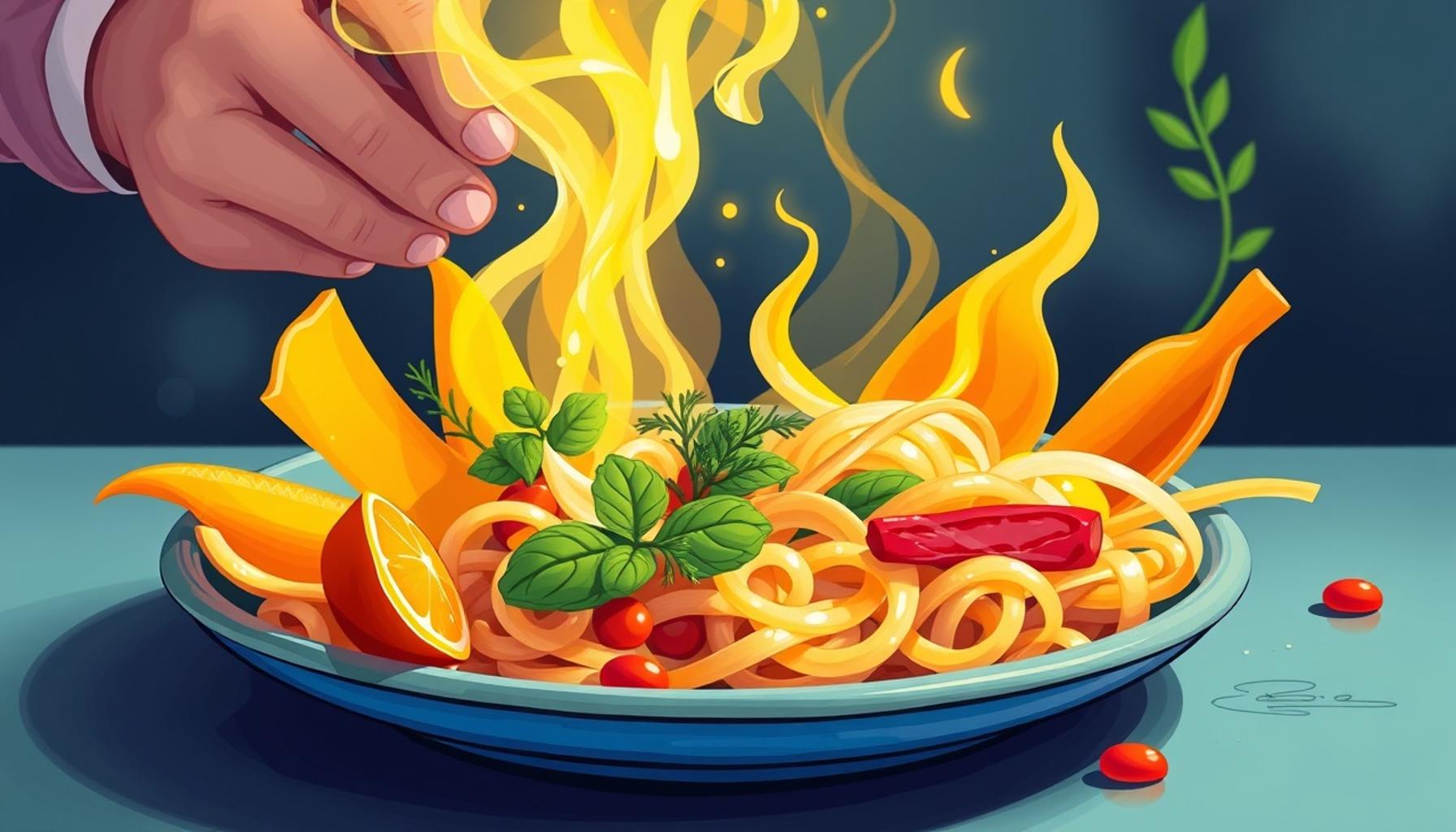
In today’s culinary landscape, presentation is more than just a visual feast; it’s an essential ingredient in enhancing the overall dining experience. As food becomes a canvas, the way dishes are arranged can evoke emotion, stimulate the senses, and elevate even the simplest of meals. From home kitchens to upscale restaurants, the art of presentation plays a pivotal role in transforming ordinary dining into extraordinary experiences that linger in memory.
While the taste and aroma of food are undeniably important, the visual appeal cannot be understated. Diners today are not just eating; they are engaging in an experience that incorporates not only flavor but also artistry. Let’s delve deeper into some key elements of presentation that can bring your dishes to life.
- Color Contrast: A vibrant mix of colors can make a dish pop. For example, a salad bursting with greens, reds, and yellows not only grabs attention but also signals freshness. Think heirloom tomatoes, peppery arugula, and bright edible flowers. When these colors are carefully arranged, they create an inviting visual appeal that draws diners in.
- Texture Variation: Combining different textures adds depth. A dish that juxtaposes creamy, crunchy, and juicy elements can elevate the overall experience. Imagine a rich avocado toast topped with crunchy radish slices and drizzled with a zesty citrus vinaigrette. Each bite becomes an exciting journey for the palate.
- Plating Techniques: Employing various plating styles can transform a meal’s aesthetics. Techniques such as stacking, swooshing sauces, and using garnishes creatively can enhance even the simplest dishes. The popular trend of using multilayered plating, where ingredients are stacked vertically, allows for a more sophisticated presentation that engages both the eye and the appetite.
Additional insights from culinary experts indicate that beautifully presented dishes greatly enhance appetite appeal, making diners more inclined to try new flavors. When a plate looks like an art piece, it invites curiosity and excitement. Additionally, studies reveal that the visual aspects of food can even influence flavor perception and enjoyment. This leads to a fascinating question: How can we all master this art of presentation?
Mastering food presentation can be achievable with practice and by adopting innovative ideas. Simple tips such as using white plates to allow colors to stand out, or incorporating garnishes that complement the main ingredients can result in stunning visuals. Furthermore, there are numerous resources available, from online video tutorials to workshops, that can assist both novice cooks and seasoned chefs in honing their presentation skills.
Join us as we explore effective techniques and innovative ideas to beautify your dishes, turning every meal into a stunning showcase that delights both the eyes and the palate. Whether you are cooking for yourself, hosting friends, or working in a professional kitchen, embracing the art of presentation can significantly enhance your culinary endeavors.
DISCOVER MORE: Click here to get inspired
Key Elements of Food Presentation
When it comes to food presentation, there are fundamental elements that contribute significantly to enhancing the aesthetic appeal of any dish. Understanding and mastering these elements can be the difference between a meal that merely satisfies hunger and one that creates a memorable dining experience. Here are some crucial factors to consider:
- Plate Choice: The selection of the plate can set the tone for your entire dish. White plates are classic because they provide a neutral background that allows the food’s colors and textures to stand out. Alternatively, textured or colored plates can add personality but should be chosen carefully to avoid clashing with the dish. Consider the restaurant trends that emphasize unique plate designs—often seen in fine dining—to attract diners’ attention.
- Portion Control: The way you serve can impact the perception of the dish. Minimized portions strategically placed can appear more refined and upscale, making diners feel they are indulging in gourmet delights. Consider using techniques that highlight smaller servings, such as tapas-style plating that encourages sharing while also showcasing the craftsmanship behind each dish.
- Garnishing Wisely: A garnish should not only be decorative but also enhance flavor and complement the main ingredients. Fresh herbs like basil or cilantro, or even a sprinkle of colorful microgreens, can elevate a dish’s appearance and add an aromatic experience at the same time. Opt for ingredients that can mirror or amplify existing flavors, creating a holistic taste experience.
- Layering & Dimension: Adding height and volume to a dish can be captivating. Instead of laying everything flat, consider stacking components or using molds to give a dish more structure. For instance, a layered parfait with yogurt, fruit, and granola can be made visually stunning while keeping ingredients intact and easily accessible.
Each of these elements works synergistically to create a captivating dining presentation that invites exploration and appreciation. As expert chefs stress, the visual aspect of each dish can be as fulfilling as the meal itself. Color, texture, plate choice, portioning, garnishing, and dimensionality are the brushstrokes that turn a simple dish into an artistic masterpiece.
Moreover, various culinary cultures around the globe offer fascinating insights into plating styles that can serve as inspiration for your culinary endeavors. For instance, Japanese cuisine focuses on seasonal ingredients, where the presentation reflects the changing seasons through natural hues and minimalistic designs. This philosophy can prompt cooks to consider how cultural influences might enrich their own presentation styles.
Enhancing the beauty of a dish is no longer just about the food’s physical attributes but a chance to tell a story that resonates with diners. By integrating these principles into your cooking routine, you’ll not only create meals that are more pleasing to the eye but also expand your culinary repertoire. Let’s unravel further techniques and innovations that will further illuminate your path toward mastering the art of presentation.
The Art of Presentation: Enhancing First Impressions
The visual appeal of a dish plays a crucial role in the overall dining experience. When a plate is presented beautifully, it can evoke emotions and set the mood long before the first bite is taken. The colors, textures, and arrangement of components not only tell a story but can also create an anticipation that elevates the entire meal. For instance, incorporating vibrant ingredients like fresh herbs or edible flowers can dramatically enhance visual interest, transforming an ordinary dish into a culinary masterpiece.
Combining Colors and Textures
Utilizing a variety of colors and textures is key in making a plate stand out. Color contrast stimulates the appetite; a dish featuring bright greens, deep reds, and creamy whites can attract attention and invite diners to explore. Additionally, layering different textures—from crunchy elements like toasted nuts to smooth components like purées—adds depth to not only the flavor but also the visual essence of the dining experience. This approach creates a more engaged and enjoyable eating adventure.
Understanding Plate Composition
The concept of plate composition focuses on balance and harmony. Negative space on the plate is as important as the food itself. By leaving certain areas of the plate blank, chefs can direct attention to the main component. This strategy can make a simple dish appear sophisticated and well thought out. Furthermore, placing the food in a slightly off-centered arrangement can create a more dynamic and inviting presentation, encouraging diners to appreciate the artwork before them.
The Significance of Garnishes
Garnishes serve both functional and aesthetic purposes. They can enhance flavor, but when used wisely, they also add visual appeal. A delicate sprig of rosemary or a drizzle of balsamic reduction not only provides flavor but also complements the dish’s overall appearance. It’s essential, however, to ensure that garnishes do not overwhelm the main ingredients but rather, work in harmony with them to elevate the presentation of the meal.
| Advantages | Description |
|---|---|
| Visual Appeal | Beautiful presentations create an inviting atmosphere, enhancing the dining experience. |
| Emotional Connection | Attractive dishes can evoke positive emotions, influencing satisfaction and enjoyment. |
When these elements come together, they create not just a meal but a memorable dining experience. By mastering the art of presentation, chefs and home cooks alike can transform their dishes into stunning visual statements that leave a lasting impression.
DISCOVER MORE: Click here to enhance your creativity
Innovative Techniques for Stunning Food Presentation
As culinary creativity continues to evolve, the techniques used to present food are becoming more innovative and dynamic. Chefs and home cooks alike are experimenting with new ways to engage diners and create an inviting atmosphere that makes meals unforgettable. Here are several contemporary techniques that have emerged as staples in the world of food presentation:
- Mise en Place: This French term translates to “everything in its place,” and it extends beyond mere preparation of ingredients; it’s also a key principle in food presentation. Organizing your space and ingredients before assembling a dish can lead to a more thoughtful arrangement on the plate. This technique allows for smooth movements that enhance the final presentation, ensuring everything is placed with intention.
- Colors and Contrast: A visually captivating dish often contains a range of colors that evoke excitement and stimulate the appetite. Employ contrasting colors to create a vibrant visual palette. For example, a green pea puree paired with bright orange carrots not only looks striking but also engages the diner’s sense of touch and taste. Utilize seasonal ingredients that offer rich colors—like the reds of tomatoes, the yellows of corn, or the greens of spinach—to create a dynamic dish.
- Negative Space: The art of utilizing negative space can enhance food presentation dramatically. This involves leaving parts of the plate empty to draw attention to the food itself. The absence of clutter and excess encourages the eye to focus solely on the main components. This minimalist approach is often adopted by contemporary restaurants and allows for an elegant showcase of the culinary artistry behind each dish.
- Creative Saucing: Instead of simply pouring sauce atop a dish, consider more artistic approaches to application. Techniques such as dotting, drizzling, or creating patterns with sauce can elevate the presentation. Use squeeze bottles or brushes to control the flow and design of the sauce on the plate. This transforms the sauce from a mere complement to a fundamental element of the dish’s presentation.
- Temperature Contrast: Presenting hot and cold elements side by side can be very appealing. Think of a warm chocolate lava cake served with cold vanilla ice cream. The juxtaposition of temperatures not only engages the palate but also creates an interplay of visual textures that captivates diners. This technique invites exploration through contrasting experiences in each bite.
Each of these innovative techniques opens up new avenues for artistic expression in food presentation. They challenge the norms and allow chefs to feature their personal culinary signature while enhancing the overall dining experience. Furthermore, the dining experience is closely tied to emotional engagement, and a well-presented dish can evoke feelings of excitement and curiosity that add to the enjoyment of the meal.
Advancements in plating tools and serving ware, such as edible plates or specialized molds, can further expand how dishes are presented. As technology evolves, it allows for more intricate designs and presentations that can surprise and delight guests. Today, chefs utilize techniques reminiscent of artistic practices such as painting and sculpting to turn their culinary creations into masterpieces.
Incorporating these contemporary methods will not only enhance your competence in kitchen creativity but will also stimulate conversations around the dining table, inviting diners to appreciate the deeper narrative behind each dish. By transforming the presentation, you invite guests to engage not just with the food itself but with the entire dining experience. The art of presentation is an essential component of engaging your audience and bringing dishes to life. As you explore these innovations, consider how they may inspire your own culinary adventures.
DIVE DEEPER: Click here to discover the impact of art on mental health</p
Conclusion: Elevating the Dining Experience Through Artful Presentation
In the world of culinary arts, presentation is not merely an afterthought—it is a fundamental aspect that transforms a meal from simple sustenance into an elevated dining experience. As we’ve explored, the way food is plated and served can ignite excitement, stimulate senses, and evoke emotions, thus enhancing our overall interaction with cuisine. Innovative techniques, such as employing negative space, vibrant color contrasts, and creative saucing methods, empower chefs and home cooks alike to express their culinary narrative and artistic flair.
Moreover, the connection between food and emotions cannot be overstated. A beautifully presented dish not only delights the eyes but also invites diners to pause, admire, and appreciate the effort behind its creation. In an era where social media often amplifies the visual impact of food, mastering the art of presentation becomes an essential skill for anyone looking to elevate their meals. Aspects such as mise en place, temperature contrasts, and thoughtful plating align the aesthetics of culinary creativity with flavorful experiences, ensuring diners engage on multiple levels.
Ultimately, as you experiment with these artful techniques in your kitchen, remember that presentation is an invitation—a way to communicate your passion for food. Engaging with each dish on a deeper level encourages others to not only enjoy their meal but also to create memorable moments. The art of presentation thus serves as a reminder that food, ultimately, is about connection, storytelling, and the joy of togetherness. Whether you are a seasoned chef or an enthusiastic home cook, embracing this art can significantly enrich the dining experience for yourself and your guests.