The Art of Presentation: Plating Techniques that Enhance the Culinary Experience
The Art of Plating: Elevating the Dining Experience
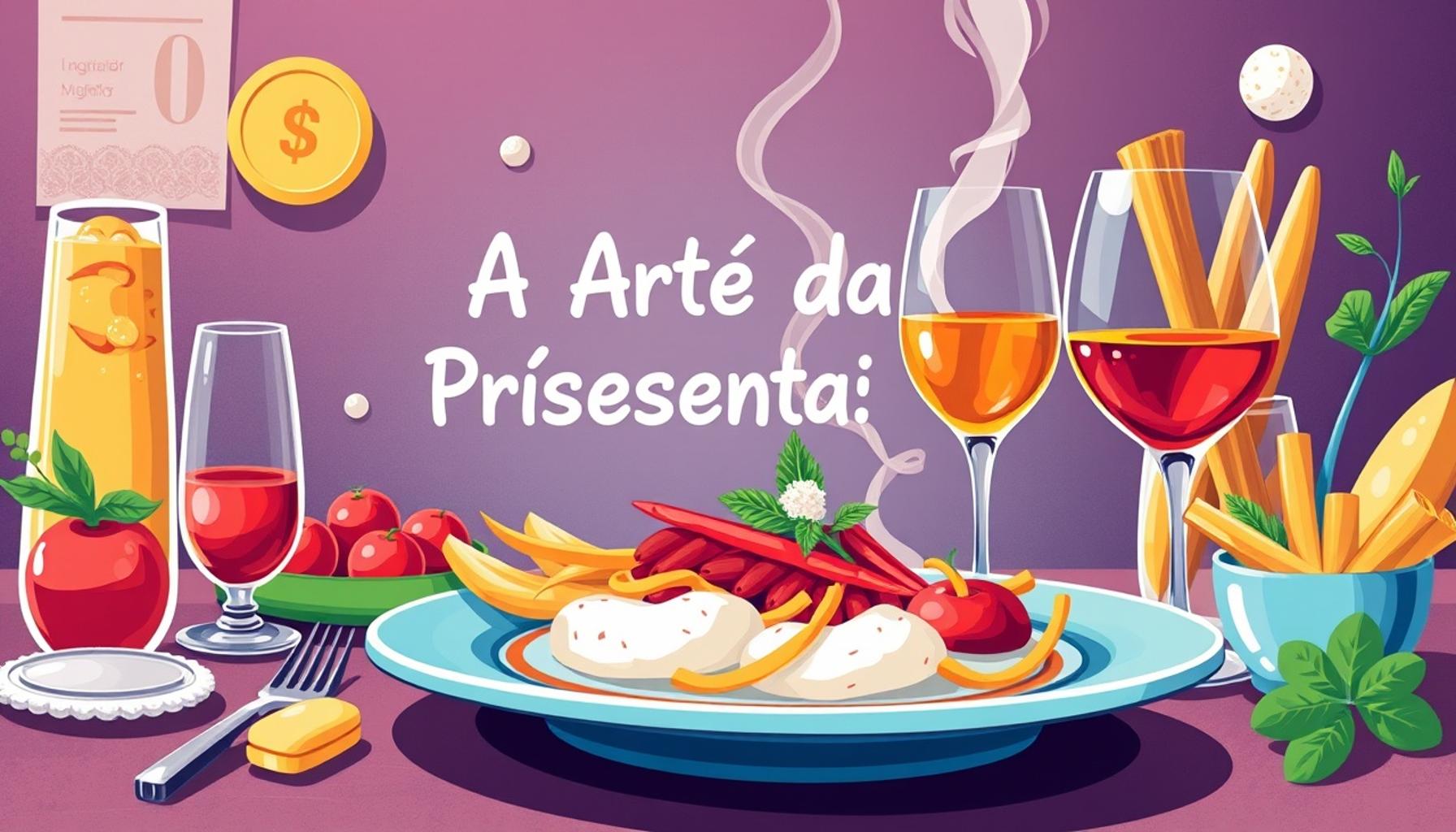
In the culinary world, plating goes beyond aesthetics; it’s a fundamental aspect that enhances the overall dining experience. The way food is arranged on a plate can evoke emotions, suggest flavors, and even influence how we perceive taste. Understanding the art of plating allows chefs to engage diners in a unique journey of flavor and visual delight.
Key Elements of Plating
- Color Contrast: A striking use of color can immediately capture attention and stimulate the appetite. For example, a vibrant red beet puree can elevate a dish featuring white fish and green asparagus, offering both visual appeal and hints of flavor. Bright colors not only attract but also suggest freshness and creativity.
- Texture Variety: The combination of different textures—crunchy, creamy, smooth—creates a dynamic eating experience. Imagine the contrast between the crispness of a fried garnish and the tenderness of a stewed vegetable, engaging multiple senses in a single bite.
- Symmetry and Balance: Achieving visual harmony through careful arrangement contributes to a pleasing dining experience. A balanced plate, for instance, might have a perfectly centered protein, flanked by complementary sides, ensuring no element overpowers another.
Innovative Plating Techniques
Chefs across the United States, from bustling urban restaurants to cozy family kitchens, employ innovative plating techniques that tell a story, turning each meal into an experience. Different methods can help make even the simplest dish memorable.
- Layering: This technique adds depth and intrigue to the plate. Consider a classic lasagna where layers of pasta, cheese, and sauce are intentionally visible, inviting diners to marvel at the craftsmanship.
- Garnishing: Thoughtful garnishes not only enhance flavor but also increase visual appeal. A sprinkle of microgreens or a drizzle of balsamic glaze can elevate a dish, transforming it from mundane to extraordinary.
- Use of Negative Space: Leaving areas of empty space on a plate can draw attention to the main components, creating a sense of elegance and sophistication. This technique invites the diner’s eye to explore the flavors presented, rather than overwhelming them with too much detail.
The Evolution of Culinary Presentation
As the culinary scene in the United States progresses, chefs continually experiment and push the boundaries of presentation styles. The goal is not merely to satisfy hunger but to provide an all-encompassing sensory experience. Diners today expect that every meal will engage not only their taste buds but also their visual senses, making the act of eating a multi-faceted adventure.
Through the exploration of these plating techniques, it becomes clear that the presentation of food is an intricate art form designed to appreciate and enhance the meal. The combination of thoughtful aesthetics and innovative culinary practice leads to unforgettable dining moments, inviting individuals to savor not just the flavor but the entire experience.
DISCOVER MORE: Click here for creative DIY gift ideas
Exploring the Foundations of Plating Techniques
The process of plating transcends mere decoration; it is an art form rooted in culinary precision and innovation. To truly master the art of presentation, chefs must understand the foundational techniques that can transform a simple plate of food into a captivating experience. This involves a comprehensive grasp of various plating styles, which each aim to highlight the dish’s most captivating elements, engage the senses, and deliver a story designed to delight diners.
Texture and Its Impact
In any plated dish, texture plays a critical role in the overall experience. Understanding texture contrasts not only enhances the visual appeal but also engages the palate. Diners often savor the creamy richness of a sauce alongside a crunchy element, such as fried shallots or toasted nuts. This melding of textures adds depth to the dish, inviting guests to explore each layer of flavor. Chefs keen on creating an unforgettable experience recognize the importance of texture; they often consider pairing items that elicit surprising contrasts which, when combined, elevate even the simplest of fare.
Plate Choice and Shape
The selection of plates is a key consideration in the art of plating. A traditional round plate, for instance, can provide a canvas for maintaining focus on the dish, whereas a square or rectangular plate can introduce an element of modernity and daring. Similarly, plates with varying depths can influence how elements are stacked or layered. Chefs in the United States often experiment with a variety of plate shapes to evoke specific emotions or experiences, allowing the plate itself to become a part of the narrative being told.
Essential Plating Techniques
Chefs utilize a variety of plating techniques to ensure that each dish tells its own unique story. Understanding these techniques can aid anyone interested in enhancing their culinary presentation skills. Here are a few essential methods:
- Drizzling: Using a squeeze bottle to create artistic lines or dots of sauce can add finesse and contemporary elegance to any dish.
- Saucing: Rather than plating the sauce underneath the ingredients, many chefs choose to spoon or brush it artfully around the plate, enhancing the visual appeal without masking the proteins or vegetables.
- Stacking: Employing height not only draws the eye but also adds excitement and intrigue to a dish. Stack components like grains, meats, and vegetables to create a visually stunning effect.
In conclusion, understanding and implementing these plating techniques is crucial for those wishing to succeed in the culinary field or simply impress guests at home. As the saying goes, we eat with our eyes first; therefore, perfecting the art of plating can transform any meal into a memorable occasion.
| Plating Technique | Advantages |
|---|---|
| Color Contrast | Utilizing vibrant colors makes dishes visually appealing, enhancing the dining experience. |
| Negative Space | Creating empty space on the plate can highlight key elements, drawing attention and evoking curiosity. |
| Texture Variation | Incorporating different textures enriches each bite, exciting the palate and enhancing flavors. |
| Height and Layering | Adding height to a dish creates dynamic presentations, stimulating interest and appetite in diners. |
When considering the culinary experience, plating techniques serve as a crucial aspect that can entirely alter the perception of a meal. Effective plating enhances not just the aesthetic appeal but also the enjoyment of food by creating an atmosphere of sophistication and thoughtfulness. Techniques like color contrast not only please the eye but also stimulate appetite, while negative space allows key components of the dish to shine in their own right. For instance, a minimalist approach with intentional space can evoke a sense of modernity and elegance.Texture variation also plays a pivotal role in enhancing the culinary experience, as it invites diners to explore the various sensations that each bite can offer. Furthermore, by using height and layering, chefs can create more inviting and engaging presentations, tempting diners to indulge in the artistry displayed on their plates. As you delve deeper into the art of plating, you will discover endless possibilities to elevate your culinary presentations, thus enriching the overall dining experience.
DISCOVER MORE: Click here to dive into the world of artistic journaling
Elevating Culinary Art through Advanced Plating Techniques
As we delve deeper into the art of plating, it becomes evident that mastery requires not just foundational techniques but also a spirited embrace of innovation and creativity. Chefs are continually exploring ways to captivate diners not just with flavor, but with the overall visual journey of their dishes. In this segment, we will unveil advanced plating techniques that further enrich the culinary experience, setting the stage for unforgettable dining moments.
Color Theory and Its Applications
The use of color in plating is far more than a mere aesthetic choice; it plays a pivotal role in how the dish is perceived and savored. Understanding color theory equips chefs to craft visually striking plates that resonate with the brain’s responses. For instance, combining warm hues such as red and yellow with cooler tones like green or blue can create a balanced and inviting presentation. Additionally, contrasting colors can evoke feelings of excitement and delight. Incorporating vibrant garnishes, edible blooms, or colorful purees can energize a plate, making it both eye-catching and pleasurable to the palate. Chefs who skillfully manipulate color can elevate their dishes to delightful visual storytelling, beckoning diners to the table.
The Power of Negative Space
In the world of culinary presentation, the concept of negative space is often underappreciated. This refers to the empty areas surrounding the food on the plate, which can greatly influence the overall composition. By strategically leaving space, chefs draw focus to the main components, allowing them to “breathe” and stand out. For example, a beautifully seared fish fillet can be complemented by a minimalistic splash of sauce and a sprinkle of microgreens, creating a sense of elegance and sophistication. The use of negative space can transform a crowded platter into a harmonious arrangement, teaching diners that sometimes, less truly is more.
Layering and Elevation Techniques
The art of layering adds not just height, but also visual complexity to a dish. Chefs often employ elevation techniques to create engaging compositions that invite diners to explore the different layers of flavor. This can be achieved through the use of various molds or ring cutters to create stacks of ingredients. For instance, a tower of roasted vegetables can be an enticing centerpiece, drawing the eye upward while suggesting a richness in the flavors below. Moreover, incorporating elements like edible soil or dehydrated powders at the base can ground the visual while adding textural contrast. Chefs are encouraged to push boundaries with elevation, crafting an experience that feels multi-dimensional.
Mindful Garnishing Techniques
Garnishing is an essential finishing touch that can bring a dish to life. However, the approach to garnishing has evolved beyond mere sprigs of parsley. Creative culinary professionals are now utilizing diverse techniques such as micro-herbs, edible flowers, and even edible oils infused with herbs to provide bursts of flavor and color. A drizzle of infused oil not only enhances the visual presentation but also bolsters the flavor profile of the dish. Thoughtful garnishing also reflects the chef’s integrity; it should always complement the dish rather than overwhelm it. Ultimately, the goal is to spark curiosity, prompting diners to engage with each element of the plate.
As chefs and home cooks alike continue to explore advanced plating techniques, the intersection of art and cuisine unveils exciting opportunities for creativity. It beckons culinary enthusiasts to not merely serve dishes but to create lasting experiences that linger well beyond the last bite.
DIVE DEEPER: Click here to learn more
Conclusion: The Fusion of Culinary Art and Presentation
In the realm of culinary arts, the significance of presentation cannot be overstated. Through innovative plating techniques, chefs transform mere food into an experience that engages all the senses. The exploration of color theory illustrates how visual appeal can elevate the dining experience, influencing taste perceptions and stirring emotions. By mastering the use of negative space, culinary professionals can create plates that are not only aesthetically pleasing but also sophisticated and inviting.
Moreover, the focus on layering and elevation opens up a world of three-dimensional creativity, prompting diners to interact with their meals in new and exciting ways. Thoughtfully executed garnishing techniques further enhance this visual storytelling, providing the perfect finishing touch that invites curiosity while ensuring the integrity of the dish’s flavor. Chefs who embrace these advanced techniques are not just feeding their guests; they are crafting memories that will resonate well beyond the table.
As we savor this art of presentation, it’s clear that the relationship between culinary creativity and visual appeal is profound. Whether in fine dining restaurants or home kitchens, the ongoing journey to enhance plating is a testament to the chef’s dedication to their craft. For both culinary enthusiasts and those who aren’t shy to experiment, understanding these principles paves the way for not just delicious dishes, but for moments that linger and inspire conversation. Explore, innovate, and let your plates tell a story that enthralls the heart and palate alike.