The influence of music on mental health and well-being through musical creation
Music as a Healing Force
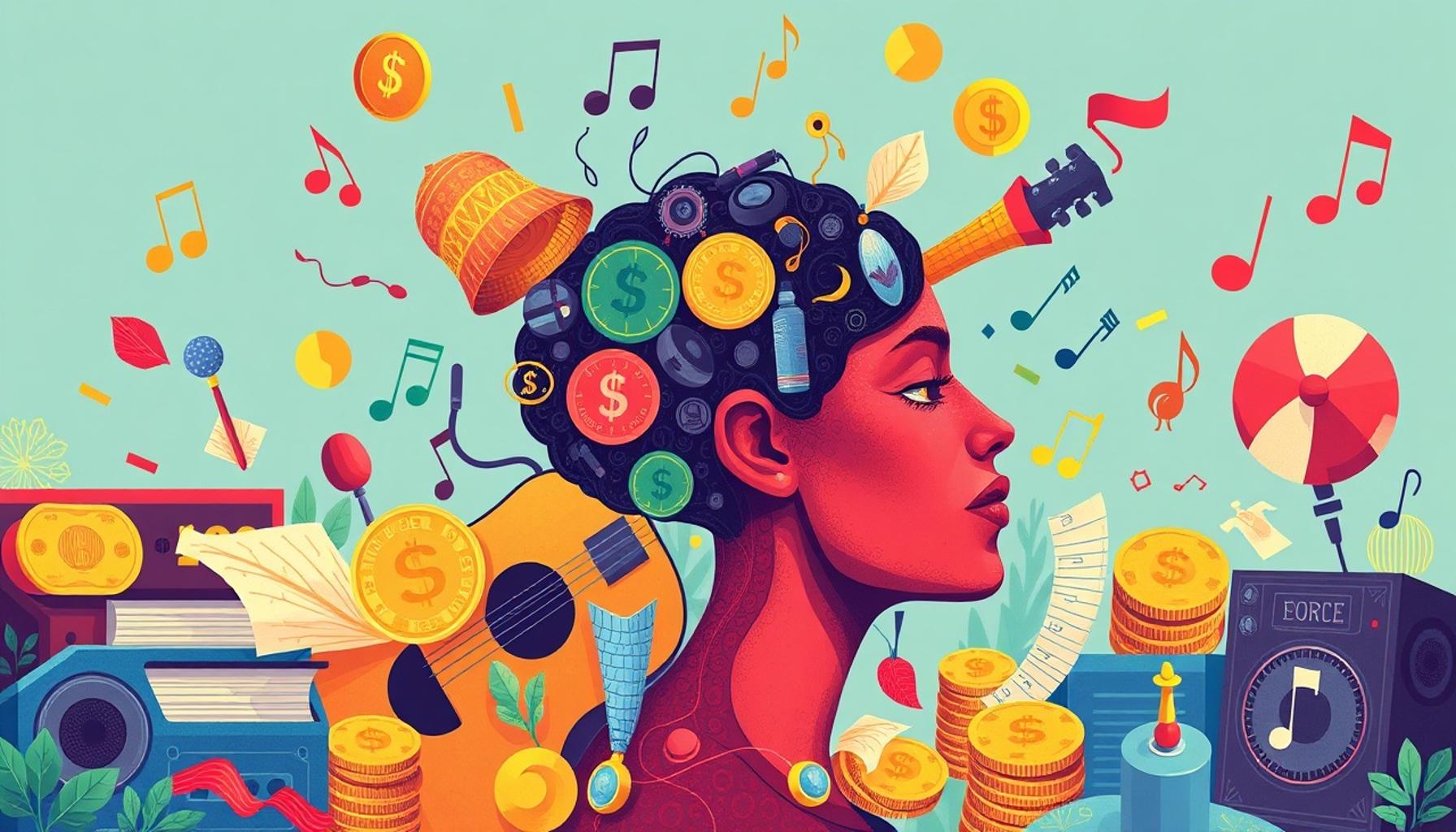
Throughout history, music has played a pivotal role in the lives of individuals, providing a means for expression and a vehicle for emotional catharsis. Increasingly, research is demonstrating that the act of creating music can serve as a potent catalyst for enhancing mental health and well-being.
Stress Reduction
One of the most compelling benefits of engaging in musical creation is its ability to facilitate stress reduction. Studies have shown that when individuals create music, their bodies respond by lowering cortisol levels, which is a hormone associated with stress. For instance, amateur musicians and those who participate in community music programs often report feeling more relaxed and at ease. This natural outlet for stress extends to various musical forms, from playing an instrument to composing songs or participating in singing groups, such as choirs or drum circles.
Enhanced Mood
Music has a remarkable capacity to influence our emotional states. Research indicates that engaging in music-making activities can lead to an increase in serotonin levels, which are crucial for enhancing mood. For example, therapies that incorporate music, such as songwriting or group jams, often result in participants feeling an uplift in their happiness and positivity. These findings point to the idea that when individuals create music, they not only express themselves but simultaneously foster a greater sense of joy and connection, allowing them to escape the daily grind and immerse themselves in creativity.
Increased Self-Esteem
Another significant benefit of musical creation is the boost in self-esteem it can provide. When individuals take the time to craft songs, melodies, or rhythms, they often experience a profound sense of accomplishment. This sense of achievement is particularly important for young people, who may struggle with self-confidence. By showcasing their musical talents through performances or even sharing their creations online, individuals can receive validation from peers, further reinforcing their self-worth and confidence.
The Rise of Music Therapy in the United States
In recent years, music therapy has emerged as an increasingly recognized and respected practice in the United States. Music therapists work with clients suffering from a range of mental health challenges, including anxiety, depression, and post-traumatic stress disorder (PTSD). These professionals use music to facilitate emotional processing and healing, often employing tailored musical interventions based on the client’s needs and preferences. This innovative approach highlights music’s role not just as entertainment, but as a legitimate therapeutic tool.
Community Connections
Engaging in musical creation also fosters community connections. By collaborating with others—whether in formal settings like workshops, or informal jam sessions—individuals can share experiences and support one another. Community music groups provide a safe space for individuals to express themselves and build relationships, reminding us that music brings people together. These connections can be particularly powerful for those who may feel isolated or alone, reinforcing music’s ability to unite and heal.
By exploring the transformative effects of music on mental health, it’s clear that creating music serves as a valuable tool for healing and personal growth. As we continue to uncover the profound relationship between music and mental well-being, it becomes apparent that music is not only an art form but a means to enhance our lives holistically.
DISCOVER MORE: Click here to uncover the science of flavor harmony
The Therapeutic Power of Music Creation
As individuals navigate the complexities of modern life, increasingly they are turning to music not just as a source of enjoyment, but as a form of therapeutic intervention. The influence of music on mental health and well-being is profound, particularly when it takes the form of musical creation—an active engagement that fosters emotional expression and promotes healing.
Emotional Expression Through Music
Musical creation serves as a unique outlet for emotional expression. Whether through songwriting, composing, or improvising, individuals find a freedom in music that allows them to articulate feelings that may otherwise remain buried. This emotional outlet has shown promising results in various therapeutic settings. For instance, in a study conducted by the American Journal of Music Therapy, participants reported a significant decrease in feelings of anxiety and depression after engaging in music composition activities. The ability to articulate emotions through music can be particularly beneficial for those who struggle with verbal communication, including children and adolescents.
Neuroscience of Music and the Brain
Delving deeper, the neuroscience of music reveals why musical creation has such a powerful impact on the brain. Studies conducted at institutions like Harvard University have found that creating music activates multiple areas of the brain, including those responsible for emotion, cognition, and motor skills. This multi-faceted engagement leads to a holistic form of therapy that may improve cognitive function and emotional resilience. Additionally, the brain releases neurotransmitters like dopamine during pleasurable musical activities, further enhancing overall well-being. This suggests that not only does musical creation foster a sense of achievement, but it also engenders a biochemical response that enhances feelings of happiness and satisfaction.
The Role of Rhythm and Structure
The structure of music—its rhythm, melody, and harmony—plays a crucial role in eliciting emotional responses. Engaging with rhythm can foster a sense of connection, whether through participation in a drumming circle or strumming along on a guitar. A recent survey conducted by the National Endowment for the Arts proposed that rhythmic activities can lead to feelings of unity and engagement among participants, making it an effective tool for community-building and personal empowerment. Here are some of the specific ways rhythm and structure influence emotional health:
- Rhythmical Activities: Involvement in rhythm-based music, such as drumming, is linked to improved mood and stress reduction.
- Compositional Structure: The act of organizing musical ideas leads to cognitive clarity and a sense of accomplishment.
- Collaborative Composition: Working with others not only boosts creativity but builds social skills and increases feelings of belonging.
Music as a Form of Mindfulness
Creating music can also serve as a form of mindfulness, allowing individuals to immerse themselves fully in the present moment. This state of ‘flow’ has been associated with numerous psychological benefits, including improved concentration and reduced symptoms of anxiety. Beyond traditional mindfulness practices, such as meditation, music-making provides an engaging alternative that appeals to those who may find solace in creativity rather than stillness.
As we explore the influence of music on mental health, it becomes evident that engaging in musical creation is not solely a pleasurable pastime but a vital component of emotional and psychological well-being. The benefits of expressing oneself through music are plentiful, offering a pathway toward healing that resonates deeply with the human experience.
The Influence of Music on Mental Health and Well-being Through Musical Creation
Music has long been recognized not only as a form of entertainment but also as a powerful tool for enhancing mental health. The process of musical creation—be it through the playing of instruments, composing, or singing—offers a unique avenue for self-expression and emotional release. Engaging in these activities can serve as a therapeutic outlet, helping individuals cope with various emotional challenges. Musical creation encourages a state of flow, where individuals lose themselves in the process of creating. This state is linked to heightened levels of happiness and reduced stress. Furthermore, the act of composing or improvising music provides an opportunity to externalize feelings that may be difficult to articulate verbally, enabling a deeper exploration of one’s emotions.Additionally, studies have shown that engaging regularly in musical activities can lead to improved cognitive function. It enhances memory, concentration, and even overall brain health. The repetitive nature of music practice fosters discipline, creativity, and resilience, attributes that are beneficial for mental well-being.Moreover, social interactions fostered through musical collaboration can significantly reduce feelings of isolation, thereby enhancing one’s support network. Group music-making can spark joy and create bonds between individuals, cultivating a sense of belonging—the natural antidote to anxiety and depression.To illustrate the profound connection between music and mental health, numerous music therapy programs have emerged, utilizing musical creation to assist individuals facing mental health struggles. The results often highlight music’s therapeutic properties, promoting overall mental wellness. As you delve deeper into this fascinating topic, consider how you might harness the energy of musical creation to enrich your own mental health journey.
| Category | Advantages |
|---|---|
| Self-Expression | Facilitates emotional release and personal reflection. |
| Cognitive Benefits | Enhances memory, concentration, and brain health. |
| Community Connection | Builds social bonds, reducing feelings of isolation. |
| Therapeutic Applications | Music therapy effectively supports mental health recovery. |
Engaging with music, whether through playing an instrument, composing, or singing can significantly influence mental health and well-being. Each experience serves as a reminder of the profound connection between human creativity and emotional resilience.
DISCOVER MORE: Click here for fun DIY projects
The Community Connection of Music Creation
In addition to its individual therapeutic effects, musical creation has a profound influence on community well-being. The collective experience of making music fosters social connections, promotes empathy, and cultivates a sense of belonging among participants. This communal aspect is particularly significant in a society that often grapples with loneliness and disconnection. Community music programs, such as choir groups or local bands, serve as essential platforms for individuals to engage with one another, share stories, and work towards common goals through musical expression.
Social Support Through Collaborative Music Making
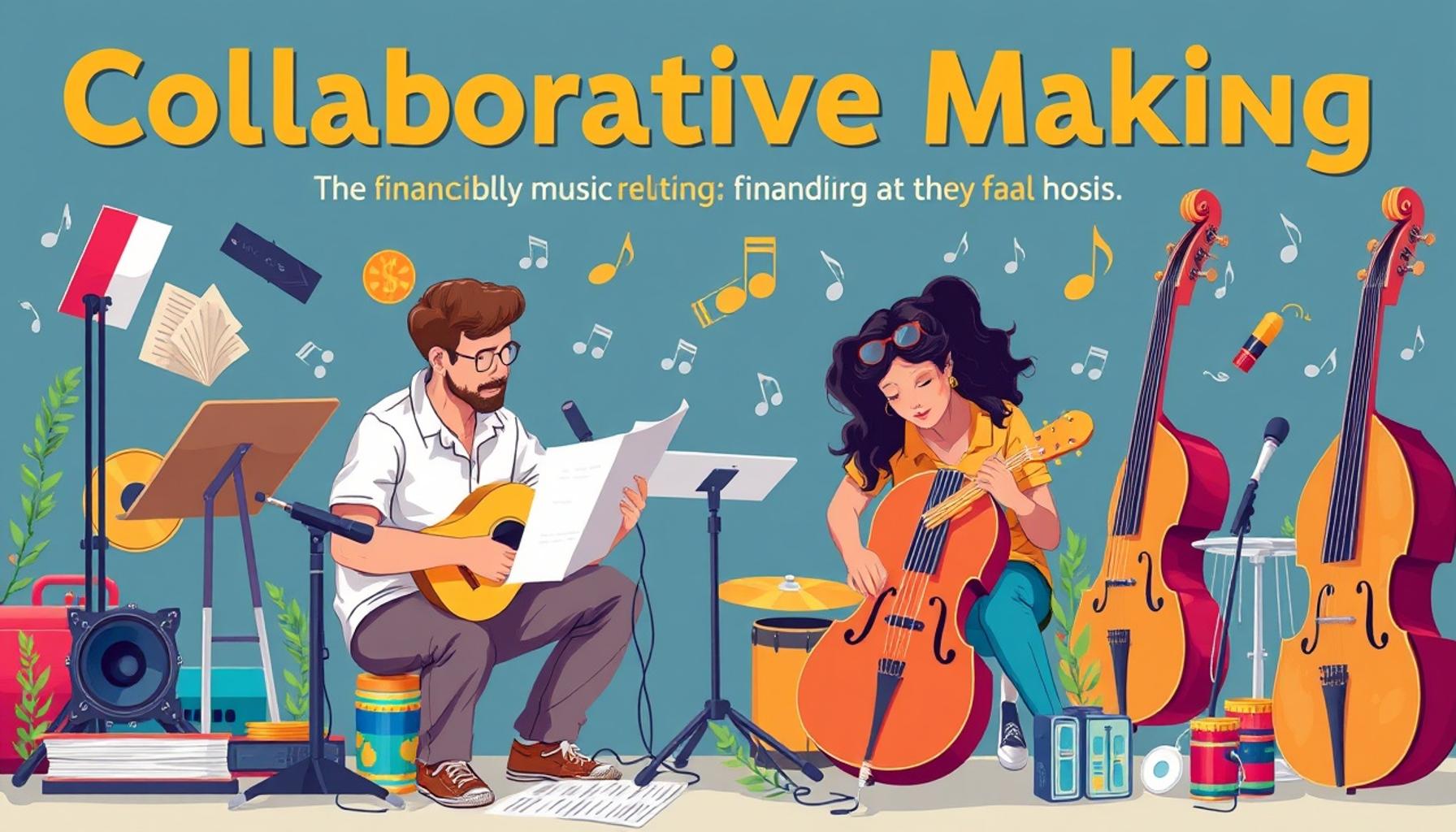
When individuals come together to create music, they engage in a supportive environment that enhances mental health. Collaborative music projects, like community drum circles or open mic nights, offer individuals an opportunity to connect, share, and uplift one another. Research conducted by the Oxford University found that shared music-making experiences can lead to increased feelings of belonging and social support, particularly among marginalized communities. This sense of support is vital, as it can combat feelings of isolation and create a network of individuals who understand the healing potential of music.
Music Creation as an Educational Tool
Beyond emotional connections, music creation can serve as a transformative educational tool. Programs that integrate music into educational curricula have been linked to enhancements in cognitive skills, literacy, and emotional intelligence. For example, initiatives like El Sistema, a music education program originating from Venezuela, have successfully demonstrated how musical involvement can improve academic performance and social skills among at-risk youth. Studies show that students participating in comprehensive music programs are often more engaged in school, exhibit higher attendance rates, and develop stronger interpersonal relationships.
The Role of Technology in Musical Creation
In today’s digital age, technology plays a crucial role in democratizing access to music creation. The rise of music production software and applications has enabled individuals to compose, record, and share their musical creations easily, regardless of formal training or background. Platforms like GarageBand and Soundtrap allow users to experiment with different musical genres and collaborate with other musicians virtually, breaking down geographical barriers. This accessibility makes musical creation an approachable sanctuary for those seeking solace and healing through music.
Expressive Arts Therapies Incorporating Music
Expressive arts therapies, which often include music as a fundamental component, have been gaining traction as a form of holistic mental health treatment. Therapists utilize both improvisational and structured music-making to help clients explore their emotions, enhance self-awareness, and foster personal growth. According to the American Music Therapy Association, clients who engage in these therapies experience notable reductions in stress and anxiety levels, as well as improvements in self-esteem and overall mental health. The adaptable nature of music therapy allows it to address a wide range of issues, from trauma and grief to everyday stressors, making it a versatile tool in the mental health landscape.
Through the intricate tapestry of musical creation, individuals can experience profound connection, healing, and transformation. As we uncover the collective influence of music on mental health and well-being, it becomes apparent that these shared experiences are fundamental to nurturing emotional resilience and sustaining community bonds in an increasingly fragmented world.
DIVE DEEPER: Click here to uncover narrative writing techniques
Conclusion: Unleashing the Power of Music for Mental Health
As we delve into the multifaceted impact of music on mental health and well-being through musical creation, it becomes evident that the melodies we craft and share resonate far beyond mere sound. Music serves as a powerful conduit for emotional expression, therapeutic healing, and community building, providing a refuge for individuals seeking solace from life’s challenges.
The importance of music creation extends into various realms—be it individual therapeutic benefits, communal bonding, or educational advancement. By fostering connections and using technology to bridge gaps, music has the potential to combat feelings of isolation and nurture a robust support network. Furthermore, collaborative music-making enables people from diverse backgrounds to unite, share experiences, and cultivate a collective sense of belonging that is crucial in today’s fast-paced world.
Moreover, the strategic integration of music in educational frameworks reveals its capability to enhance cognitive growth and emotional intelligence, making it a vital resource for future generations. As research continually underscores its benefits, it becomes increasingly apparent that music is not merely an art form but a therapeutic tool that has the power to transform lives.
Encouraging individuals to engage in musical creation can be a path towards improved mental health, resilience, and community well-being. As we move forward, let us embrace the potential of music, nurture creativity, and uncover new horizons that the healing power of sound can unlock. The journey through notes and rhythms can lead us toward a deeper understanding of ourselves and a greater appreciation for the connections we forge with others in the harmony of life.