The Influence of Reading on the Improvement of Creative Writing Skills
Unlocking Creativity through Literature
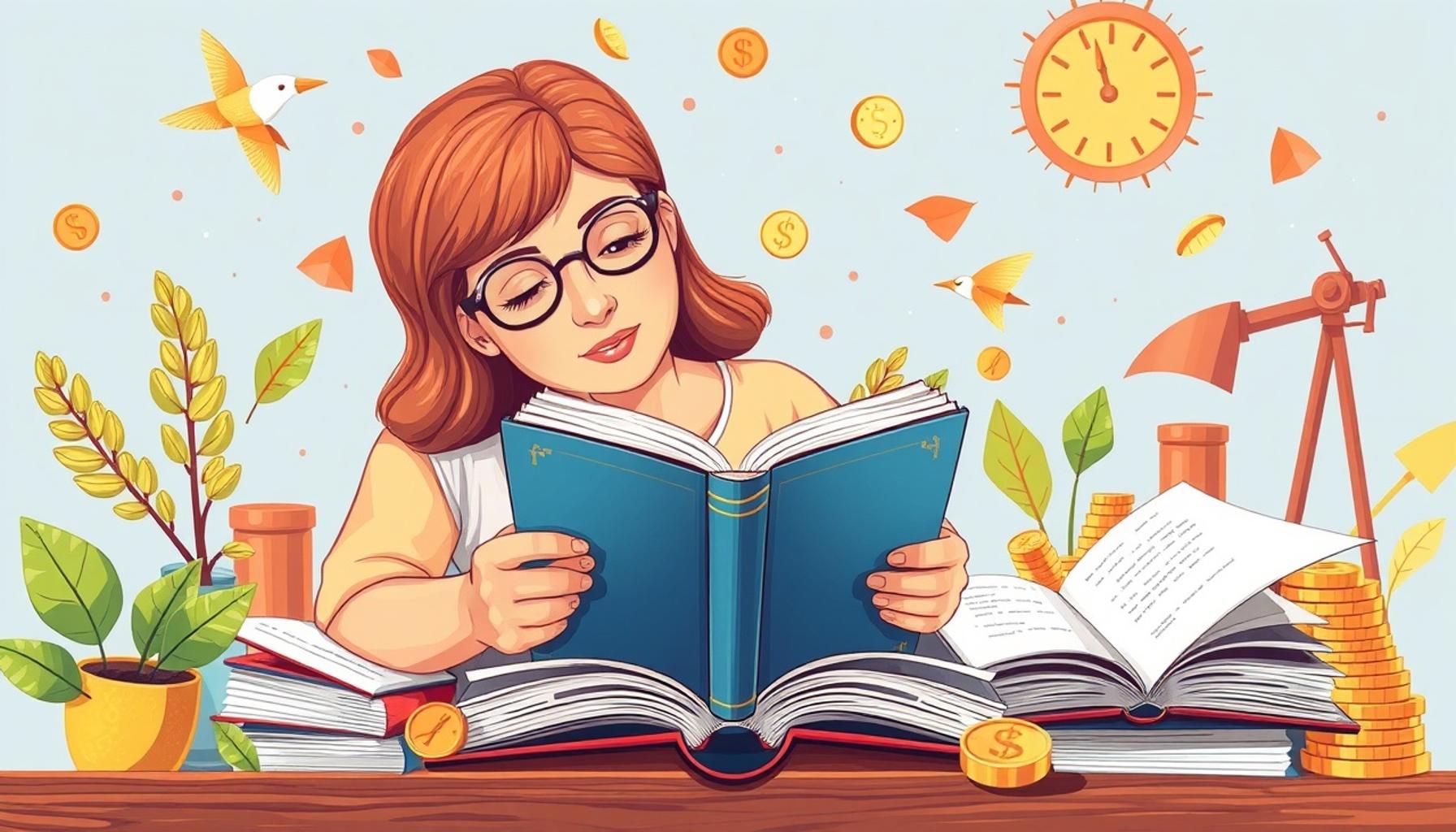
Have you ever wondered how the pages of a novel can transform a blank page into a canvas of creativity? The connection between reading and creative writing skills is profound and often overlooked. Immersing oneself in literature can unlock hidden potential, encouraging the cultivation of unique voices and narratives that resonate with readers.
Through regular reading, writers can:
- Enhance Vocabulary: Exposure to diverse words allows for varied expression. When writers read a wide range of genres, from poetry to science fiction, they encounter terminology and phrasing that enriches their own language. For instance, a romance novelist might improve their dialogue with descriptive phrases they stumbled upon in a literary classic.
- Understand Structure: Analyzing different writing styles reveals how narratives are built. Consider how J.K. Rowling develops her Harry Potter series—her knack for weaving complex plots with subplots and crafting cliffhangers can be a valuable lesson for any aspiring author.
- Inspire Ideas: Stories spark creativity by presenting new perspectives and themes. Reading a gripping mystery can ignite ideas for plot twists, while a thought-provoking dystopian novel may inspire writers to explore societal issues in their narratives.
Engaging with literature opens the mind to different voices and techniques. It cultivates a deeper understanding of character development, plot progression, and emotional resonance. For example, character arcs—from the redemption of Ebenezer Scrooge in Dickens’ “A Christmas Carol” to the moral complexities of Walter White in “Breaking Bad”—offer a nuanced look at human nature that can inspire writers to create multifaceted characters in their own works.
Moreover, studies have shown that avid readers often produce more original and engaging content. Research indicates that frequent reading significantly boosts creativity by enhancing cognitive flexibility, allowing writers to navigate complex ideas and craft intricate plots. In the world of creative writing, this practice not only refines skills but also fosters a unique style that can set a writer apart in a crowded marketplace.
As writers embark on their journeys, the influence of reading is undeniable. By dedicating time to both classics and contemporary works, they can significantly enhance their craft. Whether it’s diving into the pages of contemporary authors like Toni Morrison or delving into the classics like Fitzgerald’s “The Great Gatsby,” each new book is an opportunity to learn and grow. This continual exposure will not only expand a writer’s literary repertoire but also ignite their own creativity and innovation.
DIVE DEEPER: Click here to uncover the evolution of culinary arts
Unraveling the Threads of Imagination
The impact of reading on creative writing extends beyond vocabulary and structure; it is a journey that intertwines the reader’s imagination with the writer’s craft. When individuals delve into literary works, they not only consume stories but also observe the intricate mechanics behind them, sparking a chain reaction of inspiration and innovation. This dynamic interplay nurtures creativity in profound ways, shaping how stories are conceived and articulated.
One of the most significant avenues through which reading enhances creative writing is through the development of imagination. For writers, reading exposes them to worlds beyond their own, enriching their understanding of themes and concepts. Works of fantasy, such as those by J.R.R. Tolkien, expand the realms of possibility, prompting writers to envision their storytelling landscapes. Meanwhile, literary works that tackle real-life issues encourage writers to weave authentic experiences into their narratives, fostering relatability and depth.
Moreover, through the lens of reading, writers can explore a plethora of writing styles and techniques. A writer who immerses themselves in the lyrical prose of a novel may find inspiration in the rhythm and flow of sentences, while another may take cues from the punchy dialogue seen in contemporary YA fiction. This exposure to diverse narrative styles empowers writers to craft unique voices that resonate with their intended audience. Here are some aspects of style that can be absorbed from reading:
- Voice: Different authors possess distinct voices that reflect their personalities and perspectives. Writers who read widely can discern how to infuse their own voice into their work, escaping the confines of clichéd expressions.
- Symbolism: Engaging with various texts exposes writers to the use of symbols and motifs, allowing them to incorporate deeper meanings into their narratives.
- Pacing: Observing how established authors control the speed and flow of their stories teaches writers how to build tension or provide relief, an essential skill in maintaining reader engagement.
Additionally, the act of reading cultivates empathy, a vital ingredient for any writer. By connecting emotionally with diverse characters and scenarios, writers develop a better understanding of complex human behaviors and emotions. This deeper connection leads to the creation of believable characters that resonate with readers. The subtle shifts in a character’s emotional landscape, as shown in novels by authors like Khaled Hosseini, can offer invaluable lessons on how nuanced character development enriches storytelling.
Beyond character and style, reading also serves as a source of motivation. For many aspiring writers, the success stories of established authors ignite the flame of ambition. The triumphs and struggles depicted in autobiographies or essays can resonate deeply, urging new writers to press forward with their own creative endeavors. The magic of storytelling, witnessed through the lens of other writers, acts as a powerful motivator, propelling individuals to experiment with their ideas and express their creativity.
The Impact of Reading on Vocabulary Development
Reading is a powerful catalyst for enhancing your vocabulary, a critical component of effective creative writing. Exposure to diverse genres, styles, and narratives provides writers with a rich repository of words and phrases that can elevate their prose. As readers traverse different texts, they unconsciously absorb new terminology, idiomatic expressions, and varied sentence structures. This linguistic acquisition is instrumental when crafting original works, as it allows for nuanced expression and creativity.Moreover, frequent readers often notice that their ability to find the right word at the right time improves significantly. This enhanced vocabulary not only enriches their writing but also makes it more compelling and persuasive to audiences. For instance, a writer’s choice of a precise adjective can transform a mundane sentence into a vivid image, capturing the reader’s imagination.
Fostering Imagination and Creativity
Another profound advantage of reading is its capacity to nurture imagination. Engaging with different narratives allows writers to explore various themes, characters, and plots, providing a plethora of inspiration for their own stories. Exposure to imaginative worlds stretches a writer’s creative boundaries, encouraging them to think outside of the box.Furthermore, the act of reading cultivates empathy, allowing writers to appreciate diverse perspectives. This understanding of human emotions and experiences can translate into richer character development and deeper storytelling. Writers who read widely often find themselves creating more relatable and multidimensional characters, as they draw from a well of diverse experiences encountered in literature.Combining these elements, it becomes evident that reading is not merely a leisure activity; it serves as a foundational practice for anyone looking to hone their creative writing skills. By immersing themselves in a variety of texts, aspiring writers can continuously fuel their passion and craft, ultimately leading to an evolution in their work that captivates and resonates with readers.
DISCOVER MORE: Click here to dive into DIY jewelry making
Building the Foundations of Writing Confidence
The transformative power of reading also solidifies a writer’s confidence, a critical element when embarking on the journey of creative writing. Each book consumed serves as a stepping stone, laying the groundwork for both technique and self-assurance. Writers who habitually engage with a variety of texts cultivate a deeper understanding of their craft, making them increasingly comfortable with experimenting in their own writing.
One of the most tangible benefits of regular reading is the enhancement of grammar and syntax. Through exposure to well-structured sentences and articulate arguments in the works of esteemed authors, writers internalize grammatical rules and conventions almost subconsciously. This automatic absorption allows for greater fluency in writing. Notably, understanding different sentence structures through authors like Toni Morrison or Hemingway can inspire writers to take creative chances with their own syntax, leading to compelling and varied prose.
In addition, reading provides a gateway to understanding narrative arcs and the essential components of storytelling. Writers are introduced to various plot structures—from the classic three-act structure to nonlinear storytelling—by witnessing them in action. This comprehension equips them with the skills to devise their own plots that maintain tension and intrigue. Authors such as George R.R. Martin or Margaret Atwood demonstrate intricate plotting that captivates readers and serves as a template for up-and-coming writers who aim to refine their narratives.
Another remarkable effect of reading is its role in fostering critical thinking skills. As readers engage with the text, they make connections between themes, characters, and underlying messages. This analytical approach cultivates a sharper mind, which is invaluable in creative writing. Developing the ability to dissect and critique not only improves a writer’s editing skills but also enables them to evaluate their work against others, leading to more polished and thought-provoking pieces. For instance, engaging with the subtleties in texts like “The Great Gatsby” can bolster a writer’s ability to create layered narratives that provoke discussion.
Furthermore, the process of immersive reading—where readers become wholly absorbed in a story—can serve as a model for how to create engaging experiences for their own audience. Recognizing what hooks them as a reader allows for a greater understanding of how to capture a reader’s attention. Techniques such as foreshadowing, vivid descriptions, and cliffhangers can be adapted and effectively integrated into their writing, resulting in stories that hold the readers rapt from start to finish.
Lastly, the diversity found in literature plays a crucial role in widening a writer’s cultural perspectives. Reading works from various cultures and backgrounds shatters the confines of a single narrative perspective, urging writers to consider issues and viewpoints outside of their own. This aspect not only enriches their creativity but also invites inclusivity and depth into their narratives. Noteworthy authors such as Chimamanda Ngozi Adichie remind writers of the significance of ‘the danger of a single story’ and inspire a broader understanding of human experience in creative writing.
DISCOVER MORE: Click here to dive into collaborative music-making
Conclusion: The Symbiotic Relationship Between Reading and Writing
In conclusion, the relationship between reading and creative writing skills is a profound and symbiotic one that offers countless benefits to aspiring writers. Through the act of reading, writers not only absorb various styles, techniques, and narrative structures but also cultivate essential skills that serve to enhance their creative expression. By exposing themselves to an array of genres and voices, writers can develop a versatile understanding of language that encourages experimentation and innovation in their own work.
Moreover, the foundation of confidence built through consistent reading allows writers to take creative risks, knowing they have a wealth of inspiration to draw from. This confidence, paired with a refined sense of grammar, sytax, and storytelling, equips writers to better navigate the intricacies of their craft. So, whether delving into the pages of a modern novel or analyzing a classic work, each reading experience serves as an invaluable tool in the writer’s arsenal.
Importantly, reading fosters a deeper cultural understanding and an appreciation for diverse narratives, which enhances inclusivity within creative writing. As writers encounter varying perspectives, they are empowered to reflect the complexity of the human experience. This holistic approach not only enriches their own narratives but also resonates with readers on a broader scale.
Thus, for those on the journey of honing their creative writing skills, the message is clear: immerse yourself in literature. The pages of countless stories await, each one offering insights that can inspire, inform, and ignite your creative spirit. Embrace the power of reading, and watch your writing flourish.