The Intersection of Music and Visual Art: Creating Multisensory Experiences
The Intersection of Music and Visual Art
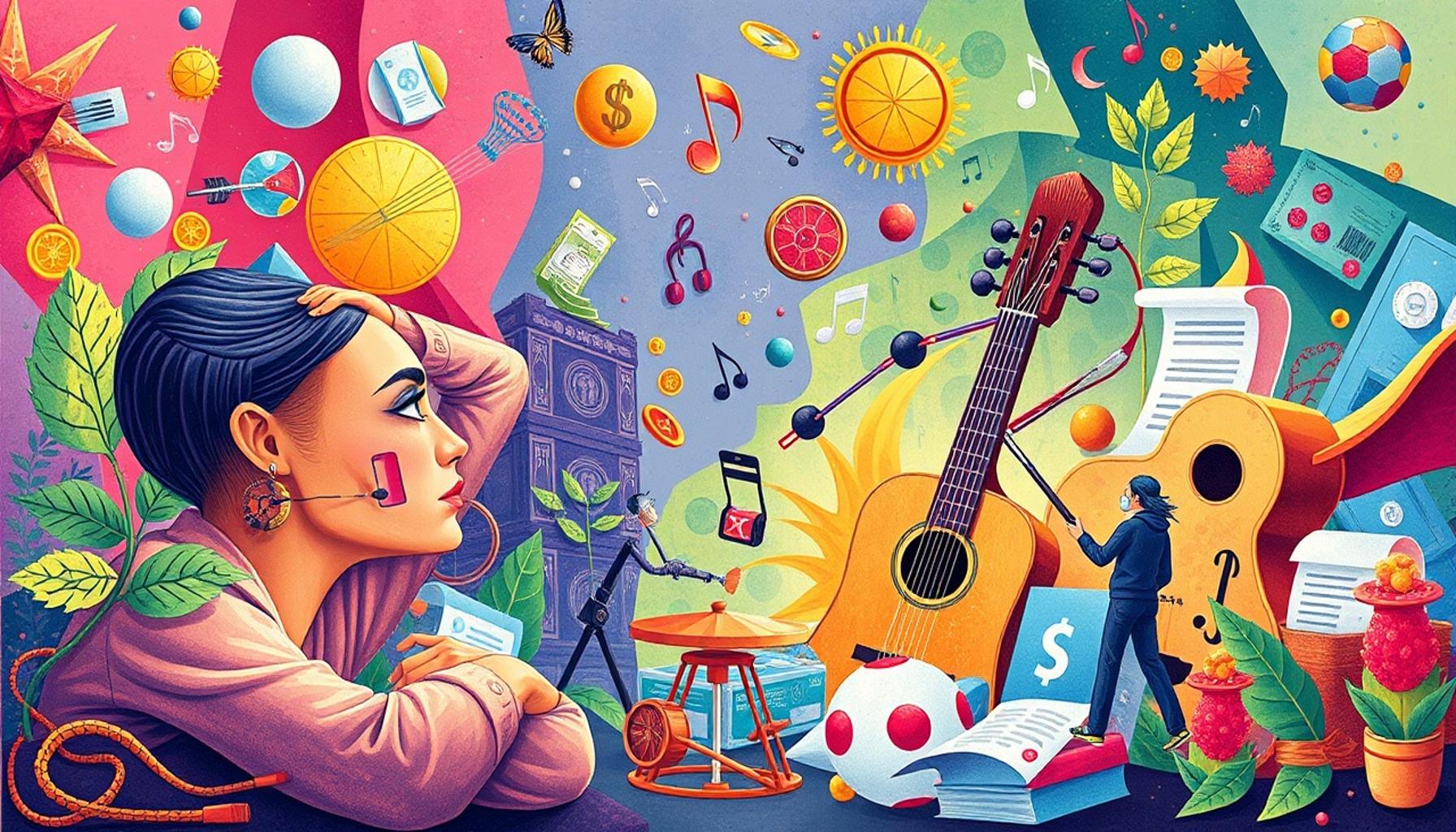
In a world increasingly driven by immersive experiences, the intersection of music and visual art creates a dynamic realm of creativity. Artists and musicians alike are discovering innovative ways to intertwine their crafts, offering audiences a multisensory journey. This fusion not only stimulates the senses but also enriches cultural expressions. The combined power of sound and sight can resonate deeply with individuals, promoting a shareable and memorable experience.
Art Installations
- Engaging Attendees: Collaborations between visual artists and musicians have led to captivating installations that engage attendees through sound and sight. For instance, installations like “The Obliteration Room” by Yayoi Kusama incorporate immersive environments where participants can interact with sound and visual elements, transforming a blank space into a kaleidoscope of color and rhythm as visitors leave their mark with dot stickers. Such works invite viewers to participate in the creative process, turning them from passive observers into active contributors.
Multimedia Experiences
- Elevating Traditional Art Forms: Festivals and galleries now frequently feature combined performances that elevate traditional art forms. Notable events, such as the Coachella Valley Music and Arts Festival, showcase live musical performances complemented by intricate soundscapes and stunning visual displays, creating a cohesive experience that captivates thousands. Similarly, contemporary dance companies incorporate live music to enhance the overall impact of their performances, highlighting the emotional narratives shared through movement and sound.
Technological Integration
- Creating Synesthetic Experiences: Advances in technology have enabled new techniques in creating synesthetic experiences, blurring the lines between what is seen and heard. Virtual reality (VR) and augmented reality (AR) are increasingly used in art installations, allowing viewers to immerse themselves in a fully realized sensory environment. For example, the renowned artist Refik Anadol uses data visualization and AI-driven algorithms to create artworks that respond dynamically to music, inviting audiences to experience art in real-time.
The impact of these collaborations can be profound, as they challenge our perceptions and enhance emotional responses. From the rhythmic beats of a live performance to the immersive visuals projected in galleries, these experiences can transport audiences into new realms of understanding. As artists explore the synergies of music and visual art, they not only redefine cultural expressions but also invite deeper contemplation about their roles in our lives.
This article will delve into examples of innovative artists, examine critical techniques, and discuss how these multisensory experiences are shaping contemporary culture. By bringing together diverse disciplines, we uncover the magic created when sound meets sight, leading us to reflect on the interconnectedness of creative expression in a rapidly evolving world.
DON’T MISS: Click here for fun DIY projects!
Transformative Collaborative Projects
The collaboration between music and visual art often results in transformative projects that revolutionize the way we experience culture. Artists from both disciplines come together to craft experiences that captivate audiences, utilizing the inherent power of both sound and sight. These projects redefine engagement, making the act of viewing or listening an interactive journey.
Interactive Performances
- Redefining Audience Participation: Interactive performances where visual art and live music intersect foster an engaging environment. A prime example of this is the immersive experience created by the “Blue Man Group,” where musicians integrate dynamic visual effects into their shows. The raucous beats of percussion are synchronized with mesmerizing light displays, turning a simple performance into a feast for the senses. This not only entertains but also invites deeper audience involvement.
- Experiential Art Spaces: Museums and galleries are also embracing this cross-disciplinary approach. The “Sonic Garden” installation at the Indianapolis Museum of Art is an intriguing blend of environmental art and sound composition. Visitors find themselves surrounded by a living soundscape as they navigate through a garden installation filled with responsive musical elements. Here, the fusion of installation art with sound creates an atmosphere that invites both contemplation and enjoyment.
Film and Music Synergy
The relationship between film and the visual arts also provides fertile ground for exploring multisensory experiences. The partnership between directors and composers has long been essential in creating a cohesive narrative. Iconic scores, such as those by Hans Zimmer for “Inception,” not only augment the visual storytelling but also evoke powerful emotional responses in the audience. By collaborating closely, filmmakers and composers cultivate an environment where sound and sight reinforce each other, enriching the cinematic experience.
Experiments in Sound Art
- Innovative Installations: Sound art—where sound is the primary medium—often exists at the borders of visual and musical art forms. Artists such as Janet Cardiff, known for her audio walks and installations, engage participants through a combination of storytelling and ambient soundscapes. Her projects, like “The Forty-Part Motet,” create immersive listening experiences that encourage reflection and exploration, merging audio with spatial awareness.
- Cultural Significance: These projects are not merely artistic expressions but also serve as cultural commentaries, addressing societal themes through their multisensory forms. The blend of music and visual art in public installations can provoke dialogue around pressing issues, fostering awareness and engagement within diverse communities.
The intersection of music and visual art is undeniably influential, shaping our perception of cultural experiences. Through collaboration and innovative projects, artists are redefining the boundaries of creative expression, leading us to reconsider the role of art in our everyday lives. In doing so, they invite us to partake in a shared experience that transcends mere observation, prompting reflection, interaction, and a deeper understanding of the world around us.
The Role of Collaboration in Multisensory Experiences
Collaboration between musicians and visual artists can lead to the creation of dynamic experiences that engage multiple senses. For instance, artists can design intricate visuals that harmonize with the rhythm and mood of a musical piece, allowing the audience to immerse themselves in an interactive environment. This fusion invites attendees to perceive art in a new light, encouraging them to explore the relationship between sound and sight, and enriching their emotional responses.One remarkable example is the use of technology in performances, where artists incorporate projections and light displays that respond in real-time to the music. This synchronization not only creates a captivating spectacle but also enhances the storytelling aspect of the performance, drawing the audience deeper into the narrative conveyed through both mediums. Such innovations can break the boundaries between different forms of art, fostering a more holistic appreciation of the creative process.
Emotional Resonance Through Multisensory Stimuli
Music and visual art have the power to evoke strong emotional reactions. When combined, they can amplify these feelings, creating a multisensory experience that resonates on various levels. Studies have shown that multisensory experiences can enhance memory retention and emotional engagement, making them particularly effective in educational and therapeutic settings. For example, music therapy often combines auditory and visual elements to provide comfort and support to individuals in need.Art installations with sound elements allow viewers to not only see but also hear the creativity unfold in real-time, forging a deeper connection to the artwork. This approach invites individuals to rediscover the significance of both mediums, encouraging them to reflect on how sound and sight interact to elicit profound insights. As we explore the intersection of these two art forms, we begin to understand how they can transcend traditional boundaries and create compelling narratives that captivate audiences everywhere.
| Category 1 | Category 2 |
|---|---|
| Collaboration Opportunities | Joint exhibits showcasing music and visual art. |
| Enhanced Audience Engagement | Improved emotional connection through synchronized art. |
By exploring these intersections, we unveil the potential for innovative experiences that not only challenge traditional art forms but also pave the way for new expressive avenues in both music and visual art.
DISCOVER MORE: Click here to learn about sustainable cuisine
Innovative Technology and Its Impact
As technology continues to evolve, it plays a pivotal role in enhancing the connection between music and visual art. Advancements in digital tools and augmented reality (AR) are enabling artists to explore new dimensions in creating multisensory experiences. This intersection opens avenues for experimentation, where the boundaries of traditional art forms blur, allowing creators to engage audiences in unprecedented ways.
Virtual Reality Experiences
- Immersive Environments: Virtual reality (VR) is uniquely positioned to merge music and visual art into an entirely immersive experience. For instance, projects like “The Night Cafe,” inspired by Vincent van Gogh, allow users to step inside a digitally rendered environment that pulsates with sound and visual stimuli, replicating the artist’s iconic style. Participants can interact with the space, making choices that affect the auditory experience, showcasing how technology enhances user engagement.
- Music Visualization: Artists are employing VR to create elaborate music visualization projects that respond in real-time to melodies. These innovative performances combine 3D graphics with soundscapes to create an immersive experience that captivates multiple senses. Events like the “Coachella Virtual Festival” have experimented with these concepts, merging live music with stunning visual arrays that change dynamically with the performance.
Data-Driven Art Installations
Big data is increasingly becoming a source for visual and audio art, as artists tap into algorithms and coding to create unique projects. By using data from various sources—such as social media trends or environmental statistics—artists can produce artwork that shifts based on real-world inputs. Projects like “Audible Cities” transform urban soundscapes into visual animations, allowing audiences to see the correlation between sound and visual representation.
Exhibitions Blending Genres
- Notable Art Exhibitions: Noteworthy exhibitions such as the “Yayoi Kusama: Infinity Mirrors” showcase how visual art can be paired with auditory elements, creating an experience that feels limitless. Kusama’s installations often feature soundscapes that elevate the visual experience, transforming a traditional gallery visit into a captivating multisensory journey.
- Cross-Disciplinary Collaborations: Collaborations between visual artists and musicians are becoming more common, as seen in projects like “The Color Factory” in San Francisco. This interactive art space integrates music, light, and color, encouraging visitors to explore and create as they move through the installations. These initiatives foster a dynamic relationship between the viewer and the artwork, encouraging spontaneous interaction.
As the intersection of music and visual art continues to evolve, driven by innovative technologies and collaborative projects, the possibilities for creating multisensory experiences are limitless. Audiences are no longer passive spectators; they are encouraged to actively engage and participate in the creation of art. This invites a redefinition of artistry itself, merging sight and sound in ways that resonate deeply with the human experience. Through this continuous blending of disciplines, artists find new means of expression, pushing cultural boundaries and inviting us to contemplate art with fresh eyes and ears.
DISCOVER MORE: Click here for unique party decoration ideas
Conclusion
The intersection of music and visual art is transforming the way we experience and perceive creativity in our increasingly interconnected world. Through innovative advancements in technology—from virtual reality and augmented reality to big data-driven art installations—artists are crafting rich, immersive environments that engage our senses beyond the traditional confines of art. These multisensory experiences not only captivate audiences but also invite deeper participation, forging a new understanding of what artistry can be.
As collaboration between musicians and visual artists flourishes, we witness the blurring of boundaries that have long defined each discipline. Exhibitions and events, such as the “Coachella Virtual Festival” and immersive installations by artists like Yayoi Kusama, are just glimpses of the limitless possibilities at this creative crossroads. By challenging viewers to interact, engage, and make choices, these experiences facilitate a profound connection between the observer and the artwork, enhancing the emotional and intellectual exploration of both sight and sound.
Looking forward, the exploration of multisensory experiences is poised to evolve even further, as artists continue to leverage technological advancements and creative collaboration. This intersection holds great potential to reshape our cultural landscape, offering new narratives and perspectives that resonate with audiences on a deeper level. As we embrace these innovative endeavors, we invite readers and explorers of art to not only appreciate the beauty of music and visual artistry but to actively seek out these multidimensional experiences that redefine our engagement with cultural expression.