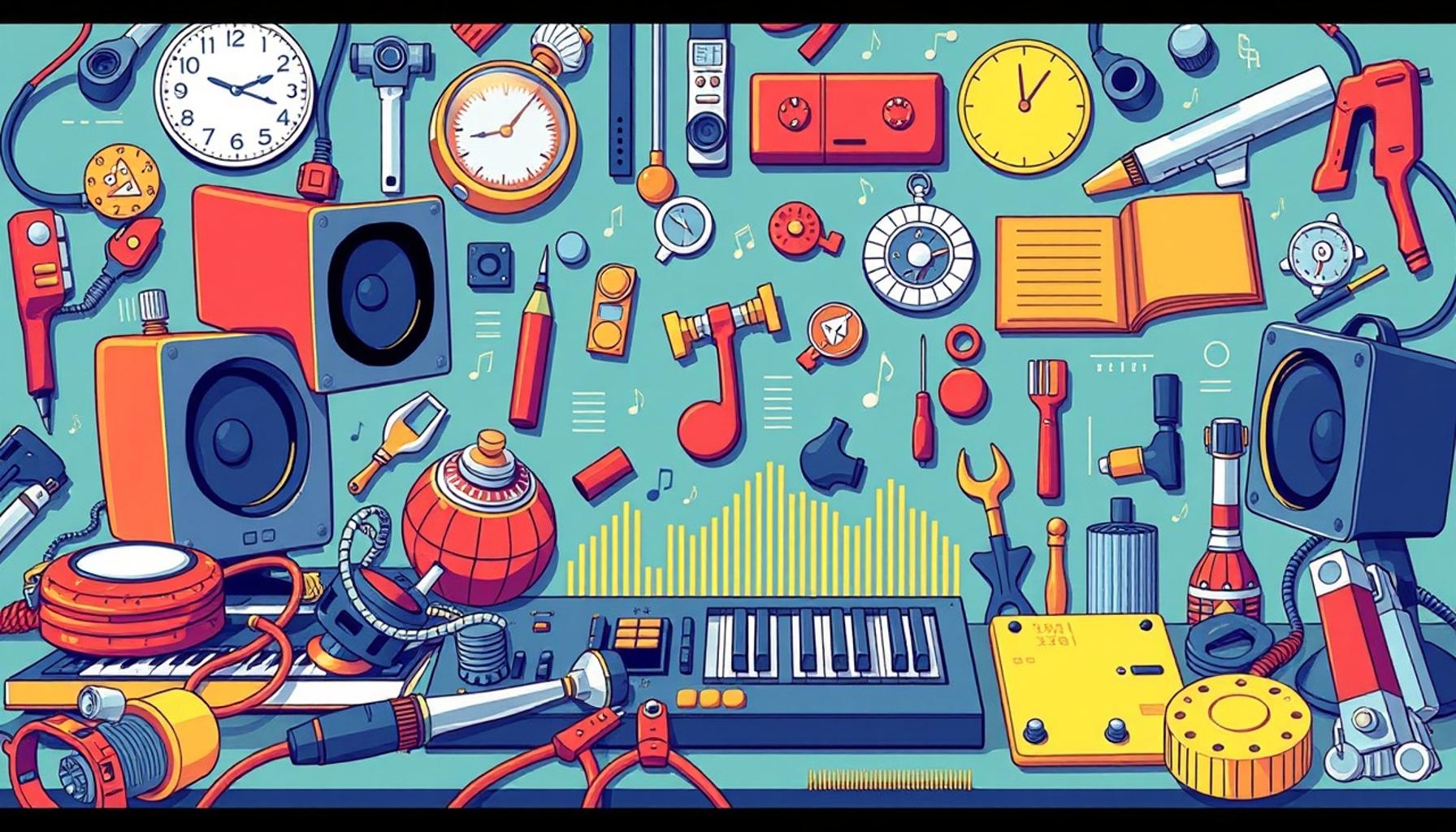
The Role of Technology in Modern Music Making: Tools and Techniques for Beginners
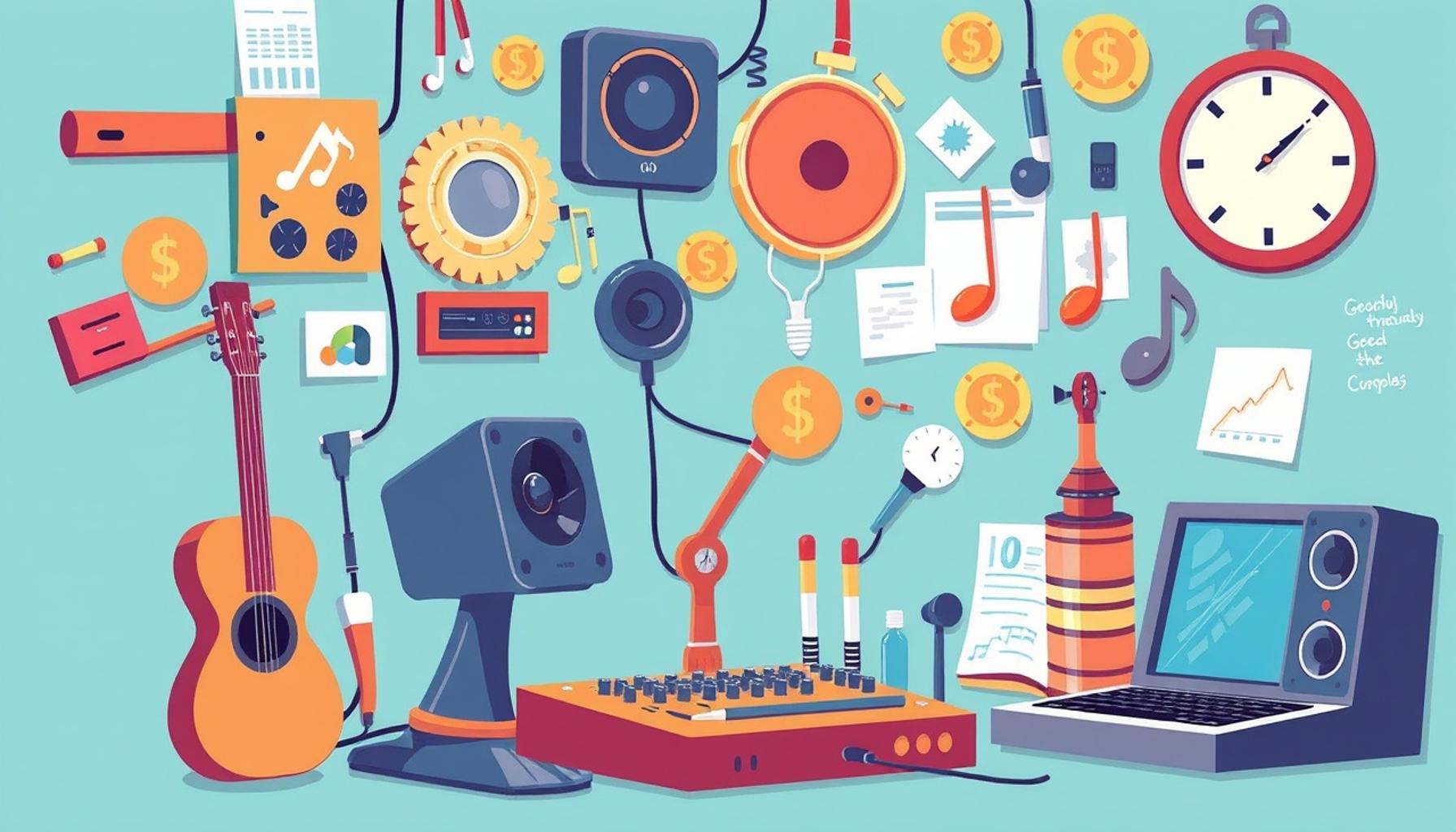
The Evolution of Music Creation
Whenever we think about the evolution of music, it’s clear that technology plays a pivotal role in shaping how artists express themselves and connect with their audiences. The dramatic shift in music production over recent years can be attributed to the democratization of tools that enable creativity. Today’s aspiring musicians, whether they are hobbyists or serious artists, can access an expansive array of resources that allow them to explore and define their sound like never before.
For beginners eager to dive into this vibrant world, the breadth of options available can indeed feel exhilarating and overwhelming. To simplify this journey, let’s highlight some of the key components transforming modern music making:
- Digital Audio Workstations (DAWs): These software applications form the backbone of music production. Programs like Ableton Live, FL Studio, and GarageBand serve both seasoned professionals and novices alike. Ableton Live, for instance, is favored across genres for its versatile live performance capabilities and user-friendly interface. In contrast, GarageBand is often celebrated for its accessibility on Mac devices, allowing users to produce high-quality tracks with minimal learning curve.
- Virtual Instruments: The rise of software synthesizers and samplers has offered creators the freedom to play with an endless array of sounds. These tools eliminate the need for expensive physical instruments while enabling musicians to experiment with everything from realistic orchestral sounds to futuristic electronic beats. Programs like Native Instruments’ Kontakt provide a rich library of sounds for composers looking to create intricate arrangements without needing a full orchestra in their studio.
- Online Collaboration: The ability to collaborate remotely has fundamentally changed the way musicians work together. Platforms such as Soundtrap and BandLab make it possible for artists around the globe to create and share their music without being in the same physical space. This is particularly appealing in a post-pandemic world, as it fosters a communal approach to creativity, breaking down geographical barriers.
Furthermore, the surge in music production tutorials on platforms like YouTube has revolutionized how artists learn. From beginner courses to advanced techniques, countless resources provide step-by-step instructions that make mastering complex software approachable. Channels dedicated to music theory, beat-making, and mixing offer invaluable insights that can take a novice from zero to hero, often for free. This wealth of information empowers every aspiring musician to become self-sufficient in their creative pursuits.
As you continue exploring the landscape of modern music making, you’ll realize that effective music production is not merely about owning the latest gear. It’s about you, the musician, utilizing these tools—seeking inspiration, experimenting with sound, and transforming your ideas into reality. The potential for innovation within music production is immense, encouraging artists to push boundaries and redefine what is possible in music creation.
In this digital age, the tools at your fingertips can expand the horizons of your creativity. They empower you to create music that not only reflects your unique style but also resonates with a global audience, enabling connections that were once unfathomable. Dive in and let technology enhance your musical storytelling, shaping the next generation of sound.
DISCOVER MORE: Click here to dive deeper
Essential Tools for the Aspiring Musician
As beginners venture into the realm of music production, having access to essential tools can drastically transform their creative process. With technology at the forefront, the landscape of music creation is not only more approachable but also more exciting. Below, we explore some of the most significant tools and techniques that every aspiring musician should consider integrating into their workflow.
- Audio Interfaces: At the core of digital music production, audio interfaces act as a bridge between physical instruments and computer software. They convert analog signals to digital and vice versa, allowing for high-quality recordings. Devices from brands like Focusrite and PreSonus provide features like low-latency monitoring and multiple inputs, making them suitable for any home studio setup. These interfaces can elevate the production quality of your music, ensuring that every note and nuance is captured accurately.
- Microphones: Quality microphones are indispensable for any musician. Whether it’s recording vocals or instruments, having the right mic can make a world of difference. For beginners, a versatile condenser microphone, like the Audio-Technica AT2020, provides excellent sound fidelity at an affordable price. Understanding the characteristics of different microphones enables musicians to select the best option for the sonic textures they aim to achieve.
- Plugins and Effects: The digital realm is awash with software plugins that can drastically alter your sound. From reverb to compression, these tools allow you to manipulate and enhance your music creatively. Companies like Waves and iZotope offer a range of affordable plugins that cater to beginners while providing professional-grade sounds. Learning to use these effects can vastly improve your mixing skills and overall production quality.
In addition to these key components, the importance of online communities cannot be overstated. Websites like Reddit, Gearslutz, and various Facebook groups provide platforms for feedback, sharing resources, and collaboration. Engaging with fellow music enthusiasts can yield valuable insights and foster a supportive network that drives creativity and growth. By exchanging ideas and techniques, you can learn from others’ experiences, helping to refine your own craft.
Moreover, many musicians now explore the potential of mobile applications for music creation. Apps like BandLab and GarageBand for iOS enable users to produce music on smartphones or tablets, catering to the on-the-go lifestyle of modern artists. These applications offer a surprising range of features, including multi-track recording and built-in instruments, all while making the music-making experience accessible to those without traditional studio setups.
The integration of technology in music making opens avenues for unprecedented creativity and experimentation. With tools that facilitate connections between artists, the possibilities are endless. As you immerse yourself in your musical journey, embracing these technologies will not only elevate your work but also foster a deeper understanding of the intricate art of music production.
The Role of Technology in Modern Music Making: Tools and Techniques for Beginners
In today’s music landscape, technology has become an indispensable tool for both amateur and professional musicians. With the advent of digital audio workstations (DAWs), music production is more accessible than ever. Beginners can now create, edit, and produce music directly from their computers using powerful yet user-friendly software. Tools like Ableton Live, FL Studio, and GarageBand offer intuitive interfaces and a wealth of virtual instruments that empower aspiring musicians to experiment with sound.Moreover, the availability of online tutorials and music courses has revolutionized music education. Platforms such as YouTube, Skillshare, and Coursera provide a wealth of resources, teaching everything from basic theory to advanced production techniques. This ease of access allows individuals to learn at their own pace and tailor their music education to fit their unique interests and goals.Another transformative aspect of technology in music making is the integration of hardware and software. MIDI (Musical Instrument Digital Interface) controllers and synthesizers interact seamlessly with DAWs, enabling nuanced performances that were once the realm of professional studios. Synthesizers can create a wide range of sounds that reflect modern musical styles while allowing for creative expression. As a result, musicians are not just limited to conventional instruments but can explore new sonic landscapes.In addition, technology fosters collaboration among musicians. Tools like cloud-based storage and project sharing enable artists from all over the world to work together, exchanging ideas and creativity without geographical barriers. This interconnectedness not only enriches the music-making process but also leads to innovative outcomes that blend various cultural influences.Furthermore, the rise of social media platforms has provided emerging artists with platforms to showcase their work and gain immediate feedback from audiences. Platforms like SoundCloud, Bandcamp, and TikTok have democratized the music industry, allowing anyone to present their creations to the world. This shift in visibility coupled with technology’s capacity for recording and producing music has empowered independent artists to build their careers on their terms.As technology continues to evolve, it is evident that the tools and techniques available to modern musicians will shape the future of music-making. With endless opportunities at their fingertips, beginners are encouraged to embrace these advancements, paving the way for a new era of creativity and expression in the world of music.
| Category 1 | Category 2 |
|---|---|
| Digital Audio Workstations (DAWs) | Enable seamless music creation and editing from home. |
| Accessibility of Online Learning | Empowers users to learn music theory and production techniques at their own pace. |
As beginners navigate through various technological advancements in music production, the landscape continues to expand, providing a myriad of opportunities to explore and create.
DISCOVER MORE: Click here to dive into the world of music-making
Exploring Software for Music Production
With hardware tools in place, the next essential layer for any burgeoning musician is mastering the software environment. Digital Audio Workstations (DAWs) serve as the nucleus for music production. These platforms, such as Ableton Live, FL Studio, Logic Pro X, and GarageBand, provide musicians with the ability to record, edit, and compose music all in one location. Most DAWs come equipped with a variety of virtual instruments and loops, which enhance creativity and speed up the production process. Learning to navigate a DAW is perhaps one of the most crucial steps in modern music-making. Tutorials and community forums abound, offering endless resources for beginners to expedite their learning curve.
The Power of MIDI
Another essential element in contemporary music creation is MIDI (Musical Instrument Digital Interface). MIDI technology allows musicians to connect musical instruments and computers, enabling them to control a myriad of sound-generating devices. Beginners can utilize MIDI keyboards to input notes easily, create drum patterns, and manipulate sounds with precision. The versatility of MIDI lets users edit their performances post-recording, making it simple to perfect a track until it aligns with their artistic vision. Various MIDI software tools, like MIDI controllers from brands such as Akai and Arturia, are designed to fit seamlessly into a home studio, providing the tactile experience many musicians crave.
Looping and Sampling Techniques
In recent years, the resurgence of looping and sampling has become a hallmark of modern music production. Looping software, which allows musicians to create repetitive segments of sound, is instrumental for developing ideas into full tracks. This approach can be seen in genres such as electronic, hip-hop, and pop music. Additionally, sampling—taking snippets of pre-recorded audio to craft new compositions—has seen renewed interest, particularly with the rise of genres heavily reliant on beats and grooves. Software like Serato Sample enables users to manipulate samples effortlessly, opening new avenues for creative expression.
Online Learning Resources
For beginners eager to enhance their knowledge, the internet is an invaluable resource. Platforms like YouTube and Skillshare offer a plethora of tutorials covering everything from fundamental music theory to advanced production techniques. Websites such as Coursera and Berklee Online provide structured courses, often taught by industry professionals. These learning avenues facilitate a rich, self-directed approach to becoming a proficient musician in today’s tech-savvy landscape. By dedicating time to broaden your understanding of music technology, you can significantly increase your proficiency and effectiveness in music production.
Furthermore, leveraging the power of cloud storage software can greatly enhance collaborative efforts. Platforms like Dropbox, Google Drive, and SoundCloud allow musicians to store projects and share them easily, enabling partnerships that transcend geographical boundaries. Collaborating with others can foster creativity and lead to unexpected results, pushing your artistic boundaries further.
The intersection of technology and music creation presents a dynamic space for innovation and creativity. With the right tools, techniques, and resources at your disposal, exploring your musical talent has never been more accessible or enjoyable. Embracing these modern advancements will undoubtedly empower you to navigate the complex world of music production as a confident and creative artist.
DISCOVER MORE: Click here to enhance your creativity through music!
Conclusion: Embracing the Digital Revolution in Music Making
In summary, the role of technology in modern music making is not only transformative but also essential for beginners eager to express their creativity. Equipped with the right tools, such as Digital Audio Workstations, MIDI controllers, and sampling software, aspiring musicians can effortlessly produce high-quality music within the comfort of their own home studios. This democratization of music production enables a diverse range of voices to emerge, making the music industry more inclusive than ever.
The myriad of resources available online—from video tutorials to structured courses—further facilitates this journey, equipping newcomers with the requisite skills and knowledge to refine their craft. By engaging with online communities and exploring collaboration through cloud storage platforms, beginners can enhance their learning experience and inspire one another. The interaction of sound, creativity, and technology fosters an environment where innovation can thrive.
As technology continues to evolve, it’s crucial for budding musicians to stay abreast of trends and tools that can further streamline their creative processes. Embracing this digital revolution not only enhances collaboration and creativity but also extends the potential for producing a diverse array of musical genres. Understanding and leveraging these advancements can ultimately lead to unique artistic expressions that resonate with audiences worldwide.
Ultimately, the landscape of music making is radically transformed, making it an exciting frontier for beginners. The fusion of technology and artistry paves the way for musicians to create, share, and connect in unprecedented ways. Now is the perfect time to dive into this rich world of possibilities and discover your unique voice through the mesmerizing canvas of modern music technology.