The Therapeutic Benefits of Making Music in Everyday Life
Unleashing the Power of Music
Every day, people encounter stressors that challenge their mental and emotional well-being. The simple act of making music can become a powerful ally in navigating these challenges. Research supports the idea that engaging in music-making fosters not just enjoyment, but also profound therapeutic benefits.
Key Benefits of Music-Making
Engaging in musical activities offers numerous advantages, including:
- Stress Reduction: Playing an instrument or singing can significantly lower cortisol levels. Studies have shown that musicians often report lower stress levels compared to non-musicians, making music a therapeutic outlet in busy and pressured environments.
- Enhanced Mood: Music can stimulate the release of dopamine, promoting feelings of happiness. Listening to or creating music has the potential to uplift spirits and even temporarily alleviate symptoms of anxiety and depression, turning a mundane day into something extraordinary.
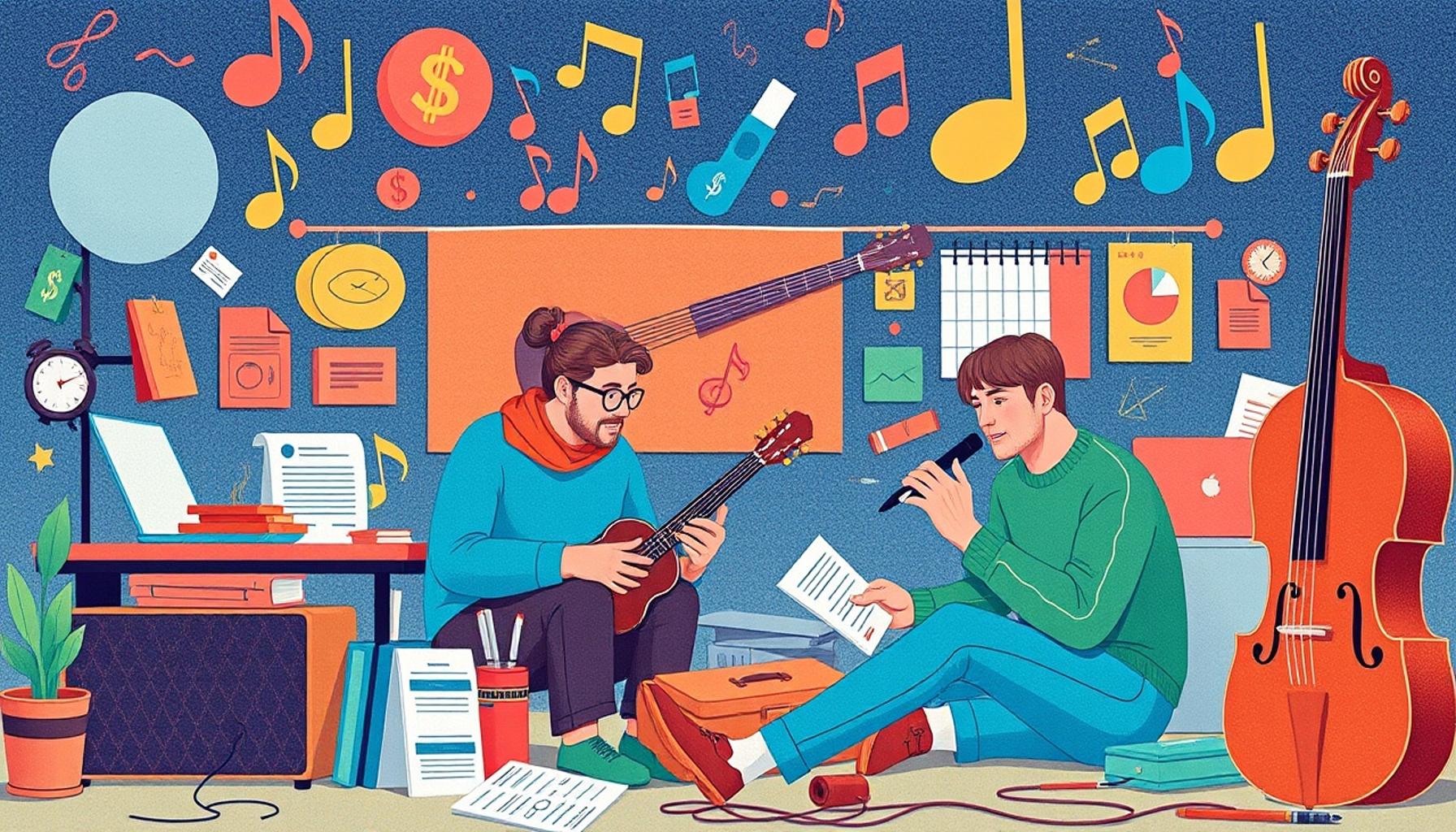
- Improved Social Connections: Group activities encourage bonding, making us feel less isolated. Community events such as drum circles, open mic nights, or choir practice not only create camaraderie but also foster a sense of belonging in an increasingly disconnected world.
Individuals from all walks of life can experience these benefits, whether through strumming a guitar at home or participating in a community choir. The beauty of music is its universal appeal, transcending age, culture, and background. It can bring together diverse groups, uniting them through a shared passion.
Inspiring Examples
From children writing their first songs to adults playing in bands, the impact of making music is evident. For instance, music therapy programs in hospitals, such as the renowned Music Therapy program at the Children’s Hospital of Los Angeles, illustrate how music can facilitate emotional expression and healing for patients dealing with illness. Similarly, initiatives like “Music in the Schools” promote music education in underfunded areas, illustrating the importance of music in cognitive development and socialization.
Additionally, consider veterans participating in music therapy, which has proven to enhance their recovery from PTSD. Programs that incorporate songwriting and music-making have opened pathways for emotional release and community reintegration. As we delve deeper into the therapeutic landscape of music, you’ll discover fascinating insights that could change your perspective on everyday life. In these unprecedented times, finding solace and joy in music may very well be the key to enhancing our quality of life. The healing power of music is not just a notion; it’s a resource readily available to all. It invites us to explore, express, and ultimately, connect in ways we never thought possible.
DIVE DEEPER: Click here to discover the art of collaboration in music
Transforming Lives Through Sound
The therapeutic benefits of making music extend beyond mere enjoyment; they delve into the very essence of human experience. For many, the act of engaging in music-making serves as a vital form of self-expression and personal growth. Whether through playing an instrument, singing, or participating in a music group, individuals often find themselves revitalized and empowered. This phenomenon can be attributed to several interconnected effects that music has on our brains and bodies.
Neuroscience of Music-Making
Research in neuroscience has unveiled the intricate relationships between music and the brain. When individuals create or engage with music, various regions of the brain are activated, promoting emotional processing and cognitive engagement. The process of making music is known to enhance neuroplasticity, the brain’s ability to adapt and reorganize itself. This is especially beneficial for individuals recovering from brain injuries or neurological disorders, where music therapy has shown promising outcomes.
Cognitive Benefits
Incorporating music into daily life can also have profound cognitive benefits, particularly for children and older adults. Studies have indicated that children who receive music education tend to exhibit improved language skills, memory, and overall academic performance. Likewise, older adults who participate in music activities utilize the cognitive faculties associated with memory recall and analytical thinking. These benefits reveal the role music can play in enhancing brain health, making it a cherished activity at any age.
Emotional and Psychological Advantages
The emotional landscape transformed through music-making is equally notable. Engaging in musical activities can enhance emotional resilience, providing individuals with constructive ways to cope with stress, anxiety, and grief. Music serves as a non-verbal language that enables self-expression and emotional release, facilitating healing from trauma or loss. This is evident in how individuals often turn to music during tough times, as the melodies and rhythms can evoke emotions that words cannot encapsulate.
Supportive Statistics
- Studies have shown that over 70% of participants in music therapy programs reported significant reductions in anxiety levels.
- More than 100 clinical trials indicate that music-enhanced treatments lead to improved outcomes in patients with mental health issues.
- Children involved in music education showed up to 20% higher scores in standardized tests compared to their peers.
The therapeutic benefits of making music are plentiful, and the potential for personal growth is profound. As we continue to uncover the intricate connections between music and health, it becomes increasingly clear that fostering a musical presence in our daily lives can be a catalyst for transformation. In a world where challenges abound, discovering a melody that resonates with one’s spirit may very well be a step toward healing and happiness.
| Category | Benefits |
|---|---|
| Emotional Well-being | Engaging in music creation helps to process emotions, leading to improved mental health. |
| Social Connections | Making music often invites collaboration, fostering community and deeper relationships. |
The therapeutic benefits of making music are profound and wide-ranging. From enhancing emotional well-being to building strong social connections, music has the power to transform lives. Engaging in *music creation* serves as a valuable outlet for emotions, enabling individuals to express feelings that may otherwise remain bottled up inside. This expressive quality contributes significantly to overall mental well-being, reducing symptoms of anxiety and depression.Furthermore, the collaborative nature of music fosters a sense of belonging and community. Whether through joining a band, participating in a community choir, or simply playing music with friends, individuals experience enhanced social interactions that enrich their lives. These social connections become vital lifelines, promoting a supportive environment that encourages personal growth and resilience, ultimately leading to a healthier, more fulfilling life. By understanding these aspects of music in everyday life, readers are invited to explore the multifaceted therapeutic aspects of engaging in music-making activities.
DISCOVER MORE: Click here to dive deeper into music technology
The Social Symphony of Connection
The act of making music often transcends individual experience, fostering connections that reinforce community and social bonding. When people come together to create or share music, they form collective experiences that enhance social skills and build relationships. Music-making can eliminate barriers of communication, allowing individuals from diverse backgrounds to interact and understand one another in profound ways.
Building Community Through Music
Community-oriented music programs, from local choirs to neighborhood bands, promote social engagement and a sense of belonging. Research shows that participating in group music activities leads to increased feelings of connection among members. For instance, a study conducted by the University of Oxford found that adult participants who engaged regularly in community music ensembles reported higher levels of life satisfaction and lower feelings of loneliness. This demonstrates how musical interaction cultivates not just individual well-being but also a robust community spirit.
Enhancing Communication Skills
Music has a unique ability to enhance communication, a crucial skill for social interaction. In therapeutic settings, individuals with speech or developmental disorders often find that music aids in improving their verbal and non-verbal communication abilities. For instance, children with autism spectrum disorder (ASD) have shown progress in social interaction and speech through music therapy interventions. Dr. Thaut from Colorado State University has conducted extensive research illustrating how rhythmic patterns and melodies can engage different parts of the brain responsible for language development, significantly benefiting communication skills.
Music as a Tool for Cultural Exchange
Moreover, music serves as a powerful vehicle for cultural exchange, promoting mutual understanding and appreciation among diverse groups. In the United States, programs that integrate world music into schools not only broaden children’s musical horizons but also enhance cultural literacy. Schools that have implemented culturally diverse music curricula reported increased empathy among students, fostering environments where inclusivity thrives.
Therapeutic Music Initiatives
- The Carmine M. Cotroneo Music Therapy Program focuses on enhancing mental health through creative expression, reporting over 80% of participants experiencing an improved quality of life.
- Community choirs have shown that group singing sessions can reduce feelings of isolation, leading to heightened emotional well-being among participants.
- Music for Healing initiatives in hospitals have demonstrated that patients who engage in music-making exhibit shorter recovery times and reduced need for pain medication.
As we explore the profound social impact of music-making, it is evident that engaging in musical activities can nurture connections that not only enrich individual lives but weave a supportive fabric within communities. The intricate relationships fostered through music can serve as vital lifelines, particularly for those feeling the weight of isolation or societal disconnection, underscoring the expansive reach of music as a tool for healing and togetherness.
DIVE DEEPER: Click here to discover the impact of technology on music creation
Final Thoughts on the Healing Power of Music
In conclusion, the therapeutic benefits of making music in everyday life are undeniable and multifaceted. From enhancing mental health to fostering social connections, the act of creating or engaging with music serves as a profound antidote to the stresses of modern living. The evidence from various studies, including those conducted by the University of Oxford and Dr. Thaut, clearly illustrates that music is more than just an art form; it is a vital component in improving communication skills and building community.
The community-oriented music programs provide a much-needed sense of belonging, especially in a time when feelings of isolation are prevalent. These initiatives lead to a remarkable increase in emotional well-being, helping individuals connect in meaningful ways. Moreover, music’s role as a conduit for cultural exchange enables a deeper understanding among diverse groups, fostering empathy and inclusivity in increasingly multicultural environments.
Embracing Music as a Fundamental Practice
As we consider these insights, it becomes clear that incorporating music into our daily routines can enhance not only our personal health but also the environments in which we live. Whether it’s through community choirs, music therapy initiatives, or simply sharing songs with friends and family, the possibilities are endless. We should all recognize the potential that lies in making music—a therapeutic tool that can uplift spirits, cultivate connections, and even heal wounds.
Thus, as we move forward, let us cherish music not just as entertainment but as a powerful ally in nurturing our mental, emotional, and social well-being. Explore opportunities to engage with music, experience its healing properties, and discover the vibrant connections it can foster in our everyday lives.