Culinary Arts as a Form of Personal Expression: Telling Stories Through Flavors and Aromas
The Cultural Significance of Culinary Expression
Food extends beyond mere sustenance; it embodies a vital form of personal and cultural storytelling. In the world of culinary arts, flavors and aromas blend together to create unique narratives that reach across cultures, capture fond memories, and elicit emotions. Each ingredient can be a word in a rich tapestry of personal history, waiting to be unraveled with every meal shared.
Consider the myriad ways in which chefs and home cooks convey their identities through their culinary creations:
- Ingredient Choices: When chefs choose locally sourced produce, they signal their commitment to supporting local farmers and fostering community connections. For example, a chef in Oregon might highlight fresh blueberries and hazelnuts in their desserts, showcasing the state’s bounty. This not only celebrates regional flavors but also strengthens the local economy.
- Technique: Traditional techniques often carry the essence of ancestral heritage. Think of the countless ways pasta is made across cultures: from the hand-rolled noodles of Italian kitchens to the dumplings in Chinese cuisine, these methods preserve culinary legacies. A chef who uses time-honored recipes may be honoring their grandmother’s methods, bridging generations through the act of cooking.
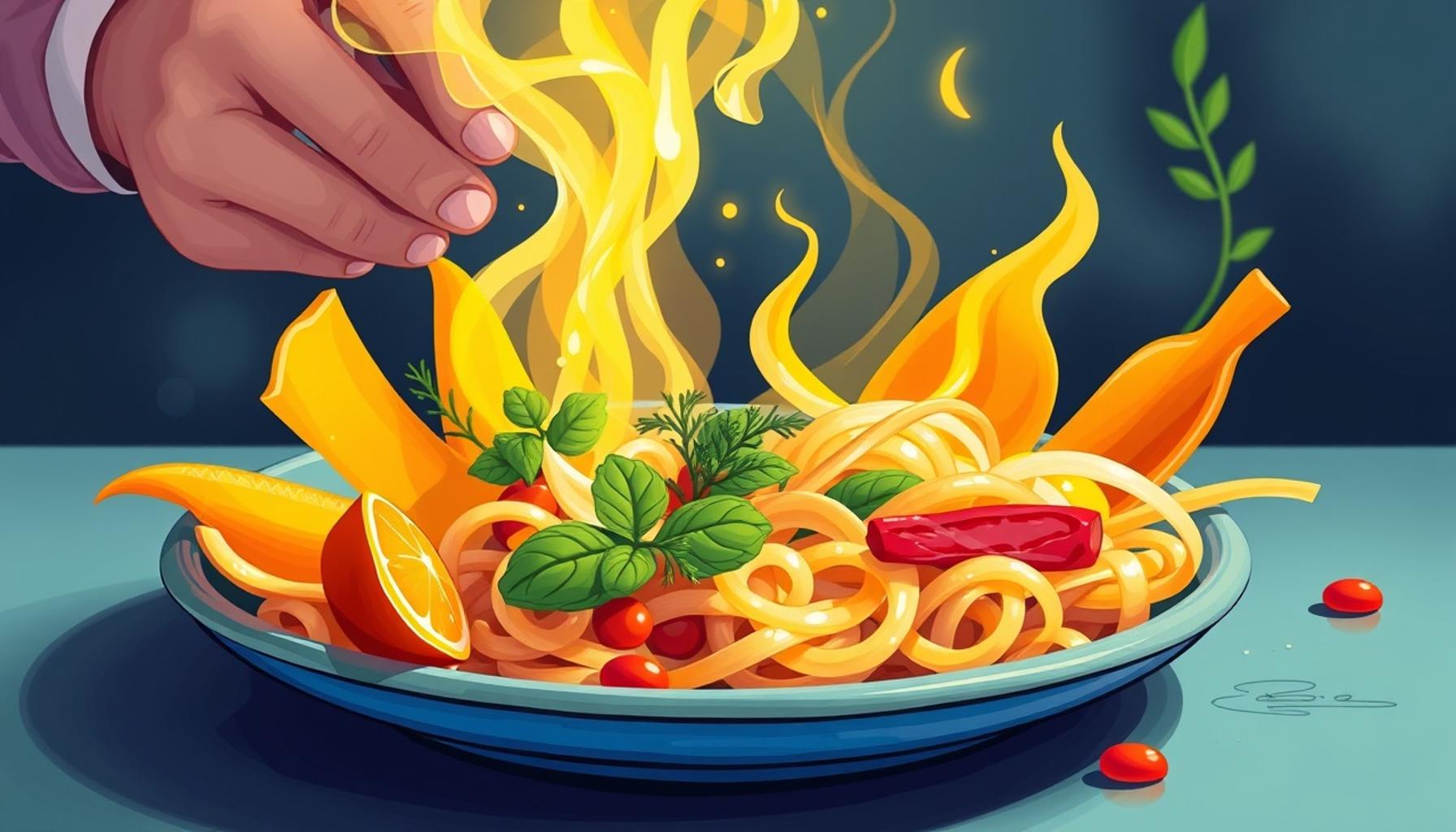
- Presentation: Artistic plating transforms a meal into a piece of visual art. Consider the trend of deconstructed dishes, where components are presented separately but come together in taste. A vibrant, beautifully arranged salad can tell as much of a story as the ingredients within it, invoking celebration or even nostalgia with every color and texture displayed.
Every dish holds the potential to evoke nostalgia, spark conversation, or inspire change. The comforting embrace of a family recipe, like a warm bowl of chicken soup passed down through generations, can transport us to cherished moments in our past. On the other hand, the daring fusion of international flavors, such as Korean barbecue tacos, encourages us to embrace new cultural experiences and broaden our culinary palate.
In the United States, the culinary landscape is a melting pot of diverse influences. As chefs and food enthusiasts turn to regional ingredients and immigrant traditions, the dining experience transcends mere eating, evolving into a celebration of heritage and innovation. For instance, the rise of Southern cuisine, which blends African, Native American, and European influences, illustrates how regional flavors reflect shared histories and evolving identities.
Exploring the culinary arts allows a deeper understanding of the connections between our personal experiences and the food we cherish. Each meal can serve as a reflection of who we are and where we come from. As we journey through this flavorful narrative, we discover that culinary creativity is not just about recipes; it is an intimate expression of identity and culture, inviting us to explore and celebrate the stories of food that unite us all.
DISCOVER MORE: Click here to elevate your plating skills
Culinary Techniques: Bridging Culture and Personal Narrative
Culinary arts serve not just as a means of nourishment, but as a powerful medium through which cooks communicate their personal histories, beliefs, and cultural backgrounds. At the intersection of tradition and innovation, the techniques employed in the kitchen reveal much about the individual behind the dish, while inviting diners to engage in a shared experience that transcends words.
When a chef selects a cooking method, they are not only choosing a way to prepare food; they are also expressing their values and heritage. Here are some key culinary techniques that beautifully illustrate how food can convey deeper meanings:
- Fermentation: This ancient practice is witnessing a renaissance, with chefs exploring the complex flavors that emerge from fermenting vegetables, dairy, and even meats. By incorporating fermented elements like kimchi or miso into their cooking, chefs connect their dishes to a lineage of time-honored methods passed down through generations, enriching the flavors and layering their personal narratives.
- Grilling and Barbecue: The act of cooking over an open flame carries both communal and cultural significance. In the American South, barbecue styles often reflect individual family traditions, with methods varying significantly between regions. Whether it’s Memphis-style ribs or Texas brisket, these techniques offer a reflection of regional pride and identity, effectively telling a story of place and heritage.
- Pastry Making: Baking is an art form that requires precision and patience, often resulting in delightful treats that evoke a sense of nostalgia. From the iconic grandmother’s apple pie to contemporary macarons, pastry chefs embrace the history of their craft while introducing innovative flavors, allowing each dessert to narrate its own story through layers of taste and texture.
The medium of culinary arts is also deeply contemplative, as chefs strive to blend flavors that not only please the palate but also provoke thought. For example, the emergence of plant-based and sustainable cooking is a response to growing concerns about health, environment, and ethics. This shift invites diners to consider not just what they eat, but the broader implications of their food choices, ultimately weaving together their arguments for sustainable living with the flavor profiles of their dishes.
As food enthusiasts traverse scenarios of comfort and adventure—whether it is savoring a hearty soup on a chilly day or indulging in a spicy curry during a summer gathering—they partake in a vibrant tapestry of culinary storytelling. Recipes become vessels for sharing experiences, histories, and emotions, demonstrating that food is indeed an art form capable of expressing individual narratives while also uniting people across diverse backgrounds. Through these flavors and aromas, the culinary arts invite us to reflect on both our personal journeys and the rich cultural histories that shape our world.
| Artistic Expression | Culinary Storytelling |
|---|---|
| Creativity | Culinary artists infuse personal narratives into each dish, showcasing their unique stories and backgrounds through flavors. |
| Connection | Food brings people together, allowing chefs to share emotions, traditions, and experiences, fostering a deeper understanding of diverse cultures. |
Exploring the intersection of culinary arts and personal expression reveals a rich tapestry of human experience. Chefs, home cooks, and food enthusiasts alike find that creativity plays a pivotal role in their cooking processes. Each ingredient chosen, each technique employed, represents a brushstroke on the culinary canvas, forming a dish that narrates a personal journey. The art of cooking transcends mere nourishment, transforming into a medium through which passions and identities are expressed.Moreover, food serves as a connection between individuals and communities. Culinary storytelling allows chefs to transcend geographical boundaries, instilling a sense of unity and appreciation among diverse populations. Through sharing recipes and flavors, we delve into cultures and histories, translating emotions through taste. Thus, culinary arts become a profound language, enriching our experiences and relationships, encouraging everyone to savor the stories locked within their meals.
DISCOVER MORE: Click here for unique DIY gift ideas
Seasonality and Locally Sourced Ingredients: The Narrative of Place
One of the most potent aspects of culinary arts is the storytelling potential of seasonality and locally sourced ingredients. Chefs around the United States increasingly lean into the concept of “farm-to-table,” emphasizing not only fresh produce but also the unique narratives that come from their regions. Ingredients that are in season provide a sensory reminder of the environment and the cycles of nature. For example, the arrival of asparagus in spring or the abundance of pumpkins in fall can evoke memories of family gatherings and seasonal festivities. Using these ingredients showcases a deep connection to the land and its rhythms, inviting diners to experience the evolving story of the year through taste.
In California’s vibrant culinary scene, chefs create seasonal menus that reflect the diversity and richness of local agriculture. Dish components—like heirloom tomatoes, avocado, and citrus fruits—are not just foods; they represent a synthesis of culture, history, and innovation. With each bite, diners are not merely tasting a meal but experiencing a story, a journey through the very locale in which the food was sourced. This approach emphasizes an appreciation for the labor that goes into growing and harvesting ingredients, connecting food enthusiasts to the farmers who cultivate them and the ecosystem that supports this rich tapestry of flavors.
Cultural Fusion: A Modern Palate
The blending of diverse culinary traditions results in remarkable fusions that create new stories while celebrating old ones. Cultural fusion in culinary arts illustrates how individual identity factors into the dishes we create. In metropolitan areas like New York City, where myriad cultures collide, chefs often experiment with cross-cultural techniques and ingredients. Think of Korean tacos, where elements of Korean barbecue meet Mexican tortillas—this exciting interplay of cuisines tells a story of shared urban life, immigration, and the evolving identity of American dining.
Similarly, the rise of global cuisine has allowed chefs to embark on a quest for creativity, drawing inspiration from international flavors. A dish that incorporates Southeast Asian spices into Southern comfort food does more than tantalize the taste buds; it speaks to a broader narrative about global interconnectedness and the shared human experience. As flavors from around the world intermingle, dining becomes an exploration of cultural convergence, showcasing how food can nurture understanding across different backgrounds.
The Art of Plating: Visual Storytelling
Beyond the flavors, the visual presentation of dishes adds yet another layer to culinary storytelling. The art of plating transforms food into a canvas that communicates the chef’s vision, elevating the experience to one of visual storytelling. Colors, textures, and shapes come together to create a symphony of sights that complement the taste sensations, influencing the way diners perceive a meal. For instance, a vibrant green herb pesto drizzled over a plate of roasted root vegetables not only appeals to the palate but also evokes a sense of freshness and nourishment.
Chefs such as Grant Achatz of Alinea in Chicago employ avant-garde plating techniques that challenge diners’ preconceived notions of food. Each course becomes a sensory experience, inviting eaters to engage with their meal in unexpected ways. This attention to detail and the meticulous craftsmanship behind presentations reiterate the idea that culinary arts are not merely about sustenance but are instead a profound form of personal expression linked to emotion and narrative.
Through the myriad elements of culinary artistry—from carefully selected ingredients to innovative techniques and visual flair—chefs continuously weave their personal stories, encapsulating culture, history, and identity in every bite. The kitchen becomes a dynamic space for exploration and reflection, pulling diners into a world where flavors and aromas serve as storytellers in their own right.
DISCOVER MORE: Click here to uncover the therapeutic benefits of making music
Conclusion: Savoring the Stories on Our Plates
In the vibrant world of culinary arts, food transcends mere nourishment to become a rich tapestry of personal expression and cultural storytelling. From the enticing aromas of seasonal ingredients to the thoughtful fusion of diverse culinary traditions, chefs exemplify how flavors can articulate complex narratives steeped in heritage and identity. The emphasis on locally sourced produce allows diners to experience a direct connection to the land, cycling through the seasons while igniting cherished memories and communal bonds.
The visual aspect of plating further elevates this art form, transforming meals into stunning canvases that enhance the sensory experience. Chefs today are not just preparing food; they are curating immersive stories that engage all senses. Each dish offers a multifaceted portrayal of tradition and innovation, encouraging guests to embrace the creativity and thoughtfulness embedded in their meals.
As the culinary landscape continues to evolve, the importance of culinary arts as a form of personal expression cannot be overstated. It prompts us to consider how food reflects our unique stories while fostering mutual understanding among diverse communities. By delving into this complex world of flavors and aromas, we invite ourselves to savor not just the taste, but the rich narratives and shared human experiences that each dish represents. The next time you sit down for a meal, take a moment to appreciate the artistry involved in each bite—it is a story waiting to be told.