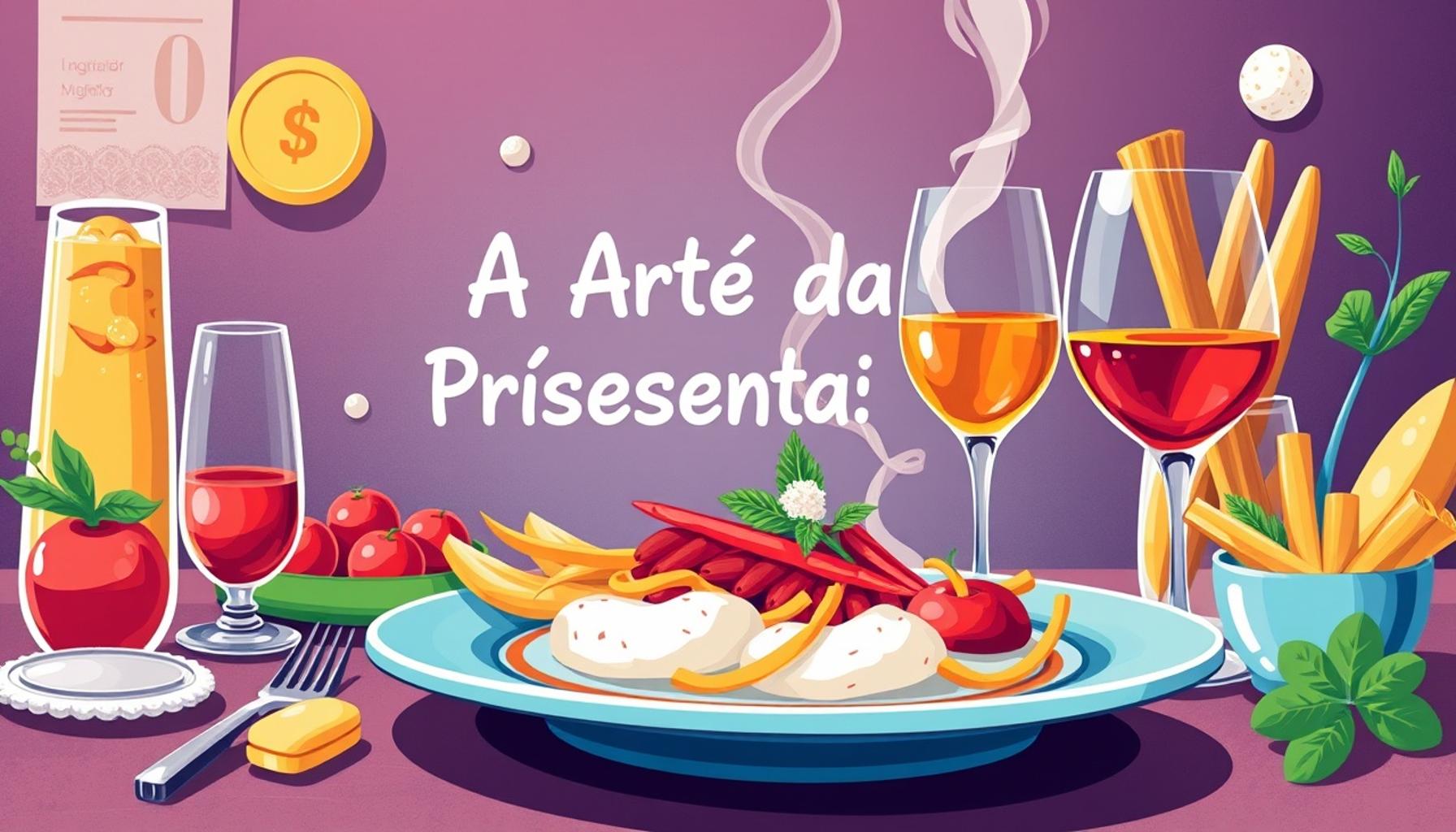
The Art of Presentation: Transforming Dishes into Works of Art
The Art of Meal Presentation
Meals are more than mere sustenance; they are an experience. The art of presentation transforms everyday dishes into breathtaking visual masterpieces, enticing the senses and enhancing the overall dining experience. Studies indicate that food presentation plays a crucial role in how we perceive flavor and enjoy our meals, affecting our overall satisfaction.
Why Presentation Matters
As the saying goes, we eat with our eyes first. A well-presented plate is not merely a feast for the palate but also a delight for the eyes. A well-arranged dish can:
- Stimulate appetite and enhance flavor perception: Colors, shapes, and arrangements influence our expectations of taste. For instance, a vibrant salad filled with greens, colorful cherry tomatoes, and brightly colored vinaigrette excites the diner’s palate before even taking a bite.
- Showcase the creativity and skill of the chef: Presentation allows chefs to express their culinary artistry. High-end restaurants often feature intricate plating techniques that showcase the chef’s knowledge and innovative ideas. For example, the application of edible flowers on a dish isn’t just for decoration; it can also introduce new flavors and elements to enhance the dish.
- Elevate the overall dining experience at home or in restaurants: Whether it’s a family dinner or a lavish event, aesthetically pleasing dishes can create lasting memories. The act of serving a beautifully plated meal can transform a simple gathering into an elegant dining occasion.
Key Elements of Food Presentation
Understanding the fundamentals of food presentation can lead to remarkable results. Here are some essential features to consider:
- Color: Incorporating a variety of colors can make a dish more vibrant and appealing. For example, a dish featuring roasted vegetables can benefit from contrasting colors like bright orange carrots, deep green broccoli, and shades of purple from eggplant.
- Shapes: Utilizing different shapes can add an element of interest. Round, square, and triangular components can move the eye around a plate, creating a balanced visual. A triangular slice of pie atop a round scoop of ice cream brings dynamic contrast and intrigue.
- Texture: Combining various textures creates a more engaging culinary experience. A dish that balances creamy, crunchy, and smooth elements—like a chocolate mousse with a sprinkle of crushed nuts—engages the palate in diverse ways, making the meal even more enjoyable.
By exploring the intriguing world of food artistry, we discover how the visual appeal of a dish can ignite passion and creativity in both chefs and food enthusiasts alike. Whether you’re hosting a dinner party or simply enjoying a quiet dinner at home, taking the time to present your food beautifully can elevate any meal, transforming it into an event to remember.
DISCOVER MORE: Click here for creative home organization tips
Elevating Everyday Meals: Techniques and Inspiration
When it comes to the art of presentation, achieving stunning visuals doesn’t require a culinary degree or expensive ingredients. With a few thoughtful techniques and some inspiration, anyone can elevate a meal into a visual feast. The use of simple items found in most kitchens can elevate your dish, turning everyday fare into works of art. Let’s explore practical techniques that not only enhance aesthetics but also bring an element of fun to cooking and dining.
Practical Techniques for Stunning Presentations
To begin transforming your dishes, consider incorporating some of the following techniques into your culinary routine:
- Plate Selection: The right plate can dramatically change the way your food is perceived. Using a contrasting color for your plates can make the food pop and draw attention. For instance, a vibrant green pesto pasta shines against a stark white plate, creating an inviting visual.
- Focal Points: Just like in art, establishing a focal point can guide the eye and create balance. Place the star element of your dish—the protein or main ingredient—at the center, and arrange complementary items around it. Think of a beautifully grilled steak topped with herb butter, surrounded by grilled asparagus and mashed potatoes arranged in a design that complements the meat’s height.
- Garnishing with Purpose: Garnishes should serve a dual function of adding visual appeal and enhancing flavor. Fresh herbs, microgreens, or a drizzle of balsamic reduction not only boost presentation but can also contribute aromatic complexity to the dish. Remember, simplicity is key; a few well-placed garnishes are often more effective than overcrowding.
- Use of Layers: Layering ingredients creates dimension on the plate and engages the viewer’s curiosity. Think of a layered parfait; each layer introduces a new texture and flavor while creating a visually striking contrast. This technique can also be applied to savory dishes, such as a vegetable lasagna stacked neatly with vibrant layers of sauce, pasta, and cheese.
Beyond these practical tips, presentation takes a creative spark—a willingness to experiment and try new combinations. Inspiration can be drawn from various sources, including art, nature, and cultural traditions. For example, the Japanese culinary tradition emphasizes simplicity and seasonal ingredients, which can be profoundly enlightening when considering food presentation. A dish featuring seasonal fruits arranged in a way that mimics their natural form is a reminder of the beauty found in nature’s bounty.
As you start experimenting with these techniques, remember that confidence in your presentation style develops over time. The more you engage with food presentation, the more your creative instincts will flourish. So, whether you’re plating a weeknight dinner or preparing for a special occasion, take the plunge into the captivating world of meal artistry—after all, the best meals are those that delight all the senses.
| Advantage | Description |
|---|---|
| Visual Appeal | Well-presented dishes enhance appetite stimulation and create a memorable dining experience. |
| Creativity Expression | Transforming food into art showcases chefs’ craftsmanship and innovative techniques. |
| Enhanced Flavor Experience | A stunning presentation can alter perceptions of flavor, making dishes more enjoyable. |
| Social Sharing | Visually appealing dishes are more likely to be shared on social media, increasing exposure and business. |
The exquisite art of presentation does not merely serve to please the eye, but also fundamentally enhances the overall culinary experience. Each layer of beauty created on a plate beckons customers closer, inviting them to partake in a feast that is as delightful to the palate as it is to the senses. The meticulous arrangement of colors, textures, and garnishments elevates the significance of the dishes, intertwining gastronomy and art into a seamless experience that resonates in both flavor and aesthetics. With the increasing influence of social media, the demand for stunning visuals in gastronomy has surged. Dishes that capture attention online become instant talking points, bringing greater visibility and appreciation to the culinary creators. As the culinary world continues to evolve, mastering the art of presentation will undoubtedly remain at the forefront of creating unforgettable dining experiences.
DIVE DEEPER: Click here to discover the art of culinary sensory experiences
Finding Inspiration: Cultural Influences and Artistic Styles
While you may be eager to implement presentation techniques, some of the most stunning dishes arise from exploring cultural influences and artistic movements. As chefs and home cooks alike discover new inspirations, they draw from their own backgrounds and the world around them to craft culinary masterpieces that resonate with their personal style.
Cultural Influences in Culinary Art
Cultural backgrounds offer a treasure trove of inspiration for food presentation. For instance, Mediterranean cuisine often features vibrant colors and ample use of fresh herbs, while Japanese plating techniques can showcase minimalistic elegance. The Japanese art of kaiseki, for example, celebrates the seasonal beauty of the ingredients, with each plate artfully arranged to highlight natural shapes, colors, and even textures. Adopting these principles can lead to beautifully balanced dishes that not only taste excellent but also evoke a sense of place.
Another resource to consider is the influence of Mexican cuisine, which thrives on bold colors and striking contrasts. Think of a plate adorned with a cascade of pico de gallo, bright green guacamole, and deep red salsas—all reflective of the vibrant culture itself. Channeling these traditions can lead to exciting presentations that intrigue diners and spark conversations about their origins.
Artistic Styles and Their Impact on Food Presentation
Beyond cultural influences, various artistic movements can shape how we perceive food. The Impressionist style exemplified by Claude Monet can inspire a dish that emphasizes natural light and soft colors. Consider creating a “Monet-style” plate with gently blended purees of seasonal vegetables, reminiscent of watercolor paintings—a visual representation of art on the plate. The use of circular patterns and delicate brushstroke-like textures can provide a beautiful dining experience.
Also, look to abstract expressionism for inspiration, where spontaneity and emotion drive the composition. When plating, don’t shy away from splashing sauces or using unexpected color combinations to create a dynamic presentation. For instance, a dish of roasted root vegetables can be transformed into an art piece by drizzling a vibrant green herb sauce in abstract patterns across the plate, creating a sense of movement and energy.
Environmental Awareness in Presentation
As the culinary world evolves, so does a growing awareness of sustainability and environmental consciousness. This is reflected in food presentation, with many chefs opting for eco-friendly ingredients and materials. Investing in reusable, sustainable dishware enhances the aesthetic while promoting environmental responsibility. Try to incorporate edible flowers or locally-sourced garnishes that not only beautify your plate but also minimize your carbon footprint.
Furthermore, the presentation process can embrace the art of foraging—using ingredients sourced directly from nature for personal touches. For instance, freshly picked herbs or wildflowers can encapsulate the beauty of your surroundings while adding depth and uniqueness to your dishes.
In conclusion, the art of presentation is a multifaceted exploration grounded in tradition, culture, and sustainability. By drawing inspiration from various influences, you can cultivate a personalized style that showcases not just food, but also your culinary journey. Embrace this opportunity to create visually captivating dishes that tell a story and leave lasting impressions on anyone fortunate enough to dine with you.
EXPLORE MORE: Click here to discover the tools and techniques transforming music creation</p
Conclusion: Elevating Culinary Experiences through Artful Presentation
Ultimately, the art of presentation transcends mere aesthetics; it is a powerful means of storytelling that captures the essence of culture, personal philosophy, and culinary innovation. As we explored, integrating cultural influences and artistic styles into food presentation not only enriches the dining experience but also fosters a deeper connection to the ingredients and techniques used in creating dishes. By understanding and embracing diverse global traditions—from the delicate balance found in kaiseki to the vibrant chaos of Mexican cuisine—we can discover new ways to innovate our own presentations.
Moreover, the increasing emphasis on sustainability underscores the importance of making conscious choices in how we present food. Utilizing eco-friendly materials and local ingredients allows us to contribute to environmental wellness, making our culinary journeys not just an exploration of flavor but also a commitment to the planet.
In embarking on this creative path, every plate serves as a canvas waiting for the next masterful stroke. The joy of transforming everyday meals into stunning works of art adds excitement, intrigue, and a personal touch that elevates them beyond mere nourishment. So, whether you are an experienced chef or a casual home cook, allow yourself the freedom to experiment, express, and inspire through artful food presentation. Think of the stories you can tell through your culinary creations; each dish can evoke memories, honor traditions, and invite diners into a journey of flavor and beauty.