Techniques for Dish Presentation: Transforming Food into Art
The Art and Science Behind Dish Presentation
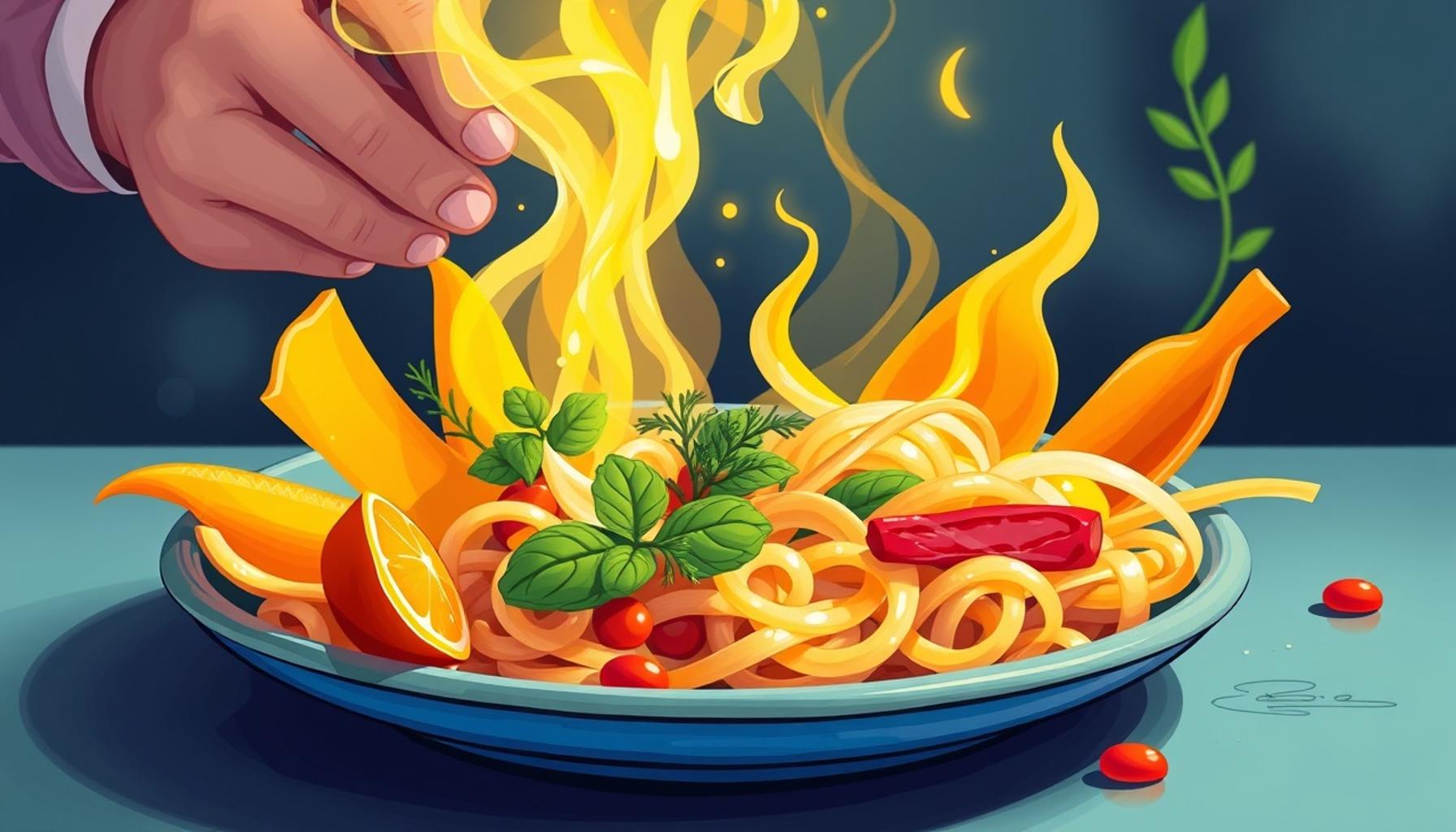
In the culinary realm, the impact of aesthetics on the dining experience cannot be overstated. An exquisite dish presentation can transform the ordinary into the extraordinary, creating not just a meal, but a memorable occasion. When dining, patrons often eat with their eyes first; a beautiful presentation can entice diners, enhancing their anticipation and enjoyment. To achieve this level of appeal, one must engage in a thoughtful application of various techniques that elevate simple ingredients into stunning visual compositions.
For chefs in bustling restaurants or home cooks preparing intimate meals, understanding the fundamentals of effective dish presentation is vital. A few essential elements can be pivotal in this process:
- Color: The visual palette of a dish is crucial. Utilizing contrasting colors not only makes the dish more appealing but also promotes a sense of balance and harmony. For instance, a vibrant red beet salad paired with creamy white goat cheese creates a striking visual contrast that is both pleasing and inviting.
- Texture: Incorporating a variety of textures can heighten attraction and intrigue. For example, a dish that combines crunchy roasted nuts with silky smooth purées can enhance both the visual and sensory experience. Textural diversity encourages diners to savor each bite, creating a deeper connection to the food.
- Height: Building height in dish presentation is an effective technique to draw the eye upward and create visual interest. Stacking ingredients, as seen in a vibrant vegetable lasagna, not only showcases culinary skill but also elevates the dish’s appealing aesthetic, making it look more gourmet.
- Garnishing: The finishing touches are critical; fresh herbs or edible flowers can add a layer of sophistication and freshness. Sprinkling microgreens atop a dish can breathe life into a simple creation while providing bursts of flavor and color that entice the diner further.
With an understanding of these techniques and a sprinkle of creativity, even the most humble meals can be turned into works of art. Exploring the world of dish presentation allows cooks of all skill levels to experiment and expand their culinary repertoire. Not only does this make for a more satisfying and enjoyable dinner experience, but it also encourages a sense of adventure in the kitchen.
For those eager to delve deeper into the art of presentation, there are countless resources and communities dedicated to culinary aesthetics. From workshops and online courses to social media platforms showcasing trending plating styles, the opportunities for inspiration are endless. As you embark on this journey, remember that the essence of presentation lies not just in how the dish looks but how it makes diners feel. Embrace this creativity and watch your culinary creations transcend from mere sustenance to extraordinary experiences.
EXPLORE MORE: Click here to dive deeper
Plating Techniques That Make a Difference
The presentation of a dish is akin to a painter selecting a canvas—what goes on it can transform the ordinary into a masterpiece. To truly master the art of dish presentation, it is essential to familiarize yourself with a variety of plating techniques that can emphasize the inherent beauty of food. Each technique varies depending on the type of dish you are preparing, the ingredients you are using, and the desired aesthetic. Here are some key plating techniques that can open a new world of creativity in the kitchen:
- Centralized Composition: This technique focuses on placing the main component of the dish in the center of the plate. For example, a beautifully seared piece of salmon can serve as a culinary focal point surrounded by vibrant side vegetables or sauces, creating a symmetrical appearance that invites attention.
- Off-Center Placement: Alternatively, placing the main ingredient slightly off-center creates asymmetry, which can be visually striking and contemporary. Think of a bold risotto mound with a drizzle of sauce artfully cascading to one side. This technique encourages the eye to explore the full plate, engaging diners with the arrangement.
- Layering: Layering involves stacking different components of a dish to create depth, much like a fashion designer layering fabrics. Consider a tower of grilled vegetables topped with lobster or a classic tiramisu that showcases its multiple layers. Not only does this enhance the visual appeal, but it can also combine flavors in each satisfying bite.
- Saucing Techniques: The sauce can be the final touch that brings a dish together. Whether it’s a strategic drizzle on the plate or a delicate pool beneath the main ingredient, the way you apply your sauce can elevate the dish. Restrained use of sauce in a creative pattern or a bold splash can articulate your culinary narrative.
It’s important to combine these techniques with the understanding of colors, textures, and garnishing discussed earlier. For instance, using bright, contrasting sauces against muted ingredients can create a visual dynamism that captivates diners. Additionally, varying the serving tool can change the dish’s entire presentation. Plates with different shapes and sizes, chic bowls, or elegant slate boards can all contribute to the overall dining experience.
As you explore these plating techniques, don’t hesitate to experiment with different styles and ingredients. Inspiration can come from plating styles featured in culinary magazines, famous chefs’ presentations, or even street food vendors who showcase their artful arrangements. The more you practice, the more intuitive it will become to transform even the simplest dish into an art form that draws admiration from guests and loved ones alike.
| Category | Description |
|---|---|
| Color Theory | Understanding color combinations can elevate a dish’s visual appeal and invoke appetite. |
| Texture Play | Combining various texture elements in plating enhances the dining experience by providing visual interest and encouraging engagement. |
Exploring techniques for dish presentation not only enhances the visual aesthetics but also plays a critical role in the entire dining experience. Utilizing color theory when plating can significantly influence the diner’s perception of flavors and freshness, as vibrant colors are often associated with freshness. Pairing contrasting colors brings out each element’s best features, enticing the viewer before they even take a bite. Furthermore, the aspect of texture play cannot be overlooked. Different textures—crunchy, creamy, and smooth—can be presented together to create a remarkable culinary narrative. Each side of the mouth can have a different textural experience that not only elevates the dish’s appeal but also engages diners in a sensory adventure. Whether it’s through strategic plating techniques or appropriate use of garnishes, transforming food into art is an intricate process worth exploring for both amateur cooks and professional chefs.
DISCOVER MORE: Click here to dive into the world of music technology
Advanced Plating Concepts: Elevating the Culinary Experience
While foundational plating techniques lay the groundwork for effective dish presentation, there are advanced concepts that can take your culinary artistry to new heights. These innovative approaches add complexity and excitement, ensuring that your dishes not only taste exceptional but also captivate the eye. Here are a few advanced plating concepts that you might consider:
- Color Theory: The interplay of colors on a plate can evoke emotions and stimulate appetite. Use the color wheel as your guide; contrasting colors such as greens and reds or yellows and purples can create visual excitement. A classic example is a vibrant beet salad adorned with creamy goat cheese and sprinkled with bright microgreens. Incorporating different colors can infuse your dishes with energy and life that excite the diner’s visual senses.
- Texture Contrast: Texture is as crucial as color in creating an engaging visual experience. Layering crispy, crunchy elements atop smooth, creamy components can draw attention and invite curiosity. Imagine a butternut squash puree topped with crispy sage and toasted pumpkin seeds. The different textures not only enhance the eating experience but also add depth to the visual presentation.
- Negative Space: Utilizing negative space—areas left blank or unfilled—allows the main components of your dish to shine. This technique emphasizes the food, directing the diner’s attention to the individual elements rather than overwhelming them with excessive ingredients. A well-composed dish with ample space between components can create a refined and elegant appearance. Picture a delicate seared scallop elegantly placed on one side of the plate, paired with a few artful drops of sauce strategically dotted around.
- Thematic Coordination: This involves creating a cohesive story throughout the dish, often inspired by the cuisine’s origin or the seasonal ingredients. Instead of merely focusing on individual components, think about how the flavors and presentation reflect a specific theme. For instance, a rustic autumn dish may include roasted root vegetables served on a wooden board, emphasizing earthiness while complemented by a house-made herb sauce in the corner, mimicking nature’s bounty.
Incorporating these advanced concepts into your plating style not only showcases your culinary expertise but also transforms the meal into a multisensory experience. The anticipation before the first bite begins long before the food reaches the palate, with the visual appeal setting the stage for delight.
Furthermore, the power of garnishing cannot be understated. A culinary garnish serves a dual purpose: it adds aesthetic appeal while introducing additional flavor elements. Edible flowers, fresh herbs, or intricate microgreens can elevate a dish and provide taste profiles that extend the culinary narrative. For example, a dessert can be enhanced with a sprig of mint or a drizzle of coulis for both visual flair and flavor complexity.
Ultimately, innovating with how you present dishes can not only enhance the appeal of the food but can also forge a memorable dining experience that prompts guests to savor each byte. Keep evolving your presentation style and continually seek inspiration from culinary arts, allowing your creativity to flourish and your dishes to tell a compelling story.
DISCOVER MORE: Click here to enhance your plating skills
Conclusion: Embracing the Artistry of Dish Presentation
In the realm of culinary arts, techniques for dish presentation are not merely an afterthought; they are an essential part of the dining experience that can transform a simple meal into a visually stunning masterpiece. As explored, foundational skills provide a basis for appealing plating, while advanced concepts such as color theory, texture contrast, and thematic coordination empower chefs to create dishes that tell a compelling story. Negative space plays a pivotal role in enhancing the beauty of a plate by allowing each component to stand out, ensuring that the diner’s attention is drawn to the rich textures and vibrant colors.
Furthermore, garnishing is a powerful tool that adds both aesthetic flair and flavor complexity. From edible flowers to fresh herbs, these small touches can elevate a dish, creating memorable moments that linger long after the meal is over. As chefs continue to innovate and experiment with different plating styles, the potential for creativity is limitless.
Ultimately, embracing these techniques for dish presentation not only enhances the visual appeal of food but also enriches the overall dining experience, making it one that engages all the senses. As you embark on your culinary journey, remember that each plate is a canvas—an opportunity to showcase your artistry and excite your guests. Explore, experiment, and allow your culinary creations to communicate a story that resonates long after the final bite.