The Therapeutic Benefits of Music Making for Mental Health
The Power of Music in Mental Health
Throughout history, music has been an intrinsic part of the human experience, often serving as a soundtrack to moments of joy, sorrow, and everything in between. Today, an expanding body of research confirms what many intuitively know: music holds substantial therapeutic value, particularly in enhancing mental health. Engaging in the process of creating music extends beyond mere artistry; it encompasses a range of therapeutic benefits that can elevate and redefine lives.
One of the most profound aspects of music making is its ability to facilitate emotional expression. For countless individuals, creating melodies or writing lyrics provides an outlet for feelings that are often too complex or painful to articulate. This form of unfiltered expression can serve as a therapeutic release, offering a means to process emotions such as grief, joy, or anger. For example, a person navigating the turbulent waters of depression may find solace in composing a song that reflects their struggles, turning their pain into artistry that can resonate with others.
Another significant benefit is stress relief. Engaging in musical activities, whether it’s strumming a guitar, pounding out rhythms on a piano, or singing along to a favorite tune, has been shown to lower levels of the stress hormone cortisol. Multiple studies suggest that just a few minutes of playing music can create significant psychological and physiological benefits, leading to a sense of calm and relaxation. The immersive experience of music-making can divert focus from daily stressors, creating a meditative state that rejuvenates the mind.
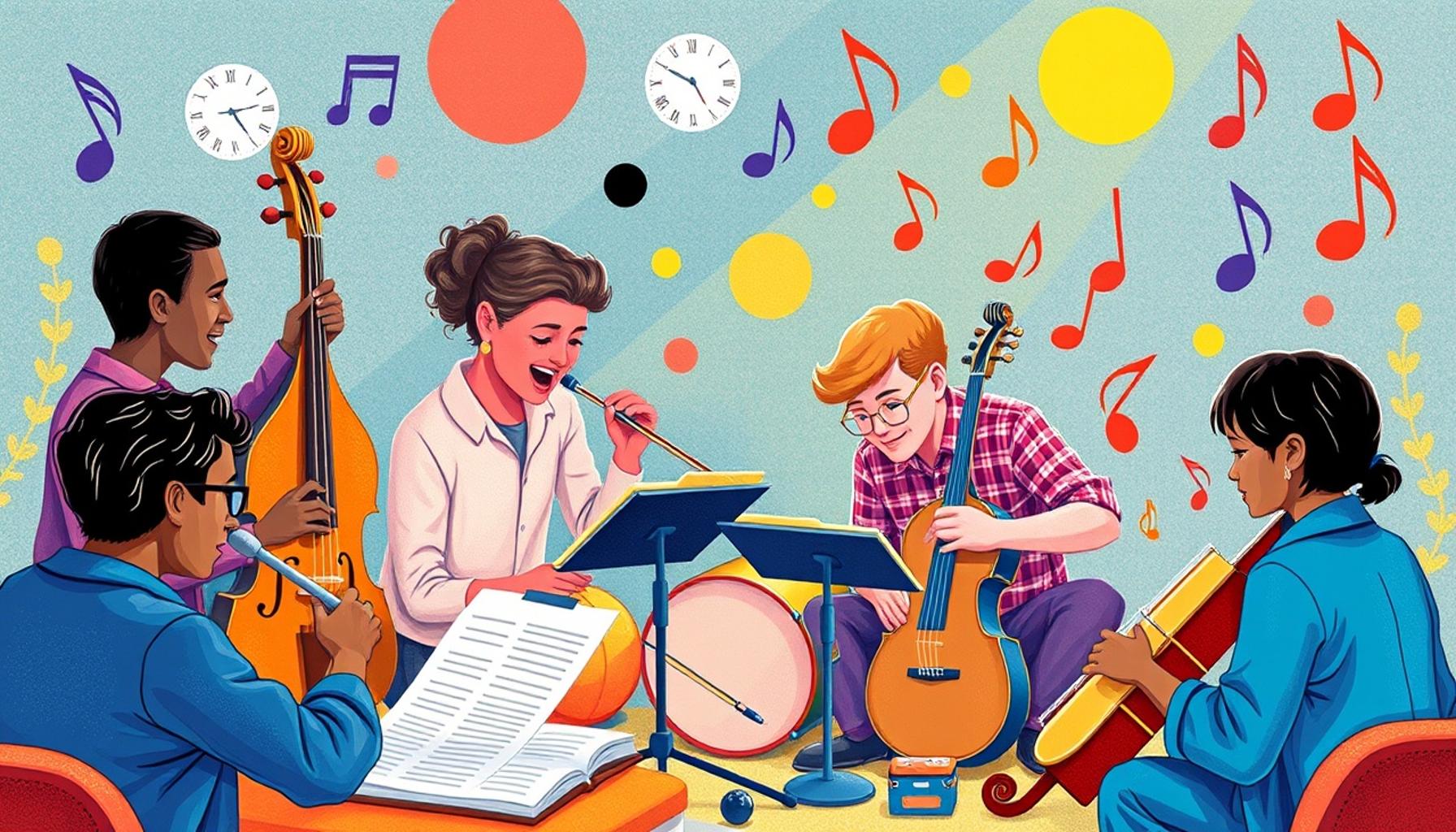
Social connection emerges as a vital component of music making, especially in communal contexts. Participating in group music activities—like choirs, bands, or community drum circles—fosters a sense of belonging and camaraderie. The shared experience of making music can strengthen relationships and build new ones, attributing to a feeling of unity that is particularly powerful, especially in diverse communities across the United States. This social interaction serves not only to reinforce existing ties but also to create networks of support that can be invaluable during challenging times.
Beyond these immediate benefits, music also contributes to numerous cognitive benefits. Research indicates that learning to play an instrument or comprehend music theory can enhance memory, increase attention span, and improve problem-solving abilities. In fact, studies have shown that children who engage in music education often perform better in academic subjects like math and reading. This connection speaks to the multifaceted influence music has on our cognitive faculties, indicating how it can truly enrich our lives beyond emotional aspects.
In clinical settings, the efficacy of therapeutic interventions utilizing music therapy is gaining recognition. Music therapy is employed to treat conditions ranging from anxiety and depression to trauma and chronic pain management. Certified music therapists tailor programs to meet individual needs, employing techniques such as improvisation, songwriting, and guided listening to facilitate healing processes. Facilities such as hospitals, rehabilitation centers, and mental health clinics across the United States are increasingly incorporating these methods, revolutionizing the approach to mental health care.
As communities recognize the profound impact of music, initiatives promoting music making are springing up in schools, hospitals, and rehabilitation centers. The potential for musical engagement to foster resilience, joy, and emotional recovery is vast. This welcoming exploration into the world of music reveals not just its role as entertainment but also as a crucial ally in combatting mental health challenges. Embracing music can lead to a deeper understanding of oneself, and as individuals connect through sound, they inevitably enrich their lives and the world around them.
DIVE DEEPER: Click here to discover the influence of sustainable cuisine
Unpacking the Emotional Benefits of Music Making
Music is not just a source of entertainment; it plays a pivotal role in shaping emotional and psychological well-being. The act of making music creates a profound connection to oneself and to others, allowing individuals to explore their innermost thoughts and feelings. Research shows that this form of expression can significantly decrease symptoms of various mental health challenges. For those grappling with anxiety or depression, music making offers more than just a creative outlet; it serves as a lifeline, a way to navigate through turbulent emotions.
One of the most striking findings in music therapy research is the link between music making and self-identity enhancement. Participating in musical practices allows individuals to express their unique voice, facilitating greater self-awareness and confidence. Creative activities can promote a sense of belonging, particularly in group settings. As people connect through musical expression, they can foster a shared identity that is both empowering and affirming, particularly for those who may feel marginalized in other aspects of their lives.
The therapeutic aspect of music making transcends age and demographic groups, reaching varied populations across the United States. Each year, more educational institutions and community organizations recognize the essential role that music can play in mental health. The benefits can be encapsulated in a few key areas:
- Emotional Regulation: Music provides a channel for expressing emotions that might otherwise remain hidden. Individuals can utilize music to explore feelings of anger, joy, loneliness, or fear, leading to increased emotional processing.
- Improvement in Mood: Creating music has been linked to endorphin release, leading to improved feelings and increased happiness. Studies have shown that individuals who engage in music making report lower levels of anxiety and depressive symptoms.
- Mindfulness: The experience of focusing on the nuances of music—be it rhythm, melody, or harmony—encourages a state of presence. Many individuals report that music making helps them enter a flow state, reminiscent of meditation, leading to enhanced well-being and reduced stress.
Furthermore, music-making can serve as a tool for cognitive development in younger generations. Research in educational settings highlights that students engaged in music programs often demonstrate improved language skills, cognitive flexibility, and concentration. The dual benefits of learning an instrument or participating in musical groups extend well beyond the classroom, fostering essential life skills such as discipline and teamwork.
As more evidence emerges from studies conducted by renowned institutions and universities, the conversation around music therapy continues to grow. Hospitals and mental health clinics across America are beginning to integrate music-making into their treatment plans, recognizing its potential to complement conventional therapeutic approaches. Initiatives such as community music groups and accessible workshops aim to remove barriers to engagement, inviting more individuals to explore the healing power of music.
In the next sections, we will explore the broader implications of music making on society, the collaborative aspect of communal music, and the invaluable role of music therapists in the journey towards mental wellness.
The Therapeutic Benefits of Music Making for Mental Health
Music making is more than just a form of entertainment; it significantly contributes to mental health improvement. Engaging in musical activities has been associated with various therapeutic benefits, making it a potent tool for enhancing emotional well-being. In exploring this intriguing domain, we draw attention to how music making fosters emotional expression and social connection, ultimately impacting mental health positively.
| Category | Key Features |
|---|---|
| Emotional Expression | Music serves as a medium for individuals to articulate feelings that may otherwise be hard to express, often leading to improved emotional clarity. |
| Social Connection | Participating in group music-making activities fosters a sense of belonging, reducing feelings of isolation and enhancing social skills. |
The therapeutic advantages of music-making activities extend further into enhancing cognitive functions. Studies have shown that individuals involved in music, whether playing an instrument or singing, often exhibit improved memory and attention spans. Furthermore, the rhythmic nature of music can induce relaxation and reduce anxiety, contributing to a calmer mind. This is particularly beneficial for those grappling with stress and mental health disorders like anxiety and depression.Moreover, engaging with music fosters creativity, allowing individuals to explore and create, which can lead to profound personal insights and growth. The act of creating music also encourages collaborative efforts, strengthening relationships and building community among participants. Such connections are fundamental for emotional resilience, providing robust support systems that are essential for mental well-being. In this fascinating exploration of music and its therapeutic attributes, we invite you to delve deeper into how participation in music-making can transform mental health narratives, leading to enhanced emotional and social outcomes.
DISCOVER MORE: Click here for exciting DIY crafts
Exploring the Community and Social Connections through Music Making
The impact of music-making extends beyond individual emotional benefits; it serves as a powerful catalyst for community building and enhancing social connections. In concert halls, classrooms, and informal gatherings, participating in music activities fosters a sense of unity among diverse groups. When individuals come together to create music, they break down social barriers, cultivate mutual understanding, and develop collaborative skills that are essential for healthy relationships.
Community music initiatives have gained traction across the United States, showcasing how music can bridge gaps between different cultures and backgrounds. Programs like Sing for Hope and Musicambia provide opportunities for underprivileged individuals to engage in musical practices, highlighting the importance of accessibility in music-making. By bringing together people from various walks of life, these programs not only promote mental wellness but also encourage cultural exchange and collective growth.
Moreover, participating in group music-making has been linked to increased social support—an essential factor in mental health. Individuals who actively engage in musical ensembles or choirs often report feeling less isolated and more connected to their peers. The shared experience of making music together can create lasting friendships and support networks, thereby reinforcing individuals’ resilience against mental health challenges. According to a study published in the Journal of Music Therapy, participants in group music sessions displayed heightened feelings of belonging and improved self-esteem, reinforcing the therapeutic power of communal activities.
- Enhanced Empathy: Collaborative music-making fosters empathy, as participants learn to listen and respond to one another musically. This deeper engagement can translate to improved emotional connections and understanding in life outside of music.
- Creative Problem-Solving: Working as a group to create music encourages innovative thinking and adaptability, fostering important life skills that are pivotal in both personal and professional domains.
- Stress Reduction: Engaging in music-making activities within a community context has been shown to lower stress levels, with participants reporting feelings of joy and reductions in anxiety.
The emergence of virtual platforms for music collaboration, especially during the COVID-19 pandemic, has made it easier for individuals to maintain social ties while also prioritizing mental health. Online music-making sessions have allowed people to connect creatively, regardless of geographical barriers. This highlights the adaptability of music as a tool for well-being, as virtual environments provide new avenues for social interaction and stress relief.
Additionally, the role of music therapists is crucial in harnessing these communal benefits. Trained professionals use tailored music interventions in group settings to assist individuals in processing their emotions while fostering social connections. Music therapy groups not only focus on personal healing journeys but also promote relationships among participants, leveraging the communal aspect of making music together for collective mental health improvement.
Innovative community-based projects, such as music festivals and neighborhood bands, further exemplify how music can unite people and enhance the overall mental health landscape. The profound ability of music to inspire shared experiences and cultivate resilience in the face of adversity cannot be overstated. As we delve deeper into the therapeutic landscape of music, it is evident that the communal and social dimensions play an equally critical role in promoting mental wellness, inviting ongoing exploration into their transformative potential.
DISCOVER MORE: Click here to learn about the evolution of home music
Conclusion: Embracing the Healing Power of Music
As we have explored throughout this article, the therapeutic benefits of music making for mental health are both profound and multifaceted. From providing emotional expression and enhancing individual well-being to fostering strong community ties and social connections, music acts as a universal language that resonates deeply within us all. This dynamic art form not only supports personal healing journeys but also cultivates empathy, creative problem-solving skills, and resilience among participants.
The increasing popularity of community-based music initiatives, such as the ones thriving across the United States, underscores the need for accessible music-making opportunities. These programs not only bridge cultural divides but also create a space where people can come together in shared experiences, reinforcing the notion that we are stronger when united. As the landscape of music shifts with technological advancements, such as virtual collaborations, it is crucial to recognize how these developments continue to reshape our understanding of music as a vital tool for mental health.
Therefore, investing in music therapy and community music programs should be a priority for health professionals, policymakers, and society at large. By embracing the therapeutic potential of music, we can foster not only individual growth but also a collective commitment to mental well-being. The call to action is clear: let us harness the transformative power of music making, creating environments where everyone can thrive emotionally and socially, thus paving the way for a healthier, more connected society.