Music and Mental Health: The Impact of Musical Creation on Emotional Well-Being
Understanding Music’s Impact on Mental Health
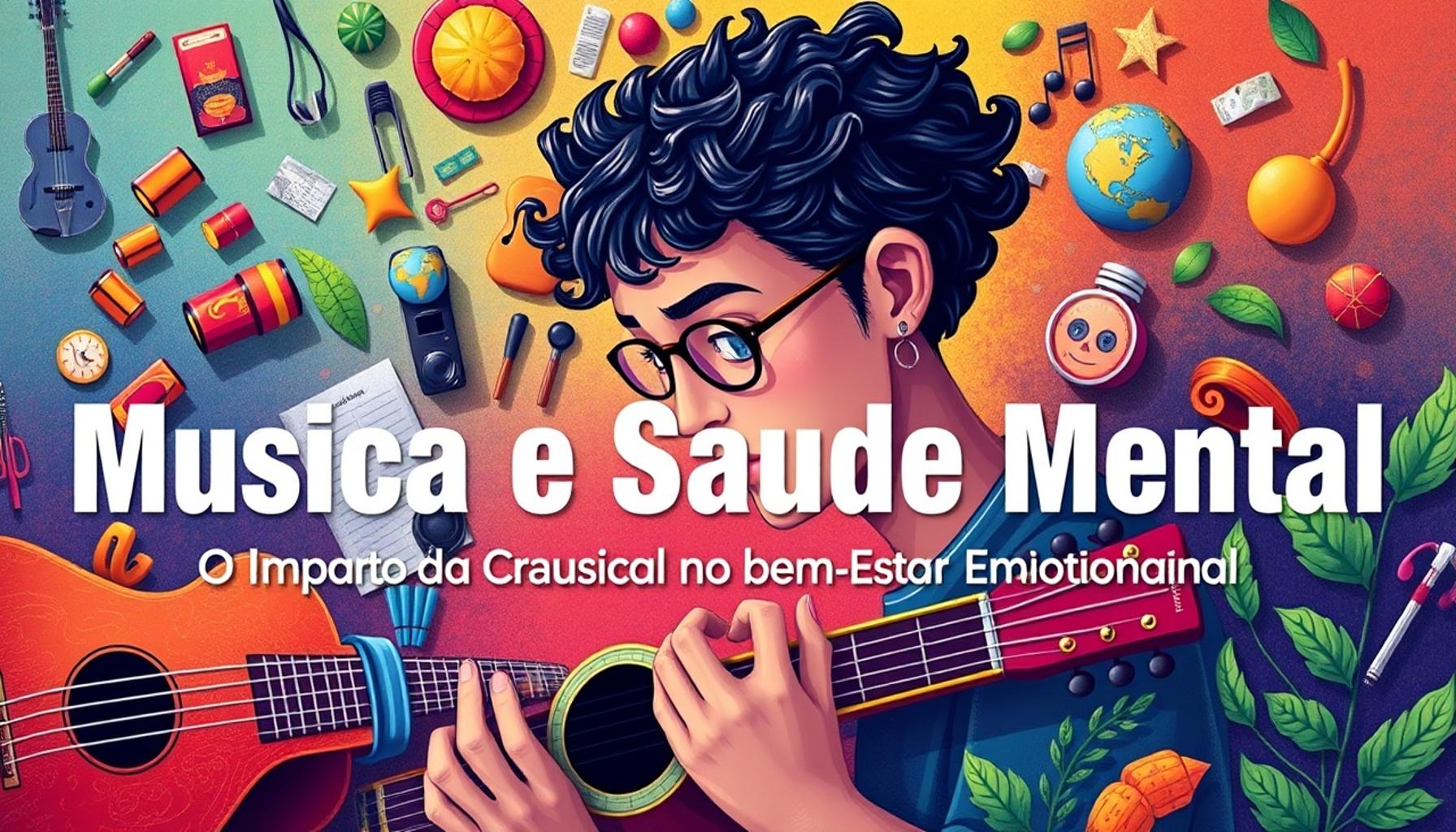
Music serves as a universal language, connecting individuals across cultures and backgrounds. In recent years, research has increasingly examined how musical creation influences emotional well-being. The intersection of these fields reveals fascinating insights into how engaging with music can transform our mental health. Through its ability to transcend barriers, music acts as a conduit for both personal expression and communal bonding.
Consider the following benefits that music offers:
- Emotional expression: Composing or performing music allows individuals to convey feelings that may be difficult to articulate. For instance, singer-songwriters often draw from personal experiences to craft lyrics that resonate with listeners who may be experiencing similar emotions. This sharing of insights creates a powerful dialogue around feelings that many find too challenging to discuss openly.
- Cognitive engagement: Engaging in musical activities stimulates various cognitive functions, enhancing mental acuity and focus. Studies have shown that learning to play an instrument can improve memory, attention, and spatial-temporal skills. For example, children who undergo music lessons exhibit sharper verbal skills and improved mathematics performance, showcasing that musical training positively influences broader cognitive development.
- Stress relief: Creating music can serve as a therapeutic outlet, reducing anxiety and promoting relaxation. Many individuals have turned to music as a coping mechanism during challenging times. Research indicates that listening to calming music can lower cortisol levels, the body’s primary stress hormone, leading to a notable decrease in anxiety symptoms. Music therapy sessions have emerged as a structured way to harness this benefit, providing a setting where individuals can explore their emotions creatively.
Additionally, studies suggest that musicians often report higher levels of overall well-being. The process of creating music not only strengthens interpersonal connections but also fosters a sense of community among creators. Music collaborations, be they local jam sessions or large concerts, serve as a platform for shared experiences that can enhance one’s social life and emotional resilience. Community-based music initiatives across the United States highlight how neighborhoods can come together through music, ultimately nurturing a supportive atmosphere.
As we delve deeper into the impact of music on mental health, we will explore how these relationships manifest in different genres and settings. For instance, the powerful role of hip-hop in addressing social issues can be seen as a form of artistic expression that empowers individuals to voice their struggles and triumphs. Further investigation into country music may reveal how storytelling in lyrics can provide solace and understanding during tough times.
Understanding the nuances of this connection encourages further investigation into a powerful resource for enhancing our emotional health. Whether it’s through composing, performing, or simply enjoying music, the profound effects it can have on mental health cannot be overstated. The dialogue that music creates not only tunes into individual experiences but also resonates within the larger community context, creating a collective rhythm of healing and support.
DIVE DEEPER: Click here to learn more
The Therapeutic Benefits of Musical Creation
Music’s therapeutic qualities go beyond mere enjoyment—it offers a pathway to emotional healing and personal growth. In a world where mental health challenges are increasingly prevalent, the role of musical creation has gained attention as a viable tool for enhancing emotional well-being. Engaging in creative musical practices provides opportunities for individuals to explore their deepest feelings while simultaneously fostering resilience.
One of the most compelling benefits of musical creation is its role as a medium for self-discovery. Composing and writing music can help individuals process their own experiences and emotions. For example, many musicians find that writing songs about heartbreak or loss not only serves as a form of expression but also facilitates emotional healing. This cathartic function helps people to confront their pain, ultimately leading to a greater understanding of themselves.
Moreover, the act of creating music can significantly enhance one’s mood. Research has demonstrated that engaging in musical activities can stimulate the production of endorphins, the body’s natural feel-good hormones. This biochemical response often provides an immediate sense of upliftment and joy. Additionally, the collaborative nature of making music—whether through bands, choirs, or community programs—fosters a sense of belonging that can further alleviate feelings of loneliness and depression.
To illustrate the various ways musical creation benefits emotional health, consider the following key aspects:
- Mindfulness and Presence: Making music often requires individuals to be fully engaged in the moment, promoting mindfulness. This focus can serve as a powerful antidote to anxiety and stress, encouraging creators to immerse themselves in the activity rather than worrying about external pressures.
- Empowerment through Skill Development: Learning an instrument or honing songwriting abilities can instill a sense of accomplishment and personal growth. The process of setting and achieving musical goals—no matter how small—can significantly boost self-esteem and confidence, leading to improved mental well-being.
- Emotional Regulation: Creating music provides an outlet for intense emotions, helping individuals learn to regulate their feelings more effectively. By converting distress into melody or rhythm, many find a productive way to manage their emotional landscape.
Numerous studies underscore these advantages. For instance, research published in the Journal of Positive Psychology noted that participants involved in music-making experiences displayed decreased levels of depression and anxiety and reported higher life satisfaction. Furthermore, music therapy is increasingly utilized in clinical settings, where trained professionals employ musical strategies to aid individuals coping with mental health disorders.
As we continue to explore the fascinating relationship between music and mental health, we can see that the potential of musical creation transcends individual benefits. It sprouts roots within communities, creating an environment of shared experiences, understanding, and healing. This insight challenges traditional approaches to well-being, inviting us to tap into our own creative instincts while recognizing the power of music as a heartbeat of collective resilience.
| Advantages | Details |
|---|---|
| Enhanced Emotional Expression | Musical creation provides a profound medium for individuals to articulate their emotions and experiences. |
| Reduction of Stress | Engaging in music-making can lower cortisol levels, leading to decreased feelings of anxiety. |
| Cognitive Benefits | Musical creation has been linked to improved cognitive functions such as memory and problem-solving skills. |
| Social Connectivity | Collaboration in musical endeavors fosters connections among individuals, enhancing social well-being. |
The intersection of music and emotional well-being is an arena filled with potential discoveries. Numerous studies suggest that the act of creating music does not merely serve as art; rather, it acts as a healing tool that transcends mere entertainment. Those involved in musical creation often find themselves exploring intricate emotional landscapes, allowing for greater self-acceptance and awareness. This exploration often bolsters resilience against stressors.Moreover, the social aspect inherent in music-making—whether through group collaboration or shared performance—opens doors to community connections that enhance the overall feeling of belonging. Understanding the myriad ways in which musical creativity fosters emotional health can lead to individualized strategies for boosting mental well-being through personalized musical expression. Exploring these angles highlights not only the therapeutic benefits involved but also suggests avenues for further research into personal and communal healing through music.
DISCOVER MORE: Click here to delve into the history of our favorite recipes
Building Community through Music
Beyond individual healing, musical creation plays a crucial role in building community connections and fostering collective mental health. By participating in group music-making activities—such as community choirs, orchestras, or jam sessions—individuals experience a unique sense of unity, as they create something beautiful together. This collective engagement not only amplifies the benefits of musical creation but also generates an atmosphere of support and understanding among participants.
The phenomenon of social bonding through music is well-documented. Neuroscientific studies have shown that harmonious musical interactions release oxytocin, often referred to as the “bonding hormone.” This biochemical response promotes feelings of safety and connection—emotions essential for fostering mental well-being. In settings where individuals are encouraged to express themselves and collaborate musically, the barriers that often accompany emotional challenges begin to dissolve. For many, joining such a musical ensemble leads to friendships that transcend the activity itself, creating lasting support systems for those experiencing mental health difficulties.
Consider the inspiring initiatives that have emerged in response to the mental health crisis in the United States. Organizations such as Musicians on Call and Songwriting with Soldiers utilize music as a healing tool for vulnerable populations, including veterans, hospital patients, and individuals facing homelessness. These programs highlight the impact of communal music-making, cultivating environments where participants can share stories and connect through mutual experiences. For instance, songwriting workshops allow veterans to craft songs that address their unique journeys, channeling their emotions into something potent and universally relatable.
Furthermore, the rise of digital platforms has allowed musical communities to thrive online, offering a new dimension for connection. Virtual jam sessions, song-sharing platforms like SoundCloud, and social media music challenges encourage individuals to collaborate, share their creations, and receive feedback. These online spaces can prove particularly beneficial for those who may struggle to engage in face-to-face interactions due to social anxiety or isolation. The digital realm thus becomes a supportive haven, enabling people to form relationships and foster creativity even from a distance.
However, the impact of musical creation extends even further into professional settings, as more organizations recognize the importance of employee mental health. Companies like Spotify and Google are incorporating music workshops and events into their corporate wellness programs, understanding that engaging in creative processes can lead to improved morale, collaboration, and overall productivity. Such initiatives not only enhance workplace culture but also provide employees with valuable tools for stress management and emotional regulation through the power of music.
- Accessible Music Education: Programs aimed at increasing access to music education—such as free lessons or instruments for underserved communities—can amplify these benefits. By empowering individuals to participate in musical creation, we can cultivate a generation that values emotional expression through sound.
- Cross-Cultural Connections: Music serves as a global language, bridging cultural divides. Initiatives that bring together diverse musical traditions can promote empathy and understanding among people from all backgrounds, reinforcing the therapeutic impacts of shared creativity.
In essence, the profound connection between music and mental health highlights not only the power of personal expression but also the transformative potential of community engagement. As we explore the many facets of musical creation, it is evident that music serves not merely as entertainment but as a vital agent for emotional healing and collective resilience. As such, harnessing the power of music in our lives may be one of the most effective ways to foster both individual and community well-being in today’s world.
DISCOVER MORE: Click here to get inspired by sustainable DIY ideas
Embracing the Harmonious Path to Well-Being
In conclusion, the profound interplay between music and mental health underscores the significant benefits that musical creation can offer to individuals and communities alike. By engaging in the act of music-making, whether through playing an instrument or singing in a group, individuals can tap into a powerful resource for emotional expression and healing. This therapeutic potential extends beyond personal benefits, creating a ripple effect that fosters connections, strengthens community bonds, and enhances overall emotional well-being.
As highlighted throughout this article, various initiatives and programs, from local community choirs to innovative corporate wellness strategies, harness the strength of music to reach those in need. In particular, the growing recognition of music’s therapeutic effects emphasizes why such practices should be integrated into more aspects of our lives—at home, in schools, and across workplaces. By prioritizing accessible music education and facilitating opportunities for diverse musical interactions, we can empower individuals to channel their experiences into creative outlets, promoting a culture of emotional resilience.
Ultimately, the impact of musical creation on mental health is undeniable. As science continues to elucidate the benefits of musical engagement, it becomes increasingly clear that integrating music into our daily routines could be one of the most effective pathways to foster both personal fulfillment and community support. Therefore, let us embrace music not only as a source of entertainment but as a vital remedy for emotional healing and a means of unifying diverse individuals, paving the way for a healthier and more harmonious society.