From Bedroom to Stage: The Journey of Home Music Production
The Digital Revolution in Music Creation
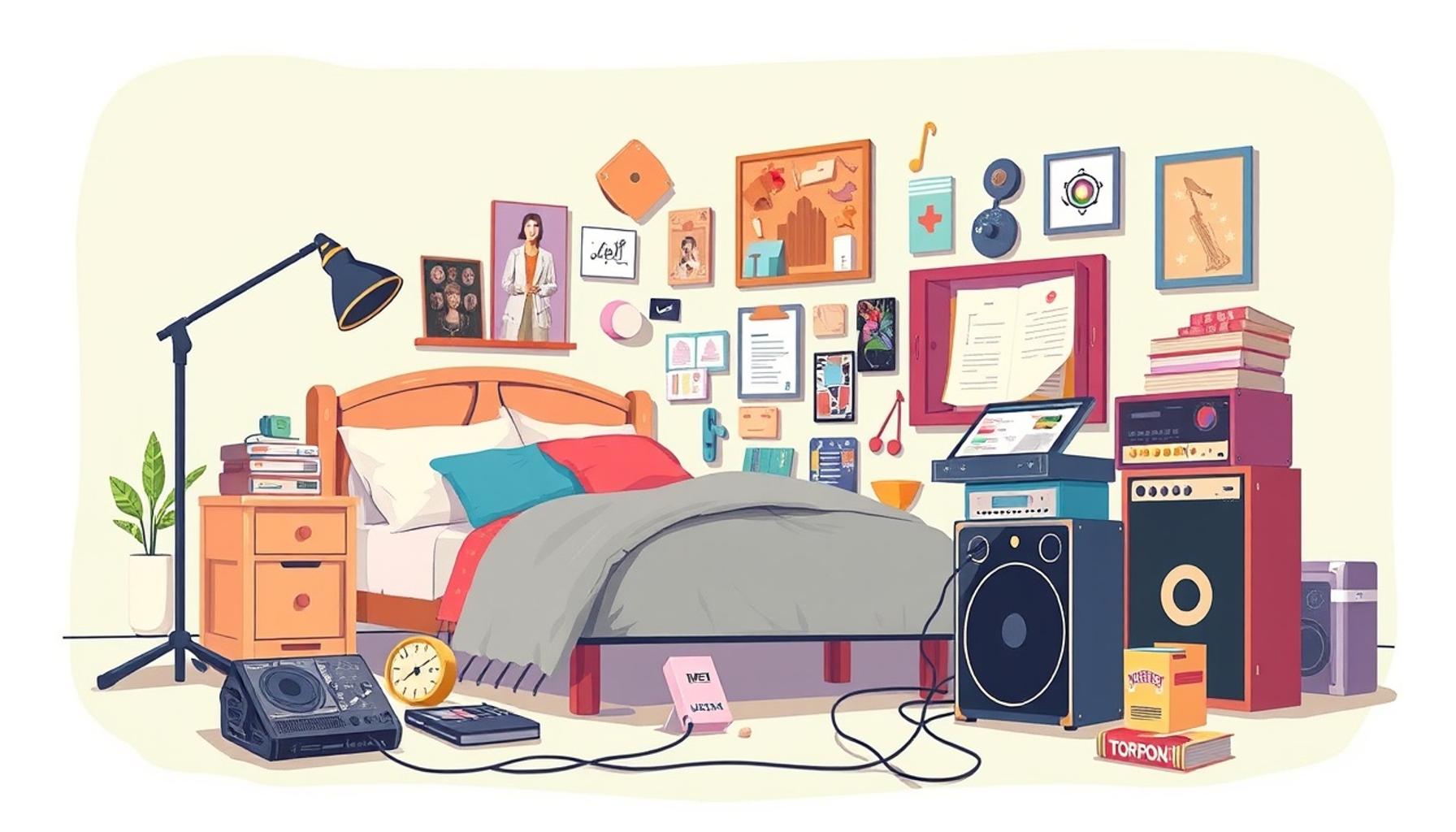
Significant advancements in technology have democratized the music production process, allowing individuals to turn their personal spaces into fully equipped studios. No longer constrained by the high costs of traditional recording setups, aspiring musicians now have unprecedented access to tools that enable them to realize their musical visions right from their homes. This transformation not only fosters creativity but also promotes inclusivity in the music industry, ensuring that talent can shine regardless of one’s background or resources.
Harnessing Digital Audio Workstations (DAWs)
At the heart of this home music revolution are Digital Audio Workstations (DAWs). Programs like Ableton Live, FL Studio, and GarageBand offer user-friendly interfaces that allow musicians to compose, mix, and edit music seamlessly. For instance, a beginner can utilize GarageBand, which is especially designed for novices, to layer instrument tracks and apply vocal effects without the steep learning curve typically associated with complex audio software. Meanwhile, more experienced musicians might opt for Ableton Live for its powerful sequencing tools and flexibility in live performance settings. The evolution of DAWs has made it possible for one person to act as composer, producer, and even sound engineer, all within the comfort of their bedroom.
Affordable Equipment and Tools
The availability of affordable equipment plays a pivotal role in redefining home music production. High-quality microphones, such as the Audio-Technica AT2020, and MIDI controllers like the Akai MPK Mini, are accessible at a fraction of what they once cost. This accessibility allows budding producers to create professional-sounding recordings without breaking the bank. As a result, artists can experiment with different sounds, genres, and styles without the fear of incurring significant financial loss if a project doesn’t yield the desired results. With options available in various price ranges, even college students can set up a viable recording environment in their dorm rooms.
Leveraging Online Resources and Communities
The internet has become an invaluable resource for those venturing into music production. Online resources, including tutorials on platforms like YouTube, offer step-by-step guidance on everything from mixing techniques to sound design. Websites and forums cater to various skill levels, where novice producers can ask questions and receive feedback from seasoned professionals. Communities like Reddit’s r/WeAreTheMusicMakers provide a platform for musicians to connect, collaborate, and share knowledge. This culture of sharing fosters an encouraging environment that helps artists grow and improve their craft.
The Artistic Journey and Industry Challenges
The transition from crafting beats in a bedroom to performing on vibrant stages is not solely reliant on technology; it encompasses a deep journey of self-discovery and artistic development. Aspiring musicians often grapple with issues such as self-doubt, the pressure to stand out in a saturated market, and the challenges of creating a recognizable personal brand. Each step towards sharing their unique sound can lead to great opportunities, from local performances to global streaming platforms.
Overall, the journey from bedroom to stage is marked by creativity, resilience, and the pursuit of artistic expression. In this article, we will explore the nuances of home music production that can transform raw talent into captivating performances. Join us as we delve into the various elements that can enhance a musical career, starting from the initial spark of inspiration to the exhilarating moments of a live show. Discover what it truly takes to bridge the gap from personal creation to public appreciation in the ever-evolving landscape of music.
DISCOVER MORE: Click here to unleash your creativity
The Tools of the Trade: Essential Gear for Home Studio Success
As the music production landscape evolves, the tools that artists utilize have dramatically transformed, allowing them to create high-quality music from their personal spaces. Setting up a home studio doesn’t necessarily require a million-dollar budget; instead, selecting the right combination of gear can significantly influence the production quality and artistic output. Here, we explore the indispensable equipment that artists should consider when embarking on their journey from bedroom creators to stage performers.
Key Components of a Home Studio
When creating a home music production setup, there are several fundamental items that aspiring producers should focus on:
- Audio Interface: This device converts analog signals (like your microphone) into digital data for your computer. Popular options such as the Focusrite Scarlett series or the PreSonus AudioBox offer excellent sound quality and are user-friendly for beginners.
- Microphone: Quality microphones are crucial for recording vocals and instruments. Whether it’s dynamic mics like the Shure SM58 or condenser mics such as the Rode NT1, investing in a decent microphone can elevate the production quality significantly.
- Headphones: A reliable pair of studio headphones is vital for monitoring recordings and mixes. Brands like Audio-Technica and Sennheiser produce models designed specifically for clarity and comfort, allowing producers to catch every detail in their tracks.
- Monitors: Studio monitors provide an accurate representation of how a track will sound across various playback systems. Investing in models like the KRK Rokit series ensures that artists hear their music as it truly is, facilitating better mixing decisions.
- MIDI Controller: For composing and programming music, a MIDI controller like the Novation Launchkey can effectively replicate the feel of traditional instruments, enabling creative expression through music software.
Having the right equipment sets the groundwork for producing music that can transition from private creations to public performances. Moreover, these tools integrate seamlessly with sophisticated software, enhancing the creative process and making artistic expression more accessible.
The Importance of Sound and Room Treatment
Beyond the essential tools, room treatment plays a significant role in creating a quality recording space. It’s vital for musicians and producers to carve out a suitable space within their homes that minimizes noise and controls acoustics. Simple adjustments, such as adding acoustic panels, bass traps, or even DIY solutions like blankets and curtains, can greatly improve sound quality and ensure that recordings do not suffer from unwanted reverberation.
Creating an optimal environment encourages creativity and productivity, reducing distractions while allowing the artist’s talent to flourish. Producers should craft a dedicated studio space that reflects their musical identity, thereby enhancing their work process and inviting inspiration.
A Mindset for Continual Growth
As musicians navigate their journey from bedroom to stage, maintaining an open mindset is crucial. The world of music production is ever-changing, bringing new tools, techniques, and genres into the fold. Embracing opportunities for learning and improvement will not only bolster artistic growth but also cultivate resilience in an increasingly competitive landscape.
In this article, we will delve deeper into the dynamic aspects of home music production that can help artists flourish. From refining their craft to learning how to effectively market their music, each step paves the way for transformative experiences in their artistic journeys.
| Category | Details |
|---|---|
| Accessibility | Home music production has become more accessible than ever due to affordable software and equipment options. |
| Quality | With advancements in technology, even bedroom producers can achieve studio-quality sound using innovative tools. |
| Community | Online forums and social media provide a strong community network, offering support and collaboration opportunities. |
| Learning Resources | Numerous tutorials and courses are available online, enabling aspiring musicians to hone their skills at their own pace. |
The journey from bedroom to stage is not just about producing songs; it’s about creating a thriving ecosystem for artistic growth. The advantages of home music production extend far beyond convenience. Individuals now possess unparalleled control over their creative process. The ability to record, edit, and produce tracks within the comfort of their own space not only fosters creativity but also helps artists experiment with sounds without the pressure of studio time constraints.Furthermore, the rise of digital distribution platforms has transformed how artists share their work. Independent musicians can navigate the landscape with ease, promoting their music directly to audiences without the need for traditional record labels. This democratization of the music industry encourages diverse sounds and styles, allowing a vibrant array of voices to emerge. As technology continues to evolve, the potential for innovation in home music production seems limitless, paving the way for the next generation of artists who will redefine the music industry landscape.
DIVE DEEPER: Click here to uncover the art of storytelling through comics
Building Your Artistic Identity: Branding and Marketing for Success
Once an artist has mastered the technical aspects of home music production, the next step in their journey involves crafting a unique artistic identity that resonates with audiences. The ability to connect with fans, both online and in live performances, often relies on a well-defined brand. This process encompasses several key elements, from visual aesthetics to social media presence, all contributing to the artist’s public persona.
Creating a Cohesive Image
Establishing a strong and cohesive image is essential for artists transitioning from bedroom producers to live performers. Every aspect of an artist’s identity, including album artwork, social media graphics, and stage presence, should reflect a consistent theme. This meticulous branding creates an emotional connection with the audience, making the artist more memorable.
Successful artists often collaborate with graphic designers and visual artists to create unique artwork that captures the essence of their music. For example, the vibrant, colorful visuals associated with artists such as Billie Eilish or Tyler, The Creator not only enhance the music but also solidify their artistic identities in popular culture.
Leveraging Social Media and Streaming Platforms
Social media platforms such as Instagram, Twitter, and TikTok have revolutionized how artists connect with fans and promote their work. For aspiring musicians, mastering these platforms is imperative. By sharing behind-the-scenes processes, engaging with followers, and showcasing live performances, artists can build a loyal fanbase.
Furthermore, streaming services like Spotify and Apple Music provide opportunities for independent artists to distribute their music widely. Utilizing playlists to gain exposure, as well as effective use of tagging and metadata, are strategies that can enhance the chance of being discovered in millions of tracks. For instance, Kacey Musgraves gained significant popularity on these platforms, partly due to strategically curated playlists that introduced new listeners to her work.
The Importance of Networking
Networking is another crucial component of an artist’s journey. Making connections with other musicians, producers, and industry professionals can lead to collaborations, performances, and exposure to new audiences. Attending industry conferences and local events not only aids in finding mentorship but also fosters a sense of community. Platforms such as SoundCloud and Bandcamp are excellent for sharing music and connecting with other creators.
In the current musical landscape, collaborations can drastically vet an artist’s talent and further their reach. The fusion of genres through partnerships can expand an artist’s audience and introduce their work to fanbases that may not have been accessible otherwise.
Preparing for Live Performances
As artists prepare to transition into live performances, it is vital to understand the importance of stage presence. This aspect of performance is not merely about singing or playing music; it involves telling a story through visuals, movement, and interaction with the audience. Artists such as Bruno Mars and Ariana Grande exemplify how captivating stage presence enhances live shows, ensuring engagement and a memorable experience for fans.
To replicate this effect in their own performances, upcoming artists should rehearse extensively, consider choreography, and develop a setlist that flows seamlessly. Utilizing technology, like backing tracks and visual elements, can create an immersive experience that engages the audience further.
With a solid grasp of branding and marketing strategies, aspiring artists can navigate their evolution from home music producers to esteemed performers. By leveraging their creative identities and connecting with fans through various platforms, they increase their chances of success in the competitive music industry.
DIVE DEEPER: Click here to discover the art of storytelling through flavors</p
Conclusion: The Transformation from Home Studio to the Limelight
The journey from the cozy isolation of a bedroom studio to the electrifying atmosphere of a live stage is a remarkable evolution that exemplifies the spirit of modern music. The era of home music production has democratized creativity, allowing aspiring artists to transform their passions into vibrant careers. Through mastering technology and honing their sound, artists like Billie Eilish and Kacey Musgraves have paved the way for countless others, demonstrating the limitless potential in every bedroom.
Integral to this journey is the cultivation of a distinctive artistic identity. This encompasses a cohesive image, strategic marketing via social media, and leveraging streaming platforms to reach wider audiences. Each of these elements is crucial in building a brand that resonates, capturing the hearts of fans and facilitating organic connections. Whether it’s through the striking visuals or engaging community interactions, artists must adapt and innovate in the digital landscape to rise above the noise.
Additionally, the power of networking cannot be underestimated. Collaborations and connections made within the music community often serve as a catalyst for growth, uncovering opportunities that can propel an artist forward. As they prepare for live performances, artists must also embrace the nuances of stage presence, transforming their music into immersive experiences that leave lasting impressions on their audience.
Ultimately, the transition from bedroom to stage is a multifaceted journey that requires dedication, resilience, and an open mind. The continually evolving music industry presents both challenges and opportunities. By embracing the tools and strategies at their disposal, the next generation of musicians can not only share their stories through sound but also inspire others to embark on their unique creative adventures. The stage awaits—will you take the leap?