The Sensory Experience in Culinary Arts: Transforming Ingredients into Art

Unlocking the Power of Senses in Culinary Arts
Imagine biting into a dish that not only tastes divine but also awakens your senses entirely. The world of culinary arts is far beyond just food; it’s an immersive sensory experience that engages sight, sound, smell, touch, and taste. Each of these senses plays a critical role in how we enjoy and appreciate what we eat.
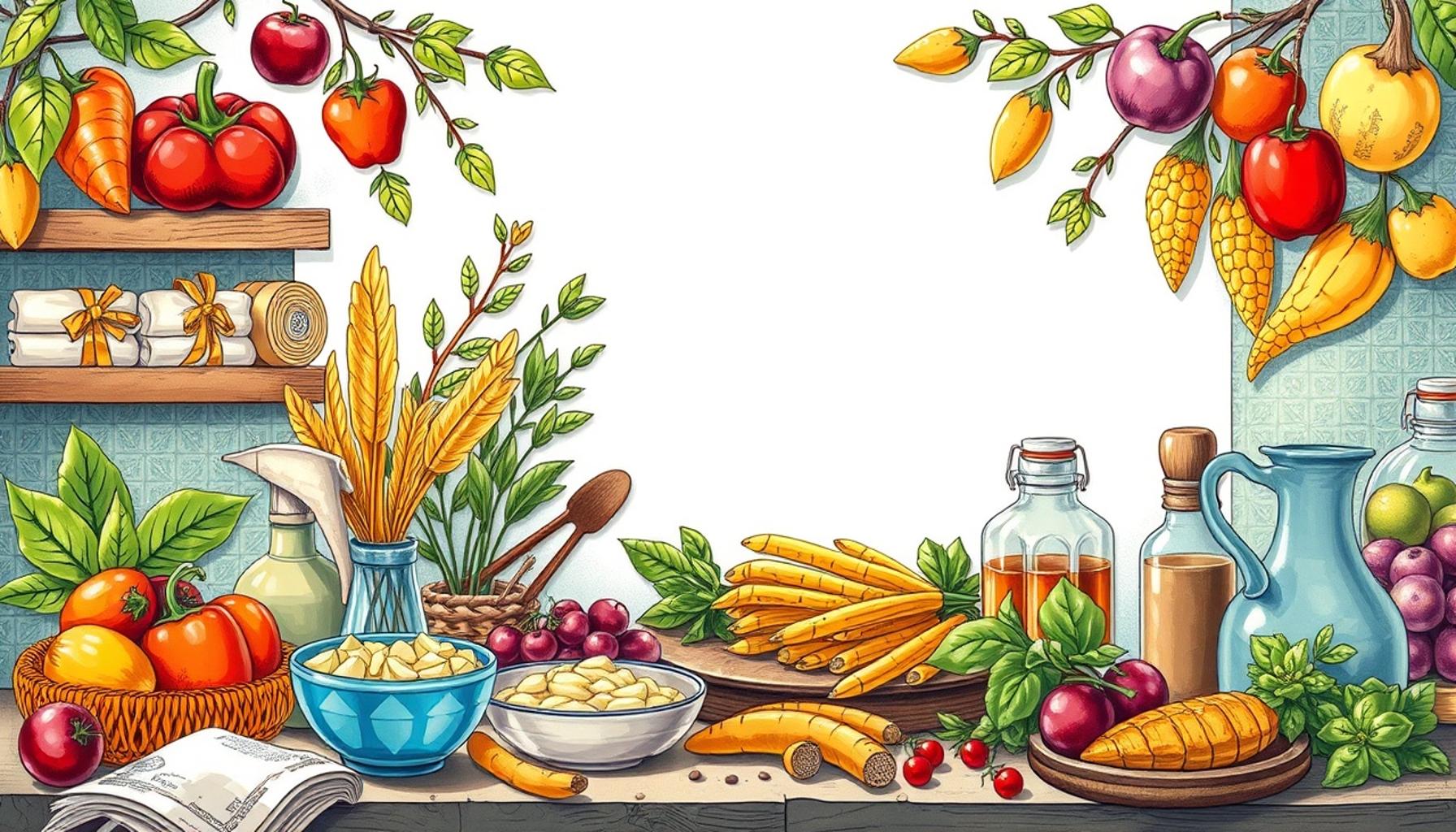
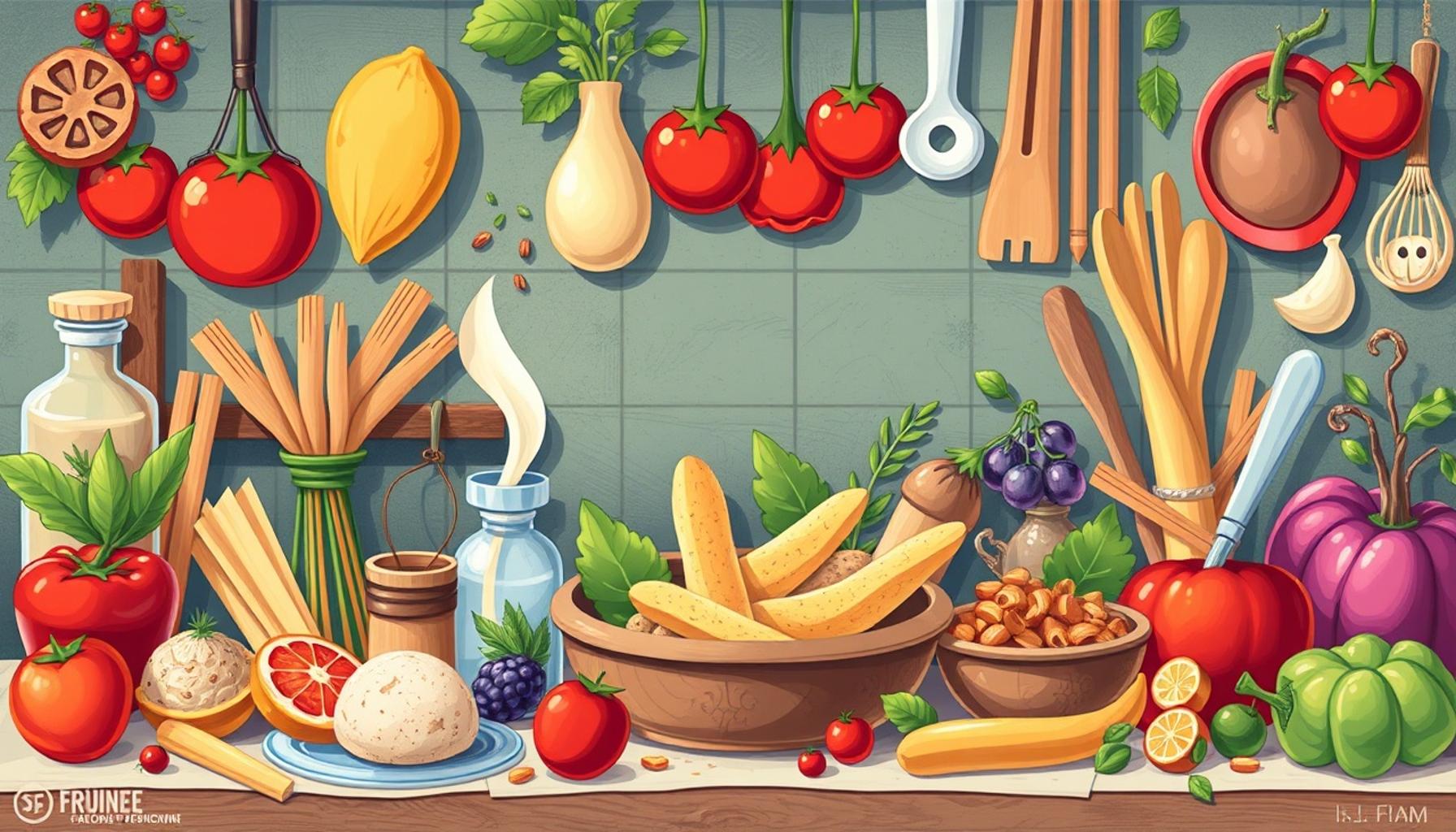
The aesthetic presentation of food is often our first interaction with a dish. Chefs today strive to transform ordinary ingredients into extraordinary works of art. The visual appeal of a dish goes beyond mere color; it involves plating techniques that create a feast for the eyes. For example, a vibrant salad might include various chopped vegetables arranged artistically, garnished with a sprinkle of microgreens or edible flowers, evoking emotions and anticipation. The layout can entice diners even before the first bite is taken.
- Visual Appeal: The colors and presentation of a dish can evoke emotions and anticipation. Bright, contrasting colors, such as the deep red of ripe tomatoes against the green of fresh basil, not only create visual interest but can also suggest freshness and vitality, drawing diners in.
- Aromatic Quality: Scents can evoke memories and set the tone for the dining experience. The aromatic waft of garlic and herbs sizzling in olive oil can transport diners back to cherished family meals or vacations in Mediterranean locales. This olfactory engagement oftentimes sets the stage for what’s to come on the plate.
- Textural Contrast: Combining crunchy, creamy, and chewy elements can create enjoyment. Imagine the contrast of creamy risotto paired with crispy fried onions—this combination adds layers to the eating experience that keep the palate interested and engaged.
- Flavor Combination: Balancing sweet, salty, sour, and umami can delight and surprise the palate. Take, for instance, a dish featuring grilled pineapple served alongside savory smoked pork—this sweet-savory union tantalizes taste buds and showcases culinary creativity.
This multifaceted approach is not only about crafting delicious meals; it’s about narrating stories through food. Each plate can encapsulate cultural narratives, seasonal ingredients, or even a chef’s life experiences, inviting diners to partake in a unique storytelling journey. In the United States, culinary schools emphasize this sensory experience, encouraging chefs to think beyond taste alone and to be mindful of how a multisensory approach can create memorable experiences.
As the culinary landscape evolves, more chefs are embracing techniques that heighten sensory engagement. They explore the psychological and emotional effects of food, understanding that each bite affects overall perception and satisfaction. For example, molecular gastronomy—an innovative style that uses scientific principles to create new textures and flavors—pushes the boundaries of traditional cooking. Chefs create dishes that surprise and delight customers, like a deconstructed dessert that may appear as simple crumbles and sauces but deliver a burst of complex flavors that stimulate all the senses.
Prepare to dive deeper into how culinary artists strive to create not just meals, but experiences that resonate with diners long after the last bite. The journey through the senses is an exploration of memory, culture, and art itself, with each element meticulously crafted to ensure that dining is more than just a meal, but an unforgettable adventure.
DISCOVER MORE: Click here to dive deeper
The Art of Engaging the Senses
When it comes to the culinary arts, the journey begins long before the fork hits the plate. The sensory experience in this realm is a carefully curated orchestration of flavors, scents, textures, and visuals, all working together to create an unforgettable meal. For chefs, understanding how to engage each of these senses is crucial for creating dishes that resonate deeply with diners. From the first whiff of a tantalizing aroma to the last lingering note of flavor, every aspect of the dish contributes to a holistic culinary experience.
One of the most profound aspects of this sensory journey is the interplay between smell and taste. Flavor perception starts with aromas, which have the power to elicit powerful emotional responses. The scent of roasting spices can evoke nostalgia, reminding diners of family gatherings or cultural traditions. For instance, the sweet, nutty aroma of cinnamon often correlates with holiday meals, thus influencing how diners approach a dessert that features this beloved spice. As they inhale the scent, their taste buds are already primed for the explosion of flavor to come.
- Sound: The sounds that accompany a meal contribute to the immersive experience. The crisp crunch of a freshly made tortilla chip can heighten anticipation, while the sizzle of food cooking can create a dynamic atmosphere in the kitchen. Even the sound of a drink being poured can signal the beginning of a delightfully shared experience.
- Texture: The mouthfeel of food profoundly affects enjoyment. Each bite reveals layers of texture, from the creamy consistency of a velvety sauce to the playful crunch of toasted nuts. For example, an artisanal cheese board offers varied textures that encourage exploration, from the soft, rich Brie to the crumbly aged Cheddar, showcasing how different elements can come together to enhance the overall experience.
- Temperature: Serving food at the right temperature can intensify flavors and textures. A dish enjoyed hot, like a bubbling bowl of French onion soup, offers a different experience compared to one served cold, such as a chilled cucumber soup. Each brings its own sensory qualities to the table, inviting diners to savor the intricate variations.
- Presentation: The visual appeal of a dish sets the stage for the sensory experience that follows. Research shows that people are more likely to perceive a dish as flavorful if its presentation is appealing. Skillfully arranged ingredients that evoke the seasons, such as bright summer tomatoes alongside fresh basil and mozzarella, not only please the eye but also represent a harmony of flavors that diners eagerly anticipate.
The ability to harness these sensory elements can distinguish a memorable meal from an unforgettable one. Some chefs have taken this concept even further, understanding that a dish isn’t just food on a plate; it’s a narrative forged through sensory storytelling. Each flavor, texture, and scent tells a story, reflecting the chef’s creativity and experiences while inviting diners to share in this culinary dialogue.
As chefs become more attuned to the multisensory aspects of their craft, they often turn to innovative techniques and global inspirations to enrich their offerings. Diners today are not just looking for sustenance; they are seeking connections to culture, tradition, and artistry. This evolution in dining experiences broadens the culinary landscape, allowing chefs to experiment and push boundaries, and ultimately transforming simple ingredients into masterpieces that engage every sense.
| Advantage | Description |
|---|---|
| Enhanced Flavor Profiles | Culinary artists explore harmonious flavor combinations, leading to unique dishes that tantalize the palate. |
| Visual Presentation | The art of plating creates visually stunning dishes, elevating the dining experience and engaging multiple senses. |
The exploration of culinary arts extends beyond mere cooking, diving into the intricate balance of creating sensations that linger in the mind. With the integration of modern techniques, chefs can develop enhanced flavor profiles that surprise and delight diners. Understanding how to manipulate ingredients to create an explosion of taste is an art in itself, revealing the potential of even the most mundane components. Each bite becomes an exploration of texture and flavor that speaks volumes about the chef’s creativity and skill.Additionally, visual presentation plays a vital role in this sensory experience, transforming simple ingredients into mesmerizing works of art. Plating is not a mere afterthought but a crucial step in culinary expression, as the way food is arranged on the plate can influence perception and anticipation. Thus, each dish not only appeals to taste but also captures the eye, setting the stage for an unforgettable dining journey. Together, these elements support the notion that culinary arts can evoke emotions and memories, inviting diners to engage in a deeper, multi-sensory experience.
DISCOVER MORE: Click here for stylish DIY stationery tips
Using Innovation to Enhance the Sensory Palette
As the culinary world evolves, many chefs are seeking innovative ways to deepen the sensory experience inherent in their dishes. Emerging technologies and contemporary techniques have led to the creation of novel flavor combinations and presentations that heighten sensory engagement. One prime example is the use of molecular gastronomy, which allows chefs to deconstruct traditional flavors and textures. By manipulating the physical and chemical properties of ingredients, culinary artists can surprise diners with unexpected tastes and sensations. For instance, a classic Caprese salad may be reimagined as a deconstructed dish, featuring mozzarella spheres, basil foam, and balsamic air, each element enticingly provocative and pushing the envelope of expectation.
Furthermore, chefs are increasingly turning to sensory pairings that challenge the conventional notions of flavor. To develop unique dishes, some culinary professionals embrace the idea of cross-modal perception, which refers to how our senses interact. This approach could involve pairing savory flavors with sweet components, creating an illusion of harmony—think of a chili-spiced chocolate dessert that tantalizes the palate with both heat and sweetness. Such techniques invite diners to explore and rethink their culinary preferences, enhancing their appreciation for the artistry involved.
- Local Sourcing: The concept of farm-to-table dining has also transformed sensory experiences. Chefs committed to local ingredients not only boost community economies but also emphasize seasonal flavors that resonate with diners. This practice enhances the sensory experience by allowing consumers to savor produce at its peak ripeness, such as sun-warmed heirloom tomatoes in summer or earthy root vegetables in autumn, deeply connecting people to their environment and the changing seasons.
- Experimental Flavors: A wave of chefs has begun to experiment with unusual ingredients, including herbs like shiso, exotic spices such as sumac, or even unexpected inclusions like edible flowers in both savory and sweet dishes. The melding of these diverse flavors introduces diners to new sensations, beckoning them to embark on culinary journeys they may not have considered before.
- Interactive Dining: The rise of immersive dining experiences further enriches the beyond-taste elements of meals. Restaurants that encourage diners to participate in the cooking process or provide a multi-sensory narrative—perhaps through storytelling or themed environments—are reshaping how meals are perceived. A simple dish becomes an experience, engaging patrons not just through flavor, but also sight, sound, and even touch.
This emphasis on experiential dining is driven by a collective shift toward holistic satisfaction in culinary endeavors. Today’s consumers often crave more than just a meal—they desire an unforgettable encounter that engages them on multiple sensory levels. This transformation is reflected in the growing popularity of sensory-oriented dining experiences, where soundscapes, tactile elements, and even olfactory stimuli serve to complement the flavors on the plate.
Such innovation and creativity in engaging the senses in culinary arts bridge cultural divides, bringing a wealth of flavors and techniques from around the globe to the forefront of dining experiences. Culinary artists celebrate this diversity, using it as a palette to inspire new visual and tactile masterpieces that resonate deeply with diners. Through this multi-faceted approach, culinary creations evolve from mere sustenance into a captivating exploration of art, culture, and emotion, ultimately transforming the very essence of how food is perceived and enjoyed.
DISCOVER MORE: Click here to dive deeper
Conclusion: The Artistry of Sensory Engagement in Culinary Dimensions
The culinary world is experiencing a renaissance driven by the sensory experience, where chefs elevate their creations into a realm of artistry that engages not only the taste buds but also the eyes, ears, and even the nose. The innovative techniques seen in molecular gastronomy and cross-modal perception showcase how a dish can surprise, delight, and challenge diners, pushing the boundaries of traditional dining. This transformation redefines what food can be, allowing ingredients to transform into art through thoughtful manipulation and presentation.
Moreover, the commitment to local sourcing enriches the sensory palette, connecting diners to the source of their food and highlighting seasonality. As chefs experiment with uncommon ingredients and embrace interactive dining, every meal becomes a multi-sensory experience that invites guests on culinary journeys. This not only enhances the enjoyment of eating but also cultivates a deeper appreciation for the craft behind each plate.
As we witness this shift towards a more immersive and sensory-driven approach, it becomes clear that culinary arts are no longer just about nourishment—they are about creating memorable experiences that resonate with emotions and personal narratives. Consumers today seek not just a meal, but an adventure that tantalizes all senses, allowing them to explore the rich tapestry of global flavors and cultures.
Ultimately, the sensory experience in culinary arts is a profound celebration of innovation, connection, and creativity, reminding us that food can indeed be a form of art. Embrace this evolution, and allow your taste buds to embark on an exploration of flavor, texture, and visual beauty that transforms each dining occasion into an unforgettable work of art.