Collaborative Music Making: Building Connections Through Sound
The Importance of Collaborative Music Making
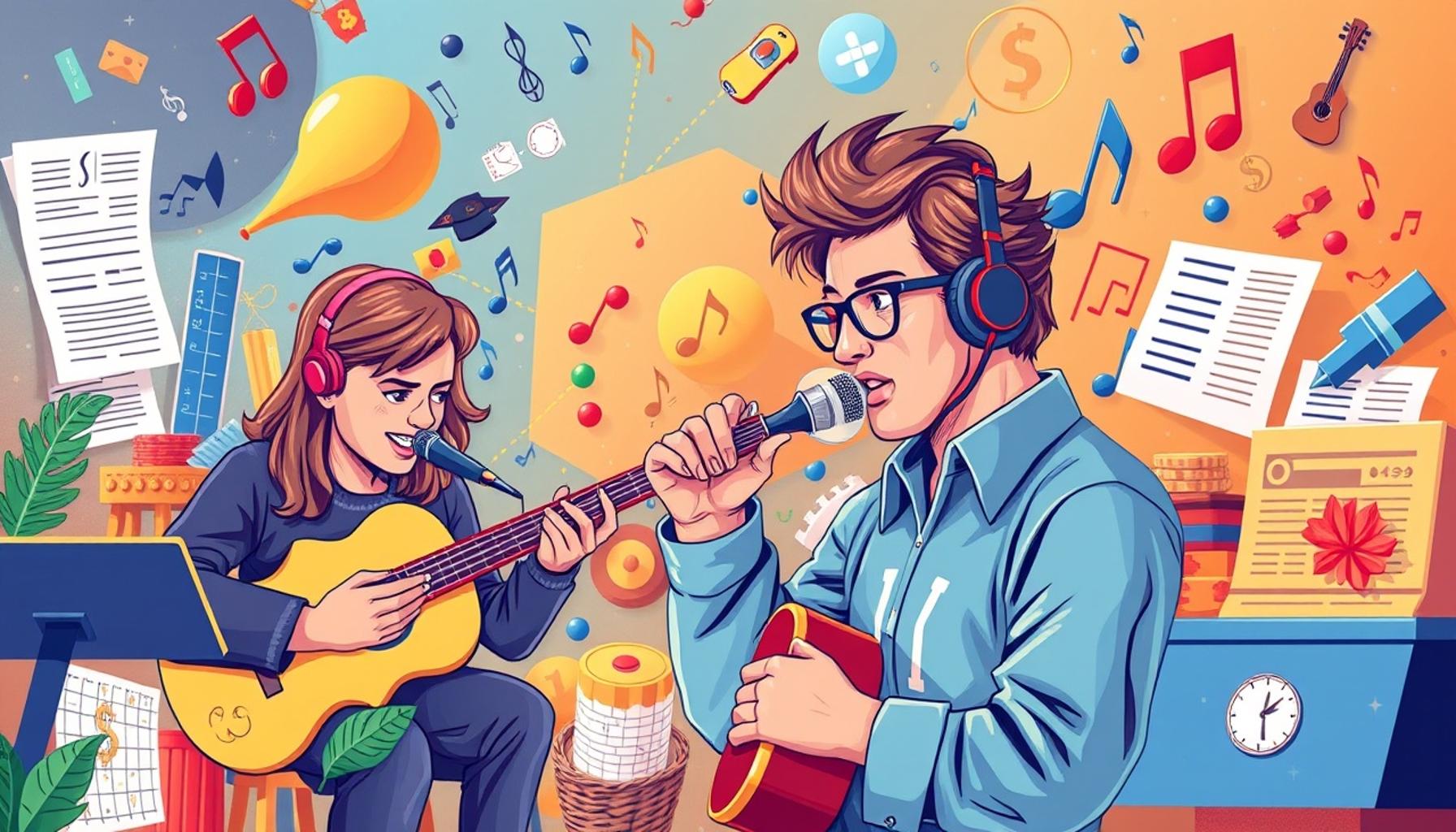
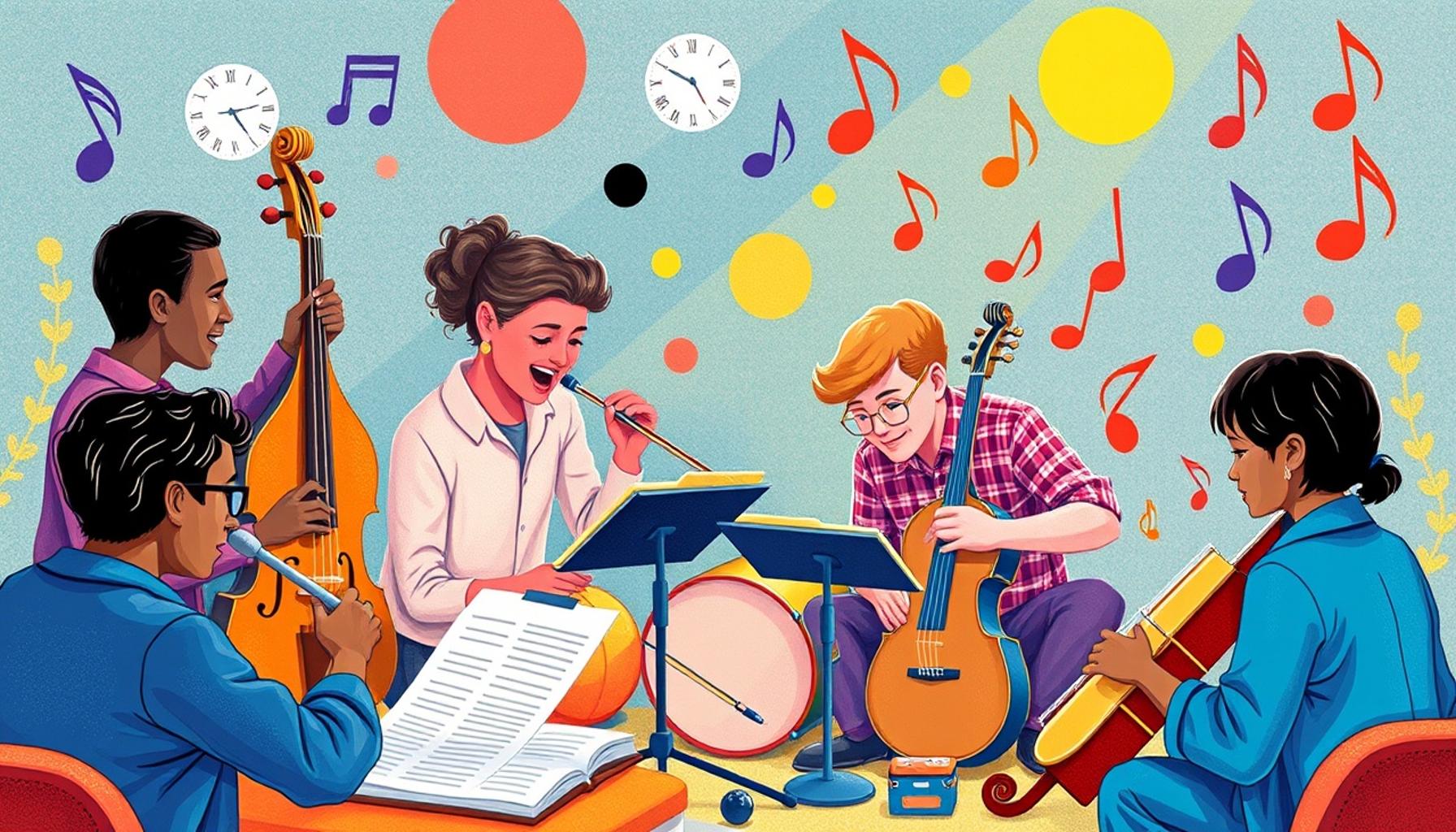
Music is a universal language that transcends boundaries and connects people from every walk of life. In today’s fast-paced world, the practice of collaborative music making has emerged as a vital way to foster relationships and create meaningful connections. From local jam sessions in community centers to grand symphonic collaborations involving artists from multiple genres, the act of creating music together enriches individual experiences and strengthens community ties.
Engaging in music with others can lead to a variety of rewarding experiences, including:
- Emotional Bonding: The act of sharing musical ideas often establishes strong relationships. This emotional connection can be seen in diverse groups, such as local community choirs or school bands, where participants share their personal stories through song. For example, during a choir practice, members might reveal their life’s joys and struggles through the pieces they choose, thereby creating a supportive atmosphere.
- Skill Development: Collaborative music making acts as a catalyst for improving both individual and collective skills. For instance, musicians who join forces to create a band can learn new instruments, songwriting techniques, and effective communication strategies. A guitarist might learn from a seasoned drummer not just about rhythm, but also about the dynamics of performing and collaborating under pressure.
- Cultural Exchange: Working with diverse musicians opens doors to various traditions and genres. Consider the blending of hip-hop and bluegrass, where artists like Billy Strings and The Infamous Stringdusters have collaborated to create something uniquely American. Such exchanges provide thrilling opportunities for participants to grow as artists while widening their cultural lenses.
- Community Building: Collaborative projects promote a sense of belonging and teamwork. Local music festivals, such as the New Orleans Jazz & Heritage Festival, showcase hundreds of musicians who come together not just to perform, but to foster community spirit and celebrate shared culture.
The rise of technology has revolutionized how people can come together to create music. With online platforms like SoundTrap and Splice, musicians from different cities and states can collaborate in real-time, breaking free from geographical limitations. This accessibility allows for greater participation, as someone in a small town can work with an artist in a major city, contributing to a rich tapestry of sound that reflects diverse experiences and backgrounds.
As musicians and creators seek to amplify their voices, collaborative music making serves as a powerful vehicle for change and connection. This practice not only enriches personal experiences but also reinforces the fabric of communities across the United States. Through shared musical endeavors, individuals can transcend the mundane, inspiring themselves and others to dream bigger and reach higher, while simultaneously weaving the community closer together through the universal bond of music.
DISCOVER MORE: Click here to create unforgettable gifts
Exploring the Depths of Collaborative Music Making
As the landscape of music continues to evolve, collaborative music making stands as a testament to the power of unity through creativity. This interaction not only facilitates the fusion of diverse musical styles but also embodies a spirit of inclusion and celebration. When musicians come together, they bring with them unique backgrounds, influences, and experiences that enrich the collective creation process. The shared journey becomes a transformative experience that extends beyond mere sound.
One of the striking aspects of collaborative music making is the way it promotes innovation. The amalgamation of different perspectives often leads to groundbreaking compositions. Consider the work of OkGo, a band known for its experimental approach to music and visual storytelling. Collaborations with artists across various artistic disciplines, including directors and choreographers, have resulted in visually stunning musical narratives that captivate audiences. Such creative synergies are not just about sound; they are about crafting an experience that resonates on multiple levels.
Moreover, the importance of collaborative activities in music education cannot be overstated. Many educational institutions are recognizing the value of teaching students through collaboration. By participating in group projects, students learn to listen actively, share constructive feedback, and adapt to different styles of play. For example, students in a middle school band might engage in a joint project where they explore classical pieces while infusing contemporary rhythms. This not only fosters musical versatility but also strengthens interpersonal skills vital for future collaboration.
The benefits of collaborative music making extend into emotional territories as well. Numerous studies suggest that engaging in group music activities can boost mental health and well-being. Here are some notable benefits:
- Reducing Social Anxiety: Participating in music ensembles enables individuals to develop social skills while expressing emotions through a shared medium, which can significantly diminish the anxiety associated with public performance.
- Creating Shared Memories: Collaborative projects often become cherished experiences, allowing participants to reminisce about the creative process long after the final note has been played.
- Fostering a Sense of Achievement: Successfully completing a collaborative piece instills a sense of pride among musicians, reinforcing their identity and connection to the larger community.
Additionally, collaborative music making has shown remarkable adaptability during challenging times. The COVID-19 pandemic necessitated a reevaluation of how music is created and shared. Live performances were curtailed, yet ingenuity flourished. Artists turned to virtual collaborations, using software to connect with others from afar. Notable initiatives, like the Sing Along Project launched by popular artists, invited musicians and fans alike to create a sense of community through shared virtual performances. Such adaptations not only preserved but also amplified the collaborative spirit inherent in music.
In essence, the act of making music collectively fosters an environment where connections can flourish, reinforcing the idea that the journey of creating sound is as impactful as the sound itself. This facet of music invites participants to explore new frontiers of creativity while building bonds that can last a lifetime.
| Advantage | Description |
|---|---|
| Enhanced Creativity | Collaborative music making fosters an environment where diverse ideas and genres can merge, leading to innovative compositions that might not emerge in isolation. |
| Community Building | Engaging in music creation with others helps to cultivate strong relationships, enhancing social connections and fostering a sense of belonging among participants. |
The world of music is rapidly evolving, and the rise of technology has made collaborative music making more accessible than ever before. Platforms that connect musicians from different backgrounds allow for an exchange of ideas that can profoundly influence both the artists and their audiences. This shared experience creates a rich tapestry of sound that reflects a diverse array of cultures and perspectives.Moreover, as musicians come together, they benefit from immediate feedback and varied skill sets, which can enhance their own musical styles and techniques. Through group collaboration, musicians can experiment with unconventional instruments or genres, challenging their own boundaries and innovation in sound. Engaging in communal projects also helps build not only musical skills but essential social skills, providing ways to communicate and understand each other through the universal language of sound. In an era where connectivity is vital, collaborative creation embodies the spirit of unity and expression, proving that music is not just an art form, but a powerful tool for building communities and shared experiences.
DISCOVER MORE: Click here to dive deeper
Navigating Cultural Boundaries Through Shared Musical Experiences
In a world increasingly defined by both physical and digital boundaries, collaborative music making serves as a bridge connecting diverse cultures, communities, and individuals. The digital age has enabled unprecedented access, allowing musicians from different corners of the globe to collaborate on projects regardless of geographical constraints. Social media platforms and collaborative tools, such as Soundtrap and Splice, empower artists to exchange ideas and rhythms instantly, weaving a richer tapestry of sound.
Collaboration has the unique ability to transcend cultural barriers. Take for example The Silkroad Ensemble, founded by musician Yo-Yo Ma. This collective brings together artists from cultures as varied as Chinese, Indian, and Western classical music traditions. Through collaborative performances, they not only expose audiences to diverse musical idioms but also promote mutual respect and understanding. Such initiatives reflect the essence of global collaboration—productively blending different influences to create something entirely new that resonates with diverse audiences.
Furthermore, this bridging of cultural divides is particularly notable in the emergence of genre-blending collaborations. The rise of Afrobeats artists collaborating with American hip-hop stars has generated songs that dominate charts worldwide. Artists like Burna Boy and Drake bring their unique styles together, creating a hybrid sound that resonates across demographics and geographies. Here, the beauty of collaborative music making lies not only in the music itself but also in the narratives and stories that these collaborations convey—the shared experiences tied to complex histories and identities.
Moreover, the concept of collaboration extends beyond individual artists to entire communities coming together for collective music-making initiatives. Community choirs, such as the San Francisco Community Music Center, actively promote inclusivity by inviting participants from various backgrounds to join. These organizations help foster a sense of belonging and shared purpose among members while encouraging them to express their unique experiences through music. By engaging in collaborative projects, individuals find common ground, reinforcing bonds that strengthen community ties during both joyous and difficult times.
The educational domain is also revolutionized through collaborative music making. Institutions like Musical Chairs in New York promote collaborative learning by combining traditional instruction with group-based projects. Students work together on creating original compositions, resulting in enriching educational experiences. This hands-on approach not only enhances musical skills but also empowers learners to develop leadership, teamwork, and problem-solving competencies critical in today’s interconnected world.
As we examine the impact of collaborative music making, it’s essential to highlight its role in providing a platform for underrepresented voices. Numerous initiatives focus on uplifting marginalized communities, allowing them to share their narratives through music. Programs like ,Beyond the Beat, work to engage youth from different backgrounds to create original pieces that express their experiences. These projects foster dialogue and understanding, bringing awareness to social issues through the universal language of music.
In summary, the journey of collaborative music making not only births inspired sounds and innovative compositions but also creates rich emotional and cultural connections. It goes beyond artistic expression, cultivating a shared understanding and unity among diverse individuals and communities. The exploration of collaborative music making encourages us to cherish the sounds that emerge from our collective journeys, each note a testament to the bonds forged through creativity.
DISCOVER MORE: Click here to dive deeper into the world of live performance
Conclusion: The Power of Collaborative Music Making
In a society where our interactions are increasingly mediated by technology and global interconnectivity, the significance of collaborative music making cannot be overstated. This artistic practice not only fosters a sense of belonging but serves as a conduit for sharing diverse narratives, bridging divides between cultures and communities. As we’ve explored, collaborative efforts—from initiatives like The Silkroad Ensemble to genre-defying partnerships between artists like Burna Boy and Drake—demonstrate how sound can unite individuals, transcending the boundaries of language, geography, and tradition.
Moreover, the impact is felt in educational settings, where collaboration transforms learning experiences. Programs that promote teamwork and creativity equip students with essential skills for the 21st century, ultimately shaping not only their musical abilities but also their character and capabilities as leaders. Community initiatives further exemplify the transformative power of music, nurturing connections that uplift marginalized voices and galvanize social change.
As we reflect on the profound contributions of collaborative music making, it is clear that every note and rhythm plays a role in weaving our shared human experience. The stories told through these partnerships invite us to look beyond ourselves and appreciate the rich tapestry of sound that arises from collective creativity. Ultimately, by fostering collaboration and embracing diverse voices, we can continue to build a world where music remains a unifying force, resonating with meaning and connection across all walks of life.