The Art of Baking: Transforming Simple Ingredients into Masterpieces
The Art and Science of Baking
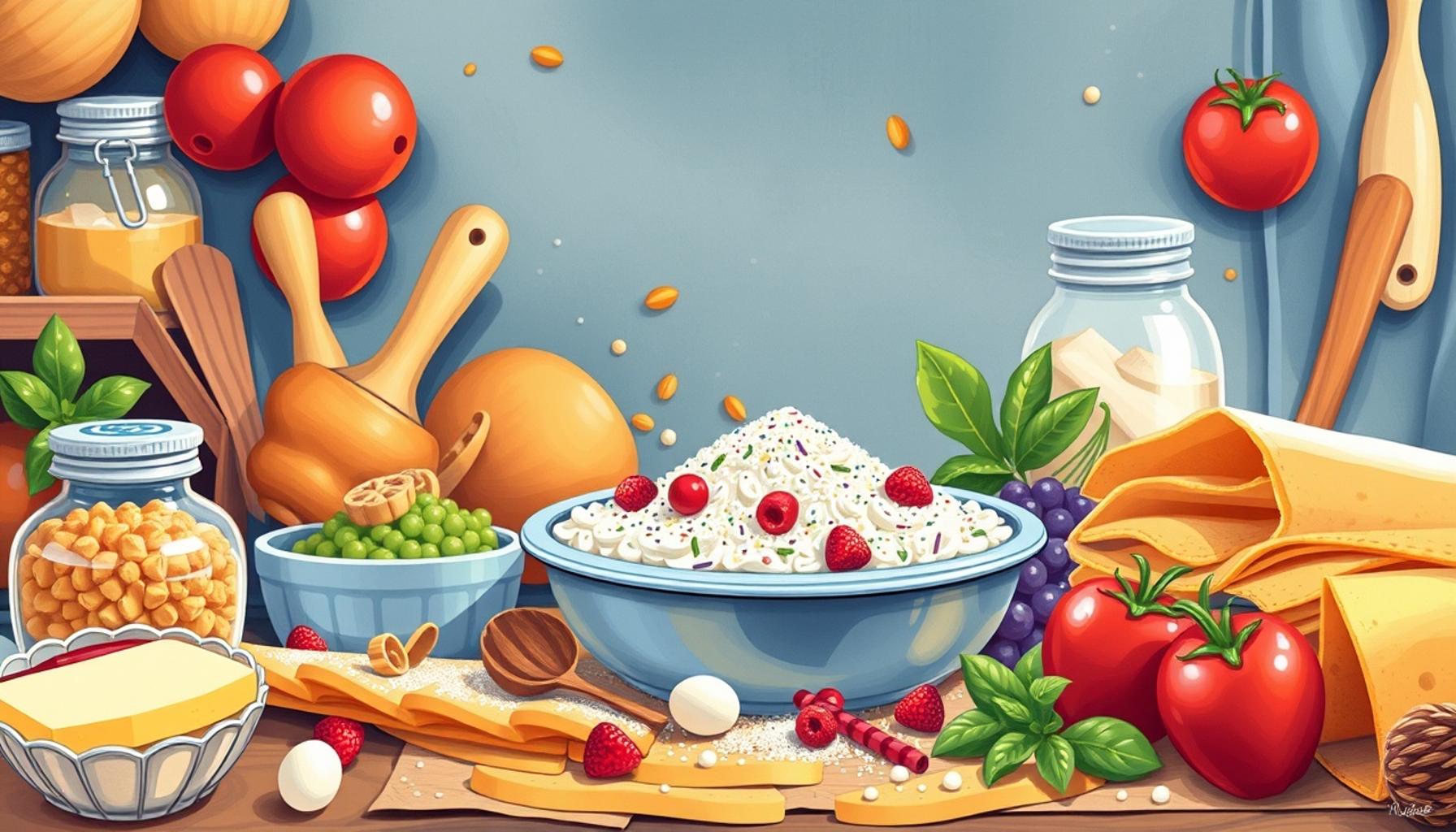
In the culinary arts, few activities capture the heart and soul quite like the craft of baking. Picture a warm kitchen, infused with the comforting scents of vanilla, butter, and caramelizing sugar. With just a handful of basic ingredients—flour, sugar, eggs, and butter—magical transformations occur in the oven, resulting in mouthwatering results that delight our senses. Baking transcends mere cooking; it embodies an intricate blend of science, creativity, and deep-rooted passion.
The appeal of baking lies not only in its delicious outcomes but also in its versatility. Bakers, whether seasoned professionals or enthusiastic home cooks, have the freedom to express their unique personalities through their creations. Consider the following key elements that contribute to the allure of this remarkable craft:
- Science Meets Art: Baking operates on the principles of chemistry, where precise measurements and specific techniques lead to ideal texts and flavors. For instance, knowing how to properly cream butter and sugar introduces air into your batter, producing lighter cakes. The Maillard reaction, a chemical reaction between amino acids and reducing sugars, creates that beautifully complex browning seen in baked goods like baguettes and cookies. Understanding the science behind these processes can help you become a more proficient baker.
- Creativity Unleashed: Baking is a canvas for personal expression. From frosting techniques like the buttercream rosette to innovative flavor pairings such as lavender and lemon, bakers can explore endless creative avenues. A simple loaf of banana bread can be transformed into a decadent treat with the addition of chocolate chips, nuts, or even a swirl of peanut butter. Each creation can be a unique representation of the baker’s imagination.
- Tradition and Innovation: Each recipe tells a story, connecting generations. Classic family recipes, such as grandma’s apple pie or a cherished birthday cake recipe, carry the warmth of tradition. Yet, baking also welcomes modern twists; think matcha-infused pastries or vegan cupcakes made with aquafaba. This blend of heritage and innovation reflects the evolving nature of baking in our society.
As you immerse yourself in the world of baking, the thrill of mastering foundational techniques while keeping an eye on current trends is immensely gratifying. The smell of freshly baked bread wafting through your home is a powerful trigger for nostalgia, able to evoke tender memories of family gatherings or cozy winter evenings. Whether your goal is to become a professional pastry chef or simply to whip up a delightful dessert for family and friends, the baking journey offers both fulfillment and delicious results.
Join us as we delve into the nuances of this fascinating craft, unearthing tips and techniques that can transform your kitchen into a bustling bakery. From the essential tools, like a digital kitchen scale for precision, to advanced baking methods employed by professionals, every section aims to inspire your inner baker and elevate your confectionery skills. Get ready to explore a world where delightful flavors and creativity converge, making every baked good a memorable experience.
DISCOVER MORE: Click here to dive deeper
Essential Techniques for Baking Excellence
Every remarkable baked good begins with fundamental techniques that serve as the backbone of successful baking. While creativity plays a vital role in flavor combinations and presentation, understanding and mastering these essential methods can elevate your creations from good to extraordinary. With the right techniques, even novice bakers can achieve stunning results that entice the taste buds and impress the eye. Below are some key techniques every aspiring baker should embrace:
- Measuring Ingredients Accurately: Accurate measurement is the cornerstone of successful baking. Unlike cooking, which allows for flexibility and adjustments, baking is much more precise due to the chemical reactions that occur. Investing in quality measuring cups, spoons, and a digital kitchen scale can ensure you follow recipes to the letter, minimizing the risk of disasters.
- Understanding Mixing Methods: The way you combine ingredients affects the texture and structure of your baked goods. From creaming butter and sugar to folding in whipped egg whites, different mixing techniques yield different results. For instance, over-mixing can lead to tough cookies or breads, while under-mixing can result in unevenly distributed ingredients. Familiarize yourself with methods such as the biscuit method and the muffin method to master different textures.
- The Role of Oven Temperature: The oven is a baker’s best friend, but it can also be a source of frustration if not understood properly. Temperature affects everything from rise to color development. Always preheat your oven and consider investing in an oven thermometer to ensure accuracy. Remember, even a slight deviation in temperature can lead to differences in bake time and outcome.
- Baking with Freshness: Quality and freshness of ingredients can transform a good recipe into a great one. Baking powder, baking soda, and yeast lose potency over time. Always check the expiration dates and store your pantry items properly to maintain their effectiveness. Using fresh eggs and high-quality butter can significantly impact the flavor and texture of your baked goods.
- Cooling and Storing: Once your masterpiece emerges from the oven, understanding how to cool and store it properly is crucial. For example, cakes should cool in the pan for a short period before being transferred to a wire rack, allowing air to circulate. Proper storage techniques, such as using airtight containers, help retain freshness and prevent baked goods from becoming stale or dry.
As you develop your baking skills, these techniques become second nature, paving the way for recipes that not only look professional but taste remarkable. With each bake, you will gain confidence, learning to tweak techniques to suit your unique style while also adhering to the fundamental principles that define successful baking. Embracing these essential techniques turns everyday ingredients into delightful treats that bring joy to your family and friends.
Building upon these foundational skills will empower you to venture into the culinary landscape of baking with an enriched understanding of what makes each recipe shine. As you gain proficiency and familiarization with the science and art of baking, your kitchen will transform into a space of creativity, inviting you to experiment and innovate.
| Category | Key Features |
|---|---|
| Ingredient Variability | Using a range of common ingredients like flour, sugar, and eggs allows for endless creativity in baking. |
| Culinary Skills | Mastering fundamental baking techniques transforms simple recipes into gourmet outcomes. |
| Cultural Relevance | Baking connects us to traditions and cultures, showcasing regional specialties and personal stories. |
The world of baking is rich with opportunities to explore culinary artistry. Each ingredient carries the potential to elevate a basic recipe into a remarkable dish, allowing bakers to express individuality. Understanding the role of each component, from the binding qualities of eggs to the aeration provided by whipped cream, can significantly enhance the textures and flavors of baked goods. The culture behind baking traditions also creates a rich tapestry of stories and history that adds depth to the act of baking. Through techniques honed over time, bakers can transform everyday ingredients into masterpieces that not only taste delightful but also evoke emotions and memories. Embarking on this journey can reveal the multitude of possibilities that await in your oven, each baking session a chance to create something truly unique.
DISCOVER MORE: Click here to learn about the healing power of music
Exploring Flavor Profiles and Ingredient Pairings
While the techniques of baking lay the foundation of a recipe, it is the thoughtful selection and combination of flavors that elevate baked goods to a sensory masterpiece. When you venture into the world of flavor profiles, you discover a palette of possibilities that allow simple ingredients to shine. With the right understanding of how various ingredients interact, bakers can create not just delicious, but also memorable experiences for their audience.
- Balancing Sweetness with Tartness: The interplay between sweet and tart can add depth to your baked goods. Consider the classic pairing of chocolate and raspberry—rich chocolate contrasts beautifully with the bright, tangy notes of fresh raspberries. Similarly, lemon zest can brighten up a dense cake, while a drizzle of honey over a nutty baklava enhances its complexity. Experimenting with this balance can lead to innovative treats that captivate the palate.
- Textural Dynamics: Incorporating different textures can transform the eating experience. For example, combining moist cake layers with crunchy toppings like candied nuts or crumble can provide a delightful contrast that keeps each bite interesting. Think about using creamy fillings in pastries that embrace a flaky exterior, or adding a sprinkle of coarse salt on sweet caramel to amplify flavors. Textural interplay serves not just as a design element, but also as a means to heighten flavor perception.
- Herbs and Spices Beyond the Norm: While vanilla, cinnamon, and nutmeg are staples in baking, venturing into less common herbs and spices can yield remarkably unique results. Rosemary-infused cakes or cardamom-laced muffins can narrate a tale of tradition and innovation. Incorporating fresh herbs like basil or thyme into sweet recipes can refresh your baking repertoire, creating delights akin to the famed lemon thyme shortbread that captures a garden’s essence.
- Pairing Ingredients for Maximum Impact: Understanding how certain ingredients complement one another can open new avenues for flavor development. Butter and sugar work hand in hand in the creaming method, but consider pairing butter with browned sugar to introduce nutty undertones. Additionally, using flavored extracts or essences, like almond or orange blossom, can create layers of sophistication that transport the taster to culinary realms beyond the ordinary.
- Seasonal Ingredient Inspiration: Baking with seasonally available ingredients not only enhances flavor but also connects your creations to the time of year. Try using ripe summer berries in a refreshing pavlova or incorporating warm spices like cloves and ginger into your winter pies. Seasonal baking invites creativity and makes use of the freshest produce, fostering sustainable practices while delighting your taste buds.
This adventure through flavor and ingredient pairing encourages bakers to challenge conventions and explore the limitless creativity baking offers. By incorporating thoughtful ingredient selections and diversifying flavors and textures, you can transform simple combinations into extraordinary dessert experiences. The art of baking truly lies in this exploration, where simple elements harmonize to create unforgettable masterpieces that leave a lasting impression on anyone fortunate enough to indulge in your creations.
DIVE DEEPER: Click here to discover the power of reflective writing
Conclusion
The journey through the art of baking reveals that beyond mere technique, the magic lies within the thoughtful combination of ingredients and flavors. As we have explored, balancing sweet and tart, experimenting with textures, and embracing unconventional spices open a world of possibilities, turning humble components into extraordinary desserts. Each careful pairing and innovative twist allows bakers to not only showcase their skills but also tell a story with their creations, bringing joy and comfort to those who indulge.
Moreover, seasonal ingredients serve as a crucial reminder of the interconnectedness between food and the natural world, prompting bakers to infuse their work with fresh, vibrant flavors that reflect the time of year. As you step into the kitchen, allow your curiosity to guide you; push boundaries and look beyond traditional methods. Every ingredient has a potential to surprise—be it floral notes from herbs or an unexpected crunch that surprises the palate.
Ultimately, baking is not just a utilitarian process but a profound expression of creativity and artistry where simple elements harmonize to create delightful masterpieces. With an open mind and a daring spirit, you can transform your baking into an exploration that captivates both you and your audience, inviting everyone to savor the wonders of flavor and texture. So, the next time you gather your ingredients, remember: every masterpiece starts with the heart of an artist at play.