The Harmonization of Flavors: The Science Behind the Composition of Incredible Dishes
The Art and Science of Flavor Harmony
Cooking transcends the mere act of heating ingredients; it is a creative process that merges art with science, culminating in a medley of flavors that can elevate a simple meal to an unforgettable culinary experience. Understanding how to harmonize flavors is essential in unearthing the secrets behind incredible dishes, which often involve a blend of science, technique, and creativity.
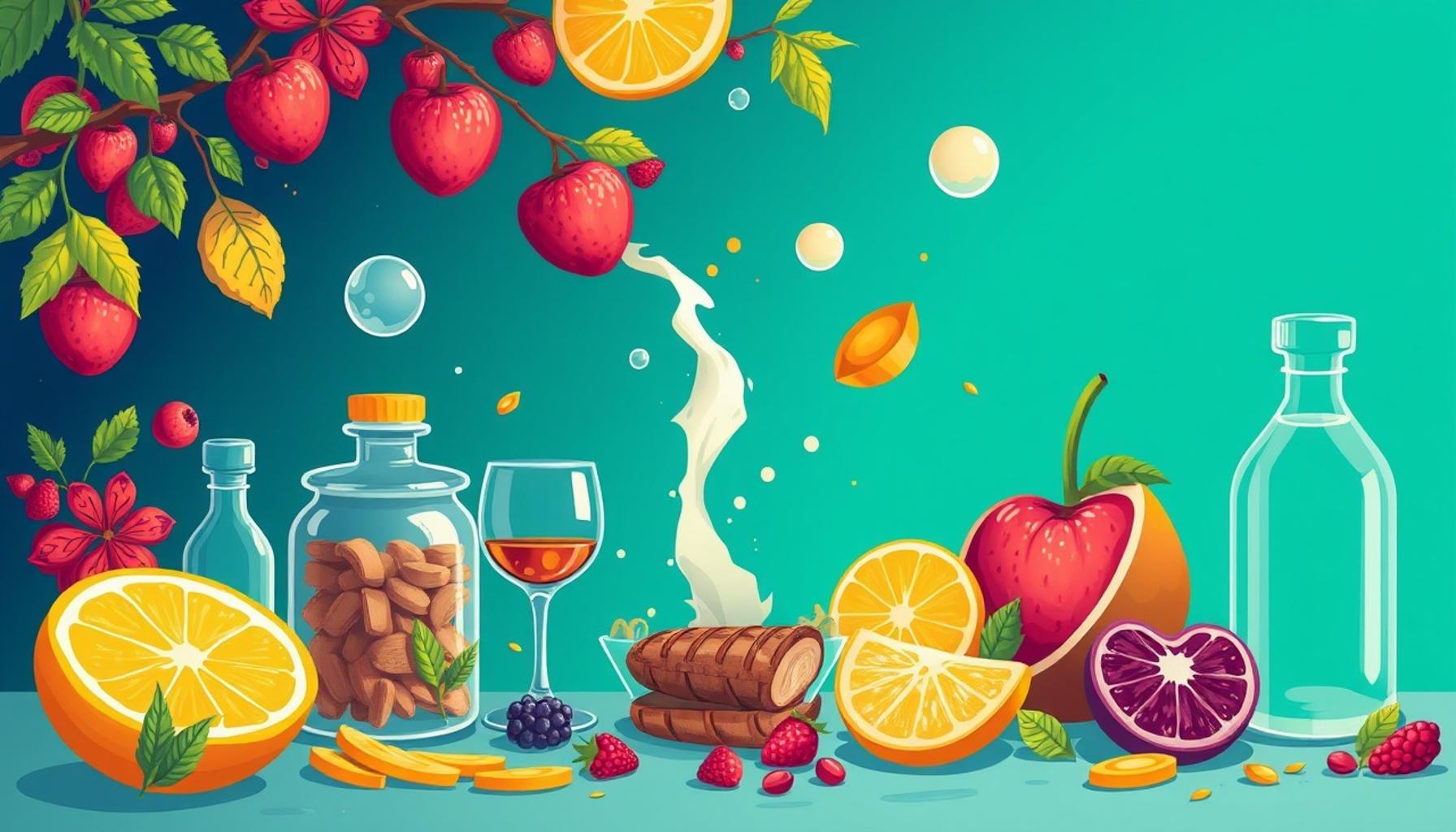
At the heart of this culinary exploration is the concept of flavor profiles. These profiles encompass the five basic tastes: sweet, salty, sour, bitter, and umami. Each offers a unique contribution to the overall taste of a dish. For instance, consider a classic fruit salad; the sweetness of ripe strawberries can be perfectly balanced with the tartness of lemons. Adding a pinch of salt can elevate these flavors, transforming the ordinary into the extraordinary.
Fresh ingredients play a pivotal role in this flavor dynamic. Using seasonal and local produce enhances the depth of flavor in dishes. Imagine a summer salad crafted from heirloom tomatoes, basil, and fresh mozzarella. The vibrant colors and natural sweetness of the tomatoes, combined with the peppery bite of basil, create a delightful burst of flavor that resonates with diners long after the meal is over.
Unlocking New Dimensions through Cooking Techniques
The choice of cooking techniques significantly affects flavor development. Roasting vegetables, for example, brings out their natural sugars and creates rich caramelization, while grilling can impart a smoky flavor that adds complexity. A simple piece of chicken can be transformed from mundane to magnificent through techniques such as brining, which enhances moisture and flavor, or sous vide cooking, which ensures precision in temperature control, resulting in an incredibly tender bite.
The Role of Complementary Elements in Culinary Composition
Furthermore, the interplay of herbs and spices introduces aromatic dimensions that elevate dishes. Fresh herbs can add brightness, while spices provide warmth and depth. A dash of cumin, for example, can transform a basic bean dish into something with a distinctly rich and earthy flavor profile.
Acidity also serves a critical function in balancing flavors. A squeeze of lemon or a splash of vinegar can awaken the taste buds and cut through rich, fatty elements like avocado or creamy dressings. This contrast not only enhances flavor but also ensures a refreshing finish that keeps diners engaged.
Texture cannot be overlooked in the quest for culinary excellence. The crunch of fresh vegetables against the creaminess of a sauce can create an exciting juxtaposition, turning each bite into a multi-sensory experience. Think of the satisfying crackle of a perfectly cooked skin on a roasted duck, juxtaposed against the tender, savory meat within.
As the realms of science and culinary arts continue to intersect, the scope for innovation expands markedly. Experimenting with these fundamental components not only satisfies the palate but also encourages chefs to challenge and redefine culinary boundaries. In this age of gastronomic discovery, there lies an endless opportunity to explore and create, inviting both chefs and diners to embark on a flavorful journey.
DIVE DEEPER: Click here to discover the impact of live performance
Decoding the Layers of Flavor Fusion
Flavor harmonization is not merely an instinctive practice but rather a systematic approach grounded in scientific principles. To truly appreciate the complexity of flavors in a dish, one must delve into the biochemistry that influences our taste perceptions. For instance, did you know that our taste buds have different receptors specifically designed to detect the five basic tastes? This differentiation is key to extracting the maximum potential from each ingredient, helping chefs create culinary masterpieces that resonate with diners.
When examining flavor pairings, certain combinations are celebrated for their synergy. The science of flavor pairing rests on the idea that some foods share volatile compounds, enhancing compatibility and consistency. A classic example is the pairing of chocolate with raspberries. Both ingredients contain similar aromatic compounds, making them not only complementary in flavor but also an ideal combination in texture and visual appeal. This interplay cultivates an experience that is both palatable and memorable.
Elements of a Perfect Dish: Key Components
Understanding how to strike a balance among various elements is crucial in creating dishes that excite the palate. Here are some fundamental components to consider:
- Sweetness: This is often associated with fruits, sugars, and certain vegetables. Sweetness can offer comfort and depth.
- Saltiness: Beyond seasoning, salt enhances other flavors and can mask bitterness, thus broadening the flavor profile.
- Sourness: Adds brightness and can cut through richness, stimulating the appetite and enhancing overall flavor perception.
- Bitterness: Often found in greens and dark chocolates, bitterness adds complexity and depth, provoking a surprising taste experience.
- Umami: Known as the savory taste, umami comes from ingredients like aged cheeses, fermented products, and soy sauce. It creates a base layer that amplifies other flavors.
As these fundamental tastes work in unison, they collectively contribute to a sensation known as mouthfeel. Mouthfeel refers to the physical sensations food produces in the mouth, including its texture and temperature. This sensory input is integral to enjoying a dish, as it prompts the brain to respond more favorably to flavors. For instance, the creaminess of a traditional alfredo sauce paired with the texture of fettuccine creates a harmonious relationship that elevates both elements.
One must not overlook the importance of presentation and the visual appeal of a dish. Beyond just affecting the perception of taste, aesthetics play a significant role in enhancing flavor experiences. Studies have shown that well-presented food can enhance perceived taste pleasure. The vibrant green of herbs on a plate or the artistic arrangement of ingredients stimulates the senses even before the first bite.
Ultimately, the science behind flavor harmonization allows chefs to manipulate tastes, textures, and visual elements, creating intricately balanced dishes that invite exploration and enjoyment. As we continue through this gastronomic journey, we will uncover how innovation and tradition collide in the quest for the perfect plate.
The Science of Flavor Profile Development
Understanding the intricate relationships between various ingredients is pivotal for chefs aiming to create dishes that not only tantalize the taste buds but also stir emotions. The synergy between flavors can be articulated through the concept of flavor profiles, which refer to the specific combination of taste and aroma that come from culinary components working in harmony.This interplay between sweet, salty, sour, bitter, and umami offers a depth of experience that mere individual components cannot provide. Renowned chef and flavor scientist Harold McGee once stated that cooking is a form of chemistry, reinforcing the idea that the way flavors interact is rooted in chemical principles. For example, the sweetness of caramelized onions balances the acidity of a fresh tomato sauce, evoking a sense of comforting unity.Ingredient pairing also involves understanding volatile compounds that contribute to aroma. Foods like basil and tomatoes share similar flavor compounds, making their combination a classic in Italian cuisine. In contrast, unexpected pairings like chocolate with chili can lead to culinary surprises, pushing the boundaries of traditional cooking.Moreover, the Maillard reaction, a chemical reaction between amino acids and reducing sugars that gives browned foods their distinctive flavor, is a critical consideration in achieving desirable flavor outcomes. This reaction amplifies complexity in roasted meats and baked goods, captivating any culinary enthusiast.In this dynamic realm of flavor, the application of science serves to transform the art of cooking into a meticulous craft. Exploring these elements promises not only to elevate your cooking but also to unveil new dimensions of taste, igniting a passion for the culinary arts that can last a lifetime. For those eager to delve deeper into the world of flavor harmonization, understanding these principles can open up an array of culinary experiences, making every dish an opportunity for innovation and exploration.
DISCOVER MORE: Click here to unlock your creativity
The Role of Aroma in Flavor Perception
While taste is often the primary focus in flavor harmonization, aroma plays an equally crucial role in how we perceive flavors. The human nose can detect over 1 trillion different scents, which significantly influences our overall tasting experience. In fact, studies indicate that up to 80% of what we perceive as flavor actually comes from the aromas perceived through the nasal passages.
This intrinsic link between aroma and flavor is rooted in the way our brains process sensory information. When we eat, volatile compounds from food travel through the back of the throat to the olfactory receptors in the nasal cavity, enhancing or altering our flavor experience. For example, consider the combination of peach and basil. The fruity notes of peach are beautifully complemented by the herbaceous quality of basil, creating a aromatic balance that resonates with our sensory perceptions. This is why chefs often focus on aroma when designing dishes; to elevate low-impact flavors through the compelling scents that accompany them.
Innovation and Technology in Flavor Chemistry
The culinary world has not shied away from embracing modern trends in flavor chemistry. The use of molecular gastronomy, a technique blending culinary arts and scientific principles, showcases how chefs can manipulate textures and flavors at a molecular level. Techniques such as spherification, foaming, and gels provide unique ways to present flavors that can alter not only taste but texture and temperature as well.
For instance, imagine a dish where a fruit foam is served alongside a traditional dessert; it invigorates the dish with a new layer of flavor while intriguing diners with its playful appearance. Such innovation invites culinary enthusiasts to rethink familiar flavor combinations and enhances the diner’s sensory experience.
In addition to molecular gastronomy, flavor pairing algorithms are increasingly being utilized in modern kitchens. These computational tools analyze vast databases of flavor compounds in food, providing chefs with unique combination suggestions based on scientific data. An example is the pairing of certain spices and proteins, like the combination of cinnamon and pork, which occurs based on their shared aromatic compounds. Chefs harness this technology to develop new recipes, pushing the boundaries of traditional cooking.
Cultural Influences on Flavor Composition
Another driving factor in flavor harmonization is cultural context. Various cuisines embody unique approaches to flavor pairings based on regional ingredients, cooking methods, and historical influences. For instance, the use of cilantro in Latin American dishes contrasts with its limited presence in many Asian cuisines. These preferences are shaped not just by availability but by cultural identity and tradition.
Globalization further enriches flavor experiences as culinary techniques and ingredients from around the world intersect. The rise of fusion cuisine, which combines elements from diverse culinary traditions, reflects this growing trend. Think of the popular Korean taco; a brilliant mix of traditional Korean flavors, like bulgogi and kimchi, wrapped in a classic Mexican tortilla. This blending showcases how diverse influences can create new and exciting culinary experiences.
The scientific exploration of flavor harmonization continues to inspire chefs as they seek to create incredible dishes. Through understanding the components of taste, the science of aroma, innovative techniques, and cultural influences, the culinary landscape is set to evolve further, ensuring endless possibilities for flavor exploration.
DISCOVER MORE: Click here to delve into the artistry of culinary sensations
Conclusion
In the world of gastronomy, flavor harmonization emerges as a fascinating intersection of science, creativity, and culture. As we’ve explored, the delicate balance of taste, aroma, and texture not only shapes our culinary experiences but also influences our emotional and social interactions during meals. Understanding the underlying principles of how our senses engage with flavors opens up a vast array of possibilities for chefs and food enthusiasts alike.
The advent of molecular gastronomy and innovative flavor pairing algorithms has revolutionized traditional cooking methods, enabling the creation of extraordinary dishes that challenge our perceptions. These cutting-edge techniques are continually redefining the ways in which we experience and appreciate food. Meanwhile, cultural influences remind us that our palate is informed not just by science but by history and identity, allowing for a rich tapestry of flavors that each tell their own story.
Ultimately, the journey of flavor exploration holds limitless potential. As culinary traditions evolve and intersect, the chance to uncover new combinations and experiences becomes ever more exciting. Whether you are a professional chef or a curious home cook, embracing the science behind flavor harmonization can transform even the simplest meal into an unforgettable culinary adventure. So, as you venture into your next cooking endeavor, consider the complexities of flavor—your taste buds will surely thank you.