Exploring Different Genres: How Music Making Fosters Creativity
Exploring the Transformative Power of Music
At its core, music serves as a universal connector, bridging gaps between cultures, age groups, and personal experiences. Beyond mere enjoyment, the creation and appreciation of music unlock a treasure trove of creativity that can be transformative. Whether you’re strumming a guitar, composing lyrics, or even just dancing to a beat, engaging with music can enhance various aspects of life and encourage innovative thinking.
When individuals explore a wide range of musical genres, they are offered an opportunity to:
- Discover new techniques and instruments: For example, a classical guitarist may experiment with flamenco fingerpicking, while a pop musician might delve into electronic music production. The use of unconventional instruments, like the hang drum or theremin, can also spur novel creative ideas.
- Enhance problem-solving skills through improvisation: Genres like jazz require quick thinking and adaptability. This art of improvisation fosters a mindset that can transcend music, encouraging individuals to tackle challenges in everyday life with a fresh perspective.
- Broaden their cultural perspectives, fostering empathy and collaboration: By listening to genres like world music or folk, listeners can gain insight into the lives of others. This understanding often translates into improved teamwork and communication skills, reflecting the inclusive nature of music.
The diverse characteristics found across musical styles enrich the creative process. Consider:
- Rhythm: Often described as the heartbeat of music, rhythm drives creativity and engages listeners physically. For example, the intricate polyrhythms in African drumming can inspire artists to think outside conventional patterns.
- Melody: Memorable melodies can evoke deep emotional responses and weave captivating stories. Think of how a simple, catchy tune can linger in your mind long after hearing it, reflecting the power of memorable songwriting.
- Harmony: The interplay of different sounds creates a rich tapestry of notes, providing depth. In genres like classical and choral music, harmonies bring complexity and texture, serving as a fertile ground for creative exploration.
Understanding and engaging with these musical elements not only refines a musician’s skill set but also sustains holistic cognitive development. As we continue to examine how varying genres impact creativity, we begin to unearth limitless avenues of artistic expression. For instance, workshops that combine music with visual arts, such as painting to live music, are becoming increasingly popular. These activities provide participants the platform to explore their creative boundaries while simultaneously cultivating new skills.
In essence, the exploration of music and its diverse genres is not just an artistic endeavor; it is a journey of personal development and discovery that encourages individuals to embrace creativity in all aspects of life. By diving into this rich cultural phenomenon, one can open the door to untapped potential and innovative thinking, leading to a more fulfilling and inspired existence.
DIVE DEEPER: Click here to discover the healing power of cooking
Unleashing Creativity Through Genre Exploration
As musicians and music lovers alike dive into the vast ocean of musical genres, they often find themselves embarking on a journey that not only enhances their musical skills but also sparks profound creativity. Each genre offers unique characteristics, influences, and traditions that can fuel artistic expression. Let’s break down how the exploration of various styles can cultivate a fertile ground for creativity.
The Fusion of Styles
One of the most exciting aspects of music creation is the increasing trend of genre fusion. Today, artists often draw inspiration from multiple styles, merging them to create something entirely new and innovative. For instance, the blending of hip-hop with traditional folk music can yield a fresh sound that resonates with diverse audiences. Artists like Lil Nas X, who successfully merged country and hip-hop elements in “Old Town Road,” highlight the potential for crossover and how such experimentation can foster creativity. This creative mixing not only broadens the artist’s horizon but also invites audiences to experience familiar sounds in unfamiliar ways.
Understanding Core Elements
To truly appreciate how different genres can stimulate creativity, it’s crucial to understand the core elements that define these genres:
- Instrumentation: Different genres employ distinct instruments which can lead to unique soundscapes. For example, bluegrass music is characterized by the banjo, mandolin, and fiddle, while electronic music relies heavily on synthesizers and drum machines. Exploring these instruments can inspire musicians to create novel sounds.
- Structure: The structure of songs can vary widely across genres. For instance, the verse-chorus format prevalent in pop music contrasts with the more freeform approach found in jazz and experimental genres. Understanding these structures can provide budding musicians with the tools to break the mold and experiment with their songwriting.
- Lyricism: Genres like rap emphasize storytelling and wordplay, while others, such as ambient music, often rely on atmospheric sounds rather than words. Engaging with different approaches to lyricism can unlock new expressive capabilities for aspiring songwriters.
A Broader Range of Inspiration
Exposure to various music genres can result in a broader range of inspiration for artists. For example, a rock guitarist experimenting with reggae rhythms might discover a new groove that enhances their playing style. Alternatively, a pop vocalist might find that exploring R&B vocal techniques deepens their emotive expression. By stepping outside their comfort zones and engaging with unfamiliar genres, musicians can uncover unforeseen pathways to creativity.
Consider how music education programs incorporate diverse genres, encouraging students to appreciate and actively participate in a multitude of styles. This not only nurtures their musicianship but also reinforces the idea that creativity flourishes in an inclusive environment. Music is not just a solitary activity; it thrives in community, collaboration, and the exploration of shared experiences through sound.
Ultimately, the act of exploring different musical genres serves as a dynamic catalyst for fostering creativity. This journey can transform not just the music itself but the very mindset of the creators, encouraging them to innovate and push artistic boundaries.
Exploring Different Genres: How Music Making Fosters Creativity
The art of music creation extends beyond just entertainment; it is a profound avenue for enhancing creative thinking and self-expression. Engaging with various music genres such as jazz, hip-hop, classical, or electronic can significantly enrich an individual’s creative faculties. Each genre offers unique elements, techniques, and cultural narratives that inspire artists to approach their work through different lenses. For instance, jazz improvisation teaches spontaneity and adaptability, while classical composition encourages patience and attention to detail.
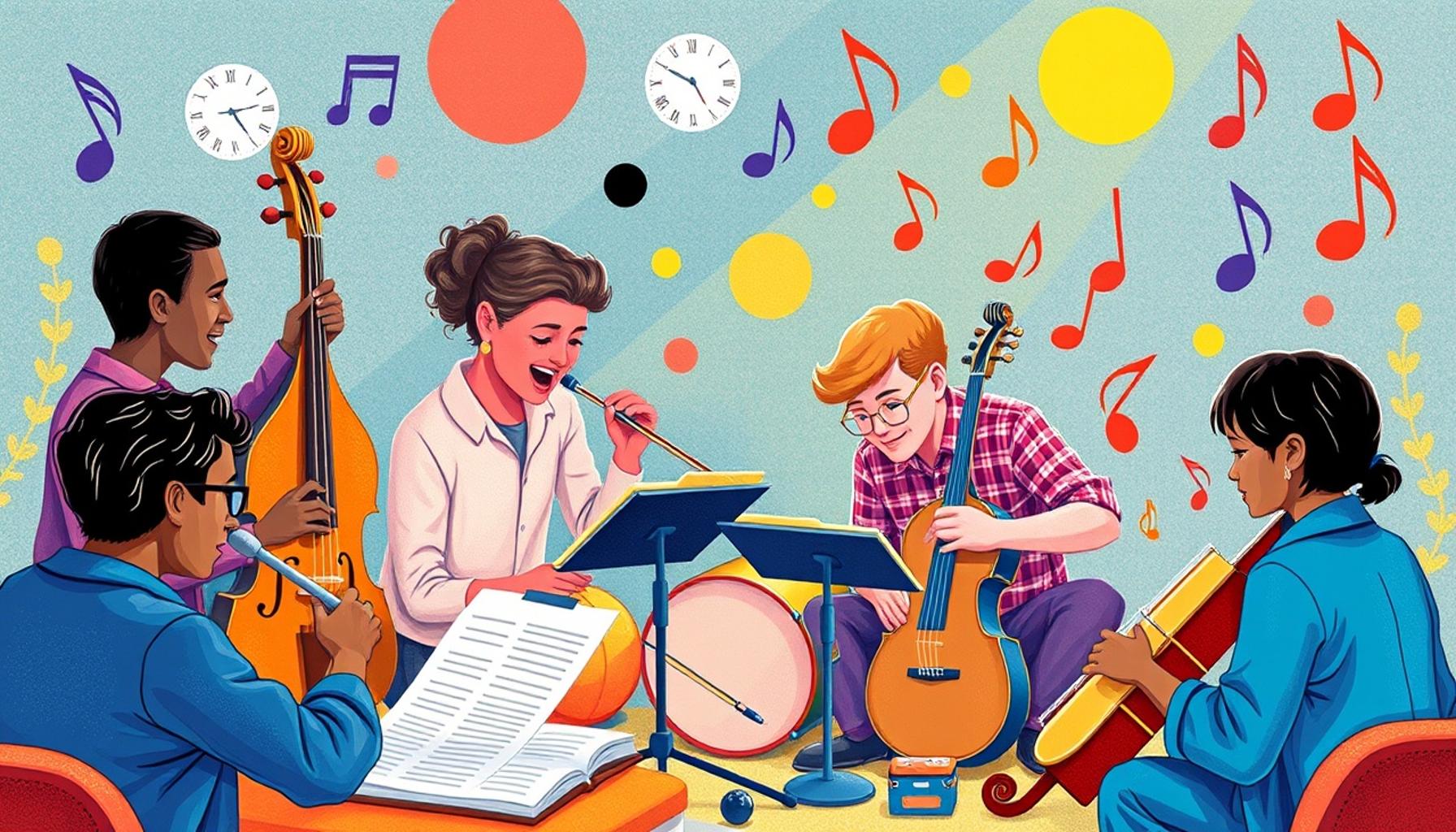
Moreover, embracing diverse musical styles can lead to collaborative opportunities that foster innovation. When artists from different backgrounds collaborate, they merge their distinctive approaches and perspectives, cultivating an environment ripe for original ideas. Additionally, such interactions enhance problem-solving skills, as musicians must navigate different rhythms, scales, and beats, creating a rich tapestry of sounds that push the boundaries of traditional music-making.
As modern technology continues to democratize music creation, tools such as digital audio workstations (DAWs) and online platforms allow aspiring musicians to experiment easily with multiple genres. The accessibility of these resources invites creative exploration, encouraging individuals to step out of their comfort zones and discover aspects of their artistic identity. Thus, music-making not only nurtures creativity but also acts as a powerful catalyst for personal growth and self-discovery.
| Category | Advantages |
|---|---|
| Genre Diversity | Exposure to unique techniques and styles enhances creative adaptability. |
| Collaboration | Joint efforts result in innovative breakthroughs and artistic synergy. |
The fascinating intersection of creativity and music-making offers endless possibilities for individuals eager to explore their artistic side. By immersing themselves in various genres, musicians not only hone their craft but also invigorate their creative spirits, setting the stage for new musical landscapes. To further investigate how different genres can transform your artistic journey, continued exploration, and experimentation are essential. Let the rhythm guide you on this exciting creative adventure!
DISCOVER MORE: Click here to dive into artistic journaling
Impact on Collaboration and Community
Another significant aspect of exploring diverse musical genres is the way it enhances collaboration. Musicians often find inspiration not only within their preferred styles but also by working alongside artists from different backgrounds. This collaborative spirit is common in cities across the United States, where multicultural influences shape the soundscape. For instance, consider the vibrant music scene in New Orleans, where jazz, blues, and Cajun music intertwine, leading to collaborations that push creative boundaries and inspire innovative material.
The Role of Festivals and Live Performances
Music festivals and live performances play a crucial role in fostering genre exploration. Events like South by Southwest (SXSW) and Coachella gather artists from various genres, creating an atmosphere ripe for innovation. At these festivals, attendees can immerse themselves in a blend of sounds, witness cross-genre collaborations, and discover new influences that can significantly enrich their musicality. Such experiences encourage musicians to embrace ideas outside their usual repertoire and to incorporate fresh elements into their creative processes.
Technology as a Bridge to Genre Exploration
In today’s digital age, technology serves as a powerful tool for musicians to explore and create across genres. Software advancements, such as digital audio workstations (DAWs), enable artists to sample, loop, and manipulate sounds from various genres easily. For instance, indie musicians are increasingly using platforms like SoundCloud and Bandcamp to experiment with genres, drawing from influences as diverse as EDM, rock, and world music. This accessibility allows for a cross-pollination of styles that can lead to completely new sonic landscapes.
Deepening Emotional Expression
Diving into different genres also enables musicians to profoundly deepen their emotional expression. Each genre conveys distinct cultural narratives and emotional tones. For example, listening to the melancholic strains of blues can inspire a heavier emotional weight, while the upbeat cadence of samba might elicit feelings of joy and festivity. Musicians who traverse this spectrum can bring a more nuanced emotional palette to their work, connecting deeply with their audience. This emotional exploration propels creativity and can lead to songs that resonate on a personal level with listeners.
- Embracing Mistakes: Experimenting with various genres encourages musicians to embrace error as part of the creative process. When artists step outside of their traditional genre, they may encounter unique sounds or techniques that, while initially perceived as mistakes, can lead to groundbreaking new directions for their music.
- Community Engagement: Engaging with different genres often fosters a sense of community. Musicians find kinship with those from diverse backgrounds, resulting in collaborations that push creative limits, as seen in genres like Latin trap, which brings together elements of urban and traditional Latin music.
Through active engagement with different genres, musicians are continually inspired to explore new avenues for self-expression and sound experimentation. This journey not only contributes to artistic growth but also reflects a broader, more inclusive understanding of music as an art form that crosses cultural and emotional boundaries. As a result, the exploration of musical genres becomes more than a personal endeavor; it becomes a collective experience that enriches the cultural tapestry of the music industry.
DIVE DEEPER: Click here to uncover more flavors
Conclusion
In conclusion, the journey of exploring different genres serves as a vital catalyst for creativity in music-making, allowing artists to broaden their horizons and deepen their emotional expressions. By embracing the wealth of musical styles available, musicians not only enhance their technical skills but also cultivate an open-minded approach to their artistry. The collaborative environment fostered through diverse genre interactions ignites innovation, leading to groundbreaking musical expressions that reflect a rich cultural tapestry.
Furthermore, technological advancements have democratized music creation, enabling aspiring artists to experiment with a multitude of sounds from the comfort of their homes. Platforms like Bandcamp and SoundCloud empower musicians to merge influences in exciting ways, creating new genre hybrids that speak to contemporary audiences. As we witness the emergence of Annie Mac’s new wave or trap fusion, it becomes evident that genre exploration is not just a trend but a necessary evolution of the music industry.
Ultimately, the act of genre exploration functions as a bridge that connects communities, celebrates diversity, and enriches the musical landscape. It invites artists and listeners alike to delve into unfamiliar territories, fostering an ongoing dialogue around creativity and cultural significance within music. Encouraging musicians to step beyond the boundaries of their traditional styles not only nurtures their growth but also resonates deeply with audiences, creating a collective appreciation for the art form. As the music world continues to evolve, embracing this spirit of exploration will undoubtedly lead to a brighter and more inclusive future for the industry.