The Intersection of Technology and Art: New Frontiers in Creative Expression
Transforming Creativity Through Technology
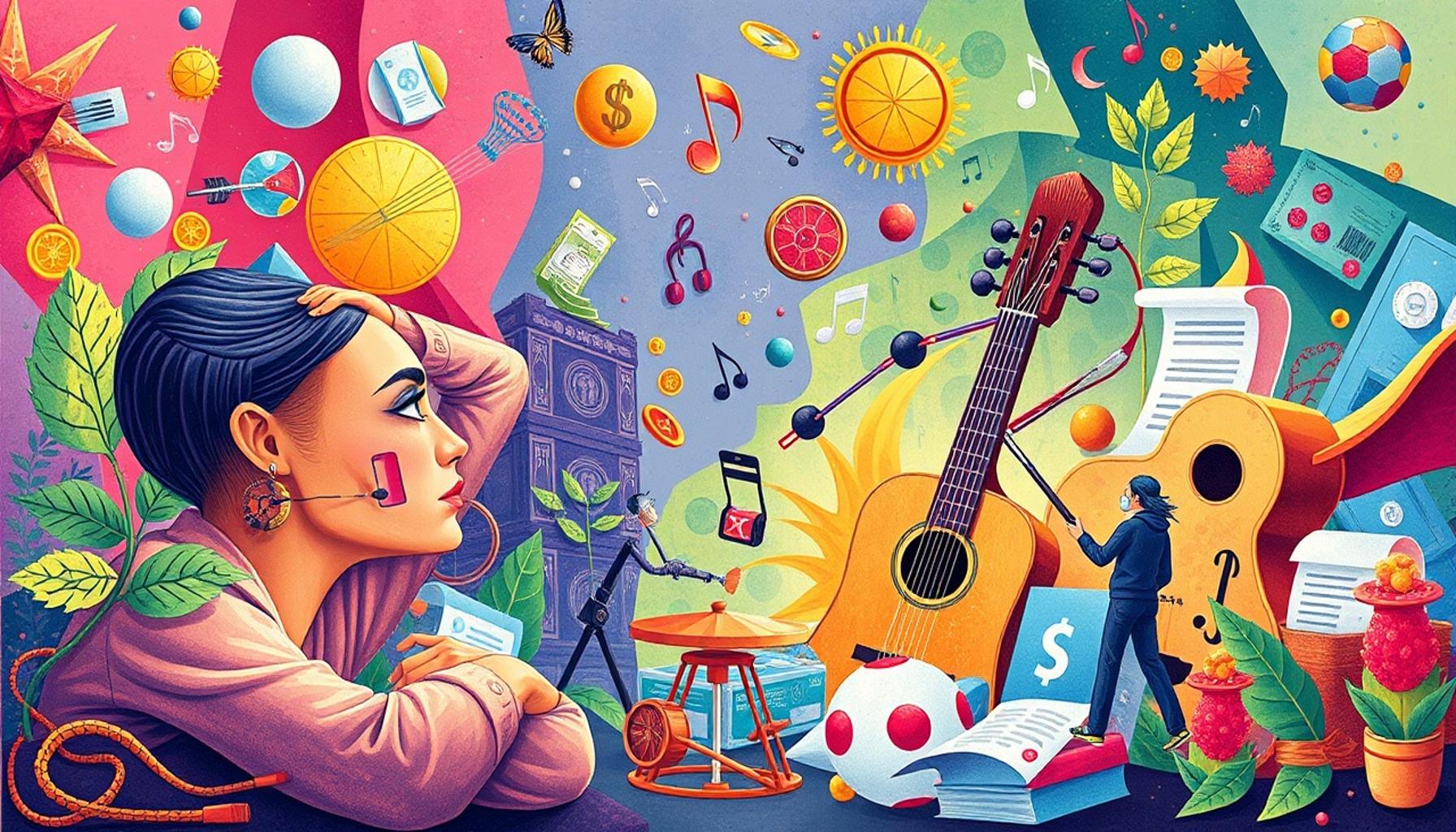
In recent years, a remarkable transformation is unfolding at the crossroads of art and technology. Artists are leveraging innovative tools to redefine the landscape of creative expression, fueling a dynamic dialogue between human ingenuity and machine capabilities. This evolution is not merely a trend; it marks a significant shift in how art is created, consumed, and understood.
Pioneering Developments in Art and Technology
This intersection is characterized by various pioneering developments, including:
- Digital Art: Artists today are exploring new mediums that range from digital painting and graphic design to immersive augmented reality (AR) installations. For instance, major art events like the “Digital Art Month” showcase how digital artists can seamlessly blend technology with traditional artistic concepts, creating pieces that can be experienced on screens as well as through AR applications that overlay art into the physical world.
- AI-Generated Works: Machine learning algorithms are capable of creating art that challenges the very notion of authorship. Artists like Refik Anadol utilize AI to generate stunning visual artworks based on vast datasets, prompting discussions on what it means to be an ‘artist.’ This has led to the emergence of unique exhibitions, such as “The Art of AI,” which are designed to showcase the capabilities of AI and its influence on creative processes.
- Interactive Installations: These installations create an environment where visitors actively engage with art in real-time, contributing to a collective experience. An exemplary case is the work of artists like teamLab, whose interactive exhibits allow participants to alter the artwork through their movements, effectively making them a part of the art itself.
Challenging Traditional Notions
These advancements challenge traditional notions of creativity and authorship. As technology becomes an integral part of the artistic process, it raises critical questions about originality, ownership, and the very definition of what art is. For example, if an algorithm produces a stunning painting, who is credited as the creator—the artist who programmed the algorithm, the programmer, or the machine itself?
The Role of Social Media in Democratizing Art
Moreover, the impact of social media and online platforms has democratized art, allowing emerging artists to reach global audiences. Platforms like Instagram and TikTok enable artists to share their work widely, garnering feedback and support from a diverse group of viewers. With this new paradigm, art is no longer confined to galleries and museums but thrives in virtual spaces where inclusivity and accessibility take precedence.
New Frontiers in Art and Culture
As we delve deeper into this fascinating topic, we uncover how these new frontiers are not just reshaping art but also influencing culture and society at large. Each technological advance comes with a wealth of opportunities and challenges for artists and audiences alike. For example, the rise of NFTs—non-fungible tokens—has opened new revenue streams for artists but has also sparked debates over digital ownership and the environmental impacts of blockchain technology.
In summary, the merging of art and technology invites us to reimagine how we define creativity, connection, and expression in our increasingly digital world. With every innovation, there lies a chance to explore the profound implications for both artists and art lovers, inspiring an ongoing dialogue about the future of creativity.
DISCOVER MORE: Click here to uncover the healing power of cooking
Expanding Creative Horizons Through Innovation
The fusion of technology and art has opened expansive creative horizons that were previously inconceivable. Today’s artists are not merely using technology as a tool; they are weaving it into the very fabric of their artistic practice. This synergy between creativity and technology fosters an environment where traditional art forms diverge into uncharted territories, allowing for experimentation and innovation.
Emergence of the Digital Canvas
Digital canvases have become a prominent feature in the modern artistic landscape, offering a plethora of diverse techniques that transcend physical limitations. Programs like Adobe Photoshop and Procreate empower artists to create intricate pieces that can be easily modified and shared globally. Digital art is no longer seen merely as a novelty; it has been embraced by major galleries, and acclaimed institutions such as the Museum of Modern Art (MoMA) have begun to showcase digital exhibitions alongside traditional works. This significant shift underscores a broader acceptance of digital mediums as legitimate forms of artistic expression.
Augmented and Virtual Reality Experiences
The realm of augmented reality (AR) and virtual reality (VR) is propelling art into exhilarating dimensions. Artists like Marina Abramović are harnessing VR to create immersive experiences where viewers can engage emotionally and physically with the artwork. For instance, the “The 2020 Video Game Art Exhibition” allowed attendees to step into interactive environments that challenge perceptions and elicit profound reflections. This innovation offers artists an avenue to explore narratives and concepts that traditional forms may struggle to convey fully.
The Birth of New Artistic Genres
As technology continues to evolve, it has birthed entirely new artistic genres. Here are some notable examples:
- Generative Art: Leveraging algorithms and computer code, generative artists create works that change on every viewing, highlighting the infinite possibilities of digital creation.
- 3D Printing: Artists like Joshua Harker are utilizing 3D printing to sculpt intricate designs that challenge conventional artistic methods, bringing digital dimensions into tangible forms.
- Sound Art: With advancements in sound technology, artists are increasingly crafting immersive auditory experiences that transform spaces and alter perceptions, such as the work of sound artist Janet Cardiff.
Exhibitions and Collaborations at the Forefront
Moreover, prominent exhibitions like the “Art + Tech Summit” at the California Institute of the Arts demonstrate how institutions are fostering collaborations between technologists and artists. These events not only showcase groundbreaking art but also stimulate conversations about the implications of technology in the arts. Such initiatives serve as a reminder of the community-driven aspect of this intersection, where creative minds come together to explore the vast potential that technology presents.
In essence, the intersection of technology and art is not just shifting the axes of artistic practice; it is unlocking an entirely new realm of possibilities that combine human expression with digital innovation. As artists continue to experiment and grow within this collaborative space, the future of art promises to be as dynamic as the technologies that drive it.
| Category | Description |
|---|---|
| Digital Art | The creation of artwork using digital technology, leading to innovative forms and styles. |
| Augmented Reality | A technology that overlays digital elements onto the real world, bridging the gap between physical and virtual spaces. |
| AI in Art | Artificial Intelligence is increasingly being used to generate art, challenging traditional notions of creativity. |
| Interactive Installations | Artworks that respond to viewer interaction, creating a dynamic relationship between the audience and the piece. |
In the exploration of the intersection of technology and art, one can find a vibrant tapestry of new creative expressions. Digital art stands at the forefront, where artists leverage technology to create stunning visuals that transcend traditional mediums. Augmented reality offers an immersive experience, allowing audiences to engage with art in their immediate physical environment—a phenomenon that makes art more accessible and relatable.Furthermore, the rise of artificial intelligence in the creative sphere has sparked conversations about authorship and the essence of creativity itself. AI-generated pieces raise the question of what it means to be an artist in a world where machines can imitate creative processes. Interactive installations are also gaining traction, as they invite observers to participate actively in the artistic experience, cultivating a deeper connection to the artwork. Each of these elements represents new frontiers in creative expression, urging both creators and viewers to rethink their understanding of art. The continuous evolution in this space indicates that we are just scratching the surface of this exciting critique of intersectionality between technology and art.
DISCOVER MORE: Click here for innovative organizing ideas
Reimagining Artistic Collaboration and Accessibility
The integration of technology into the art world extends beyond creation; it is also redefining collaboration and accessibility, breaking down barriers that once limited participation in artistic endeavors. In today’s interconnected environment, artists can easily collaborate across geographies, resulting in works that reflect a multitude of perspectives.
Global Collaborations through Online Platforms
Platforms such as Instagram and Behance are reshaping how artists access audiences and collaborate with each other. These platforms allow emerging artists and seasoned professionals to connect, share ideas, and co-create regardless of their physical locations. For example, during the pandemic, artists from around the world bonded over virtual projects, sharing their works and techniques through live streams and online exhibitions. This digital-centric approach not only democratizes the creative process but also cultivates a global art community that is more inclusive and diverse.
Extending Reach through Digital Installations
With the rise of digital installations, art has transcended traditional galleries and can now be experienced anywhere—from urban spaces to private homes. Projects like the “The Obliteration Room” by Yayoi Kusama invite audiences to interact with artwork, transforming blank spaces into vibrant experiences. In these installations, visitors are encouraged to participate by applying colorful dot stickers, effectively becoming co-creators of the piece. Such a participatory approach radically alters the relationship between the artwork and its viewers, turning passive observers into active participants.
Democratizing Access Through Online Art Communities
Online art spaces are not only enabling collaboration but are also democratizing access to art through initiatives like Google Arts & Culture. This dynamic resource offers virtual tours of renowned museums, high-resolution artwork reproductions, and even immersive experiences. It serves as a platform for educators, students, and art enthusiasts to explore masterpieces from their homes, thus making art education more accessible. As larger institutions and independent artists alike embrace these digital tools, they cultivate a new generation of art lovers eager to engage with artistic expression.
Artificial Intelligence as a Collaborating Artist
Artificial intelligence (AI) has emerged as a fascinating collaborator in the realm of art. Using machine learning algorithms, artists like Refik Anadol and Anna Ridler are integrating AI into their creative processes, generating artworks that adapt and evolve. An example is the use of AI to create visual representations of literature, where the machine analyzes text and produces corresponding visual art, blurring the lines between human creativity and algorithmic generation. This challenge to traditional notions of authorship and creativity forces us to re-examine the essence of what it means to be an artist in a tech-driven world.
As technology continues to evolve, the intersection of art and innovation creates endless opportunities for experimentation and creativity. With an increasing focus on collaboration and accessibility, artists are now empowered to expand the boundaries of their work, leading to a future where art becomes a shared, collective experience rather than a solitary endeavor. This intersection invites us to contemplate not just the nature of art but its role in a rapidly changing society.
DIVE DEEPER: Click here to uncover unique sounds
Conclusion: Embracing the Future of Art and Technology
The intersection of technology and art is carving out new avenues for creative expression, profound collaboration, and enhanced accessibility. As we have seen, platforms like Instagram and Behance enable artists from diverse backgrounds to converge and create, forming a global art community that transcends geographical limitations. The shift toward digital installations alters the viewer’s experience, encouraging active participation and transforming audiences into co-creators. This participatory essence breathes new life into art, making it more interactive and engaging.
In addition to connectivity and interactivity, the evolution of technology democratizes access to art education through initiatives such as Google Arts & Culture, allowing many to explore artistic masterpieces without geographical constraints. The rising role of artificial intelligence adds a fascinating dimension to the creative landscape, inviting us to question what it means to be an artist as machines contribute to the creative process. This synergy of human creativity and technological innovation presents an opportunity to redefine artistic boundaries and challenge conventional notions of authorship.
As we look forward, it is vital to embrace this transformative era that technology offers our creative landscapes. By cultivating an environment that encourages collaboration, participation, and inclusiveness, we invite a new generation of artists and art lovers to engage with the evolving art scene. The future is bright and filled with potential, prompting us to re-evaluate not only the essence of art but also its role in an increasingly technological society. This ongoing dialogue between technology and art will undoubtedly shape the cultural narrative of tomorrow, unveiling innovative expressions that reflect the complexity of contemporary life.