Art and Community: The Power of Collaboration in Collective Artistic Projects
The Collaborative Role of Art in Strengthening Communities
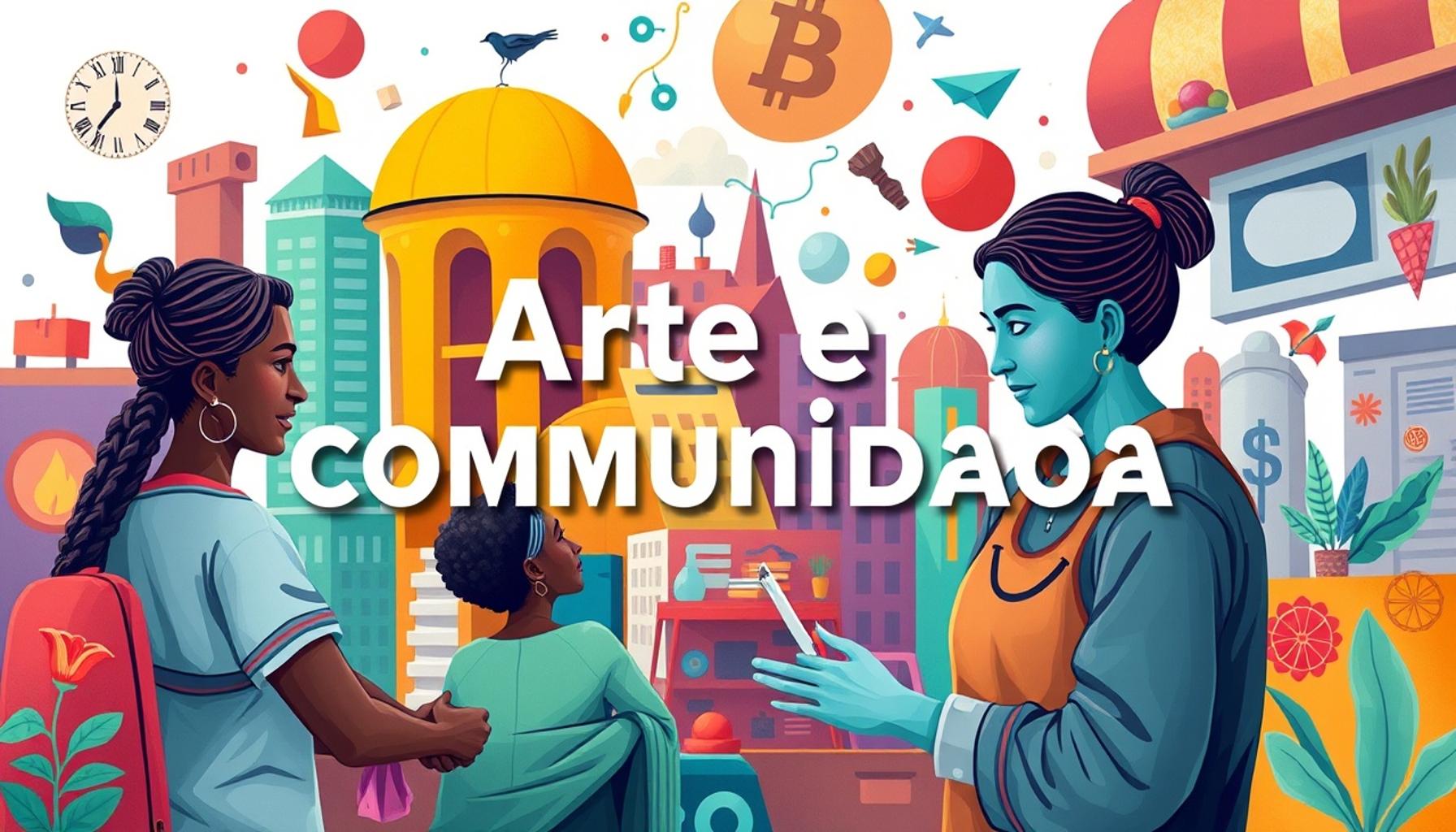
In an age where the spotlight often shines on individual achievements, the profound impact of collaborative artistic endeavors continues to resonate deeply within communities. These collective projects reveal the intrinsic value of working together, harnessing the power of creativity to unite people from diverse backgrounds and experiences, all driven by a common purpose.
Art has a transformative ability to reflect the ethos of a community. For example, large-scale murals adorning the walls of urban spaces can tell the stories of the local culture, history, and aspirations, igniting a sense of pride among residents. This phenomenon is palpable in cities like Philadelphia, known for its vibrant mural arts program that invites local artists and residents to collaborate, resulting in public artworks that foster a deeper connection to the community.
Key Elements of Collaborative Art
The heart of collaborative art lies in its key elements, which include:
- Community Engagement: Involving local residents not only enhances the final product but cultivates a potent sense of ownership and pride in the work created. An example of this can be seen in community-driven projects like the “Art from the Heart” initiative in Nashville, where local artists and citizens collaborate on designs that celebrate their city’s rich musical heritage.
- Skill Sharing: Collaborative projects act as skill-sharing platforms where participants exchange knowledge and expertise. For instance, workshops and seminars accompanying art festivals provide opportunities for aspiring artists to learn techniques from seasoned professionals, which can lead to the development of a more skilled local art scene.
- Diversity of Expression: The beauty of collaboration lies in merging various perspectives, backgrounds, and styles. This mash-up of ideas often results in groundbreaking works that challenge norms and stimulate dialogue. The annual “Artisan Fair” in San Francisco showcases this diversity, featuring artists from different cultural backgrounds who bring unique narratives and aesthetics to their collaborative projects.
Across the United States, numerous initiatives underscore the significance of collaboration in the arts. For example, community gardens also integrate art, where local artists create sculptures or mural installations that enhance the garden’s appeal while fostering a sense of community pride. Events like street art festivals or participatory theater not only celebrate local talent but also provide platforms for discussing pressing social issues, encouraging citizens to engage with one another in meaningful ways.
The exploration of collective artistic expression opens a new vista into understanding how such projects serve as catalysts for social connection and change. They enhance not just the aesthetic appeal of public spaces but also the fabric of the communities involved. As we continue to engage with and support these initiatives, we uncover the potential of art to mirror societal challenges and celebrate the rich cultural heritage that defines us.
DISCOVER MORE: Click here for fun DIY projects
Transformative Effects of Collective Art Projects
Collaborative artistic projects serve as powerful instruments for social change, transcending simply being aesthetic endeavors. These initiatives tap into the collective human experience, revealing a shared creativity that can empower individuals and foster resilience in communities. By inviting diverse participants to engage in the artistic process, projects become a unique tapestry woven from multiple narratives, reflecting the richness of community life and identity.
One notable aspect of collective art is its ability to act as a vehicle for social justice. Various community-driven art initiatives address pressing issues such as inequality, climate change, and public health through creative expression. The “Colorful Communities” program in New York City exemplifies this, as artists work alongside local residents to produce art that raises awareness about neighborhood challenges. Themes like food deserts, affordable housing, and healthcare access emerge through murals and installations, sparking crucial conversations that can lead to action.
The Impact of Collective Creative Expression
The impact of collective artistic expression is multi-faceted and can be categorized into several essential outcomes:
- Fostering Relationships: Collaborative projects encourage teamwork and communication, forging deeper connections between participants. The creation of art becomes a shared endeavor that nurtures friendships and networks, transforming initially strangers into a cohesive community.
- Empowerment of Marginalized Voices: Often, communities who feel overlooked garner new opportunities through participative art programs. These initiatives allow individuals from marginalized backgrounds to express their stories and struggles, promoting empathy and understanding among a wider audience.
- Enhanced Community Spaces: Collective art projects frequently beautify public spaces, resulting in a richer community environment. By involving local artists and residents in the design process, spaces become reflections of community identity, thus strengthening residents’ connections to their surroundings.
For instance, the “Art in the Parks” initiative in Chicago integrates art into local parks by engaging artists and residents to create sculptures and interactive installations. Such efforts not only enhance the visual landscape but also promote community gatherings and events, enriching the social fabric of neighborhoods.
Furthermore, these projects often cultivate a culture of sustainability within communities. By encouraging recycling and repurposing materials, artists and community members can create impactful artworks that emphasize environmental consciousness. Initiatives such as “Waste to Wonder” in Seattle highlight the importance of sustainability by turning discarded materials into striking public art, prompting citizens to consider their ecological footprint while fostering pride in their shared creative endeavors.
Collective artistic projects empower communities by fostering collaboration, creating inclusive spaces, and offering platforms for diverse voices and narratives. As they continue to evolve, the potential for artistic collaboration to inspire social change remains not only profound but essential in navigating the complexities of contemporary society.
| Advantage | Description |
|---|---|
| Enhanced Creativity | Collaboration breeds innovative ideas as artists draw inspiration and perspectives from each other, resulting in richer and more multifaceted works. |
| Community Building | Collaborative projects forge connections among diverse individuals, fostering a sense of belonging and shared purpose that transcends individual interests. |
Engaging in collective artistic projects can transform not only the artists involved but also the wider community. The possibilities are endless when creativity is pooled; artists are encouraged to explore uncharted territories, leading to dynamic expressions of art that reflect a shared narrative. This richness is further enhanced by the diverse backgrounds and experiences of the collaborators, which often translates into more profound connections with the audience.Furthermore, the act of creating together helps build a solid foundation for community engagement. When artists collaborate, they invite others to participate, experience, and interact, thus nurturing a vibrant cultural atmosphere. Communities can grow by harnessing the talent of individuals, leading to collective recognition and support for local artistry. Thus, the power of collaboration not only shapes artistic landscapes but also cultivates a thriving community spirit, highlighting the undeniable impact of art on social cohesion and development.
DIVE DEEPER: Click here to discover the influence of technology on music creation
Building Bridges Through Artistic Collaboration
In addition to its social justice implications, collective artistic projects possess a unique ability to build bridges and connect disparate communities. As cities become increasingly diverse, creative collaborations can serve as cultural conduits that facilitate dialogue and understanding among various groups. Art thereby becomes a language of its own, one that can transcend barriers such as race, socioeconomic status, and personal experiences.
The “ArtBridge” initiative in San Francisco exemplifies this unifying aspect. By partnering artists with community members from different backgrounds, ArtBridge creates murals that blend various cultural symbols and motifs. The initiative illustrates how visual storytelling can convey experiences that resonate across differences, ultimately fostering a sense of belonging and unity. Such projects reaffirm that the act of creating art together can be inherently healing and restorative for communities grappling with divisions.
Engaging Youth in Collective Artistic Endeavors
Another crucial segment of collective artistic projects focuses on engaging youth, providing them a platform to express their creativity while concurrently nurturing essential life skills. Programs like “Creative Youth Development” in Los Angeles integrate arts education and community engagement, empowering young people to impact their neighborhoods positively. By participating in workshops that challenge them to conceptualize and produce art, youth learn valuable lessons in collaboration, communication, and problem-solving.
Data from the National Endowment for the Arts highlights that young participants in community art projects demonstrate higher levels of self-esteem and community engagement. Furthermore, they exhibit a marked improvement in academic performance, showcasing how creative expression can harmonize personal growth with collective development. As these aspiring artists collaborate with each other and local mentors, they gain a sense of agency, becoming advocates for creativity and positive change in their surroundings.
Case Studies in Effective Collaboration
Several exemplary case studies illustrate how collective artistic projects can have a lasting impact. One such project, “The Mural Project” in Philadelphia, involved more than 400 artists collaborating with local residents to create lasting public murals that speak to the city’s history and culture. This effort not only transformed neglected spaces into vibrant works of art but also instilled a sense of ownership among community members, who actively participated in the planning and execution of the murals.
Additionally, the “Street Art for Mankind” initiative harnesses the talents of international street artists who work with local communities to raise awareness of social issues through art. Projects like these not only educate and engage locals but also attract visitors to the area, fostering an environment where economic growth and artistic expression can thrive simultaneously. These examples underscore the potential that collaborative projects hold for revitalizing neighborhoods and stimulating local economies.
As more communities recognize the transformative power of collective artistic endeavors, the demand for collaboration continues to grow. Organizations are increasingly partnering with local governments, non-profits, and educational institutions to create spaces that nurture creativity while addressing social issues. The convergence of art and community thus reveals an exciting landscape where collaboration can catalyze change and rejuvenate the human spirit, reinforcing the belief that art is not just a reflection of society but an essential catalyst in its evolution.
DIVE DEEPER: Click here to discover more
Transformative Impact of Collective Artistic Projects
In conclusion, the intersection of art and community through collective artistic projects not only enriches cultural landscapes but also serves as a powerful tool for social transformation. As highlighted through various initiatives across the United States, such as ArtBridge in San Francisco and The Mural Project in Philadelphia, collaborative art-making fosters inclusivity and dialogue among diverse populations. These projects not only breathe life into neglected spaces but also create strong bonds among community members, paving the way for healing and unity.
Engaging youth in these creative endeavors further amplifies this impact, equipping them with vital life skills while nurturing their potential as future advocates for change. With statistics from the National Endowment for the Arts showing marked improvements in self-esteem and academic performance among young participants, it is evident that art serves as a catalyst for personal and community growth.
As the demand for collaboration continues to flourish, communities are recognizing the invaluable role of art in addressing social issues and revitalizing neighborhoods. The stories emerging from collective artistic projects remind us that art is not merely a reflection of society—it is an evolving force that can foster understanding, inspire action, and encourage economic prosperity. The path ahead is one of possibility, as we embrace the transformative power of collaboration in art, building stronger, more connected communities for future generations.